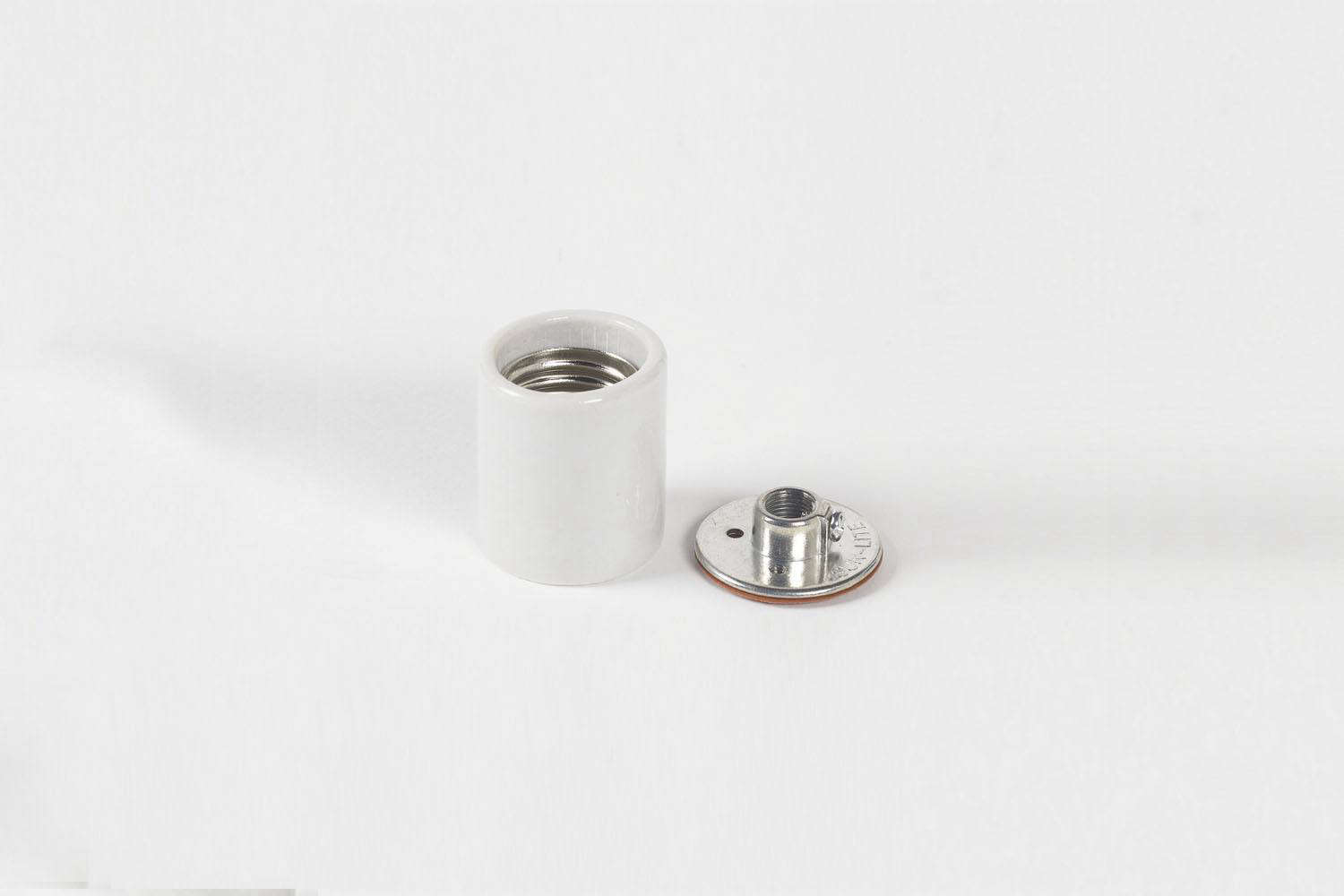
The Servalite 250-Watt White Ceiling Socket is not the kind of product that walks into a room and demands applause. It is small, plain, white, and practicalthe electrical equivalent of a dependable screwdriver. But for basements, garages, utility rooms, closets, workshops, storage areas, and other spaces where function matters more than chandelier-level drama, this simple ceiling socket can be exactly the kind of lighting part that keeps a room useful.
At its core, the Servalite ceiling socket is designed to hold a single bulb in a ceiling-mounted position. It is commonly listed as a porcelain, keyless ceiling socket with a medium base, a white finish, a 250-watt rating, and 125-volt compatibility. In regular homeowner language, that means it is a straightforward bulb holder made for hardwired ceiling applications where you want dependable light without a decorative fixture stealing the show.
Think of it as the “blue jeans” of lighting hardware. It is not fancy. It does not sparkle. It will not ask to be featured in an interior design magazine. But it does the job, blends into many ceilings, and offers a durable foundation for basic lighting needs.
What Is the Servalite 250-Watt White Ceiling Socket?
The Servalite 250-Watt White Ceiling Socket is a ceiling-mounted lamp socket intended for standard bulb use. It typically features a porcelain body, a die-cast cap, a white finish, and a medium base socket. The “keyless” design means the socket itself does not include a pull chain, rotary knob, or built-in switch. Instead, it is usually controlled by a wall switch or another existing electrical control.
This kind of ceiling socket is often used in locations where lighting needs to be direct, simple, and inexpensive. Garages, attics, unfinished basements, laundry rooms, mechanical rooms, sheds, and work areas are common examples. It is the kind of product that quietly solves a lighting problem without adding visual clutter.
Key Features at a Glance
250-Watt Rating
The 250-watt rating indicates the maximum wattage capacity listed for the socket. This does not mean you should automatically install a 250-watt bulb. It means any bulb used should stay within the fixture’s rating and must also be appropriate for the surrounding space, electrical setup, bulb type, and local code. For everyday use, many people choose LED bulbs that consume far less wattage while producing strong light output.
White Finish
The white finish helps the socket visually disappear on many ceilings, especially in utility spaces with white or light-colored surfaces. It is clean, neutral, and practical. Nobody buys a white ceiling socket to make guests gasp, but that is exactly the point: it blends in and gets on with business.
Porcelain Construction
Porcelain is commonly used in many lamp holders because it handles heat better than many basic plastic materials. In practical terms, that makes porcelain a sensible material for sockets used with bulbs that may generate warmth. Even so, the safest approach is always to use the correct bulb type and wattage for the fixture and location.
Medium Base Compatibility
The medium base is the standard screw-in bulb size used in many household bulbs in the United States. This makes the socket compatible with a wide range of common bulbs, including many LED, incandescent, and specialty bulbs, as long as the bulb is suitable for the fixture and does not exceed the socket’s rating.
Keyless Operation
Because it is keyless, the socket does not include its own on/off mechanism. This makes it cleaner and simpler, but it also means the room should already have a wall switch or another safe control method. In spaces where people expect a pull chain, a keyless socket may not be the right choice.
Where This Ceiling Socket Makes the Most Sense
The Servalite 250-Watt White Ceiling Socket is best suited for practical lighting zones. It is not trying to compete with pendant lights over a kitchen island or dramatic dining room chandeliers. Its natural habitat is the place where someone says, “I just need to see what I’m doing.”
Garages and Workshops
In a garage or workshop, a simple ceiling socket can provide direct overhead light for basic tasks. Pairing it with an efficient LED bulb can create bright illumination without the high heat and energy use of older incandescent bulbs. For workbenches or detailed projects, additional task lighting may still be needed, but a ceiling socket can provide a useful general-lighting foundation.
Basements and Utility Rooms
Unfinished basements and utility rooms often need tough, simple lighting. Decorative fixtures may look out of place near exposed beams, storage shelves, water heaters, or laundry equipment. A white porcelain ceiling socket fits the mood: practical, compact, and not offended by cobwebs.
Closets and Storage Areas
For storage areas, light quality matters more than style. You want to see boxes, labels, tools, seasonal decorations, and that one extension cord that somehow disappears every December. A ceiling socket can be useful, but bulb selection and clearance are important, especially in confined spaces.
Attics and Mechanical Spaces
Attics and mechanical spaces often call for simple fixtures that can survive occasional use and dusty conditions. A socket like this may be a practical option when installed properly and used with a suitable bulb. However, these areas can involve insulation, heat, and limited access, so professional installation is especially wise.
Why the 250-Watt Rating Matters
Wattage ratings are not decoration. They are safety information. A socket’s maximum wattage tells users the upper limit the component is designed to handle under appropriate conditions. Using a bulb that exceeds a fixture’s rating can create heat problems and increase fire risk.
That said, modern lighting has changed the conversation. Many LED bulbs produce the brightness of older high-wattage incandescent bulbs while using a fraction of the energy. For example, a bright LED may use only 10 to 20 actual watts while producing light comparable to a much higher-watt incandescent bulb. That makes LED bulbs a smart match for many basic ceiling sockets, provided the bulb is approved for the fixture type and location.
Here is the important distinction: “wattage equivalent” is not the same as actual wattage. A package might say “100-watt equivalent,” but the LED may actually use only about 15 watts. When checking fixture limits, look at the actual wattage, not just the marketing equivalent.
Choosing the Right Bulb
The socket is only half the lighting story. The bulb you choose will determine brightness, energy use, color temperature, heat output, and overall comfort.
For Bright Utility Lighting
Choose a higher-lumen LED bulb with a neutral or daylight color temperature. A 4000K to 5000K bulb often works well in garages, laundry rooms, and workshops because it creates crisp visibility. It may not feel cozy, but neither does stepping on a mystery object in a dark garage.
For Softer Storage Lighting
For closets or storage rooms, a warmer LED bulb around 2700K to 3000K can feel less harsh. This is helpful when the space is used occasionally and does not require intense task lighting.
For Enclosed or Tight Spaces
Always check whether the bulb is rated for enclosed fixtures if the socket will be used with any cover, guard, or limited-airflow setup. Some LED bulbs need ventilation to manage heat properly.
Servalite Ceiling Socket vs. Decorative Fixtures
A decorative fixture is meant to contribute to a room’s personality. A basic ceiling socket is meant to deliver light with minimal fuss. That difference matters when choosing the right lighting product.
For a finished living room, bedroom, dining room, or entryway, a bare ceiling socket will probably look unfinished. For a utility room, basement, closet, or garage, it may be perfectly appropriate. The choice depends on the space. A crystal chandelier in a furnace room would look confused. A plain ceiling socket in a formal dining room would look like someone forgot the final step. Context is everything.
Installation and Safety Considerations
Because the Servalite 250-Watt White Ceiling Socket is a hardwired electrical component, installation should be handled carefully. If you are not trained or legally permitted to perform electrical work, hire a licensed electrician. Electrical work is not the best place to “wing it” with confidence and a video playing in the background.
A professional can confirm that the ceiling box is suitable, the wiring is safe, the circuit is appropriate, and the installation follows local electrical code. This is especially important in older homes, garages, damp areas, unfinished spaces, or locations where wiring may have been modified over time.
Before buying any ceiling socket, consider the location. Is the area dry? Is the box properly mounted? Will the bulb be protected from impact? Is there enough clearance from stored items, insulation, shelving, or combustible materials? A simple socket can be a good solution, but only when the surrounding conditions make sense.
Common Mistakes to Avoid
Using the Wrong Bulb Wattage
The most obvious mistake is installing a bulb that exceeds the fixture rating. Even if a bulb fits physically, that does not mean it is safe or appropriate. Always respect the rating and choose bulbs carefully.
Assuming All White Ceiling Sockets Are the Same
They are not. Sockets can vary by material, voltage rating, wattage rating, mounting style, base type, activation method, and intended use. Before replacing an old socket, compare specifications instead of shopping by appearance alone.
Using a Keyless Socket Where a Pull Chain Is Needed
A keyless ceiling socket is controlled externally. If the room does not have a wall switch or other proper control, a pull-chain model may be more practical. Buying the wrong activation style is a small mistake that becomes annoying every time you enter the room.
Ignoring the Environment
Some areas require fixtures rated for damp or wet locations. A basic ceiling socket may not be suitable for every garage, porch, shed, bathroom, or laundry environment. Match the product to the location, not just the budget.
Design Value: Why Simple Can Be Smart
The design appeal of the Servalite 250-Watt White Ceiling Socket is its simplicity. It does not try to hide behind trends. It does not require matching hardware finishes. It does not care whether your home is modern farmhouse, industrial, minimalist, coastal, or “we just moved in and still own boxes from 2018.”
In utility spaces, simple products often age better than trendy ones. A plain white socket is easy to understand, easy to visually tolerate, and easy to pair with standard bulbs. When the goal is functional illumination, that kind of simplicity is a feature, not a flaw.
Maintenance Tips for Long-Term Use
Once installed correctly, a ceiling socket like this requires minimal attention. Still, a little common sense goes a long way. Keep the area around the bulb clear. Do not hang objects from the socket. Do not use screw-in fan adapters or heavy accessories unless the fixture and electrical box are specifically rated for that purpose. A lamp socket is designed for a lamp, not for becoming a tiny ceiling gymnasium.
Check bulbs periodically for flickering, buzzing, discoloration, or signs of overheating. If a bulb frequently burns out, flickers, or feels unusually hot, do not ignore it. The issue could be the bulb, the socket, the switch, the circuit, or the wiring. A qualified electrician can diagnose the problem safely.
Who Should Consider Buying It?
The Servalite 250-Watt White Ceiling Socket is a good fit for homeowners, landlords, maintenance teams, property managers, and DIY-minded shoppers who need a basic replacement part or simple ceiling lighting solution. It is especially useful when the goal is practical overhead lighting in a non-decorative space.
It may not be the best choice for anyone looking for built-in switching, decorative style, smart lighting features, motion detection, damp-location certification, or integrated LED design. In those cases, another fixture may be more suitable.
Buying Checklist
Before purchasing, confirm the socket type, base type, material, wattage rating, voltage rating, color, and activation style. Make sure the product matches your existing ceiling box and intended bulb. If replacing an older socket, compare the old part carefully and consult a professional if anything looks unusual.
Also consider how the room is used. A garage may benefit from a bright LED bulb. A closet may need a lower-profile or covered fixture. A workshop may need multiple fixtures instead of one powerful bulb. Lighting works best when it is planned for the actual space, not just the product label.
Real-World Experience: Living With a Basic Ceiling Socket
The funny thing about a product like the Servalite 250-Watt White Ceiling Socket is that you usually notice it only when you do not have one. A dark storage room feels like a cave. A garage corner becomes a black hole for missing tools. A basement laundry area turns sock sorting into detective work. Then a simple ceiling socket enters the story, and suddenly the space behaves like it has joined civilization.
In real use, the best thing about this type of socket is its honesty. It does not pretend to be luxury lighting. It does not need an app, firmware update, remote control, or dramatic unboxing ceremony. It is a practical part for practical rooms. That makes it especially useful in homes where some areas need reliable light more than visual polish.
One common experience is replacing an old, yellowed, cracked, or unreliable ceiling socket in a basement or garage. The improvement may not feel glamorous, but it can make the whole space feel cleaner and safer. A fresh white socket paired with a bright LED bulb can turn a gloomy utility corner into a usable work area. Suddenly, finding paint cans, holiday decorations, or the exact wrench you need becomes much less theatrical.
Another real-world benefit is flexibility. Because the socket uses a medium base, users can choose from many bulb styles. Want soft light for a small storage area? Use a warmer LED. Need bright task lighting for a workbench zone? Choose a higher-lumen daylight LED. Want to reduce electricity use? LED bulbs make that easy. The socket provides the foundation, while the bulb fine-tunes the experience.
However, simple does not mean careless. The most important lesson from using basic ceiling sockets is that installation quality matters more than appearance. A neatly installed socket on a proper electrical box feels dependable. A loose, crooked, questionable installation feels like a problem waiting to happen. If the wiring is old, the box is unstable, or the location is exposed to moisture, the smartest move is to call a licensed electrician rather than treating the project like a weekend experiment.
In everyday life, a ceiling socket like this is also a reminder that not every home improvement needs to be dramatic. Sometimes the most satisfying upgrades are quiet ones: a brighter pantry, a safer basement stair landing, a garage light that finally works, or a laundry room where you can tell navy socks from black socks without holding them up to a window like a museum curator.
The Servalite 250-Watt White Ceiling Socket is a humble product, but humble products often carry a lot of household weight. When selected correctly, installed safely, and paired with the right bulb, it can make ordinary spaces more useful, more visible, and less frustrating. That is not flashybut it is exactly what good utility lighting should do.
Final Thoughts
The Servalite 250-Watt White Ceiling Socket is a straightforward lighting component for people who value function, simplicity, and affordability. Its porcelain construction, white finish, medium base compatibility, keyless design, and 250-watt rating make it a practical choice for many utility-focused spaces.
It is not meant to be the centerpiece of a room. It is meant to provide a reliable place for a bulb so the room can finally stop hiding things in the shadows. Choose the correct bulb, respect the wattage rating, match the socket to the location, and use professional installation when electrical work is involved. Do that, and this plain little ceiling socket can quietly become one of the most useful parts of the room.