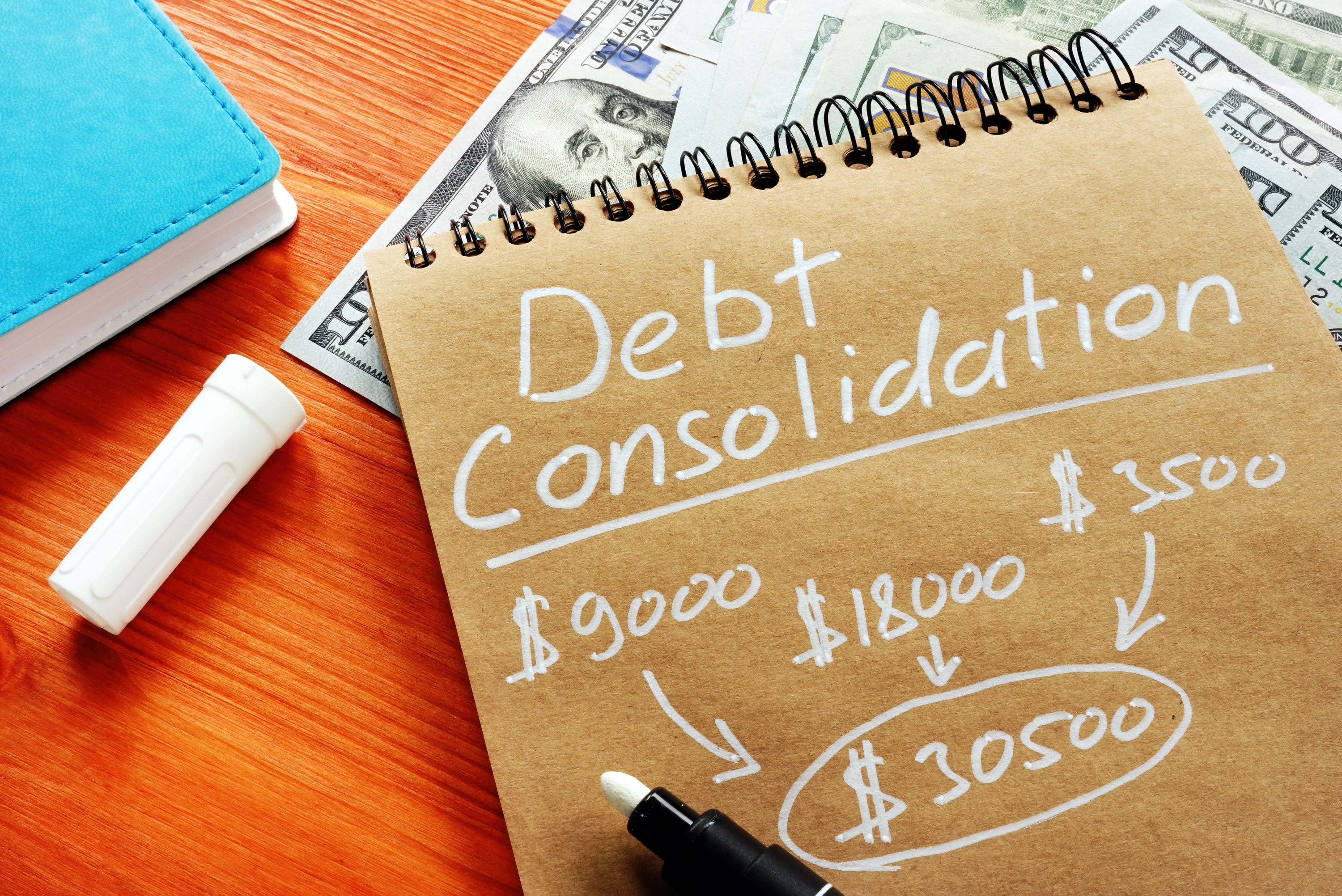
Debt can feel like a junk drawer with interest rates: a credit card here, a medical bill there, a personal loan you vaguely remember taking out when your car made a noise that sounded expensive. A debt consolidation loan is one way to stop juggling multiple payments and roll several debts into one new loan with one monthly payment, one due date, and ideally one lower interest rate.
That sounds tidy, and sometimes it is. But debt consolidation is not a magic wand, a financial eraser, or a “congratulations, your balance has vanished” coupon. It is a repayment strategy. Used carefully, it can save money, simplify your budget, and create a clear payoff timeline. Used carelessly, it can turn old debt into new debt with a fresh bow on top.
This guide explains what a debt consolidation loan is, how it works, who it helps, when it can backfire, and how to decide whether it deserves a spot in your financial toolbox.
What Is a Debt Consolidation Loan?
A debt consolidation loan is usually a personal loan used to pay off multiple existing debts. Instead of making separate payments to several credit card companies, lenders, or medical providers, you borrow one lump sum, use it to pay those balances, and then repay the new loan in fixed monthly installments.
For example, say you owe $4,000 on one credit card, $3,500 on another, and $2,500 on a store card. That is $10,000 total, with three due dates and three interest rates doing their best impression of tiny financial mosquitoes. If you qualify for a $10,000 debt consolidation loan, you can use it to pay off those accounts. Then you make one payment each month to the new lender until the loan is paid off.
Most debt consolidation loans are unsecured personal loans, meaning you do not pledge collateral like your house or car. Some borrowers also consolidate debt with secured loans, home equity loans, home equity lines of credit, or balance transfer credit cards. Those options can work, but they come with different risks. A secured loan may offer a lower rate, but missing payments could put your collateral at risk. That is a much bigger problem than simply annoying your budget.
How Does a Debt Consolidation Loan Work?
The process is straightforward, but the details matter. A lender reviews your credit, income, debt load, and overall ability to repay. If approved, you receive loan terms that include the loan amount, annual percentage rate, repayment term, monthly payment, and any fees.
Step 1: Add Up the Debts You Want to Consolidate
Start by listing every debt you are considering rolling into the loan. Include the balance, interest rate, minimum monthly payment, and due date. Debt consolidation is most commonly used for high-interest unsecured debt, especially credit card balances. It may also be used for medical bills, payday loan alternatives, personal loans, or other consumer debts.
The goal is not simply to make the payment prettier. The goal is to improve the repayment math. If the new loan costs more over time, consolidation may be convenient but not wise.
Step 2: Compare Loan Offers
Next, compare loan offers from banks, credit unions, and online lenders. Many lenders allow prequalification, which can show estimated rates without a hard credit pull. Look beyond the monthly payment. A lower payment can be helpful, but it may come from stretching repayment over a longer period, which can increase the total interest you pay.
Pay attention to the annual percentage rate, not just the interest rate. APR includes interest and certain fees, making it a better comparison tool. Also check for origination fees, late fees, prepayment penalties, and whether the lender can send funds directly to your creditors.
Step 3: Use the Loan to Pay Off Old Balances
Once the loan is funded, the money is used to pay off the debts you selected. Some lenders deposit the money into your bank account, leaving you responsible for paying creditors. Others pay creditors directly, which reduces the chance that the money takes a “quick vacation” through your checking account before reaching the intended destination.
After the old balances are paid, your original accounts may show zero balances. With credit cards, you may choose to keep accounts open or close some of them. Keeping cards open can help preserve available credit, but only if you avoid running up new balances. Closing accounts may reduce temptation, but it can also affect credit utilization and credit history.
Step 4: Repay the New Loan on Schedule
Debt consolidation loans typically have fixed monthly payments and fixed repayment terms. That means you know when the loan will be gone if you make every payment as agreed. This structure can be especially useful for people who feel trapped by revolving credit card debt, where minimum payments may barely dent the balance.
Think of the loan like a financial treadmill with an actual finish line. The catch is that you have to stay on it. Late payments can hurt your credit and may trigger fees. Missing payments can make the situation worse than before.
Benefits of Debt Consolidation Loans
One Monthly Payment
The most obvious benefit is simplicity. One payment is easier to track than five. One due date is easier to remember than a calendar full of tiny debt grenades. If you have missed payments because your debts are scattered across several accounts, consolidation can help organize the chaos.
Potentially Lower Interest Rate
Credit cards often carry high interest rates, especially for borrowers who carry balances from month to month. If you qualify for a consolidation loan with a lower APR, more of your payment can go toward principal instead of interest. That can reduce the total cost of your debt and help you pay it off faster.
Fixed Payoff Timeline
Credit cards are revolving accounts, which means you can keep borrowing as you repay. That flexibility can be useful, but it can also keep debt hanging around like a guest who does not understand that brunch ended three hours ago. A fixed installment loan gives you a set repayment schedule. Make the payments, and the loan ends.
Possible Credit Score Improvement Over Time
Debt consolidation can affect credit scores in several ways. Applying for a loan may cause a small, temporary dip because of a hard inquiry. Opening a new account can also lower the average age of your credit accounts. However, paying down high credit card balances may reduce your credit utilization, which can help your score over time. The biggest factor is still payment behavior: on-time payments are essential.
Risks and Drawbacks to Consider
You Could Pay More Over Time
A lower monthly payment is not automatically a victory. If the repayment term is much longer, you may pay more total interest even with a lower APR. Always compare the total repayment cost of the new loan against your current payoff plan.
Fees Can Eat Into Savings
Some debt consolidation loans charge origination fees, which may be deducted from the loan proceeds or added to the cost of borrowing. If you need $10,000 to pay off debts and the lender charges a 5% origination fee, you may need to borrow more than $10,000 to fully cover the old balances. Fees are not evil, but they are very good at sneaking into the math wearing a tiny hat.
It Does Not Fix Overspending
Debt consolidation changes the structure of your debt. It does not change the habits that created the debt. If you pay off credit cards with a loan and then charge them back up, you now have the consolidation loan plus new credit card balances. That is not consolidation; that is debt cosplay.
You May Not Qualify for a Better Rate
The best loan terms usually go to borrowers with stronger credit, stable income, and manageable debt-to-income ratios. If your credit score is low or your debt load is high, you may only qualify for a high-rate loan. In that case, consolidation may not save money.
Debt Consolidation Loan Example
Imagine you have $15,000 in credit card debt at an average APR of 24%. Your minimum payments total about $450 per month, but because interest is high, progress feels painfully slow. You qualify for a $15,000 personal loan at 12% APR with a four-year term. Your monthly payment may be around $395, and you would have a clear payoff date.
In this situation, consolidation may reduce your monthly payment, lower your interest rate, and create a structured plan. But the result depends on fees and behavior. If the loan has a large origination fee or you continue charging new purchases to the paid-off cards, the benefit can disappear faster than snacks at a budget meeting.
Debt Consolidation Loan vs. Balance Transfer Card
A balance transfer credit card lets you move existing credit card debt to a new card, often with a promotional 0% APR period. This can be powerful if you can repay the balance before the promotional period ends. However, balance transfer cards often require good credit, may charge a transfer fee, and can become expensive if a balance remains after the promotional rate expires.
A debt consolidation loan may be better if you want a fixed payment and a longer structured payoff period. A balance transfer may be better if the debt is small enough to eliminate during the promotional window. Both strategies require discipline. Neither strategy is helped by pretending the paid-off card is now “free money.” It is not. It is a plastic rectangle with consequences.
Debt Consolidation Loan vs. Debt Management Plan
A debt management plan, often offered through nonprofit credit counseling agencies, is not a loan. Instead, a counselor works with your creditors to create a repayment plan, which may include lower interest rates or waived fees. You usually make one monthly payment to the agency, and the agency distributes payments to creditors.
A debt management plan can help people who do not qualify for an affordable consolidation loan. It may also be useful if you need budgeting support and creditor negotiations. However, it may require closing credit card accounts, and it is not the same as debt settlement. Debt settlement usually involves negotiating to pay less than you owe and can seriously damage credit if you stop paying creditors.
How to Qualify for a Debt Consolidation Loan
Lenders look at several factors when evaluating your application. Your credit score matters, but it is not the only piece of the puzzle. They may also review your income, employment history, debt-to-income ratio, payment history, and requested loan amount.
Before applying, check your credit reports for errors, calculate your total debts, and estimate how much you can afford each month. Avoid applying blindly to many lenders at once. Prequalification tools can help you compare offers with less risk to your credit score. When you find a promising offer, review the fine print like it owes you money, because in a way, it does.
When a Debt Consolidation Loan Makes Sense
A debt consolidation loan may be a smart move if you can qualify for a lower APR than your current debts, the monthly payment fits your budget, and the loan helps you pay off debt faster or at a lower total cost. It also makes sense if you are committed to avoiding new balances while you repay the loan.
It may be especially useful for borrowers with multiple high-interest credit card balances, steady income, and decent credit. The best outcomes usually happen when consolidation is paired with a realistic budget, automatic payments, and a plan for emergency expenses so you do not reach for credit cards every time life sneezes.
When Debt Consolidation Is a Bad Idea
Debt consolidation may be a poor fit if the new loan has a higher APR, large fees, or a repayment term that significantly increases total interest. It is also risky if your income is unstable or if you are already struggling to cover basic expenses. In that case, adding a new loan payment may not solve the underlying problem.
Be cautious of companies promising guaranteed approval, instant debt forgiveness, secret government programs, or dramatic reductions with no downside. Real debt help does not need fog machines and miracle language. Legitimate lenders and nonprofit credit counselors explain costs, risks, and alternatives clearly.
How to Choose the Right Debt Consolidation Loan
Start with the APR, but do not stop there. Compare repayment terms, monthly payments, fees, lender reputation, funding speed, customer service, and whether the lender offers direct creditor payments. A slightly higher APR from a trustworthy lender may be better than a suspiciously shiny offer from a company that treats transparency like an optional accessory.
Use a debt consolidation calculator or spreadsheet to compare your current payoff path with the proposed loan. Include all fees. Ask three questions: Will this lower my total cost? Will this payment fit my budget? Will this help me become debt-free sooner or more predictably? If the answer is no, keep shopping or consider alternatives.
Practical Tips Before You Consolidate
First, pause new borrowing. You need a clear picture of your debt before you move it around. Second, build a basic budget that includes the new loan payment, housing, food, transportation, insurance, savings, and irregular expenses. Third, set up autopay if you can safely keep enough money in your account. On-time payments are the backbone of successful consolidation.
Fourth, create a small emergency fund. Even $500 to $1,000 can prevent a surprise expense from landing back on a credit card. Fifth, decide what to do with paid-off cards. Some people freeze them, lock them, or remove them from digital wallets. Extreme? Maybe. Effective? Often. Your future self may appreciate the drama.
Real-World Experiences: What Borrowers Often Learn the Hard Way
People who succeed with debt consolidation usually treat it as a reset, not a reward. One common experience is emotional relief. When five payments become one, the borrower finally feels able to breathe. The budget looks cleaner, the due date is obvious, and the payoff date becomes something concrete rather than a vague hope floating somewhere near retirement.
But the next lesson arrives quickly: simplicity is not the same as savings. Borrowers sometimes focus only on the smaller monthly payment and miss the longer loan term. A payment that drops from $600 to $390 can feel amazing, but if the term stretches far enough, the total interest may still be high. The smartest borrowers compare the full cost before signing. They do not let a comfortable payment distract them from the final price tag.
Another common experience is the temptation of newly available credit. After consolidation, old credit cards may show zero balances. That can feel like progress, and it is progress, but it can also feel like permission. Many borrowers discover that the hardest part is not getting approved for the loan. The hardest part is not using the cleared cards to rebuild the same problem. A good rule is to keep one card for planned, budgeted purchases and move the rest out of easy reach.
Borrowers also learn that credit score changes are not always instant or predictable. A hard inquiry may cause a small dip. Paying down credit cards may help utilization. Adding an installment loan can change the credit mix. The final result depends on the entire credit profile. The people who benefit most tend to make every loan payment on time and avoid adding fresh revolving debt.
Some borrowers find that debt consolidation exposes a budgeting problem they had been avoiding. Before consolidation, minimum payments may have hidden the real issue: spending exceeded income, emergency savings were thin, or irregular expenses were not planned. Consolidation works best when paired with a new system. That system does not have to be fancy. A simple monthly spending plan, weekly check-in, and automatic payment schedule can do more than a color-coded spreadsheet that takes three hours and a ceremonial candle to maintain.
There is also a psychological benefit to the fixed payoff date. Credit card debt can feel endless because the payment changes and the balance remains available. A personal loan has a finish line. Borrowers often say that seeing the balance decline month after month makes repayment feel more motivating. It turns debt payoff from a foggy swamp into a marked trail.
The cautionary stories are just as important. Some people consolidate too soon, before they understand why the debt happened. Others accept the first loan offer without comparing rates. Some borrow more than they need because the lender approves a higher amount. A few use secured debt, such as home equity, to pay unsecured credit card balances, then realize they have shifted risk onto their home. That can be dangerous if income drops or expenses spike.
The most useful experience-based lesson is this: debt consolidation is a tool, not a personality transplant. It can make repayment easier, cheaper, and clearer. It cannot make someone budget, stop impulse spending, or prepare for emergencies. The loan opens the door. Your habits walk through it.
Conclusion
A debt consolidation loan can be a smart way to combine multiple debts into one fixed monthly payment, especially when it lowers your APR, reduces total interest, and gives you a clear payoff timeline. It can simplify your financial life and help you attack high-interest balances with more structure.
Still, consolidation is not automatic savings. You need to compare APRs, fees, repayment terms, and total costs. You also need a plan to avoid new debt. The best debt consolidation loan is not simply the one with the lowest monthly payment. It is the one that helps you pay off debt affordably, responsibly, and permanently.
Note: This article is for educational purposes only and should not be treated as personalized financial advice. Before choosing a loan, compare offers carefully and consider speaking with a qualified credit counselor or financial professional.