Editorial note: This article is for general education only. Anyone with suspected osteoporosis, new back pain, height loss, or a fracture after a minor fall should speak with a qualified healthcare professional.
Osteoporosis has a sneaky personality. It does not usually knock on the door, introduce itself, and politely warn you that your bones are becoming fragile. More often, it stays quiet until a fracture happens after something that should not have caused a broken bone, such as a minor fall, a twist, a bump, or sometimes even ordinary movement.
That is why the phrase end stage osteoporosis, sometimes called stage 4 osteoporosis, can sound frightening. It suggests that the condition has reached a point where bone loss is severe, fracture risk is high, and daily life may be affected by pain, posture changes, limited mobility, or repeated fractures.
However, there is an important clarification: “stage 4 osteoporosis” is not a formal medical diagnosis used by most doctors. Clinicians usually describe osteoporosis by looking at bone mineral density, T-scores from a DXA scan, history of fragility fractures, age, medications, other health conditions, and fracture-risk tools such as FRAX. Still, people often use “stage 4” to describe very advanced or severe osteoporosis, especially when fractures and visible posture changes have already occurred.
The good news? Severe osteoporosis is serious, but it is not hopeless. Treatment can reduce fracture risk, improve function, support safer movement, and help many people stay independent longer. Bones may not come with a dramatic theme song when they need help, but they do respond to the right care plan.
What Does “End Stage” or “Stage 4” Osteoporosis Mean?
In everyday language, end stage osteoporosis usually refers to osteoporosis that has become severe enough to cause major complications. These may include repeated fragility fractures, spinal compression fractures, loss of height, a hunched posture called kyphosis, chronic pain, and difficulty with routine activities.
Doctors typically diagnose osteoporosis when a person has a bone density T-score of -2.5 or lower, or when they have certain fragility fractures, especially hip or vertebral fractures. A person may be considered at very high fracture risk if they have had multiple fractures, a recent fracture, extremely low bone density, or a combination of risk factors.
Severe Osteoporosis vs. Ordinary Age-Related Bone Loss
Some bone loss happens naturally with age. Severe osteoporosis is different. In advanced osteoporosis, bones lose density and internal structure. Imagine the difference between a sturdy wooden beam and one that has been quietly eaten by termites. The outside may still look normal, but the strength inside is reduced.
This is why a person with advanced osteoporosis may fracture a wrist, hip, rib, pelvis, or vertebra from a low-impact event. A fall from standing height may be enough. In severe spinal osteoporosis, compression fractures can happen with bending, lifting groceries, coughing hard, or turning awkwardly in bed.
Symptoms of End Stage Osteoporosis
Osteoporosis is often called a silent disease because early bone loss usually does not cause symptoms. In more advanced cases, symptoms often come from fractures and changes in the spine rather than from bone thinning itself.
Common Symptoms and Signs
- Back pain: Sudden or persistent back pain may occur after a vertebral compression fracture.
- Loss of height: Multiple spinal fractures can make a person noticeably shorter over time.
- Stooped or hunched posture: Kyphosis can develop when the front part of spinal bones collapses.
- Fragility fractures: Broken bones may happen after minor falls or low-impact movement.
- Limited mobility: Pain, fear of falling, and muscle weakness can make walking or daily tasks harder.
- Balance problems: Poor posture, weak muscles, vision issues, and medications can increase fall risk.
- Breathing or digestive discomfort: Severe spinal curvature may crowd the chest or abdomen in some people.
Not every person with severe osteoporosis has all these symptoms. Some people discover the disease after a routine bone density test. Others learn about it only after a fracture. That is osteoporosis behaving like the world’s least helpful roommate: causing trouble, then leaving you to find the evidence.
What Causes Osteoporosis to Become Severe?
Osteoporosis develops when the body loses too much bone, makes too little bone, or both. Bone is living tissue, constantly being broken down and rebuilt. When that remodeling process gets out of balance, bones can become thinner, weaker, and more fragile.
Major Risk Factors
- Older age, especially after age 50
- Menopause and lower estrogen levels
- Family history of osteoporosis or hip fracture
- Low body weight or poor nutrition
- Low calcium, vitamin D, or protein intake
- Long-term use of corticosteroids such as prednisone
- Smoking or heavy alcohol use
- Low physical activity or long periods of immobility
- Rheumatoid arthritis, thyroid disease, celiac disease, inflammatory bowel disease, kidney disease, and other medical conditions
- Previous fragility fracture
A previous fracture is one of the biggest red flags. After one osteoporosis-related fracture, the risk of another fracture rises. That is why many experts emphasize fracture prevention after the first break, not after the third, fourth, or fifth.
How Doctors Diagnose Severe Osteoporosis
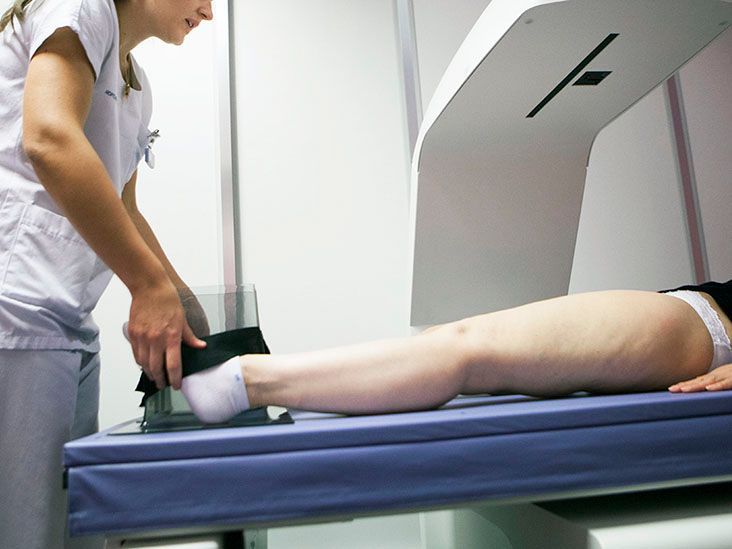
Diagnosis usually starts with a health history, physical exam, fracture history, and a bone density test. The most common test is a DXA scan, which measures bone mineral density at areas such as the hip and spine.
Understanding T-Scores
A T-score compares a person’s bone density with that of a healthy young adult. In general, a T-score between -1.0 and -2.5 suggests low bone mass, also called osteopenia. A T-score of -2.5 or lower suggests osteoporosis. But T-score is only one piece of the puzzle. A person with osteopenia can still have a fragility fracture, while another person with a low T-score may not have fractured yet.
Doctors may also order X-rays or spine imaging to look for compression fractures. Blood tests may help check vitamin D levels, calcium levels, kidney function, thyroid function, parathyroid hormone, and other possible secondary causes of bone loss.
Fracture Risk Assessment
Many healthcare professionals use risk calculators to estimate a person’s 10-year chance of hip fracture or major osteoporotic fracture. Treatment decisions often consider bone density, age, sex, fracture history, steroid use, smoking, alcohol intake, and other clinical risks.
Treatment for End Stage Osteoporosis
Treatment for advanced osteoporosis usually has several goals: reduce future fractures, manage pain, improve mobility, prevent falls, support nutrition, and treat any underlying condition that is weakening the bones. There is no single magic pill, although many people understandably wish bone health came in a smoothie labeled “Undo All Damage.”
1. Prescription Medications
Medication is often recommended for people with osteoporosis, especially those with hip or spine fractures, very low bone density, or high fracture risk. Options may include:
- Bisphosphonates: These medicines slow bone breakdown and are often used as first-line treatment. Examples include alendronate, risedronate, ibandronate, and zoledronic acid.
- Denosumab: This injection slows bone loss and may increase bone density. It requires careful scheduling because stopping it suddenly can increase fracture risk. People with advanced chronic kidney disease need special caution because of the risk of very low calcium.
- Anabolic medicines: Teriparatide and abaloparatide help stimulate new bone formation and may be used for people at very high fracture risk.
- Romosozumab: This bone-building medicine may be considered for certain people with severe osteoporosis, but it is not appropriate for everyone, especially those with certain cardiovascular risks.
- Raloxifene or hormone-related therapies: These may be considered in specific situations, depending on age, symptoms, fracture risk, and medical history.
The best medication depends on the person’s fracture history, kidney function, other diseases, dental health, age, treatment goals, and risk of side effects. Advanced osteoporosis should not be treated with guesswork. It deserves a personalized plan.
2. Calcium, Vitamin D, and Protein
Calcium and vitamin D are not glamorous, but bones are not impressed by glamour. They need raw materials. Calcium supports bone structure, while vitamin D helps the body absorb calcium. Protein also matters because bones and muscles both depend on it.
Food sources of calcium include yogurt, milk, fortified plant milks, cheese, tofu made with calcium, canned salmon or sardines with bones, kale, bok choy, and fortified foods. Vitamin D can come from sunlight, fortified foods, fatty fish, and supplements when recommended. People with osteoporosis should ask a clinician what intake is appropriate because more is not always better, especially with kidney disease or a history of kidney stones.
3. Exercise and Physical Therapy
Movement is essential, but in severe osteoporosis, the wrong movement can be risky. A physical therapist can help design a safe program that may include weight-bearing exercise, posture training, balance work, gentle strengthening, and fall-prevention practice.
People with spinal compression fractures are often advised to avoid high-impact exercise, heavy forward bending, twisting under load, and sit-up-style movements unless a clinician says otherwise. Safer options may include walking, supervised resistance training, heel raises, balance drills, and exercises that strengthen the back and hips.
4. Fall Prevention
For someone with stage 4 osteoporosis, preventing falls can be as important as medication. A single fall can lead to a hip fracture, hospitalization, surgery, loss of independence, or a long recovery.
- Remove loose rugs and clutter from walkways.
- Use night lights in hallways and bathrooms.
- Install grab bars near toilets and showers.
- Wear supportive shoes instead of slippery socks.
- Review medications that may cause dizziness.
- Check vision and hearing regularly.
- Use a cane or walker if recommended.
Fall prevention is not “giving in.” It is strategy. Even superheroes use equipment; they just call it gear.
5. Pain Management and Fracture Care
Pain from vertebral compression fractures may improve with time, but severe or persistent pain needs medical evaluation. Treatment may include short-term rest, pain-relieving medication, bracing, physical therapy, or procedures such as vertebral augmentation in carefully selected cases.
Hip fractures and some other fractures may require surgery. After any fracture, follow-up bone health care is critical. Treating the broken bone without treating the osteoporosis is like mopping the floor while the sink is still overflowing.
Outlook for People With Advanced Osteoporosis
The outlook depends on age, number and location of fractures, general health, fall risk, treatment response, and how early a prevention plan begins. Severe osteoporosis can affect independence and quality of life, especially after hip or spine fractures. But many people improve their stability, reduce fracture risk, and maintain meaningful daily activity with the right combination of medical treatment, nutrition, exercise, and home safety changes.
Osteoporosis is usually a long-term condition. Treatment often requires ongoing monitoring, repeat bone density testing, and medication review. Some medicines are used for a limited time, while others may require transition plans. This is especially important with denosumab, because missed or stopped doses can lead to rapid bone loss in some people.
When to Seek Medical Help
A person should seek medical care promptly if they have sudden back pain, a fracture after a minor fall, new difficulty walking, unexplained height loss, worsening stooped posture, or pain that makes daily activities difficult. Emergency care is needed after a serious fall, suspected hip fracture, severe pain, weakness, numbness, or loss of bladder or bowel control.
People who have already had a fragility fracture should ask about osteoporosis evaluation even if no one brings it up. Unfortunately, osteoporosis is sometimes underdiagnosed after fractures. A patient may leave the hospital with a repaired bone but no plan to protect the next one. That is a missed opportunity.
Living With End Stage Osteoporosis: Real-Life Experience and Practical Lessons
Living with advanced osteoporosis is not just about scan numbers. It affects how people move through kitchens, bathrooms, sidewalks, cars, stairs, and grocery stores. The experience can be frustrating because the danger is often invisible. Friends may say, “But you look fine,” while the person is mentally calculating whether a curb, a wet floor, or an enthusiastic dog could send them into a fracture spiral.
One common experience is the fear of bending. Someone with spinal compression fractures may stop picking things up from the floor, avoid tying shoes, or feel nervous loading a dishwasher. A helpful adjustment is to use tools: a long-handled reacher, slip-on shoes, raised garden beds, rolling carts, and lightweight cookware. These are not signs of weakness. They are clever engineering for a body that needs better leverage.
Another real-world challenge is sleep. Back pain from vertebral fractures can make it hard to find a comfortable position. Some people do better with a pillow under the knees when lying on the back, or a pillow between the knees when lying on the side. Others need guidance from a clinician or physical therapist because the best position depends on the fracture pattern and pain location.
Social life can also change. A person may avoid crowded restaurants, icy sidewalks, family gatherings with small children running around, or travel that involves stairs and heavy luggage. The goal is not to shrink life down to a chair and a television remote. The goal is to redesign routines so life remains active but safer. Choosing a restaurant with easy parking and no steps is not boring; it is good logistics.
Many people with advanced osteoporosis learn that confidence returns slowly. After a fracture, they may feel fragile in a way they never did before. Physical therapy can help rebuild trust in movement. Balance training can turn walking from a nervous negotiation into something steadier. Strengthening the legs and hips may reduce fall risk, while posture exercises can help with spinal alignment and daily function.
Family support matters, but it works best when it respects independence. Instead of saying, “Don’t do anything,” loved ones can help make the home safer, drive to appointments, organize medication schedules, prepare calcium- and protein-rich meals, and encourage safe activity. Overprotection can accidentally increase weakness by discouraging movement. Support should be a safety net, not a cage.
Emotionally, severe osteoporosis can bring grief, anger, embarrassment, and anxiety. A person who once lifted furniture without thinking may now need help carrying laundry. That adjustment is real. But many people discover a new kind of strength: becoming more intentional, more patient, and more informed. They learn which movements are safe, which medications need timing, which shoes are worth wearing, and which household hazards need to be banished immediately. Goodbye, decorative throw rug. You were cute, but you were plotting.
The most important lived lesson is this: advanced osteoporosis requires a team approach. Primary care clinicians, endocrinologists, rheumatologists, orthopedists, physical therapists, pharmacists, dietitians, dentists, and family members may all play a role. With consistent care, the outlook can be far better than the phrase “end stage” suggests.
Conclusion
End stage or stage 4 osteoporosis is a nonformal phrase often used to describe severe osteoporosis with high fracture risk, repeated fragility fractures, spinal compression fractures, posture changes, pain, and reduced mobility. Although advanced osteoporosis can seriously affect quality of life, it is not a reason to give up. Treatment can reduce future fracture risk, support safer movement, and help people remain active and independent.
The best plan usually combines prescription medication, nutrition, vitamin D and calcium guidance, safe exercise, fall prevention, fracture care, and regular follow-up. Severe osteoporosis is not just a bone-density problem; it is a whole-life safety and mobility issue. The sooner it is addressed, the better the chance of preventing the next fracture.