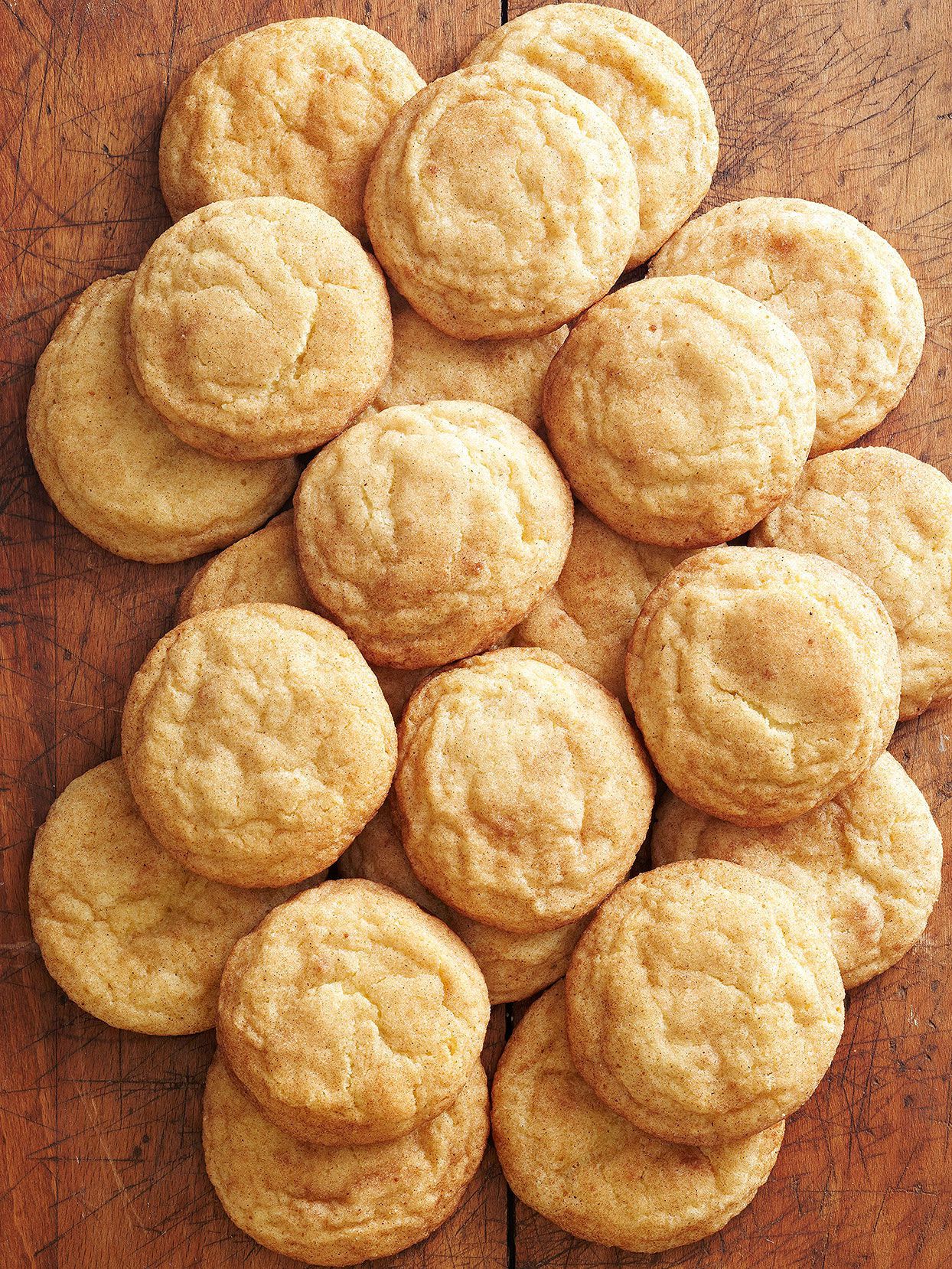
Snickerdoodles are the kind of cookie that never needs to shout. They do not come with dramatic frosting, a lava center, or enough chocolate chips to cause structural concerns. Instead, they win people over the old-fashioned way: with a crackly top, a soft and chewy middle, a generous cinnamon-sugar coat, and just enough tang to make you pause mid-bite and think, “Wait, why is this so good?”
That little pause is the magic of snickerdoodles. They look simple, almost suspiciously simple, like the cookie version of someone saying, “I’m low-maintenance,” while secretly being unforgettable. For generations, these cookies have shown up at bake sales, holiday trays, school events, Sunday dinners, and random Tuesday afternoons when life feels rude and only cinnamon can fix it.
This article takes a deep dive into what snickerdoodles are, what makes them different from regular sugar cookies, why they have such a loyal fan base, and how bakers can get the best possible texture and flavor. We will also look at popular variations, common baking mistakes, storage tips, and the experience of why these cookies feel so personal in real kitchens.
What Are Snickerdoodles?
At their core, snickerdoodles are cinnamon-sugar-coated cookies made from a dough that is usually enriched with butter, sugar, eggs, flour, and the all-important cream of tartar. That last ingredient is the tiny troublemaker that gives the cookie its signature character. Without it, you may still get a pleasant cinnamon cookie. With it, you get the unmistakable tang and chew that make a true snickerdoodle feel like a snickerdoodle instead of a sugar cookie wearing a cinnamon costume.
The typical snickerdoodle has a slightly puffed shape, crisp edges, a tender center, and a lightly cracked surface. The cinnamon-sugar coating caramelizes just enough in the oven to create a delicate crust. It is not a crunchy cookie in the hard, snap-in-half sense. It is more of a soft cookie with attitude.
Even the name adds to the charm. “Snickerdoodle” sounds whimsical, slightly ridiculous, and entirely charming. The exact origin of the name is still debated, which honestly feels appropriate. A cookie with this much personality should have a little mystery built in.
Why Snickerdoodles Are Different From Sugar Cookies
People often lump snickerdoodles together with sugar cookies, and to be fair, they are cousins. But they are not twins, and anyone who has eaten both while standing over a cooling rack knows the difference immediately.
The tang factor
Regular sugar cookies are sweet, buttery, and fairly straightforward. Snickerdoodles have a faint tang that cuts through the sweetness. That subtle tart note keeps them from tasting flat and gives them a more layered flavor. It is the reason one cookie feels pleasant and the other feels weirdly irresistible.
The cinnamon-sugar finish
Snickerdoodles are rolled in cinnamon and sugar before baking, which changes both their appearance and texture. The coating creates a fragrant outer layer that feels cozy and slightly crisp. Sugar cookies, unless decorated or dusted later, usually do not have that built-in spice halo.
The texture profile
Snickerdoodles often land in that perfect middle ground between soft and chewy, with just enough lift to avoid feeling dense. Sugar cookies can range from crisp to sandy to cakey depending on the recipe. Snickerdoodles, on the other hand, have a more recognizable personality: crackled tops, tender centers, and a warm, spiced finish.
The Ingredient Science Behind Great Snickerdoodles
Good snickerdoodles are not accidental. They come from a handful of ingredients doing a very coordinated little dance.
Cream of tartar
This is the ingredient that gives snickerdoodles their signature tang and helps shape their texture. It also works with baking soda to create lift. Beyond flavor, it helps the cookie stay soft and chewy rather than turning into a plain cinnamon sugar cookie with an identity crisis.
Butter, or butter plus shortening
Some bakers prefer all-butter snickerdoodles for richer flavor. Others use a mix of butter and shortening for a puffier cookie with a slightly softer bite. Butter tends to bring better flavor and more browning, while shortening can help the cookies hold a thicker shape. There is no universal law here. It depends on whether you want more flavor, more loft, or the emotional security of having both.
Sugar
Granulated sugar sweetens the dough and helps create that iconic surface crackle. The cinnamon-sugar coating also plays a major role in the final texture, adding a slight exterior crunch that balances the softer center.
Eggs and flour
Eggs add moisture and structure, while flour provides the framework. Too much flour can make the cookies dry and stiff. Too little can make them spread too far and bake up flat. Great snickerdoodles are all about balance. Nobody is asking them to become a pancake.
How to Get the Best Snickerdoodle Texture
If you want bakery-style snickerdoodles at home, texture is everything. Flavor matters, obviously, but texture is what makes people sneak a second one and then pretend they are “just checking if the batch cooled properly.”
Chill the dough
Chilling the dough helps control spread and makes the cookies easier to roll. It also improves texture by allowing the fat to firm up before baking. If your dough is too warm, the cookies can flatten out fast and lose that lovely thick, soft center. A chilled dough gives you a rounder, puffier result and makes you look more competent than you may actually feel.
Roll generously in cinnamon sugar
Do not be shy here. The coating is part of the cookie’s identity, not a decorative afterthought. A generous roll creates a fragrant crust and delivers the classic flavor in the first bite.
Do not overbake
This may be the most important rule of all. Snickerdoodles should come out when the edges are set and the centers still look a little soft. They continue to cook on the baking sheet after leaving the oven. If you wait until they look fully done in the oven, they may cool into a sadder, harder version of themselves.
Let them rest on the baking sheet
A short rest after baking allows the cookies to finish setting without drying out. It is a tiny step, but it makes a noticeable difference in texture.
Common Snickerdoodle Mistakes
Skipping cream of tartar
You can technically make cinnamon-sugar cookies without cream of tartar, and many modern variations do. But if you want the classic flavor and chew, skipping it changes the personality of the cookie. It is like calling karaoke “a recording contract.” Same universe, different results.
Using too much flour
Overmeasured flour can make snickerdoodles heavy and dry. Spoon-and-level measuring usually helps prevent that problem. Dense cookies are not the goal unless you are planning to use them as very sweet hockey pucks.
Warm dough
Warm dough spreads fast. That can erase the thickness and crackly top that many bakers want. If the dough feels overly soft, a quick chill can rescue the batch.
Overmixing
Once the dry ingredients go in, mix only until combined. Overmixing can toughen the dough and make the cookies less tender.
Popular Snickerdoodle Variations Worth Trying
Classic snickerdoodles are wonderful, but the cookie also adapts beautifully. That is one reason it has stayed so relevant in modern baking. It can be nostalgic and flexible at the same time.
Brown butter snickerdoodles
Brown butter adds a deeper, nuttier flavor that makes the cookie feel a little more grown up without losing its comfort-food soul. It is still cozy, just wearing a nicer sweater.
Pumpkin snickerdoodles
These lean into fall with pumpkin puree and warm spices. They often bake up extra soft and slightly cakier, making them ideal for people who believe autumn is a personality trait.
Peanut butter snickerdoodles
Peanut butter brings richness and a gentle savory note that plays surprisingly well with cinnamon sugar. It sounds unusual until you try one and suddenly start respecting the idea a lot more.
Chocolate or caramel versions
Chocolate snickerdoodles add cocoa for a richer, darker cookie, while caramel versions create a gooey surprise in the middle. Both are fun, though the classic version still wins the prize for everyday bakeability.
Bars, cakes, and beyond
Snickerdoodle flavor has expanded far beyond cookies. Bakers now use it in bars, muffins, cakes, cobblers, coffee drinks, and cheesecake-style desserts. That speaks to how recognizable and loved the cinnamon-sugar profile has become.
Why Snickerdoodles Stay Popular
Trendy desserts come and go. One year it is a croissant hybrid that requires emotional preparation. The next year it is a cookie stuffed with three other cookies and perhaps a tax form. Snickerdoodles survive all of it because they understand something timeless: comfort does not need to be flashy.
They are approachable, affordable, and made from pantry staples. They do not ask for fancy decorating skills or specialty equipment. They smell incredible, which is not a minor detail. Half the appeal of baking snickerdoodles is the moment the kitchen starts smelling like cinnamon, sugar, and better decisions.
They also bridge generations beautifully. Grandparents know them. Kids love them. Adults rediscover them and wonder why they ever drifted toward more complicated desserts in the first place. The cookie feels familiar even when it is brand new to someone.
How to Serve, Store, and Freeze Snickerdoodles
Fresh snickerdoodles are excellent slightly warm, when the centers are tender and the coating is fragrant. They also pair beautifully with coffee, tea, milk, hot chocolate, and the kind of quiet afternoon that pretends it is productive but is really just snack-based.
For storage, keep them in an airtight container at room temperature. They generally hold well for several days, and many bakers find they stay enjoyable for around four to five days if sealed properly. If you want to preserve softness, make sure they are fully cool before storing.
Snickerdoodles also freeze well. You can freeze baked cookies for later, or freeze portions of dough and bake them when needed. That makes them ideal for holidays, parties, or private emergencies involving a stressful week and a functioning oven.
Are Snickerdoodles Still Worth Baking Today?
Absolutely. In a world crowded with overcomplicated desserts, snickerdoodles remain proof that simple baking can still be memorable. They deliver flavor, texture, aroma, nostalgia, and flexibility without asking for much in return. A bowl, a baking sheet, and a reasonable respect for cinnamon will take you far.
If you have never baked them before, they are one of the best classic cookies to start with. If you have baked them for years, they are still worth revisiting because the best recipes never really get old. They just keep showing up, smelling amazing, and reminding everyone that the classics became classics for a reason.
Experiences Related to Snickerdoodles
What makes snickerdoodles especially interesting is not just how they taste, but how often they show up in memory. People do not usually talk about them like a trendy dessert they tried once and forgot. They talk about them the way people talk about a favorite song on the radio, a worn cookbook on the shelf, or the smell of a kitchen before guests arrive. Snickerdoodles seem to collect stories without even trying.
For many families, they are the “safe bet” cookie that somehow becomes the most requested cookie. You bake chocolate chip cookies because everyone expects them. You bake snickerdoodles because everyone secretly hopes you will. They are often the first batch to disappear from a holiday tray, maybe because the cinnamon-sugar coating feels festive, or maybe because they are soft enough to eat one quickly and return for a second before anyone starts counting.
They also have a way of turning beginner bakers into confident ones. A lot of people remember making snickerdoodles early in their baking life because the dough is friendly, the shaping is simple, and the results feel rewarding. Rolling dough balls in cinnamon sugar is satisfying in a very immediate way. It is tactile, messy in the best sense, and just fun. There is no pressure to pipe frosting roses or build a decorative masterpiece. You roll, bake, cool, and suddenly the kitchen smells like you know what you are doing.
Snickerdoodles also seem to belong to very specific moments. They are the cookie you bring to a teacher meeting, a church gathering, a school fundraiser, or a neighbor who just moved in. They travel well, they stack easily, and they feel universally welcome. Nobody opens a container of snickerdoodles and says, “Oh no, not these lovable cinnamon pillows again.” That is not a thing.
There is also a seasonal side to the experience. In colder months, snickerdoodles feel almost unfairly cozy. Their aroma fills a kitchen in a way that instantly changes the mood of the room. You can walk into a house where snickerdoodles are baking and immediately assume life is going reasonably well in there. Even if it is not, at least the cookie situation is strong.
At the same time, they are not limited to winter. Snickerdoodles work year-round because their flavor is comforting without being too heavy. They are as welcome at a summer picnic as they are on a December dessert table. That flexibility is part of their appeal. They are never out of place. They do not need a season, a trend cycle, or a social media strategy.
Another common experience with snickerdoodles is the surprise factor. People who have not had one in years often underestimate them. Then they take a bite and remember exactly why the cookie matters. The outside gives a little sweetness and spice, the center stays soft, and that slight tang quietly makes the whole thing more interesting. It is the cookie equivalent of running into an old friend who somehow got even better with time.
In the end, the experience of snickerdoodles is about more than baking. It is about familiarity, ease, warmth, and the small victory of making something simple really well. They are not trying to impress anyone, which is probably why they do. Snickerdoodles do not need drama. They just need a baking sheet, a cinnamon-sugar roll, and a few minutes in the oven to remind people why they have lasted so long.