If your lawn suddenly looks like a tiny subway system, your hostas have vanished like they owed someone money, and the bark around your young trees has been chewed near the soil line, you may be dealing with voles. These small, mouse-like rodents are not evil masterminds, but they can do a surprisingly impressive amount of damage for creatures that look like they should be starring in a children’s book.
Learning how to get rid of voles naturally starts with understanding what they want: cover, food, soft soil, safe runways, and cozy nesting spots. Remove those comforts, protect vulnerable plants, and use non-toxic deterrents consistently, and you can make your yard much less attractive to them. The goal is not to wage war on nature. The goal is to politely but firmly tell the vole population, “This buffet is closed.”
This guide explains how to identify vole damage, why voles show up in lawns and gardens, and how to use eight natural solutions to reduce vole activity without turning your yard into a chemical battlefield.
What Are Voles?
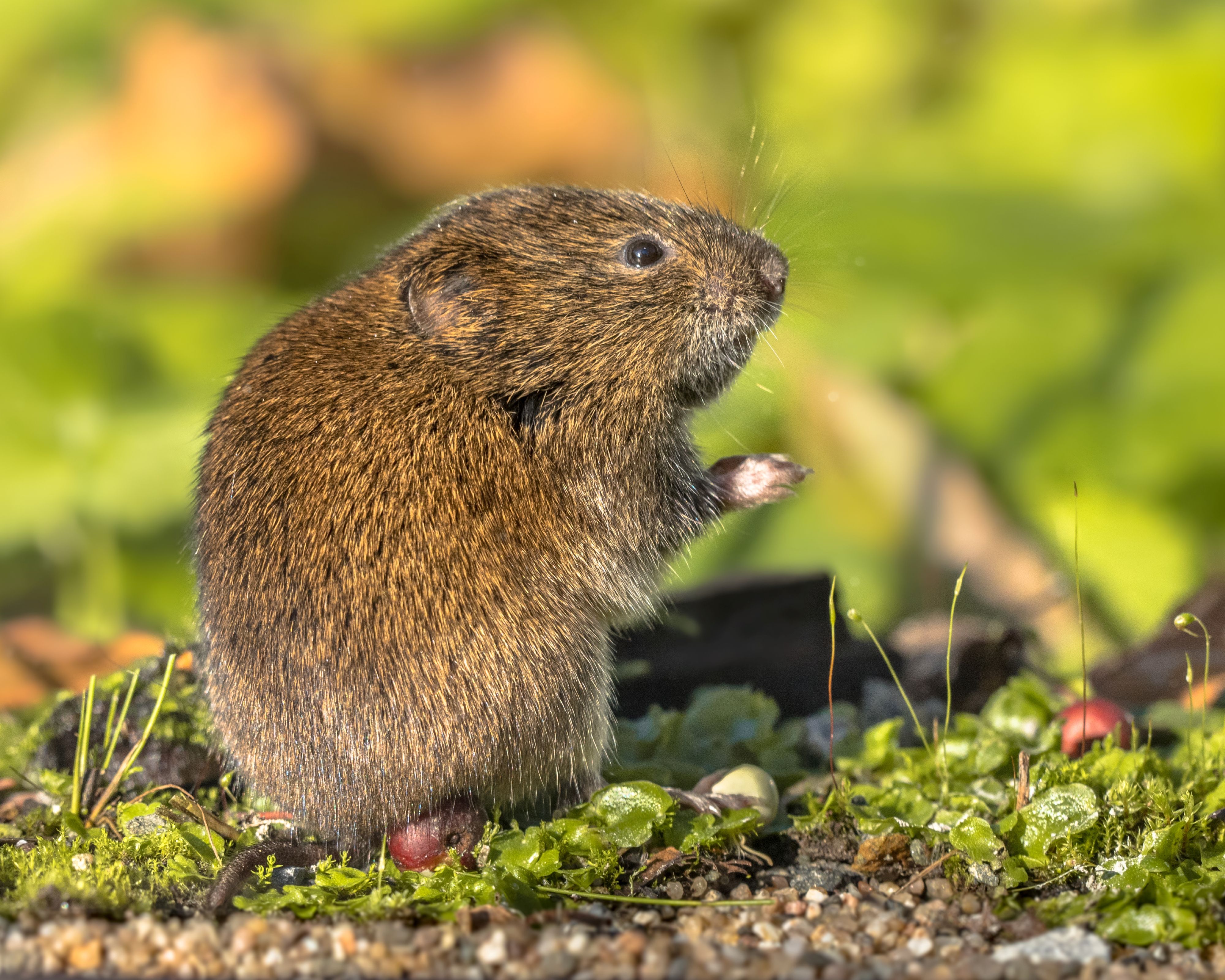
Voles are small, compact rodents often called meadow mice or field mice. They have short tails, small ears, rounded bodies, and a talent for staying mostly out of sight while causing very visible damage. Unlike moles, which primarily eat insects, grubs, and earthworms, voles are plant eaters. They feed on grasses, roots, bulbs, tubers, seeds, bark, and tender stems.
That difference matters. If you blame a mole for missing tulip bulbs, the mole would probably ask for a lawyer. Voles are much more likely to be responsible for eaten roots, gnawed tree bark, and narrow surface trails through turf.
Signs You Have Voles in Your Yard
Voles are active year-round, but many homeowners notice the damage in late winter or early spring when snow melts and exposes a network of surface runways. These trails often look like thin, winding paths pressed into the grass. You may also spot small burrow openings, damaged bulbs, wilted plants, or gnaw marks around the base of trees and shrubs.
Common vole damage includes:
- One- to two-inch-wide runways through grass or garden beds
- Small holes near plant roots, bulbs, or mulch areas
- Chewed bark around young trees or shrubs
- Plants that wilt, lean, or disappear from below
- Damaged hostas, beets, potatoes, carrots, tulips, and other soft-rooted plants
- Dead-looking grass trails after winter snow melts
Before choosing a control method, confirm the pest. Moles make raised tunnels and soil mounds because they dig underground in search of insects. Voles create surface runways and feed directly on plants. In simple terms: moles dig; voles dine.
Why Natural Vole Control Works Best as a System
There is no single magic trick that removes voles forever. A castor oil spray alone will not save a garden if the area still has tall grass, deep mulch, fallen seeds, and unprotected roots. Natural vole control works best when you combine several methods: remove hiding places, block access, protect valuable plants, discourage feeding, and make your landscape feel riskier for rodents.
Think of it as closing a tiny resort. First, cancel the room service. Then remove the landscaping that hides the guests. Finally, add barriers so they cannot sneak back into the VIP vegetable section.
1. Keep Grass Short and Reduce Dense Ground Cover
The first natural solution is also the least glamorous: mow regularly and keep grass from becoming a vole security blanket. Voles prefer dense vegetation because it protects them from predators. Tall grass, thick weeds, overgrown borders, and neglected lawn edges give them safe travel lanes.
Keep lawns at a healthy but controlled height, especially near vegetable gardens, flower beds, orchards, sheds, fences, and stone walls. Trim weeds along property edges and remove heavy ground cover where vole activity is obvious. If you have ornamental grasses, creeping ground covers, or low shrubs, check beneath them for tunnels and runways.
How to apply this solution:
- Mow consistently during the growing season.
- Cut back tall weeds around gardens and tree lines.
- Thin dense plantings where runways appear.
- Keep borders neat before winter, when snow cover can protect voles.
This does not mean your yard needs to look like a golf course maintained by a nervous perfectionist. It simply means reducing the hidden highways voles use to move safely from snack to snack.
2. Remove Debris, Woodpiles, Leaf Litter, and Fallen Food
Voles are not picky about shelter. Woodpiles, boards, brush piles, stacked pots, thick leaf litter, and forgotten garden debris can all create ideal hiding places. Add fallen fruit, spilled birdseed, or leftover vegetable scraps, and you have basically opened a vole café with free parking.
Clean yard sanitation is one of the most effective natural vole management strategies because it removes both cover and food sources. Pay special attention to areas near bird feeders. Seeds that fall to the ground can attract voles and other rodents. If you love feeding birds, use a catch tray, sweep often, and move feeders away from vulnerable garden beds.
Vole-proof cleanup checklist:
- Move firewood off the ground and away from garden beds.
- Remove brush piles and unused boards.
- Rake heavy leaf piles near shrubs and trees.
- Pick up fallen fruit, nuts, and seed heads.
- Keep compost covered and avoid adding fresh garden snacks near problem areas.
This is not just housekeeping. It is habitat modification, which is a fancy way of saying, “Make the yard less cozy for small rodents with ambitious landscaping plans.”
3. Use Smart Mulching Around Trees and Shrubs
Mulch is wonderful for conserving moisture, protecting roots, and making garden beds look finished. Unfortunately, thick mulch piled against tree trunks is also a luxury vole apartment complex. Soft organic mulch, especially straw, leaves, bark, and wood chips, can provide cover while allowing voles to gnaw bark near the soil line.
To reduce vole damage naturally, keep mulch several inches away from tree trunks and shrub stems. Avoid the classic “mulch volcano,” which is bad for trees anyway. Around young trees, use a thinner mulch layer and pull it back before winter. In high-risk areas, consider gravel or coarse mineral mulch near trunks instead of soft wood mulch.
Best practices for vole-resistant mulch:
- Keep mulch at least 6 inches away from young tree trunks.
- Avoid deep mulch layers near known vole runways.
- Pull soft mulch back in fall and winter.
- Use gravel around vulnerable woody plants where appropriate.
Mulch should support plant health, not provide a rodent with a blanket, pantry, and bark buffet.
4. Install Hardware Cloth Barriers Around Garden Beds
If voles keep invading vegetable beds or flower borders, physical barriers are one of the strongest natural solutions. Hardware cloth is a wire mesh that can block burrowing pests when installed correctly. For voles, small mesh is important because these animals are compact and surprisingly determined.
Use quarter-inch hardware cloth around raised beds, vulnerable flower beds, or new planting areas. For new raised beds, line the bottom before filling them with soil. For existing beds, install a perimeter barrier by burying the mesh several inches into the soil and extending it above ground. The barrier should be secure, continuous, and free of gaps.
Where hardware cloth helps most:
- Raised vegetable beds
- Bulb planting zones
- New perennial beds
- Small orchards or berry patches
- High-value ornamental plantings
Yes, installing mesh is more work than sprinkling something from a jar. But unlike many smell-based tricks, a properly installed barrier does not get tired, wash away, or forget its job after a rainstorm.
5. Protect Young Trees with Vole Guards
Young trees are especially vulnerable to vole damage because their bark is tender and easy to chew. During winter, snow can hide vole activity while allowing them to gnaw around trunks. If voles chew all the way around a trunk, a process called girdling, the tree may decline or die because nutrients can no longer move properly through the bark.
Protect young trees with hardware cloth cylinders or light-colored tree guards. The guard should be loose enough to allow trunk growth but secure enough to prevent chewing. It should extend slightly below the soil surface or have soil packed around the base so voles cannot slip underneath. In snowy climates, guards should reach above the expected snow line.
Tree protection tips:
- Use quarter-inch hardware cloth or a sturdy tree guard.
- Bury the bottom edge a few inches or secure it at soil level.
- Keep guards loose enough to avoid choking the trunk.
- Inspect guards each season for damage or tightness.
- Clear mulch and weeds from the base of the tree.
This is one of the best natural vole control methods because it protects the exact part of the plant voles love to damage most.
6. Apply Natural Repellents Strategically
Natural vole repellents can help, but they work best as part of a larger plan. Castor oil-based products, garlic sprays, hot pepper sprays, and predator scent repellents are commonly used to make treated areas smell or taste unpleasant. The idea is not to harm voles but to encourage them to relocate to a less annoying placepreferably somewhere that is not your carrot bed.
Repellents are most useful around garden perimeters, ornamental beds, bulbs, and newly planted areas. However, they need consistent reapplication, especially after heavy rain or irrigation. They may also work better before a vole population becomes large. Once voles are settled into a safe, food-rich habitat, a bad smell alone may not convince them to pack their tiny suitcases.
Natural repellent options include:
- Castor oil-based vole repellents
- Garlic or hot pepper sprays used carefully around plants
- Predator scent products, such as fox or coyote scent
- Commercial natural rodent deterrents labeled for vole control
Always follow label directions, even with natural products. “Natural” does not mean “spray wildly while wearing flip-flops and optimism.” Avoid applying hot pepper sprays on windy days, and do not use homemade mixtures on delicate plants without testing a small area first.
7. Encourage Natural Predators
Voles are an important food source for many predators, including owls, hawks, foxes, snakes, and other wildlife. A yard that supports natural predator activity can help keep vole populations from exploding. You do not need to import a hawk and give it a name. Instead, make your landscape more welcoming to the predators already in your area.
Install owl boxes or kestrel boxes where appropriate, preserve mature trees, avoid unnecessary rodenticides, and maintain some open viewing areas where raptors can hunt. Domestic cats may catch voles, but relying on cats for pest control is not ideal because outdoor cats can also harm songbirds and other wildlife. A better long-term strategy is to support native predators safely and responsibly.
Predator-friendly vole control ideas:
- Add a properly placed owl or kestrel nesting box.
- Leave safe perching spots for raptors.
- Avoid poisons that can harm predators through secondary exposure.
- Keep lawn edges open enough for predators to spot movement.
Predators rarely eliminate every vole, but they help restore balance. Nature has a pest control department. It wears feathers, fur, and sometimes a very judgmental owl face.
8. Use Non-Toxic Trapping as a Last Natural Step
When vole activity is heavy and valuable plants are at risk, non-toxic trapping can reduce numbers without using poison. This method is most appropriate for active runways, small gardens, or specific trouble spots. It should be used carefully, checked frequently, and handled according to local rules.
Mechanical traps and live traps are commonly used for small rodents, but laws and best practices vary by location. If you choose live trapping, understand that relocating wildlife may be restricted in some areas and may not be humane if the animal is moved into unfamiliar habitat. When in doubt, contact a local extension office or licensed wildlife control professional.
For many homeowners, trapping is not the first step. Start with sanitation, mowing, mulch management, barriers, and repellents. Then use trapping only if the damage continues and you can do it responsibly.
How to Repair Vole Damage After Control
Once vole activity drops, repair the visible damage. Many lawn trails recover naturally as surrounding grass grows. For rough areas, rake out dead grass, loosen the soil surface, add compost if needed, and reseed. Keep the repaired area watered until new grass is established.
For damaged trees, inspect the bark near the soil line. If gnawing is minor and does not circle the entire trunk, the tree may recover with proper care. Avoid sealing wounds with paint or tar. Instead, protect the trunk, reduce stress, water during dry periods, and monitor for decline. If girdling is severe, ask a certified arborist whether bridge grafting or replacement is realistic.
What Not to Do When Getting Rid of Voles
Some popular vole remedies sound clever but do little good. Ultrasonic devices often produce mixed results at best. Random home remedies may wash away quickly or fail to reach the areas where voles travel. Mothballs should not be used outdoors for vole control because they are pesticides and using them incorrectly can be unsafe and unlawful.
Poison baits may reduce rodents, but they also create risks for pets, children, and wildlife predators. Since this article focuses on natural vole control, the better approach is to make your yard less attractive, protect plants physically, and use non-toxic deterrents consistently.
Seasonal Vole Control Plan
Spring
Look for runways after snow melts or after winter growth clears. Rake damaged lawn areas, reseed if needed, inspect tree trunks, and install guards around vulnerable woody plants.
Summer
Mow regularly, remove weeds, monitor vegetable beds, and keep mulch pulled back from trunks. If repellents are part of your plan, reapply after rain.
Fall
This is one of the most important seasons for vole prevention. Clean up garden debris, remove fallen fruit, trim tall grass, protect young trees, and reduce soft mulch before winter.
Winter
Check tree guards when possible and avoid piling snow, straw, or leaves against trunks. Snow cover can protect voles, so fall preparation makes a big difference.
Practical Experiences: What Actually Helps When Voles Move In
In real yards, vole control usually becomes urgent after one of three discoveries: the lawn has mysterious trails, a favorite shrub suddenly wobbles because its roots are gone, or a young fruit tree has bark damage near the ground. The first reaction is usually disbelief, followed by a dramatic search for “what ate my plants?” The good news is that the most effective natural fixes are often simple. The bad news is that they require consistency, which is less exciting than buying a miracle spray but far more useful.
One common experience is that homeowners apply a repellent first, then feel frustrated when damage continues. Repellents can help, but they rarely solve the problem alone. A garden bed with deep straw mulch, tall grass along the fence, and spilled birdseed nearby is still attractive to voles even if it smells like garlic, pepper, and regret. The better approach is to clean the area first, reduce cover, and then use repellent as a reinforcement. When the habitat becomes uncomfortable and the food supply becomes less convenient, repellents have a better chance of nudging voles elsewhere.
Another lesson comes from raised beds. Many gardeners build beautiful wooden beds, fill them with rich soil, plant lettuce and carrots, and then discover that voles appreciate fine dining. Lining new beds with hardware cloth before adding soil is one of those “do it once, thank yourself later” tasks. For existing beds, adding a perimeter barrier can still help, although it requires more effort. The key is closing gaps. Voles do not need a grand entrance. A small opening is enough for them to start browsing like tiny underground food critics.
Tree protection is another area where prevention beats repair. A young apple, cherry, maple, or ornamental tree can look perfectly healthy above ground while voles chew at the bark below mulch or snow. Many gardeners learn this lesson after losing a tree that was otherwise doing well. Installing hardware cloth cylinders or tree guards in fall is a small job compared with replacing a tree after winter. Keep the guard loose, check it every year, and keep mulch away from the trunk.
Lawn damage often looks worse than it is. Those brown trails can feel like a disaster in early spring, but many lawns recover after raking, reseeding, and normal growth. The real priority is reducing the conditions that allowed heavy vole activity in the first place. Shorter grass going into winter, fewer leaf piles, cleaner feeder areas, and open borders can noticeably reduce future damage.
The biggest takeaway from hands-on vole control is patience. Natural solutions do not work like flipping a switch. They work like changing the rules of the property. Less cover means more exposure. Barriers mean less access. Clean beds mean fewer snacks. Repellents add discomfort. Predators add pressure. Put together, these steps tell voles that your yard is no longer the easy, all-inclusive resort it used to be.
Conclusion
Getting rid of voles naturally is not about one dramatic trick. It is about stacking practical solutions until your yard becomes less inviting and your plants become harder to reach. Start by confirming the damage, then remove cover, clean up food sources, manage mulch, install hardware cloth barriers, protect young trees, apply natural repellents wisely, encourage predators, and use non-toxic trapping only when needed.
Voles may be persistent, but they are not unbeatable. With a steady natural vole control plan, you can protect your lawn, garden beds, bulbs, shrubs, and young trees without relying on harsh chemicals. Your yard can be beautiful, productive, and far less appealing to small rodents with big appetites.
Note: This publication-ready HTML body is written as original web content and contains no source links, citation placeholders, or unnecessary reference elements.