Note: This article is educational and supportive, not a guilt parade with marching cymbals. If yelling in a home includes threats, humiliation, intimidation, or fear, it may be time to seek help from a pediatrician, therapist, family counselor, or local child-safety resource.
Introduction: When “Use Your Indoor Voice” Leaves the Building
Every parent has had a moment when patience packs a tiny suitcase and leaves without saying goodbye. A child spills juice on the laptop. A sibling argument reaches courtroom-drama levels. Someone asks for the seventeenth snack after refusing dinner. Suddenly, the parent who promised to be calm sounds like a malfunctioning stadium announcer.
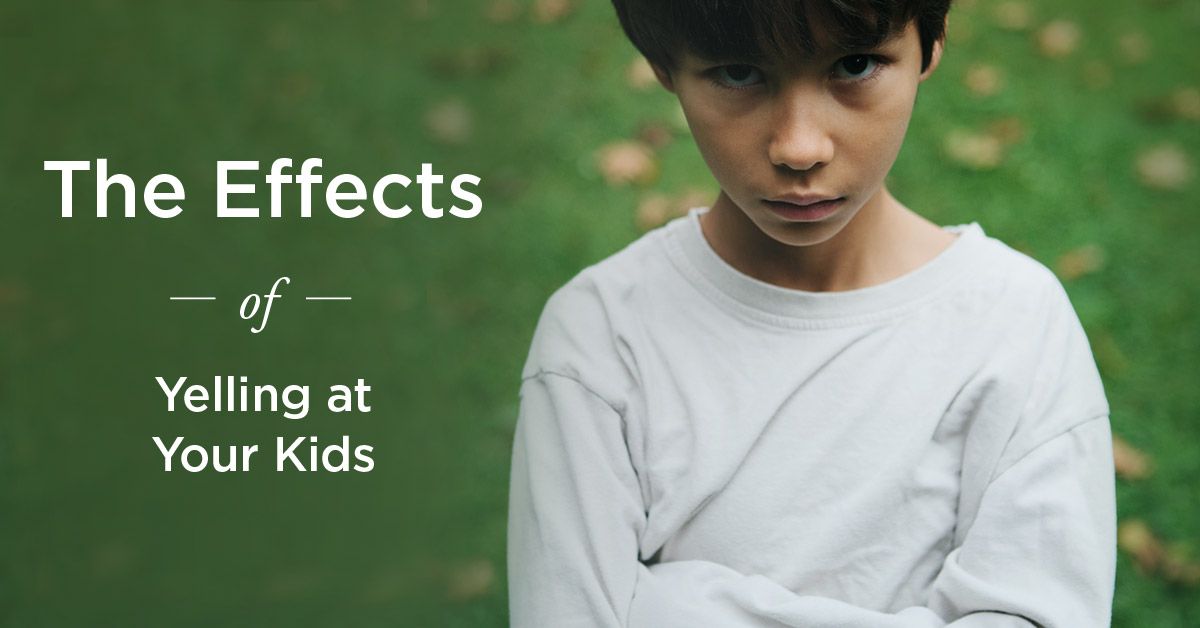
But here is the important question: what are the long-term effects of yelling at kids when it becomes a pattern rather than a rare emergency brake? Research on harsh verbal discipline, emotional abuse, toxic stress, and child development points in a clear direction: frequent yelling can shape how children see themselves, how safe they feel in relationships, how they regulate emotions, and how they respond to stress over time.
This does not mean one bad Tuesday ruins a child forever. Children are not glass ornaments. They are more like growing trees: resilient, flexible, and capable of healing when the environment becomes healthier. The goal is not perfect parenting. The goal is repair, consistency, connection, and better tools than volume control set to “thunderstorm.”
What Counts as Yelling?
Yelling is more than speaking loudly. Parents may need to shout “Stop!” if a child is running toward traffic or touching a hot stove. That kind of urgent voice protects safety. The problem is repeated yelling used as discipline, especially when it includes shaming, name-calling, threats, sarcasm, ridicule, or insults.
A loud correction says, “The behavior needs to stop.” Harsh verbal discipline often sounds like, “Something is wrong with you.” Children can learn from the first message. The second message can sink into their identity like a stain on a white T-shirt at spaghetti night.
Occasional yelling vs. chronic yelling
An occasional raised voice followed by apology and repair is different from a home where children regularly expect explosions. Chronic yelling can make family life feel unpredictable. A child may start watching a parent’s facial expression, footsteps, tone, and mood the way a tiny weather scientist tracks a storm system.
How Yelling Affects a Child’s Brain and Stress System
Children learn best when they feel safe. When yelling feels threatening, the body can shift into fight, flight, freeze, or fawn mode. Heart rate rises. Muscles tighten. Stress hormones increase. The brain becomes busy scanning for danger instead of processing the lesson about shoes, homework, or why peanut butter does not belong in the DVD player.
When harsh verbal discipline happens repeatedly, the stress response may stay activated too often. Over time, this can affect attention, memory, emotional regulation, and decision-making. In simple terms: yelling may get a child to stop for the moment, but it is a poor teacher. Fear can interrupt learning, especially when the “lesson” is delivered at full volume.
Toxic stress and development
Toxic stress occurs when children experience strong, frequent, or prolonged stress without enough supportive adult buffering. A caring adult can help bring a child’s nervous system back to calm. Without that support, children may carry the stress in their bodies and behavior. This is one reason calm, consistent discipline is not “soft.” It is biologically smarter.
Long-Term Emotional Effects of Yelling at Kids
1. Anxiety and hypervigilance
Children who are frequently yelled at may become anxious because they do not know when the next outburst is coming. They may seem overly sensitive, jumpy, withdrawn, or unusually eager to please. Some children become experts at reading the room, not because they are naturally mature, but because staying alert helps them feel safer.
2. Low self-esteem
When children repeatedly hear that they are lazy, dramatic, selfish, stupid, or “too much,” they may begin to believe it. Even when parents later say, “I didn’t mean it,” the child’s brain may file the insult under “Important Information About Me.” Over time, this can damage confidence and self-worth.
3. Shame instead of responsibility
Healthy discipline helps a child think, “I made a mistake, and I can fix it.” Yelling often creates shame: “I am bad.” Shame can make children defensive, sneaky, or discouraged. Responsibility grows best in an environment where mistakes are corrected firmly but respectfully.
4. Depression and emotional withdrawal
Harsh verbal discipline has been associated with depressive symptoms in children and teens. Some children respond by shutting down. Others stop sharing feelings because they expect criticism. A quiet child is not always a peaceful child; sometimes quiet is emotional self-protection wearing pajamas.
Behavioral Effects: Why Yelling Often Backfires
Many parents yell because they want immediate cooperation. And yes, yelling can work briefly. A child may stop, freeze, cry, or obey. But short-term compliance is not the same as long-term learning.
More aggression
Children learn communication by watching adults. If adults solve frustration with volume, children may copy the strategy with siblings, classmates, or future partners. A child may think, “When people do not listen, get louder.” Congratulations, the family has accidentally installed a surround-sound conflict system.
More defiance
Some children respond to yelling by pushing back. They argue, slam doors, roll eyes, or refuse to cooperate. This is especially common as children get older and begin seeking independence. The louder the parent becomes, the more the child may focus on winning the emotional battle rather than understanding the rule.
More lying and hiding
If honesty leads to explosions, children may learn to protect themselves by hiding mistakes. This does not mean they are “bad kids.” It means the cost of telling the truth feels too high. Calm consequences make honesty safer. Yelling makes secrecy more tempting.
Effects on Parent-Child Relationships
A strong parent-child relationship is built on trust, safety, and repair. Frequent yelling can weaken that foundation. Children may still love their parents deeply, but they may also become afraid of them. Love and fear can exist in the same house, but they do not create the same kind of childhood.
When a child expects anger, they may stop coming to the parent with problems. A teenager may hide grades, friendships, online activity, or mental health struggles. A younger child may cling, regress, or act out because connection feels uncertain.
Attachment and emotional safety
Children need adults who can handle big feelings without becoming unsafe themselves. When parents respond with calm limits, children learn, “My feelings are manageable.” When parents respond with repeated yelling, children may learn, “My feelings cause chaos.” That belief can follow them into friendships, school, dating, work, and eventually parenting their own children.
Academic and Cognitive Effects
Yelling at kids can also affect school performance indirectly. Stress can interfere with concentration, memory, sleep, and motivation. A child who is worried about getting yelled at may spend mental energy avoiding mistakes instead of exploring ideas.
For example, a child struggling with math may not ask for help if previous mistakes led to shouting. Instead, they may guess, hide homework, or say, “I don’t care.” Often, “I don’t care” is child-language for “I care so much that failing feels unbearable.”
Executive function
Executive function includes working memory, impulse control, flexible thinking, and planning. These skills develop over time and improve with support. Harsh environments can make self-control harder, not easier. Calm structure, predictable routines, and clear expectations help children practice the very skills parents want them to build.
Can Yelling Become Emotional Abuse?
Yes, yelling can cross into emotional abuse when it is severe, repeated, degrading, threatening, or meant to frighten and control. Emotional abuse may include name-calling, shaming, rejection, intimidation, humiliation, or withholding love. The key issue is not simply decibels. It is the message, pattern, power dynamic, and emotional harm.
A parent saying, “I am frustrated because the rule was broken” is very different from saying, “You ruin everything.” One corrects behavior. The other attacks identity.
Red flags that yelling has become harmful
Yelling deserves serious attention if a child seems afraid of normal mistakes, flinches at raised voices, apologizes excessively, hides problems, has frequent stomachaches or headaches related to stress, becomes aggressive, withdraws, or says they feel worthless. These signs do not prove one cause, but they are signals to slow down, seek support, and change the emotional climate at home.
What to Do Instead of Yelling
1. Pause before responding
A pause is not weakness. It is leadership. Take one slow breath. Put both feet on the floor. Lower your shoulders. If needed, say, “I am too angry to talk well. I’m taking two minutes, then I’ll come back.” This models self-regulation better than any lecture ever could.
2. Get close and get specific
Instead of shouting from another room, walk over, make eye contact, and say exactly what needs to happen: “Shoes on now, please. We leave in five minutes.” Children often ignore distant yelling because it becomes background noise, like a blender with opinions.
3. Use clear limits
Calm does not mean permissive. A clear limit might sound like, “I will not let you hit your brother. You can be angry, and you can stomp your feet, but hitting hurts.” The child gets emotional validation and a firm boundary.
4. Offer choices
Choices reduce power struggles. “Do you want to brush teeth before pajamas or after pajamas?” Either way, teeth get brushed. The child gets some control, and the parent avoids turning bedtime into a tiny constitutional crisis.
5. Praise the behavior you want repeated
Children repeat behavior that gets attention. Notice cooperation: “You came when I called you the first time. That helped us leave on time.” Specific praise teaches children what success looks like.
6. Use consequences calmly
Consequences work best when they are related, respectful, and predictable. If a child throws a toy, the toy takes a break. If a teen misses curfew, the next outing may need an earlier check-in. The parent does not need a dramatic speech. The consequence is the speech.
Repair Matters: What to Do After You Yell
Repair is one of the most powerful parenting tools available. It teaches children that relationships can recover after conflict. A repair conversation might sound like this:
“I yelled earlier. That was scary and not okay. I was frustrated, but it is my job to manage my voice. The rule still matters: homework needs to be done before games. Next time I will take a breath and speak calmly.”
Notice what is not in that apology: no “but you made me.” Children do not cause adult behavior. They may create challenges, noise, and mysterious crumbs in the couch, but adults remain responsible for adult reactions.
Repair does not erase accountability
Parents sometimes worry that apologizing will make them lose authority. Actually, repair strengthens authority because it shows honesty and self-control. A parent can apologize for yelling and still enforce the rule. Warmth and boundaries are teammates, not enemies.
When Parents Need Extra Support
If yelling feels impossible to stop, that is not a moral failure. It may be a sign of overload, depression, anxiety, trauma history, financial stress, sleep deprivation, relationship conflict, or lack of support. Parenting without support is like trying to assemble furniture in the dark while someone asks for applesauce.
Helpful support may include therapy, parenting classes, pediatric guidance, anger-management tools, co-parenting counseling, family therapy, or practical help with childcare and rest. Parents who grew up with yelling may need to learn skills they were never shown. That learning is possible at any age.
Experiences Related to Yelling at Kids: What Families Often Notice
Many parents describe the same cycle. The day begins with good intentions. Everyone will be patient. Everyone will use calm voices. Then breakfast becomes a negotiation, socks feel “wrong,” the backpack is missing, and the clock starts sprinting like it has personal goals. The parent asks nicely. Then firmly. Then louder. Finally, the child cries, the parent feels guilty, and nobody leaves the house feeling proud.
In real family life, yelling often shows up at pressure points: mornings, homework, bedtime, screen-time transitions, sibling fights, and public meltdowns. These moments are not random. They are predictable stress zones. Once parents notice the pattern, they can plan differently. If mornings are explosive, backpacks can be packed at night, breakfast choices can be simplified, and shoes can live in one basket by the door. Is it glamorous? No. But neither is yelling, and at least the shoe basket does not need an apology.
Children also experience yelling differently depending on temperament. One child may yell back immediately. Another may cry. Another may look calm but feel crushed. A sensitive child might remember one harsh sentence for years, replaying it during moments of stress. A strong-willed child may turn yelling into a contest, escalating until everyone forgets the original issue. A quiet child may become “easy” by disappearing emotionally. Parents may mistake silence for obedience, when it is actually distance.
Adults who were yelled at as children often describe lasting echoes. Some become perfectionists, terrified of mistakes. Some avoid conflict because raised voices make their bodies panic. Some become people-pleasers, scanning others for disappointment. Others repeat the yelling pattern with their own kids and then feel devastated afterward. This is why changing the pattern matters so much. A calmer home does not just improve today’s bedtime. It can interrupt a family script that has been passed down for generations like an unwanted heirloom lamp.
One of the most healing experiences for children is seeing a parent change. A parent might say, “I grew up around yelling, and I’m learning a different way.” That sentence can be powerful. It tells the child that the family is not trapped. It also teaches accountability without shame. Children do not need perfect parents; they need parents who keep coming back to connection.
Small changes create momentum. A parent who used to yell five times a day may start by reducing one predictable blowup. Maybe bedtime becomes calmer because the parent creates a routine and stops arguing after lights-out. Maybe homework improves because the parent sits nearby and praises effort instead of criticizing every mistake. Maybe sibling fights become less explosive because the parent separates children first and lectures later, when everyone’s brain has returned from outer space.
The most realistic goal is not “I will never yell again.” That promise often collapses by Tuesday. A better goal is: “I will notice sooner, pause faster, repair better, and practice calmer discipline more often.” Over weeks and months, children notice. They test the new pattern, of course, because children are basically tiny quality-control inspectors. But when calm limits stay consistent, trust begins to grow back.
In the long run, the experience of moving from yelling to respectful discipline can transform the entire emotional tone of a home. Children become more willing to talk. Parents feel less guilty and more capable. Conflicts still happen, because families are made of humans, not decorative throw pillows. But the home becomes less like a courtroom and more like a training ground for emotional strength, responsibility, humor, and repair.
Conclusion: Lower the Volume, Raise the Connection
The long-term effects of yelling at kids can include anxiety, low self-esteem, aggression, emotional withdrawal, damaged trust, and problems with self-regulation. Frequent yelling may also contribute to toxic stress, making it harder for children to learn the very lessons parents are trying to teach.
But the hopeful part is huge: patterns can change. Calm discipline, clear expectations, consistent consequences, emotional validation, and repair after mistakes all help children feel safe enough to learn. A parent’s calm voice can become a child’s inner voice over time. That is not just good discipline. That is a gift with lifetime batteries included.