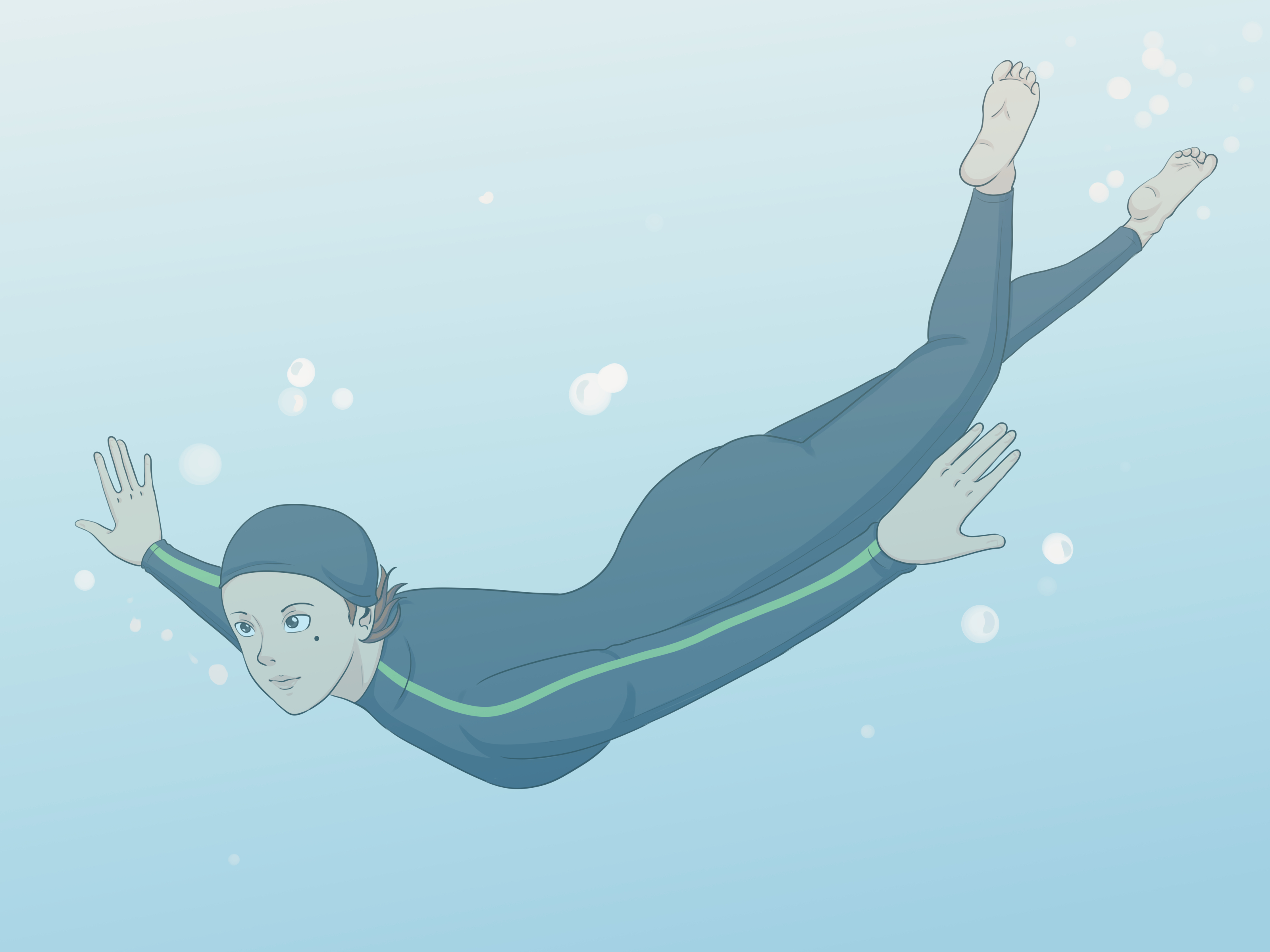
Learning how to swim underwater without holding your nose can feel like unlocking a secret level in the pool. One minute you are pinching your nostrils like your life depends on it, and the next you are gliding under the surface like a calm, chlorinated dolphin. The good news? You do not need magic lungs, Olympic genetics, or a dramatic movie-training montage. You need breath control, relaxed technique, and a little practice in the shallow end.
Many beginners hold their nose underwater because water rushing up the nostrils feels strange, surprising, and honestly a little rude. But once you learn how to exhale, hum, and position your face correctly, swimming underwater becomes much easier. These skills also help with freestyle breathing, floating, diving for pool toys, flip turns, and staying calm when your face is in the water.
This guide explains three practical ways to swim underwater without holding your nose. It also includes safety tips, common mistakes, simple drills, and real-world experience notes so you can practice with confidence instead of panic-splashing like a startled raccoon.
Before You Start: A Quick Water Safety Reminder
Underwater swimming should always be practiced safely. Use a shallow, supervised pool area where you can stand up easily. Swim with a buddy or near a lifeguard, and never practice breath-holding games, underwater distance contests, or hyperventilation before swimming. The goal is not to see how long you can stay underwater. The goal is to learn how to keep water out of your nose while moving calmly and comfortably.
If you feel dizzy, panicky, short of breath, or uncomfortable, stop and stand up. There is no trophy for forcing it. There is only the awkward honor of coughing pool water while pretending everything is fine.
Why Water Goes Up Your Nose Underwater
Water usually enters the nose when you accidentally inhale, leave the nasal passages relaxed and open, or tilt your head in a way that lets water flow directly toward the nostrils. Your nose is connected to your airway, so when your face goes underwater, your body may instinctively try to breathe in. That quick sniff is what creates the “pool water up the nose” feeling.
The solution is to create gentle outward pressure. When air is moving out through your nose, water has a much harder time moving in. Think of it like a tiny invisible shield made of bubbles. Not glamorous, but very effective.
Most swimmers learn to inhale above water and exhale underwater. This rhythm keeps breathing controlled, reduces tension, and prevents the bad habit of holding your breath until you feel desperate for air. When you are underwater, your job is simple: do not inhale. Exhale slowly, hum softly, or maintain light nasal pressure until you come back up.
Way 1: Blow Bubbles Through Your Nose
The most reliable way to swim underwater without holding your nose is to blow bubbles through your nose. This is the foundation skill taught in many swim lessons because it trains your body to do the opposite of sniffing. Instead of pulling water in, you gently push air out.
How to Practice Nose Bubbles
Start in shallow water where you can stand comfortably. Take a normal breath through your mouth, close your lips gently, lower your face into the water, and exhale through your nose. You should see a stream of small bubbles. Lift your face, breathe normally, and repeat.
Do not blast air like you are trying to inflate a parade balloon. A gentle, steady stream works better. If you exhale too hard, you will run out of air quickly and feel rushed. If you exhale too softly, water may sneak in. Aim for a slow bubble trail, like a tiny jacuzzi for your nostrils.
Beginner Drill: The Three-Second Bubble
Try this simple progression:
- Stand in the shallow end and take one relaxed breath through your mouth.
- Put only your mouth and nose underwater.
- Blow bubbles through your nose for three seconds.
- Lift your face and breathe normally.
- Repeat five to ten times.
Once that feels easy, submerge your whole face. Then try dipping your face while bending your knees. Later, practice pushing off the wall and gliding while gently exhaling through your nose.
Why This Works
Blowing bubbles creates outward airflow. Water cannot easily travel into your nose while air is moving out. It also teaches rhythm. Instead of holding your breath underwater and gasping when you come up, you learn to exhale underwater and inhale when your face returns to the air.
This skill is especially helpful for freestyle swimming. Many beginners make the mistake of keeping all their air inside while their face is down, then trying to exhale and inhale during the tiny moment their mouth turns to the side. That is like trying to clean your room and throw a party in the same five seconds. Exhale underwater first, and your next breath becomes much easier.
Way 2: Hum Underwater to Control Your Exhale
If blowing bubbles feels awkward, humming underwater can help. Humming naturally sends air through the nose in a controlled way. It also gives your brain something familiar to focus on, which can reduce the “oh no, my face is in water” reaction.
You do not need to hum a full song. In fact, please do not attempt a dramatic underwater concert. A simple “mmmm” is enough.
How to Use the Humming Method
Take a normal breath through your mouth. Close your lips. Lower your face into the water and gently hum. You should feel vibration in your nose and lips, and you should see bubbles leaving your nostrils. Keep the sound soft and steady. When you need air, lift your face and breathe normally.
The humming method is useful because it prevents you from accidentally inhaling through your nose. It also stops you from freezing your breath. If sound is coming out, air is coming out. If air is coming out, water is less likely to come in.
Beginner Drill: Hum and Bob
Bobbing is one of the best drills for swimmers who are nervous about submerging. Stand in chest-deep water, take a relaxed mouth breath, bend your knees, place your face underwater, and hum through your nose. Then stand back up and inhale. Repeat slowly.
Do not rush the bob. The point is to build comfort. A good rhythm might look like this: breathe in, go down, hum bubbles, come up, breathe in again. After a few rounds, your body starts to understand that going underwater does not mean panic. It means “hum, bubble, return.” Very civilized.
When Humming Helps Most
Humming is especially helpful for people who accidentally sniff water when they submerge. It is also useful when practicing underwater glides, beginner dives, and rolling from front float to back float. Because humming creates a steady nasal exhale, it helps you maintain control while your head changes position.
If you are teaching a child or a nervous beginner, humming can feel less technical than saying, “Control your nasal exhalation.” Nobody at the pool wants a lecture that sounds like a medical textbook. “Hum like a bee underwater” is easier to remember and much more fun.
Way 3: Use Better Head Position and Relaxed Body Control
Breathing technique matters, but head position matters too. Even if you exhale correctly, poor alignment can make water rush toward your nose. The goal is to keep your face relaxed, your head neutral, and your movement smooth.
When you swim underwater, avoid lifting your chin too high or tucking it too sharply. A neutral head position keeps your body streamlined and reduces the chance of water shooting directly into your nostrils. Your eyes should generally look slightly forward and down, depending on the skill you are practicing.
Practice a Relaxed Underwater Glide
Stand in shallow water with your back against the wall. Take a normal breath. Place your face in the water, gently exhale through your nose, and push off into a short glide. Keep your arms extended in front of you and your body long. Glide only a short distance, then stand up.
This drill teaches two important things: your nose does not need your hand to protect it, and your body moves better when your head is calm. Many swimmers tense their neck, lift their face, or scrunch their nose. That tension makes swimming feel harder. Relaxation is not just “nice to have.” It is a real technique.
Use Your Mouth for Inhaling and Your Nose for Exhaling
A simple breathing pattern works well for most swimmers: inhale through your mouth above water, then exhale through your nose or through both your nose and mouth underwater. The key is that inhaling happens only when your mouth is out of the water. Underwater, air should be going out, not in.
Some swimmers prefer exhaling through both the nose and mouth, especially during longer swims. That can work too. But if your main problem is water going up your nose, nasal exhalation deserves special attention because it directly protects the nostrils.
Try the “Soft Face” Check
Before going underwater, check your face. Are your eyebrows trying to climb into your hairline? Are your lips squeezed shut like you just tasted a lemon? Is your neck stiff? Relax. A tense face often leads to jerky movement and messy breathing.
A soft face, steady exhale, and neutral head position make underwater swimming feel smoother. You may still get a little water in your nose while learning, but it should happen less often as your timing improves.
Common Mistakes That Make Water Go Up Your Nose
Mistake 1: Holding Your Breath Too Long
Holding your breath underwater may seem logical, but it often backfires. Beginners who hold their breath tend to become tense. Then, when they finally surface, they gasp. Instead, practice a slow underwater exhale. This gives your breathing a rhythm and makes the next inhale easier.
Mistake 2: Inhaling Too Soon
Do not begin inhaling until your mouth is clearly above the surface. This sounds obvious, but many beginners try to breathe the instant they start lifting their head. Wait that extra tiny moment. Your lungs will appreciate the patience.
Mistake 3: Blowing All Your Air Out at Once
If you explode all your air through your nose immediately, you may feel like you need to come up right away. Use a steady stream instead. Imagine slowly fogging a mirror, but through your nose and underwater.
Mistake 4: Practicing in Deep Water Too Soon
Deep water adds pressure, fear, and unnecessary drama. Learn nose control where you can stand. Once the skill feels automatic, gradually practice in slightly deeper water with supervision.
Mistake 5: Turning Practice Into a Breath-Holding Contest
This is not a contest. Avoid underwater challenges, repeated breath-holding, or pushing through discomfort. Swimming well is about control, not proving you can stay underwater the longest.
Simple Practice Plan for Beginners
Use this short routine two or three times during a swim session. Keep it relaxed and stop before you feel tired.
Step 1: Face Dips
Dip your mouth and nose underwater while blowing bubbles. Do five slow repetitions.
Step 2: Full Face Bubbles
Put your whole face in the water and exhale through your nose for three seconds. Repeat five times.
Step 3: Hum Bobs
Submerge, hum through your nose, stand back up, and breathe. Repeat five to eight times.
Step 4: Wall Glides
Push off gently from the wall while exhaling through your nose. Glide a short distance, then stand. Repeat three to five times.
Step 5: Add Easy Kicks
Once gliding feels comfortable, add a few gentle flutter kicks. Keep your head neutral and continue your slow nasal exhale.
This plan may look simple, but simple is powerful. Repetition teaches your body that underwater swimming does not require nose pinching. It requires timing.
Should You Use a Nose Clip?
A nose clip can be useful for some swimmers, especially synchronized swimmers, beginners with strong nasal sensitivity, or people practicing skills where water pressure changes quickly. However, if your goal is to swim underwater without holding your nose, it is still worth learning breath control. A nose clip can help temporarily, but it should not replace the basic skill of exhaling underwater.
Think of a nose clip like training wheels. Helpful? Sure. Permanent? Not always necessary. The more comfortable you become with bubbles, humming, and head position, the less you will rely on extra gear.
How Long Does It Take to Learn?
Some swimmers learn in one pool session. Others need several weeks of short, consistent practice. Both are normal. Comfort in the water depends on experience, confidence, body awareness, and how strongly your nose reacts to water.
The fastest progress usually comes from calm repetition. Practice for a few minutes, take breaks, and end on a successful attempt. Your brain remembers the final feeling of practice. Make that final feeling calm, not chaotic.
Extra Experience Notes: What It Feels Like to Finally Stop Holding Your Nose
The first time many swimmers try to go underwater without pinching their nose, they expect disaster. They imagine water shooting straight into their brain, which, thankfully, is not how noses work. The real experience is usually less dramatic: a little sting, a surprised blink, maybe one cough, and then the realization that technique can fix most of the problem.
One common experience is the “too much air” phase. Beginners often blow bubbles so hard that they run out of air almost immediately. They go underwater, blast bubbles like a tiny submarine emergency, pop back up, and say, “I can’t do it.” Actually, they can do it. They just need to exhale more slowly. Once they learn to release air gently, the whole skill becomes easier.
Another familiar stage is the “accidental sniff.” This happens when a swimmer lowers the face, feels water touch the nostrils, and instinctively inhales through the nose. The fix is to start the exhale before the nose fully submerges. Begin blowing bubbles as your face enters the water, not after you are already underwater and nervous. That early exhale tells your body, “We are not sniffing today.”
Many swimmers also notice that goggles help. Goggles do not stop water from entering the nose, but they make the face feel more protected. When your eyes are comfortable, your whole face relaxes. A relaxed face makes it easier to control the nose. Without goggles, beginners often squeeze their eyes shut, wrinkle their forehead, and tense their cheeks. That tension spreads everywhere, including the breath.
Pool environment matters too. A quiet shallow lane is better than a crowded pool full of splashing, cannonballs, and one kid who seems personally committed to creating waves. Practicing in calm water helps you feel small changes in your exhale and head position. Once you become confident, splashes bother you less.
A useful real-world trick is to practice during normal swimming, not only during drills. For example, when pushing off the wall, gently hum for the first second of the glide. When reaching for a toy on the pool floor, blow bubbles before your face goes under. When floating on your front, exhale slowly instead of locking your breath. These tiny moments build automatic control.
The best part is that progress often arrives suddenly. You may practice for several sessions and feel only slightly better. Then one day, your face goes underwater, bubbles come out, no water goes up your nose, and you think, “Wait, that was easy.” That moment is not luck. It is your body finally connecting the pattern: inhale above water, exhale below water, stay relaxed, repeat.
Once you learn this skill, swimming becomes more enjoyable. You can glide underwater, dive down briefly, swim freestyle more smoothly, and stop using one hand as a permanent nose clamp. That means better balance, better movement, and fewer awkward one-handed underwater missions. Your nose is not the enemy. It just needed training.
Conclusion
Swimming underwater without holding your nose is not about bravery. It is about technique. The three best methods are blowing bubbles through your nose, humming underwater, and improving your head position with relaxed body control. Together, these skills create gentle outward airflow, reduce panic, and help you move through the water smoothly.
Start in shallow water, practice slowly, and focus on comfort before distance. Do not turn underwater swimming into a breath-holding challenge. With patience and repetition, you can stop pinching your nose and start enjoying the underwater part of swimming with much more confidence.