Some people had a “year of the espresso machine.” Others discovered robot vacuums, smart lamps, or kitchen gadgets with more buttons than a spacecraft. Me? I found happiness in a bath mat. Yes, a bath matthe quiet rectangle that lives outside the shower and asks for nothing except wet feet and occasional respect.
But not all bath mats are created equal. Some are fluffy little swamps. Some slide around like they are training for the Winter Olympics. Some look luxurious for three days and then develop the personality of a damp gym sock. After years of tolerating soggy fabric mats, I finally upgraded to a quick-drying, non-slip bath matand it became my most surprisingly useful purchase of 2025.
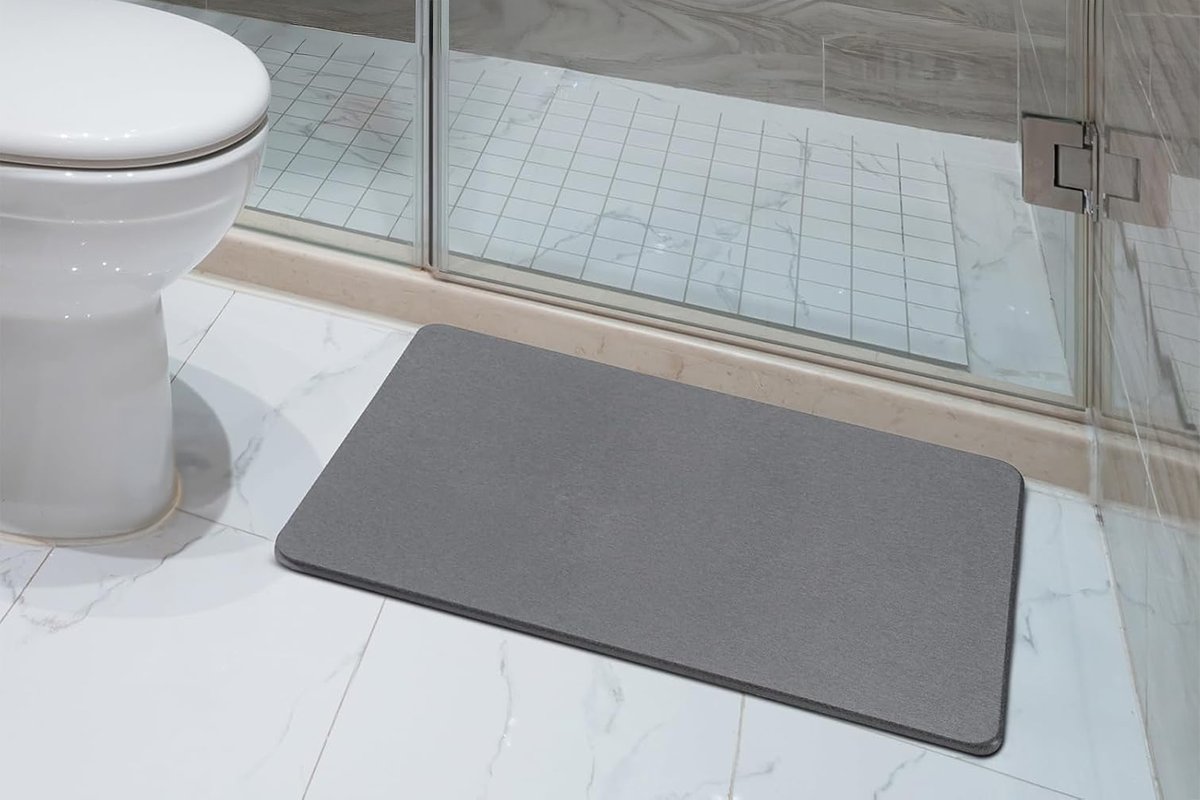
The specific type that won me over is a fast-drying bath mat with a stable backing and a surface that does not stay wet for hours. Stone-style mats made with diatomaceous earth, low-pile microfiber mats, and high-quality cotton mats with grippy backing all solve the same everyday problem: keeping the bathroom floor dry, safer, cleaner, and less annoying. That may not sound thrilling, but neither does “good windshield wipers” until you drive through a storm.
The Tiny Bathroom Upgrade That Solves a Surprisingly Big Problem
A bath mat has one job: catch water before your floor becomes a slip-and-slide. Unfortunately, many traditional mats fail at the second, secret job: drying quickly enough that they do not become musty, slippery, or gross.
The bathroom is a moisture factory. Showers create steam. Towels drip. Floors get splashed. If a bath mat absorbs water but cannot release it quickly, it can stay damp long after you leave the room. That dampness can lead to odors, mildew concerns, and a floor that never feels fully clean. In other words, your bath mat can turn into a tiny wetland with better branding.
That is why my favorite purchase of 2025 was not the plushest mat or the prettiest one. It was the most practical one: a bath mat that dries quickly, grips the floor, looks neat, and does not require me to babysit it like a houseplant with emotional needs.
Why Quick-Drying Bath Mats Are Having a Moment
Quick-drying bath mats have become popular because they match how people actually live. Most homes do not have hotel-sized bathrooms with perfect ventilation and a laundry team hiding behind the linen closet. Real bathrooms are small, humid, shared by families, and frequently used in a hurry.
A quick-drying bath mat helps in three big ways. First, it keeps water from pooling on tile or vinyl flooring. Second, it reduces the “wet socks at 11 p.m.” tragedy. Third, it makes the bathroom feel fresher because the mat is not sitting there damp for half the day.
Stone bath mats, especially those made with diatomaceous earth, are popular because they feel firm, minimal, and spa-like. Water disappears from the surface quickly, and the mat does not need to be tossed into the laundry every few days like a thick shag rug. Microfiber bath mats, meanwhile, remain popular for softness and affordability. Cotton mats are still a classic choice because they are breathable, absorbent, and easy to wash when made well.
The best bath mat for most people is not necessarily the most expensive one. It is the one that balances absorbency, dry time, grip, comfort, size, and care. That is the magic formulaand once you experience it, it is hard to go back to a floppy rectangle of regret.
What Makes a Bath Mat Worth Buying in 2025?
1. It Dries Fast
Fast drying is the feature that changed everything for me. A bath mat that dries quickly keeps the floor more pleasant and helps prevent that stale bathroom smell. If your current mat still feels damp hours after your shower, it may be time for an upgrade.
Stone mats are excellent for fast drying, but they feel different underfoot. They are firm rather than cushioned. Microfiber and low-pile cotton mats feel softer, but they need regular washing and good airflow. Thick chenille and memory foam mats can feel luxurious, but they may hold moisture longer depending on construction and bathroom ventilation.
2. It Stays Put
A beautiful bath mat that slides across the floor is not a bath mat. It is a trap wearing home-decor clothing. Non-slip backing matters, especially on tile, laminate, and polished stone floors.
Look for rubberized backing, latex backing, silicone grip dots, or a separate rug pad if the mat itself does not have traction. The goal is simple: when your foot lands on the mat, the mat should not begin a solo journey toward the sink.
3. It Is Easy to Clean
A bath mat lives in a tough neighborhood. It meets water, soap residue, body oils, hair products, dust, and bare feet. If cleaning it feels like a complicated ritual, you probably will not do it often enough.
Machine-washable cotton and microfiber mats are convenient, but always check the care label. Some memory foam mats require gentler treatment to protect the foam and backing. Stone mats are usually wiped or rinsed rather than laundered, which can be a major advantage for people who hate laundry but enjoy clean floors.
4. It Fits the Space
Size matters. A mat that is too small leaves splash zones exposed. A mat that is too large can bunch up against cabinets, toilets, or doors. For a standard tub or shower, a common size like 20 by 30 inches works well. Larger walk-in showers may need a longer mat. Small powder rooms may need something narrow and low-profile.
Before buying, measure the open floor space outside your shower or tub. Also check door clearance. A thick bath rug that blocks the door is not cozy; it is an engineering problem.
5. It Looks Calm, Not Chaotic
The best bath mat quietly improves the bathroom. Neutral colors, subtle texture, and a clean silhouette can make even a basic rental bathroom feel more intentional. White, gray, beige, stone, taupe, and soft sage are safe choices because they pair well with towels, shower curtains, and tile.
That said, if your bathroom needs personality, a patterned bath mat can do wonders. Just make sure the design is not hiding poor performance. A mat can be cute and still dry like a sandwich left in a rainstorm.
Stone vs. Cotton vs. Microfiber vs. Memory Foam: Which Bath Mat Is Best?
Stone Bath Mats
Stone bath mats are usually made with diatomaceous earth or a similar absorbent mineral-based material. They feel firm, dry quickly, and often have a clean, modern look. They are ideal for people who dislike wet fabric mats or want a low-maintenance option.
The downside? They are not plush. If you want your feet to sink into softness, stone will not give you that spa-slipper feeling. It feels more like stepping onto a smooth, dry tile with superpowers.
Cotton Bath Mats
Cotton bath mats are breathable, absorbent, and familiar. They are often easier to wash than foam-backed mats and can look polished when paired with matching towels. A good cotton mat is especially nice for people who want softness without synthetic pile.
The downside is that cotton can stay damp if it is too thick or if your bathroom has poor ventilation. Choose a washable, well-constructed cotton mat and hang it up between showers when possible.
Microfiber Bath Mats
Microfiber mats are soft, absorbent, and usually budget-friendly. They are a strong choice for families, renters, guest bathrooms, and anyone who wants comfort without spending much.
The downside is that some microfiber mats flatten over time or trap lint and hair. Look for dense, low-pile microfiber if you want faster drying and easier maintenance.
Memory Foam Bath Mats
Memory foam bath mats feel wonderful underfoot. If your bathroom routine includes standing at the sink for skincare, shaving, or pretending you will floss tonight, the cushioning can be genuinely comfortable.
The trade-off is care. Foam can break down if washed too aggressively, and some foam mats hold moisture longer than thinner options. They are best for comfort-focused bathrooms with decent airflow.
Safety: The Unsexy Reason a Good Bath Mat Matters
Bathroom safety is not glamorous, but neither is falling while holding a towel. Wet floors are a common hazard, and a good non-slip bath mat can help create a more stable landing zone outside the shower or tub.
This is especially important for households with kids, older adults, pets, or anyone with mobility concerns. A bath mat is not a substitute for grab bars, proper lighting, or other bathroom safety upgrades, but it is part of a smarter setup. The goal is to reduce unnecessary risk in a room where water and hard surfaces are always hanging out together like suspicious coworkers.
When choosing a safety-minded bath mat, prioritize grip over fluff. A super-soft mat that skids is not safer than bare tile. Check the backing regularly, too. If it cracks, peels, curls, or loses traction, replace the mat.
How to Keep a Bath Mat Fresh Longer
A bath mat works best when you treat it like a hardworking household item, not a permanent floor decoration. After showering, let it air out. If possible, hang fabric mats over the tub edge, shower rod, or towel bar. Good airflow helps reduce lingering moisture.
Wash fabric bath mats regularly according to the care label. Weekly washing is a smart routine for busy bathrooms, especially if the mat is used by multiple people. Use the right amount of detergent; too much can leave residue that makes fibers stiff or smelly. Avoid overloading the washer, because a heavy wet mat needs room to move and rinse properly.
For stone bath mats, wipe the surface, rinse as directed, and let it dry fully. Some stone mats include a sanding tool to refresh the surface if absorption slows over time. Keep the underside clean as well, especially if the mat has rubber feet or a separate anti-slip pad.
Also, do the sniff test. It is not scientific, but it is honest. If your bath mat smells like a basement with ambitions, clean it or replace it.
Why This Bath Mat Beat Every Other Purchase I Made
I bought more exciting things in 2025. I bought things with chargers, warranties, apps, and instruction manuals that sounded like they were translated by a tired robot. But the bath mat won because I used it every single day and noticed the difference every single day.
That is the secret of a great home purchase. It does not need to be dramatic. It needs to remove friction from ordinary life. My quick-drying bath mat made the bathroom feel cleaner. It kept the floor dry. It stayed in place. It looked neat. It did not smell weird. It did not ask me to download firmware updates.
It also made my bathroom feel more grown-up. Not fancy, exactlyjust handled. Like someone responsible lived there. Someone who owns matching hand towels and maybe understands tax forms. I am not saying the bath mat fixed my life, but it did make the first five minutes after every shower noticeably better.
Who Should Buy a Quick-Drying Non-Slip Bath Mat?
A quick-drying, non-slip bath mat is a smart buy if your bathroom floor gets wet often, your current mat smells musty, or you are tired of washing bulky rugs. It is also great for small bathrooms, humid climates, shared family bathrooms, guest baths, and apartments where ventilation is not exactly “luxury spa.”
Choose a stone bath mat if you want the fastest drying and easiest wipe-clean care. Choose cotton if you want natural softness and washability. Choose microfiber if you want plush comfort on a budget. Choose memory foam if cushioning is your top priority.
Whatever you choose, do not ignore backing, size, and maintenance. Those three details separate a genuinely useful bath mat from a decorative sponge with delusions of grandeur.
Personal Experience: Why This Humble Bath Mat Became My Favorite 2025 Upgrade
The first morning I used my new bath mat, I expected almost nothing. That is probably why it impressed me so much. I stepped out of the shower, planted both feet on the mat, and waited for the usual sensation: squish, chill, mild disappointment. Instead, the surface felt stable and clean. The water disappeared quickly, and the floor around it stayed dry. It was not a fireworks moment. It was better. It was a quiet little “oh, this works.”
By the end of the first week, I noticed how often my old bath mat had annoyed me. I used to nudge it back into place with my foot because it wandered across the tile. I used to avoid stepping on it later in the day because it still felt damp. I used to throw it in the laundry with the enthusiasm of a person carrying a wet raccoon. The new mat removed all of that.
The biggest change was the smellor rather, the lack of one. Bathrooms can develop a musty odor even when they look clean, and the culprit is often moisture hiding in fabric, corners, or poor ventilation. Once I replaced the old mat, the bathroom felt fresher between cleanings. I still cleaned the room regularly, of course, but the mat was no longer working against me like a tiny humid villain.
It also changed my evening routine. After a late shower, the last thing I want is to step onto a wet rug left behind by an earlier shower. With the quick-drying mat, the floor area stayed comfortable. No damp socks. No cold surprise. No silent resentment toward the person who showered before me. Peace in the household was preserved by a rectangle.
Guests noticed it too. Not in a dramatic waynobody entered the bathroom and shouted, “Behold, the bath mat of destiny!” But a few people asked what kind it was because it looked clean and modern. That is the sweet spot for bathroom decor: useful enough to matter, subtle enough not to demand a conversation.
After months of use, I realized the real value was not just dry feet. It was less maintenance, less mess, and less low-level irritation. A great bath mat does not transform your home like a renovation, but it improves a tiny daily moment. And tiny daily moments add up. In 2025, I learned that the best purchase is sometimes not the flashiest one. Sometimes it is the thing that quietly does its job, every morning, without drama.
Conclusion: The Best Purchase Is the One You Use Every Day
A bath mat may not sound like a life-changing purchase, but the right one can absolutely improve your bathroom routine. A quick-drying, non-slip bath mat helps keep floors drier, reduces musty odors, improves comfort, and makes the bathroom feel cleaner with almost no effort. That is why this humble bath mat became my #1 purchase of 2025.
When shopping, focus on performance before prettiness: fast drying, secure grip, easy cleaning, good size, and durable materials. Whether you choose stone, cotton, microfiber, or memory foam, the best bath mat is the one that makes your bathroom safer, fresher, and easier to live with.
It is not glamorous. It will not impress people at dinner parties. But every time you step out of the shower onto a dry, stable, fresh-feeling surface, you will understand. Sometimes luxury is not a marble tub or a rainfall showerhead. Sometimes luxury is simply not stepping into a cold puddle before coffee.