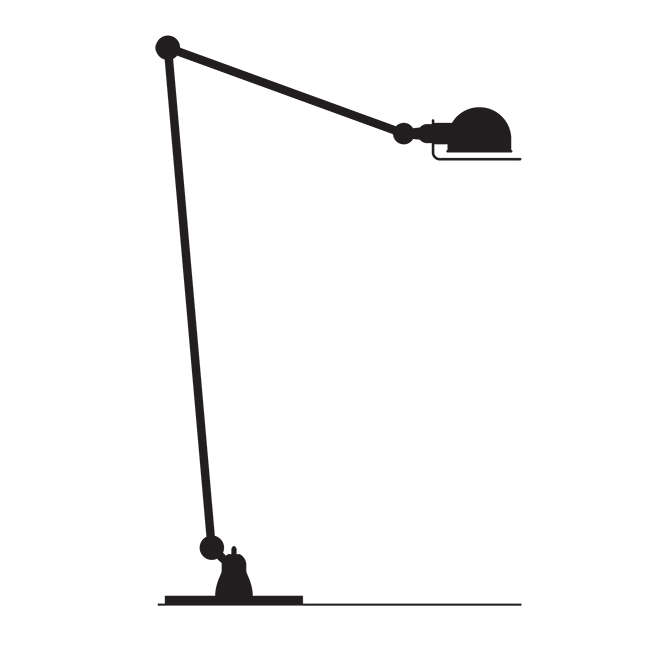
A loft floor lamp is the kind of home accessory that walks into a room, clears its throat, and politely announces, “Yes, I do have personality.” In a loft-style spacethink open floor plans, tall ceilings, exposed brick, concrete, metal beams, oversized windows, and enough echo to make your dog sound like a podcast hostlighting is not just decoration. It is architecture, mood control, and visual organization all rolled into one tall, glowing object.
The right loft floor lamp can soften a hard industrial room, brighten a reading corner, frame a sofa, or make an empty corner look intentional instead of forgotten. It can also rescue renters who cannot install ceiling fixtures, homeowners who hate harsh overhead lights, and anyone whose living room currently feels like a stylish warehouse after sunset. A good lamp does not merely illuminate; it edits the room.
What Is a Loft Floor Lamp?
A loft floor lamp is a freestanding lamp chosen to suit the scale, openness, and character of a loft-inspired interior. It often features industrial, modern, minimalist, or mid-century elements: metal frames, exposed bulbs, matte black finishes, brass accents, arched arms, tripod legs, oversized shades, or sculptural silhouettes. However, “loft” does not mean “must look like it was rescued from an old factory by a man named Gus.” Today’s loft lighting can be sleek, warm, elegant, rustic, or surprisingly cozy.
The most important difference between a regular floor lamp and a loft floor lamp is not the label on the box. It is how well the lamp handles space. Lofts usually have fewer walls, higher ceilings, larger furniture pieces, and bigger visual gaps. A tiny lamp may disappear like a spoon in a swimming pool. A well-scaled loft floor lamp brings height, structure, and balance.
Why Loft Spaces Need Floor Lamps
Loft interiors are beautiful, but they can be tricky to light. Open layouts often require more than one light source because a single ceiling fixture rarely reaches every zone evenly. Floor lamps solve this problem without rewiring, drilling, or having a dramatic conversation with your landlord.
They Create Zones in Open Rooms
In a traditional home, walls tell you where the living room ends and the dining room begins. In a loft, the sofa, rug, bookshelf, and lighting do the job. A floor lamp beside a lounge chair instantly creates a reading nook. An arc lamp over a sectional defines the conversation area. A slim industrial lamp near a desk makes the workspace feel separate without building a wall.
They Add Warmth to Hard Materials
Concrete floors, steel staircases, brick walls, and ductwork look incredible during the day. At night, without the right lighting, they can feel cold. A loft floor lamp with a warm bulb, fabric shade, or diffused globe softens those edges. It gives the room a lived-in glow instead of “abandoned loading dock, but make it expensive.”
They Are Flexible
Floor lamps are easy to move, which is a gift in a loft where furniture layouts change often. Hosting friends? Move the lamp closer to the seating area. Working late? Aim task lighting at the desk. Rearranging the room again because you saw one inspiring photo online? The lamp is ready for its next career.
Popular Types of Loft Floor Lamps
Industrial Floor Lamps
Industrial floor lamps are the classic loft choice. They usually feature metal construction, exposed bulbs, cage shades, pulley details, or dark finishes. These lamps pair naturally with brick, leather, reclaimed wood, and concrete. Choose one with a dimmer if you love the look of exposed bulbs but do not want your living room to feel like an interrogation scene.
Arc Floor Lamps
An arc floor lamp has a curved arm that reaches over a sofa, table, or reading chair. It is perfect when you want overhead-style lighting without ceiling installation. In a loft, an arc lamp also adds drama and movement. The key is proportion: the shade should land over the area you want to light, while the base should stay out of the walking path.
Tripod Floor Lamps
Tripod floor lamps bring a studio-inspired look that works beautifully in open spaces. Their three-legged design adds structure and a hint of photography-set charm. They look especially good next to low-profile sofas, mid-century chairs, and large wall art. Just make sure the footprint fits your room; tripod legs can take up more space than a simple pole lamp.
Torchiere Floor Lamps
A torchiere lamp sends light upward, bouncing it off the ceiling for ambient illumination. This can be helpful in a loft with dark corners or limited overhead lighting. If your ceiling is very high, choose a bright LED-compatible model and place it near walls or corners where the reflected light has surfaces to work with.
Pharmacy and Reading Lamps
Pharmacy lamps have adjustable arms and focused shades, making them excellent for reading, crafting, or working. Their clean profile fits modern lofts, while brass or bronze finishes add vintage character. They are not always designed to light a whole room, but they are brilliant at lighting exactly one book, laptop, or crossword puzzle you swear you are not cheating on.
Tree Floor Lamps
Tree lamps have multiple arms or heads, allowing light to spread in different directions. In loft interiors, they can serve several purposes at once: one light toward the sofa, one toward the wall, and one toward the desk. They are especially useful in apartments where one lamp must multitask harder than a coffee maker during finals week.
How to Choose the Best Loft Floor Lamp
Start With the Purpose
Before buying a loft floor lamp, decide what job it needs to do. For reading, choose adjustable task lighting with focused output. For atmosphere, pick a lamp with a fabric shade, frosted glass, or dimmable LED bulb. For general room brightness, consider a torchiere, multi-head lamp, or tall lamp with a wide shade. For pure style, choose a sculptural lampbut make sure it still produces useful light. A gorgeous lamp that barely glows is basically furniture with a secret.
Match the Scale of the Room
Scale matters more in loft spaces than in smaller rooms. High ceilings and open layouts can swallow small fixtures. A lamp between roughly 60 and 72 inches tall often works well in living areas, but the right height depends on your furniture and ceiling height. Beside a sofa, the shade should usually sit around seated eye level or slightly above it. For arc lamps, check both the total height and the reach of the arm.
Think About Lumens, Not Just Watts
Modern lighting is best judged by lumens, which measure brightness. Watts measure energy use, not light output. For a cozy reading corner, a bulb around 800 lumens may be comfortable. For broader room lighting, you may need multiple light sources that collectively provide more brightness. In a large loft, one lamp rarely does the entire job unless it is very bright and placed strategically.
Choose the Right Color Temperature
Color temperature affects how the room feels. Warm white light around 2700K creates a relaxed, cozy mood. A slightly brighter neutral white around 3000K can work well in living rooms and studios. Cooler light may be useful for task-heavy spaces, but in a loft living area, too much cool white can make the room feel like a checkout lane. Warm and dimmable usually wins for comfort.
Look for Dimming Options
A dimmable loft floor lamp is worth considering because loft spaces change throughout the day. Bright light helps when cleaning, reading, or working. Lower light feels better for movies, dinners, and pretending your apartment is a boutique hotel. Make sure the bulb and dimmer are compatible, especially with LED bulbs.
Materials and Finishes That Work in Loft Interiors
Black metal is the obvious loft favorite, and for good reason. It echoes window frames, steel beams, and industrial details. Brass adds warmth and looks great against brick, walnut, and leather. Brushed nickel or chrome can make a loft feel more contemporary. Wood softens the room and works well when the space has too many hard surfaces. Fabric shades add texture, while glass globes create a lighter, more modern effect.
The trick is contrast. If your loft already has heavy metal furniture, a lamp with a linen shade may prevent the room from feeling too mechanical. If your space has soft neutral furniture, a black metal or bronze floor lamp can add definition. Good design is often less about matching and more about creating a polite disagreement between materials.
Where to Place a Loft Floor Lamp
Beside the Sofa
This is the most common and reliable placement. A lamp next to the sofa adds reading light, balances the room, and fills vertical space. If you use an arc floor lamp, position the base beside or behind the sofa so the shade reaches over the seating area without blocking traffic.
In a Dark Corner
Lofts often have corners that disappear after sunset. A tall lamp can turn that dead zone into a feature. Add a chair, plant, or small table, and suddenly the corner looks designed instead of neglected.
Near a Desk or Studio Area
If your loft includes a work zone, an adjustable floor lamp can support productivity without taking up desk space. Choose a focused shade and a bulb that is bright enough for tasks but not so harsh that your laptop screen becomes a mirror of regret.
Behind an Accent Chair
A floor lamp behind or beside an accent chair creates a classic reading spot. This arrangement works especially well near a bookshelf, window, or side table. Add a warm bulb and you have a small retreat inside a large open room.
Common Mistakes to Avoid
One common mistake is choosing a lamp that is too small for the room. In a loft, petite lamps can look accidental. Another mistake is relying on one floor lamp to light the entire space. Layered lighting is usually better: combine floor lamps, table lamps, wall sconces, pendant lights, and natural light when possible.
Also avoid placing a lamp where cords become a tripping hazard. In open layouts, outlets are not always where your furniture wants them to be. Use cord covers, place lamps near walls when possible, and avoid running cords across main walking paths. Finally, consider glare. Exposed bulbs look cool, but if they shine directly into your eyes from the sofa, the romance ends quickly.
Loft Floor Lamp Styling Ideas
For an industrial loft, pair a black metal lamp with a leather sofa, vintage rug, and reclaimed wood coffee table. For a modern loft, try a slim arc lamp with a white globe shade and clean-lined furniture. For a cozy urban apartment, choose a brass floor lamp with a fabric shade and warm LED bulb. For an artistic studio loft, go sculptural: oversized shade, unusual base, or a lamp that looks like it might have opinions about jazz.
If your room feels too dark, use a torchiere or tree lamp to spread light across walls and ceilings. If the space feels flat, choose a lamp with texture: ribbed glass, woven shade, hammered metal, or wood details. If the room already has strong furniture, choose a simpler lamp that supports the design instead of competing with it.
Best Bulbs for Loft Floor Lamps
LED bulbs are usually the smartest choice because they are energy-efficient, long-lasting, and available in many brightness levels and color temperatures. For most loft living areas, warm white LED bulbs create the best atmosphere. Look for bulbs with good color rendering so wood, fabric, art, and wall colors look natural.
Smart bulbs can be useful in lofts because they let you adjust brightness and warmth from your phone or voice assistant. This is handy when the lamp is behind a sofa or across the room. However, smart features are only helpful if you actually use them. A simple dimmable LED bulb may be all you need.
of Real-Life Experience With Loft Floor Lamps
The first thing people usually notice after adding a good loft floor lamp is not the lamp itself. It is the room finally making sense. A loft can look amazing in daylight, especially with big windows and open space, but evenings reveal every lighting problem. Corners go flat, the sofa looks stranded, and the room may feel bigger than it feels comfortable. A well-placed floor lamp fixes that in a way that feels almost suspiciously easy.
In practical use, the best loft floor lamps are the ones that earn their floor space. A large arc lamp beside a sectional can make the seating area feel finished, especially when there is no ceiling light above it. The glow falls where people actually sit, not in the middle of the room where nobody is reading, talking, or eating snacks with questionable discipline. A tripod lamp near a chair can create a cozy spot for reading, while a torchiere near a brick wall can make the whole wall glow softly.
One useful experience is testing the lamp at different times of day. A lamp that looks perfect at noon may feel too dim at 8 p.m. A bulb that seems bright in the store may feel harsh at home. In loft interiors, surfaces matter. Concrete, dark wood, black metal, and brick absorb more light than white walls. That means you may need a brighter bulb or an extra lamp to get the same comfortable feeling you would get in a smaller, lighter room.
Another lesson is that placement is everything. Moving a floor lamp just two feet can change the entire mood. Put it too close to the TV, and glare becomes annoying. Push it too far into the corner, and it may become decorative instead of useful. Place it beside a sofa or reading chair, and suddenly the room has a natural evening rhythm. People sit where the light feels good. Furniture starts to feel arranged instead of simply owned.
Style also becomes clearer once the lamp is in the room. Many people think they need a dramatic industrial floor lamp because the word “loft” sounds industrial. But sometimes the room already has enough metal, brick, and hard edges. In that case, a lamp with a linen shade, warm brass finish, or rounded globe can be the better choice. It softens the space without fighting the architecture.
The final experience is simple: dimmers are not a luxury. They are peacekeeping devices. Bright light is useful when cleaning, sorting mail, or finding the remote that somehow traveled under the sofa. Low light is better for relaxing, watching movies, or convincing yourself that the laundry pile is part of the decor. A loft floor lamp with dimming gives one fixture multiple personalities, and thankfully, all of them are helpful.
Conclusion
A loft floor lamp is more than a tall light on a base. It is a tool for shaping open space, adding warmth, improving function, and bringing personality into a room that might otherwise feel unfinished. The best choice depends on your layout, ceiling height, furniture scale, lighting needs, and personal style. Industrial lamps add character, arc lamps create drama, tripod lamps bring structure, and adjustable reading lamps deliver focused comfort.
Choose a lamp with the right height, brightness, color temperature, and finish, then place it where life actually happens. When done well, a loft floor lamp can make a room feel brighter, cozier, and more intentionalwithout hiring an electrician or pretending you understand ceiling junction boxes.