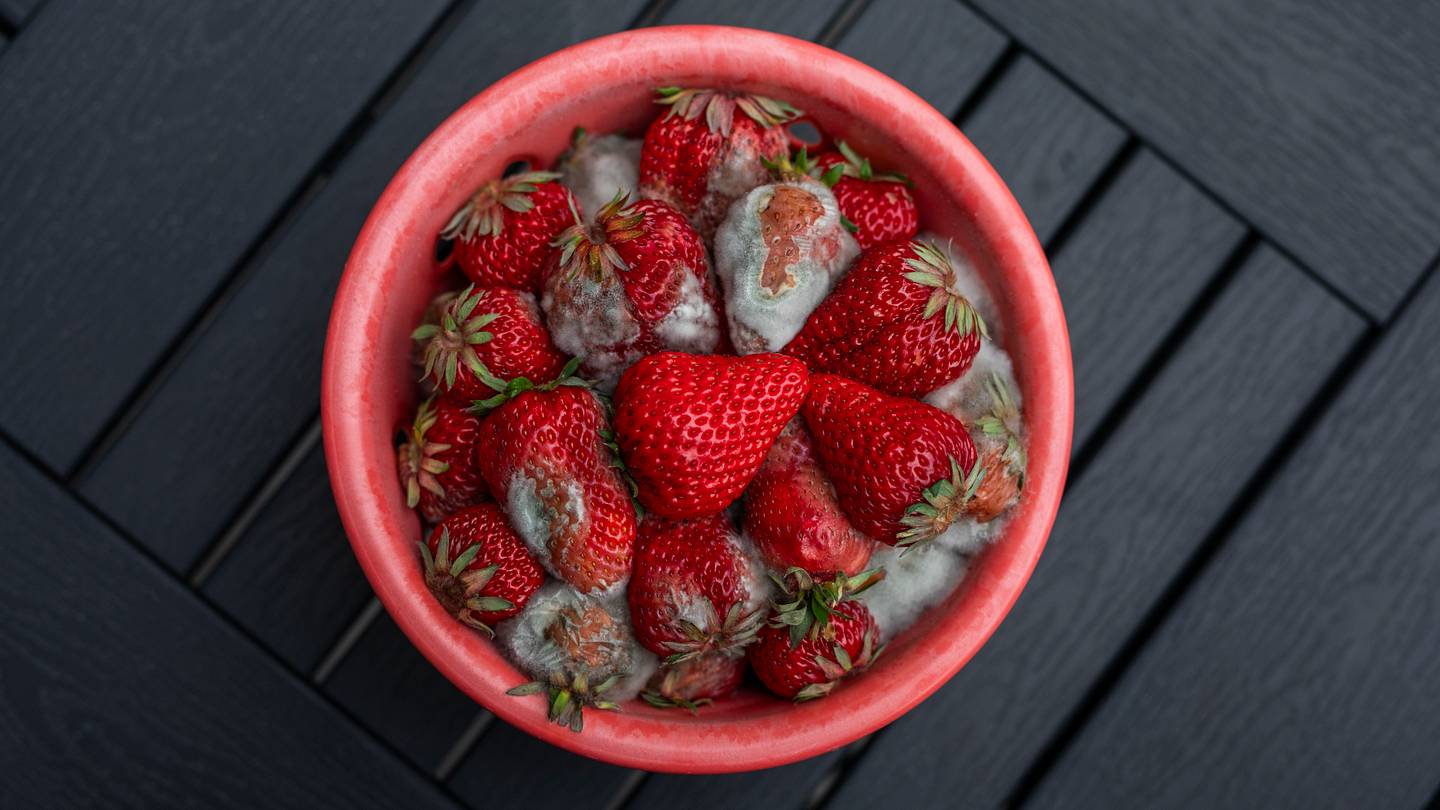
One minute you are triumphantly placing a jewel-toned carton of strawberries, blueberries, raspberries, or blackberries into the fridge like a responsible adult. The next minute, you open the lid and discover a tiny gray sweater growing on one berry, plus a suspiciously squishy neighbor. Congratulations: you have met the speed demon of produce spoilage.
So, why do berries get moldy so quickly? The short answer is that berries are delicate, moist, naturally sugary, and often packed close together after a long journey from field to store to kitchen. Mold spores are everywhere in the environment, and berries give them almost everything they need: water, nutrients, small bruises, and cozy contact with other berries. In other words, berries are basically the luxury resort of the mold world.
The good news is that berry mold is not a mysterious curse from the produce aisle. Once you understand what causes it, you can slow it down, reduce waste, and stop throwing away half a pint of raspberries after one heroic breakfast. This guide explains the science behind moldy berries, how different berries spoil, what to do when you find one fuzzy berry, and the smartest ways to keep fresh berries fresh for longer.
The Main Reason Berries Mold Fast: They Are Built to Be Fragile
Berries are soft fruits with thin skins, high water content, and tender cell structures. That is exactly why they taste so good. A ripe strawberry is juicy because its tissues are full of moisture. A raspberry feels delicate because it is made of many tiny drupelets with spaces where moisture and microorganisms can hang out. A blackberry is deliciously plump because it is full of water and natural sugars. Unfortunately, the same features that make berries irresistible also make them easy targets for mold.
Unlike apples, oranges, or melons, most berries do not have a thick protective peel. Their skins can be damaged by picking, packing, shipping, jostling in grocery bags, or being squeezed behind a carton of milk in the refrigerator. Even small bruises create openings where mold can settle and grow. A berry does not need to look crushed to be injured; microscopic damage may be enough.
Once a berry is bruised, its internal moisture and sugars become more available to spoilage organisms. Mold spores, which are naturally present in soil, air, packaging areas, and on fruit surfaces, can germinate when the conditions are right. Add warmth or condensation, and the process moves from “fresh snack” to “science experiment” with impressive confidence.
Meet the Usual Suspect: Botrytis, Also Known as Gray Mold
The most common mold problem in berries, especially strawberries and raspberries, is often linked to Botrytis cinerea, commonly called gray mold. This fungus is a major postharvest disease because it can infect fruit before harvest and continue causing decay after the berries are picked. It is sneaky, persistent, and not even slightly respectful of your meal prep plans.
Botrytis is especially troublesome because it can grow slowly even at cold refrigerator temperatures. Refrigeration helps a lot, but it does not stop mold completely. That is why berries stored in the fridge can still develop fuzzy patches after a few days. Cold temperatures slow the party down; they do not kick all the guests out.
Gray mold often appears as soft, watery spots that later develop fluffy gray or white growth. It can spread from one infected berry to nearby berries, especially when fruit is touching in a tightly packed container. If you have ever lifted one moldy strawberry and watched three others cling to it like a tragic berry friendship bracelet, you have seen contact spread in action.
Moisture Is Mold’s Favorite Invitation
If berries had a villain origin story, it would involve excess moisture. Mold needs water to grow, and berries are already naturally moist. Extra water from washing, condensation, rain before harvest, or poor drying after rinsing makes spoilage happen faster.
Why Washing Too Early Can Backfire
Many people wash berries as soon as they get home because it feels efficient. It also feels virtuous, like flossing or labeling leftovers. But washing berries before storage can introduce water that sits on the fruit surface, inside berry crevices, and in the bottom of the container. That lingering moisture can accelerate mold growth, especially on raspberries and blackberries, which are famous for holding droplets in their little berry architecture.
The better rule is simple: wash berries right before eating them. If you must wash them ahead of time, dry them thoroughly before storing. Not “a quick shake over the sink” dry. Actually dry. Spread them on clean paper towels or a clean kitchen towel and give them time. Berries should go into storage dry, not damp and hopeful.
Condensation: The Sneaky Refrigerator Problem
Condensation forms when temperature changes cause moisture in the air to collect on surfaces. This can happen when berries move from a warm car to a cold refrigerator, or when a container is sealed tightly with damp fruit inside. Moisture collects on the lid, drips back down, and suddenly your berry container has become a tiny rainforest. Beautiful? Maybe. Useful? Not unless you are cultivating mold.
Good airflow helps reduce trapped moisture. That is why many berry containers have vents. Those vents are not decorative. They help berries breathe and prevent excess humidity from building up around the fruit.
Temperature Matters More Than Most People Think
Berries continue to respire after harvest. Respiration is the natural process by which fruit uses oxygen and releases carbon dioxide, water, and heat. The warmer the berries are, the faster they respire and deteriorate. Room temperature berries may taste wonderful for a short window, but they age quickly.
For home storage, fresh berries should usually be refrigerated as soon as possible, ideally at 40°F or below. Commercial recommendations for strawberries often aim even colder, around 32°F with high relative humidity, because lower temperatures slow respiration and decay. At home, most refrigerators are not perfectly calibrated produce laboratories, but keeping berries cold still makes a major difference.
Do not leave berries sitting in a hot car, on a sunny counter, or next to the stove while you unload groceries, answer a text, and suddenly begin reorganizing your pantry. Warmth speeds spoilage. Mold loves delay. Put berries in the refrigerator quickly unless you plan to eat them the same day.
Why Berries From the Store Sometimes Mold Overnight
Sometimes berries seem to spoil almost immediately, even when you did everything right. That does not necessarily mean you failed. It may mean the berries were already close to the edge when you bought them.
Berries can be exposed to mold spores in the field, during harvest, in packing facilities, during transportation, or at the store. If fruit was harvested very ripe, bruised during handling, held too warm, or exposed to wet conditions, mold may already be developing invisibly. By the time the fuzzy patch appears in your fridge, the process may have started days earlier.
That is why inspection at the store matters. Look for containers with dry berries, bright color, no visible mold, and minimal crushed fruit. Avoid packages with juice pooling at the bottom, foggy lids, smashed berries, or dark wet spots. A bargain carton of berries is not a bargain if half of it turns into compost before Tuesday.
Different Berries, Different Mold Risks
Strawberries
Strawberries are especially prone to mold because they are large, soft, and often picked ripe. Their surface has many tiny seed pockets where moisture can cling. They also bruise easily, especially when stacked or squeezed. Whole strawberries generally last longer than cut strawberries because cutting exposes more moist tissue to air and microorganisms.
Raspberries
Raspberries may be the drama queens of the berry family. They are hollow, delicate, and easily crushed. Their structure traps moisture, and one soft raspberry can quickly affect the rest of the container. Raspberries are best eaten within a day or two of purchase, unless they are exceptionally fresh and carefully stored.
Blackberries
Blackberries are sturdier than raspberries but still vulnerable. Their plump drupelets can leak juice when damaged, and that juice feeds spoilage. Blackberries also tend to hide mold between berries, so inspect the bottom of the container before buying.
Blueberries
Blueberries usually last longer than strawberries or raspberries because they have firmer skins and a natural waxy bloom on the surface. That pale coating is not dust or residue; it helps protect the berry. Still, blueberries can mold quickly if they are wet, crushed, or stored with decaying fruit.
Does One Moldy Berry Ruin the Whole Container?
Not always. If you find one moldy berry, remove it immediately, along with any berries that were directly touching it. Then inspect the rest carefully. If the remaining berries are firm, dry, smell normal, and show no mold, they can usually be washed and eaten soon.
However, if mold is widespread, the berries are mushy, slimy, leaking, sour-smelling, or covered in fuzzy growth, discard the container. Soft fruit allows mold to spread more easily below the surface than firm produce does. You cannot simply cut mold off a raspberry the way someone might trim a small spot from a hard cheese. A raspberry is not a renovation project.
Also, do not sniff moldy berries closely. Mold spores can irritate the nose, throat, or lungs, especially for people with allergies, asthma, or weakened immune systems. If the berries look bad, trust your eyes and toss the offenders.
How to Keep Berries Fresh Longer
1. Sort Them as Soon as You Get Home
Open the container and remove any berries that are moldy, crushed, leaking, or suspiciously soft. One bad berry can speed up spoilage for the rest. Sorting takes one minute and can save the whole batch.
2. Keep Them Dry
Moisture is the enemy. Store berries unwashed until you are ready to eat them. If they are damp from the store, gently spread them out on a towel and let them dry before refrigerating.
3. Use a Breathable Container
The original vented clamshell often works well because it allows airflow. You can also transfer berries to a shallow container lined with paper towels. Avoid packing them too deeply; pressure causes bruising. A single layer is ideal, though not always practical unless your refrigerator has the square footage of a suburban garage.
4. Refrigerate Promptly
Keep berries in the refrigerator at 40°F or below. The crisper drawer can help maintain humidity, but berries should not sit in puddles or sealed wet containers. Cold slows mold growth, respiration, and softening.
5. Wash Right Before Eating
Rinse berries gently under cool running water shortly before use. Do not soak delicate berries for a long time unless you are following a specific cleaning method and plan to dry them thoroughly.
6. Consider a Vinegar Rinse, but Do Not Expect Magic
A vinegar-water rinse is a popular berry storage trick. The idea is that mild acidity may reduce some surface microorganisms. Some home cooks swear by it, while others find that plain water and careful drying work just as well. If you try it, use a diluted solution, rinse afterward with clean water, and dry the berries completely before storing. The drying step is the real superstar. Skip it, and you have simply given your berries a spa day before mold moves in.
7. Freeze What You Cannot Eat Soon
If you bought too many berries, freeze them before they decline. Wash, dry thoroughly, spread them on a baking sheet in a single layer, freeze until solid, then transfer to a freezer-safe bag or container. Frozen berries are excellent for smoothies, sauces, oatmeal, baking, and pretending you planned ahead all along.
Common Mistakes That Make Berries Mold Faster
The most common mistake is washing berries too early and storing them damp. The second is leaving them in a warm kitchen for hours. The third is ignoring one moldy berry because “it is probably fine.” Mold is not known for respecting boundaries.
Another mistake is storing berries in airtight containers while they still contain moisture. A sealed jar may look tidy, but without airflow and proper dryness, it can trap humidity and encourage off smells or fermentation. Berries need protection from drying out, but they also need enough ventilation to avoid becoming soggy.
Finally, people often store berries under heavier groceries. Berries should not be treated like canned beans. Keep them near the top of the bag, and do not wedge them under a watermelon unless your goal is berry jam with emotional damage.
Are Moldy Berries Dangerous?
For most healthy adults, accidentally eating a tiny amount of mold from fruit may not cause serious harm, but that does not mean moldy berries are safe or worth eating. Mold can trigger allergic reactions or respiratory irritation in sensitive people. Some molds can produce undesirable compounds, and soft fruits are difficult to clean once mold has taken hold.
The safest approach is practical: discard visibly moldy berries and any berries touching them. If the rest of the container looks and smells normal, wash those berries and use them soon. If spoilage is widespread, throw the batch away. Food safety is not the place to practice extreme optimism.
Experience Notes: What Berry Mold Looks Like in Real Life
Anyone who buys fresh berries regularly eventually develops what I call “berry radar.” You learn to spot the warning signs before disaster arrives. The first sign is usually not dramatic gray fuzz. It is a berry that looks slightly collapsed, darker than the others, or wet around the edges. In a strawberry container, the bottom berries often tell the truth. If they are sitting in juice, the clock is already ticking loudly.
One of the most common experiences is buying strawberries for a weekend dessert, placing them in the fridge, and discovering the next morning that one berry has grown a fuzzy crown. The temptation is to blame the refrigerator, the grocery store, the weather, or possibly the moon. But the real cause is usually a combination of ripe fruit, trapped moisture, and bruising. The berry may have been damaged before purchase, and the cold fridge only slowed the process rather than stopping it.
Raspberries teach an even harsher lesson. They may look perfect in the store, but because they are so delicate, the bottom layer can be crushed by the weight of the berries above. Once juice leaks, nearby berries soften fast. Many home cooks learn to use raspberries quickly: breakfast today, dessert tonight, freezer tomorrow. Raspberries do not like long-term commitments.
Blueberries are more forgiving. In many kitchens, they last several days longer than strawberries because their skins are firmer and their natural bloom provides some protection. Still, when blueberries are stored wet, they can surprise you. A single wrinkled or split blueberry can become the starting point for mold, especially if it is buried in the center of the pint where airflow is limited.
One practical habit that works well is the “sort and stage” method. When berries come home, sort them immediately. Eat the softest ones first, refrigerate the firm ones, and freeze anything you realistically will not use within a few days. This approach turns berry storage into a tiny triage system: snack now, save soon, freeze for smoothies. It sounds fussy until you realize you are throwing away fewer berries.
Another real-world lesson: paper towels help, but only when berries are dry. Lining a container with paper towels can absorb small amounts of moisture, but it cannot rescue berries that went into storage wet. If the towel becomes damp, replace it. A soggy towel is not a freshness tool; it is a mold welcome mat.
Families with kids often discover that berries disappear quickly when washed and placed at eye level in the refrigerator. That is convenient, but pre-washing means the berries must be dried extremely well. For very delicate berries, it may be better to wash only a small bowl at a time. For sturdier blueberries, pre-washing can work if they are dried carefully and eaten within a short window.
The most helpful mindset is to treat berries as fresh, living produce rather than shelf-stable snacks. They are meant to be enjoyed quickly. Buy smaller amounts more often when possible, choose dry containers, refrigerate promptly, and do not wait for “the perfect recipe” while your berries slowly develop a beard. Sometimes the perfect recipe is standing at the counter eating blueberries by the handful. Very scientific. Highly recommended.
Conclusion: Fresh Berries Are Delicate, Not Impossible
Berries get moldy quickly because they combine high moisture, tender skins, natural sugars, invisible mold spores, and frequent bruising. Mold such as gray mold can begin before harvest and continue after purchase, especially when fruit is warm, wet, damaged, or tightly packed. Refrigeration slows spoilage, but it does not stop it completely.
To keep berries fresh longer, buy dry and undamaged fruit, remove bad berries right away, store them cold and dry, allow airflow, wash only before eating, and freeze extras before they decline. You cannot make fresh berries last forever, but you can absolutely stop them from turning into a fuzzy fruit tragedy after one day.
The next time you open a berry carton, think like a produce detective: moisture, temperature, bruising, airflow, and timing. Control those five factors, and your strawberries, blueberries, raspberries, and blackberries have a much better chance of making it to breakfast, dessert, or that smoothie you keep promising yourself you will make.