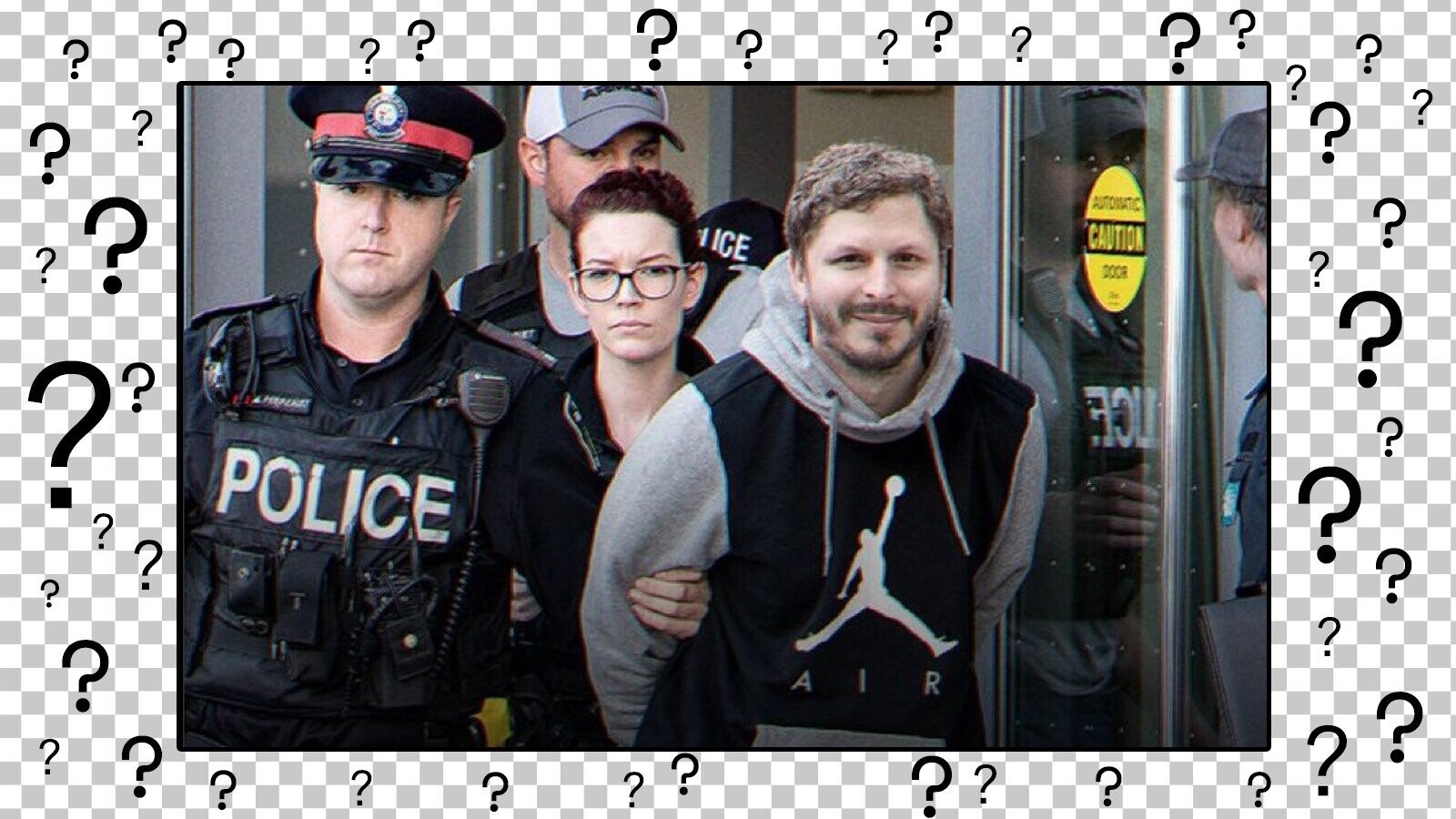
Some headlines sound fake because they are badly written. Others sound fake because they were cooked up in the digital equivalent of a damp basement by people who think “celebrity + handcuffs + secret investment platform” equals instant credibility. The claim that Michael Cera or Howie Mandel was arrested after revealing some mysterious crypto-related secret belongs firmly in the second category.
The strange wave of fake celebrity arrest ads has become one of the internet’s most ridiculous and dangerous scams. In this version, sponsored posts on social platforms use altered images, fake news layouts, and dramatic captions to suggest that a familiar entertainer has been detained, silenced, sued, or exposed after talking about a secret money-making system. The bait is not really about Michael Cera. It is not really about Howie Mandel. It is about getting ordinary users to click through to a crypto trading platform, surrender personal information, deposit money, and trust a story that falls apart faster than a folding chair at a wrestling match.
At the center of the scheme is a simple psychological trick: people pay attention when a celebrity appears to be in trouble. If the celebrity is friendly, harmless, or funny, the contrast becomes even more clickable. Michael Cera, known for his soft-spoken awkward charm, is not exactly the first person most readers imagine being hauled away in a financial scandal. Howie Mandel, a comedian and television personality, is more associated with game shows and germ jokes than secret cryptocurrency lawsuits. That mismatch is the hook. The weirder the claim, the more likely someone is to pause.
What the Fake Arrest Story Is Really Claiming
The fake ads usually follow a familiar pattern. A manipulated image shows a celebrity in a dramatic situation: arrested by police, interrupted during a television appearance, or supposedly exposed after making a shocking statement on air. The caption teases a scandal. The user clicks. The landing page imitates a legitimate news outlet, sometimes copying the look of a major publication. The article then claims that the celebrity revealed a hidden investment system, angered a bank, or accidentally exposed a loophole that “they” do not want the public to know about.
That sentence alone deserves a fire alarm. Real banks, courts, and regulators do not usually respond to celebrity talk-show appearances by launching secret lawsuits hidden inside sketchy social media ads. Real journalists do not turn every link in a news article into a crypto sign-up page. And real celebrities do not typically reveal magical wealth software between jokes, applause breaks, and promotional interviews for animated movies.
The Cera and Mandel versions are part of a wider fake celebrity endorsement trend. Similar scams have used the names or images of television hosts, public figures, entrepreneurs, and entertainers. The details change, but the machinery stays the same: borrow credibility from a recognizable face, borrow trust from a familiar news format, and borrow urgency from a fake scandal.
Why Crypto Scammers Love Celebrity Faces
Crypto scams have a credibility problem. Most people have learned to be skeptical when a random account promises “guaranteed profits” or “instant passive income.” So scammers add a celebrity. Suddenly, the pitch feels less like a suspicious stranger shouting from an alley and more like a secret tip from someone the public already recognizes.
Celebrity names work because they reduce friction. A user may not understand blockchain, wallet addresses, tokenomics, liquidity pools, or automated trading bots. But they understand fame. They think, “If a famous person used this, maybe it is real.” That is exactly the mental shortcut scammers want.
The scam also benefits from borrowed authority. Many fake pages mimic respected news brands. The design may include a masthead, a byline, a date, a stock photo, and a polished layout. To a distracted reader scrolling on a phone, it can feel official enough. Scammers do not need everyone to believe the story. They only need a small percentage of people to click, register, and deposit money.
The Fake News Template: Arrest, Interview, Secret Platform
Most of these fake articles are built like cheap movie sets: they look convincing from one angle, then collapse when you walk around the back. The headline announces a shocking event. The first paragraph claims the celebrity made a controversial statement during a live broadcast. The next section introduces an “exclusive” financial platform. Then come fake screenshots, fake quotes, and fake comments from supposed users who allegedly made money overnight.
The arrest angle is especially effective because it creates urgency. The story implies that powerful institutions are trying to suppress information. That makes the reader feel like they have discovered something before it disappears. The scammer wants the user to think, “I should act now.” In legitimate investing, urgency is rarely your friend. In scams, urgency is practically the house band.
The Michael Cera and Howie Mandel narratives are absurd on the surface, but absurdity can be useful. People share bizarre posts because they are bizarre. Even a skeptical comment can spread the ad. Outrage, mockery, curiosity, and confusion all become free distribution.
How the Scam Funnel Works
Step 1: The Sponsored Post
The first touchpoint is usually a paid social media ad or a promoted post. It may show a celebrity being arrested, escorted by police, or caught in a dramatic television moment. The caption is short, emotional, and incomplete: “What happened after the cameras stopped rolling?” or “The interview that shocked the nation.” It withholds just enough to trigger curiosity.
Step 2: The Fake News Page
After the click, the user lands on a page that imitates a real media outlet. The scammers may use a similar layout, logo style, or headline structure. The writing often contains awkward phrasing, strange punctuation, and claims that do not match how actual journalism works. But on a small screen, with attention divided, the illusion can still be effective.
Step 3: The Miracle Investment Pitch
The fake article eventually pivots from celebrity scandal to money. It claims the celebrity used or revealed a crypto trading platform that generates unusual returns. Sometimes the platform is described as automated, AI-powered, bank-approved, or secretly used by wealthy insiders. The promises are vague but exciting. The risk is minimized. The deadline is immediate.
Step 4: Registration and Deposit
Once users enter their contact details, the real pressure begins. They may receive calls, emails, or messages from “account managers” who push them to deposit money. A small initial payment may be framed as a starter investment. After that, the victim may be encouraged to add more funds, pay fees, or unlock supposed profits. By the time the user realizes the platform is fake, the money may already be gone.
Why Michael Cera and Howie Mandel Make Perfect Scam Bait
Scammers often pick celebrities who feel familiar but not overprotected by constant public relations coverage. Michael Cera has a public image built around low-key awkwardness, indie comedy, and nostalgic roles in projects like Superbad, Arrested Development, and Scott Pilgrim vs. the World. A fake scandal involving him feels strange enough to spark attention precisely because it clashes with that image.
Howie Mandel has a different kind of familiarity. He has spent decades on television, from stand-up comedy to Deal or No Deal to judging talent competitions. He is recognizable across generations. That makes him valuable to scammers targeting a broad audience. A fake Mandel scandal can catch the eye of younger users who know him from clips and older viewers who know him from network TV.
Neither celebrity needs to have any connection to cryptocurrency for the scam to work. In fact, the lack of connection can make the bait more intriguing. A reader may wonder, “Why would Michael Cera be involved in crypto?” That question is exactly what the scammer wants. Curiosity is the doorway.
The Bigger Problem: Social Platforms and Paid Misinformation
These fake celebrity crypto ads also expose a broader weakness in the online advertising ecosystem. A scammer can pay to place a post in front of users, borrow the appearance of legitimacy, and disappear when reported. Even when platforms remove one ad, similar versions may return under different accounts, domains, or images.
Verification badges and polished profiles can make the problem worse. Many users once treated a check mark as a sign that an account had been vetted. Today, depending on the platform, badges may indicate a paid subscription or a different kind of status rather than old-fashioned identity verification. Scammers exploit that confusion. A fake ad coming from a “verified” account can look safer than it is.
Another issue is speed. Scam campaigns move quickly. A fake ad can run long enough to capture victims before journalists, users, or moderators flag it. By the time the page disappears, the same template may already be live somewhere else. It is less like stopping one leaky faucet and more like fighting a sprinkler system with a napkin.
Red Flags That Give the Scam Away
The good news is that these scams often leave fingerprints. A fake celebrity crypto article may look convincing at first glance, but it usually fails under basic inspection.
1. The URL Does Not Match the News Brand
If a page claims to be a major newspaper, television network, or financial publication, check the web address carefully. Scam pages often use lookalike domains, extra words, odd punctuation, or unfamiliar extensions. A fake article may copy a logo while living on a completely unrelated website.
2. Every Link Leads to the Same Investment Platform
Real news articles link to sources, related reporting, documents, and context. Scam articles often send every button, image, and link to one registration page. That is not journalism. That is a funnel wearing a fake mustache.
3. The Story Has No Independent Coverage
If Michael Cera or Howie Mandel had actually been arrested in a major public incident, reputable entertainment outlets and mainstream newsrooms would report it. A claim appearing only in a sponsored post or a strange landing page should be treated with deep suspicion.
4. The Investment Promise Sounds Effortless
Crypto markets are volatile. No celebrity, app, bot, or secret algorithm can guarantee easy returns. Any platform promising consistent profits with little risk is waving a red flag big enough to be seen from space.
5. The Page Uses Emotional Pressure
Scam copy often pushes readers to act before the opportunity closes. It may claim that registration is limited, banks are angry, or the platform will soon be banned. Pressure is the scammer’s favorite seasoning. They sprinkle it on everything.
Why People Still Fall for Obvious-Looking Scams
It is tempting to laugh at fake arrest ads and assume only careless people would click. That attitude is comforting, but it is also wrong. Scams succeed because they are designed around normal human behavior: curiosity, trust, fear of missing out, and the hope that money problems might have a shortcut.
People do not usually fall for scams when they are calm, rested, and doing a formal investigation with a cup of tea and three browser tabs open. They fall for them while distracted, stressed, lonely, excited, or scrolling quickly. A person may notice one red flag but ignore it because the page looks professional. They may plan to “just check it out” and end up in a conversation with a persuasive caller. Scammers understand momentum. They know that one small click can become one small deposit, and one small deposit can become a larger loss.
That is why the best defense is not embarrassment; it is friction. Slow down. Check the URL. Search the celebrity’s official channels. Search the exact headline. Look for coverage from multiple reputable outlets. Never enter personal information on a page reached through a sensational ad. And never send cryptocurrency to someone who contacted you through a surprise investment pitch.
What to Do If You Already Clicked
Clicking alone does not always mean disaster, but it is a warning sign. If you entered your name, phone number, or email, expect follow-up attempts. Do not answer pressure calls from “brokers” or “account managers.” Do not install remote-access software. Do not upload identity documents. Do not send a test deposit just to see what happens.
If you created an account using a password you use elsewhere, change that password immediately on any real accounts that share it. Enable two-factor authentication where possible. If you sent money, stop communicating with the scammers and report the incident to appropriate consumer protection or cybercrime channels. Be cautious of “recovery experts” who contact victims promising to retrieve lost crypto for a fee. Many recovery offers are second-round scams targeting people who have already been hurt once.
The Cultural Joke Has a Serious Point
There is something undeniably funny about the idea that the internet expects us to believe Michael Cera was dragged into a secret financial scandal or that Howie Mandel exposed an underground wealth machine on television. The images are often clumsy. The copy is melodramatic. The logic is thinner than gas-station coffee.
But behind the comedy is a serious problem. Fake celebrity crypto ads are not harmless memes. They are advertisements designed to move people into financial traps. They damage the reputations of public figures, erode trust in real journalism, and create a polluted information environment where users must spend extra energy figuring out what is real.
The best response is a mix of skepticism and patience. Laugh at the absurdity, yes. But also report the ad, warn friends and relatives, and avoid giving the scam more clicks than necessary. The internet has always had nonsense. The difference now is that nonsense can be targeted, sponsored, automated, and dressed up as breaking news.
Experience Notes: What These Fake Celebrity Crypto Ads Feel Like in Real Life
Anyone who spends enough time on social media has probably seen a version of this scam. The celebrity changes, the fake news brand changes, and the supposed scandal changes, but the emotional rhythm is almost identical. First comes the jolt: a familiar face appears in a situation that feels wrong. Maybe the person is being arrested. Maybe a talk-show host looks shocked. Maybe the headline says a bank, court, or government agency is involved. The story is not believable, exactly, but it is interesting enough to make the thumb hesitate.
That hesitation is where the scam lives. A good scam ad does not need full belief at first. It only needs curiosity. Many people click because they want to debunk it, laugh at it, or see how ridiculous it gets. The problem is that the landing page is built to turn casual curiosity into engagement. It may load comments that look like real user reactions. It may show fake account balances. It may claim that ordinary people are making money while the reader is still standing outside the door.
The most realistic experience is not a cartoon villain stealing money in one dramatic moment. It is a sequence of tiny decisions. The user clicks. The page asks for an email. A phone call arrives. The caller sounds professional. The first deposit is small enough to feel manageable. The fake dashboard shows gains. The user is praised for acting early. Then the pressure increases. More money is needed to unlock a bonus, verify an account, pay taxes, or avoid losing the opportunity. Each step is designed to make the previous step feel meaningful, so walking away becomes psychologically harder.
In conversations about these scams, one pattern appears again and again: victims often say they felt embarrassed because the ad looked silly in hindsight. That embarrassment is exactly what scammers rely on. If people feel too ashamed to talk about what happened, the scam remains hidden longer. A healthier response is to treat scam literacy like weather awareness. You do not blame someone for getting rained on; you help them recognize storm clouds earlier next time.
The Michael Cera and Howie Mandel fake arrest stories are useful teaching examples because they are absurd enough to be memorable. They show how scammers combine pop culture, fake journalism, paid ads, and crypto hype into one shiny trap. The lesson is not “never trust anything online.” That would be exhausting. The lesson is simpler: when a sensational celebrity scandal suddenly turns into an investment opportunity, close the page. Real news informs you. Scam news recruits you.
Conclusion
The fake claims about Michael Cera and Howie Mandel being arrested are not celebrity gossip; they are bait for crypto fraud. The scam works by hijacking familiar faces, imitating legitimate news, and pushing users toward suspicious trading platforms. Its power comes from curiosity, urgency, and the false comfort of celebrity credibility.
Readers should treat any celebrity-endorsed crypto miracle with skepticism, especially when it appears in a sponsored post, uses a fake scandal, or leads to a registration page. If a story is real, it will not depend on one weird ad and a mysterious platform. If an investment is legitimate, it will not need a fake arrest photo to get your attention. And if Michael Cera ever truly becomes the face of a global financial controversy, the internet will not need a badly Photoshopped ad to find out.
Note: This article is written for web publication as an original, SEO-optimized analysis based on real reporting about fake celebrity crypto ads and official consumer-safety guidance on cryptocurrency investment scams.