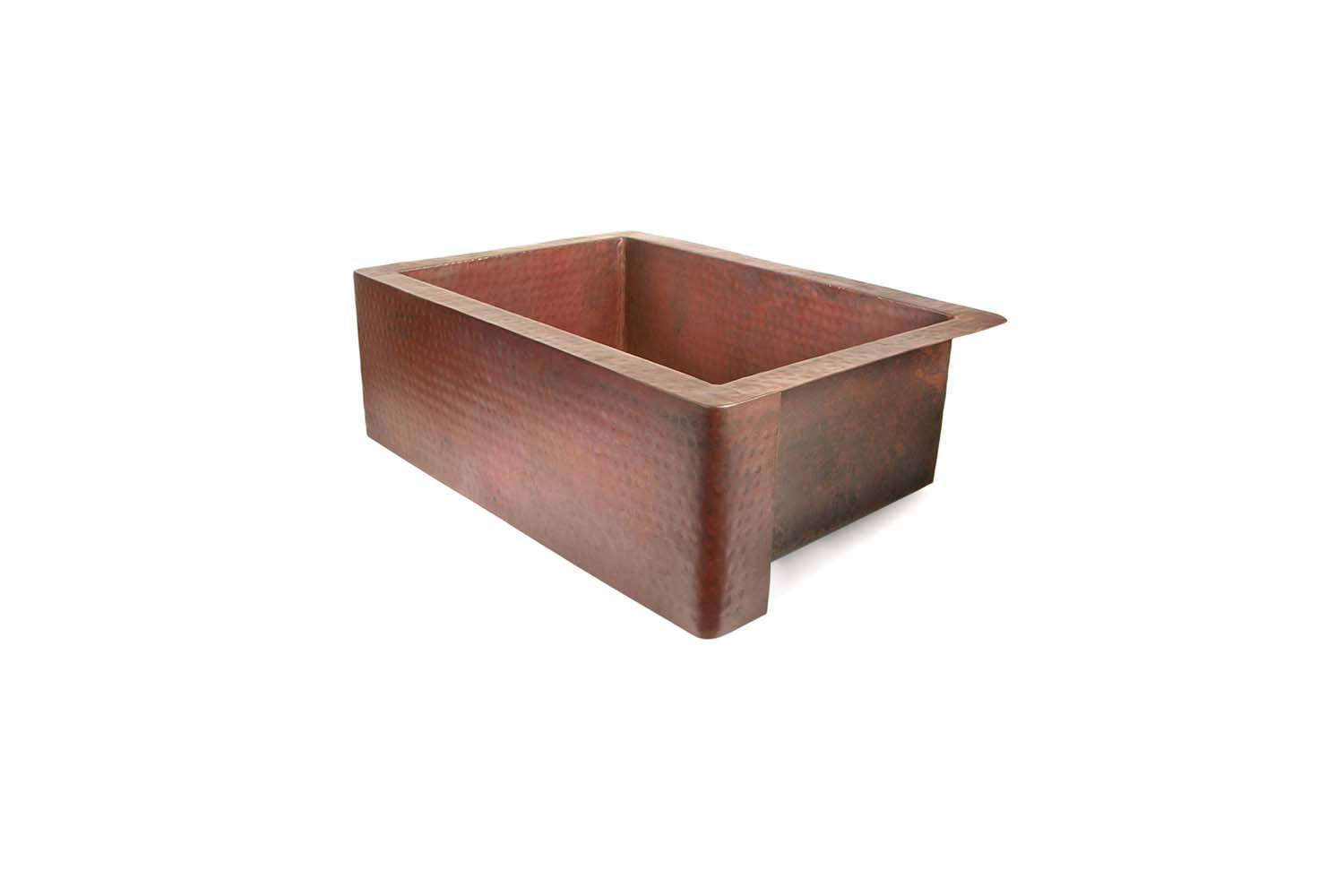
A kitchen sink can be many things: a cleanup station, a produce-rinsing runway, a temporary parking lot for sheet pans, andon ambitious eveningsthe final resting place of every dish you own. The DVontz 30 in. Flat Front Farmhouse Hammered Kitchen Sink aims to make that hardworking zone look considerably less like a utility closet and more like the centerpiece of a thoughtfully designed kitchen.
This 30-inch single-bowl apron-front sink pairs a flat-front farmhouse profile with hammered copper texture. It is the kind of fixture that adds warmth to pale cabinetry, depth to dark cabinets, and a little old-world character to kitchens that have become overly dependent on white subway tile. In other words, it has personality without requiring a dramatic speech every time someone walks into the room.
What Makes the DVontz 30-Inch Hammered Farmhouse Sink Different?
The appeal begins with its material and silhouette. Unlike a standard stainless steel basin that politely disappears into the countertop, a hammered copper apron-front sink is designed to be noticed. The visible front panel creates a furniture-like effect at the base cabinet, while the hammered surface catches light in small, irregular ways. That texture helps the sink feel handcrafted rather than factory-flat.
The DVontz model is a single-bowl farmhouse kitchen sink, so the basin is not divided down the middle. That is especially useful for washing roasting pans, stockpots, large cutting boards, and the occasional cookie sheet that has seen better decisions. A single bowl also gives the kitchen a cleaner visual line, though it does mean you lose the convenience of having one side dedicated to soaking while the other remains open for rinsing.
A Flat Front That Works With More Than Rustic Kitchens
“Farmhouse” does not have to mean a room filled with roosters, distressed signs, and a suspicious number of mason jars. The flat-front design gives this copper kitchen sink a more adaptable appearance than a heavily ornamented apron. It can work in a traditional farmhouse kitchen, but it also fits Craftsman interiors, Spanish-inspired spaces, warm transitional kitchens, lodge-style homes, and modern rooms that need a little visual soul.
For a balanced design, pair a hammered copper apron-front sink with simple cabinetry and restrained hardware. Cream, mushroom, olive green, charcoal, navy, walnut, and natural oak are all strong companions. A bridge faucet in unlacquered brass, oil-rubbed bronze, matte black, or polished nickel can also work beautifully, depending on whether you want the room to lean rustic, classic, or quietly dramatic.
DVontz KS43022 Specifications at a Glance
The following specifications are useful for planning, but hand-finished copper products can show minor variation. Always measure the actual sink before cabinet, countertop, or backsplash cuts are finalized.
| Feature | Product Detail |
|---|---|
| Model | DVontz KS43022 |
| Overall size | 30 inches wide x 22 inches front to back x 10 inches deep |
| Sink style | Flat-front farmhouse or apron-front kitchen sink |
| Bowl configuration | Single bowl |
| Drain opening | 3-1/2 inches |
| Faucet holes | None factory-drilled |
| Material category | Copper-based decorative sink construction |
| Finish history | Archival product materials list Dark Smoke, Shiny Copper, Matte Nickel, and Polished Nickel variants |
The absence of factory faucet holes gives homeowners more layout flexibility, but it also creates more planning responsibility. The faucet, soap dispenser, filtered-water tap, air switch, and backsplash all need to be coordinated before the countertop fabricator drills anything. Stone does not enjoy surprise holes. Neither does a budget.
Installation Planning: The Part Nobody Should Skip
A farmhouse sink is not simply a drop-in replacement for every existing kitchen sink. Its exposed apron changes the face of the cabinet, and its weight must be supported correctly from below. The sink should not be treated like a decorative bowl that can hang from countertop adhesive and optimism.
Start With the Actual Sink, Not a Guess
Because hammered copper sinks are handmade, small differences in width, length, edge shape, and finish are part of the product’s character. That is charming when you are admiring the texture under pendant lighting. It is less charming when a stone opening has been cut too early. Have the actual sink onsite before finalizing cabinet modifications and countertop templates whenever possible.
A qualified cabinetmaker, countertop fabricator, or kitchen installer can build a proper support system using reinforced cabinet sides, cleats, and a rear support structure. The sink should sit level, with enough clearance for plumbing connections, water supply lines, a drain assembly, and a garbage disposal if one is planned. Do not assume that a standard 30-inch sink base will automatically work without modification; apron-front sinks frequently require custom cabinet adjustments.
Match the Drain and Plumbing Parts Correctly
The 3-1/2-inch drain opening is a common kitchen-sink size, but the sink does not include a factory faucet hole or overflow channel. That means the drain assembly should be appropriate for a non-overflow kitchen sink. If a garbage disposal is part of the plan, confirm that the disposal flange, stopper, and mounting system are compatible with the sink material, drain thickness, and intended use.
It is also wise to discuss neutral-cure silicone and material-safe installation products with the installer. Copper and aggressive chemicals are not best friends, especially during a renovation when someone is usually holding a mystery tube of sealant and saying, “This should be fine.” A professional who has installed copper or apron-front sinks before can prevent a very expensive learning experience.
Think About Sink Depth and Daily Comfort
A 10-inch-deep basin is generous enough for cookware and baking sheets, but depth is only wonderful when it works with the counter height and the primary cook’s comfort. Taller homeowners may appreciate the spacious bowl. Shorter users may prefer to test a comparable apron-front sink before committing. The goal is not merely to own a beautiful sink; the goal is to avoid turning dishwashing into an unexpected lower-back workout.
How a Hammered Copper Sink Changes a Kitchen Design
The DVontz hammered farmhouse sink has a “living finish” look. Copper naturally changes over time, and patina can darken, deepen, lighten in places, and become more varied with regular use. That evolution is part of the appeal. Buyers who want every square inch to remain exactly the same shade forever may be happier with stainless steel, granite composite, or fireclay.
For everyone else, the changing finish can make the kitchen feel more layered and personal. A dark smoke copper finish can ground a bright kitchen with white oak floors and creamy cabinets. Shiny copper can become a warm focal point in a room with plaster walls and unlacquered brass hardware. Nickel-toned hammered finishes can offer texture without the red-brown warmth of traditional copper.
The sink works especially well with materials that become more beautiful through use: wood counters, soapstone, honed granite, handmade tile, aged brass, leathered stone, and solid wood cabinetry. It can also create contrast in streamlined kitchens with flat-panel cabinets and simple slab counters. The key is to let the sink be the statement piece rather than surrounding it with a dozen fixtures all competing for applause.
Care and Cleaning for a DVontz Hammered Copper Kitchen Sink
Copper care is less complicated than it sounds, but it does require the correct mindset. Do not treat the sink like a shiny stainless steel bowl that should be scrubbed into submission. The goal is gentle cleaning, not a full-scale archaeological restoration after every dinner.
Everyday Cleaning Routine
For routine care, use warm water, mild dish soap, and a soft cloth or nonabrasive sponge. Rinse away food residue, then dry the sink with a soft towel if you want to reduce hard-water spotting and mineral buildup. This simple routine is usually enough to keep a copper sink looking cared for while allowing the patina to develop naturally.
For a stubborn mark, a mild paste of baking soda and water can be used carefully with a soft cloth or sponge. Rinse thoroughly and dry afterward. Test any new cleaning product in an inconspicuous spot first, particularly on darker or specialty finishes.
What to Avoid
- Steel wool, scouring pads, and harsh abrasive powders
- Bleach, strong chemical cleaners, and aggressive drain products
- Long contact with acidic foods and drinks, including lemons, limes, tomatoes, vinegar, soda, and cola
- Leaving wet cast-iron cookware or metal utensils in the basin for extended periods
- Expecting the patina to remain perfectly uniform after real-life cooking
Acidic foods can temporarily brighten or alter parts of a copper finish. That does not automatically mean the sink is damaged beyond repair. In many cases, the patina gradually darkens again with time and normal use. Think of the finish more like leather than paint: it develops character, and that character may occasionally have opinions.
Who Should Choose This Type of Farmhouse Sink?
The DVontz 30-inch flat-front farmhouse hammered kitchen sink is a strong fit for homeowners who want a distinctive material, enjoy natural variation, and are renovating with enough flexibility to modify cabinetry properly. It is particularly appealing for people who use large cookware, prefer a single deep basin, and want the sink area to feel like a focal point rather than a background appliance.
It may not be the best match for a quick, low-disruption replacement project, a rental kitchen, or a household where everyone expects the sink to look identical every morning. It is also not the easiest choice for someone who prefers highly automated cleaning routines, harsh cleaners, or a maintenance-free finish. Copper does not demand constant pampering, but it does reward gentle treatment.
Buying Checklist Before You Commit
- Confirm the exact DVontz model, finish code, condition, and availability with the seller.
- Request current photographs, including the basin, apron front, drain area, edges, and underside.
- Verify all dimensions from the actual sink, not only an archived product listing.
- Ask whether a drain, strainer, bottom grid, mounting hardware, or warranty is included.
- Review cabinet modifications with a cabinetmaker or experienced installer before purchase.
- Coordinate faucet placement, countertop drilling, backsplash clearance, and plumbing access.
- Plan a gentle cleaning routine before the first spaghetti night introduces tomato sauce to the scene.
Practical Experience: What Living With a Hammered Copper Farmhouse Sink Can Feel Like
The following experience section is a realistic composite of common homeowner, designer, and installer observations. It is not presented as a personal ownership claim.
The experience with a DVontz-style 30-inch hammered copper farmhouse sink often starts several weeks before the first plate touches the basin. A homeowner sees the sink in a showroom or online photo and immediately imagines a warm, collected kitchen: oak cabinets, creamy walls, maybe a brass bridge faucet, and a loaf of sourdough that somehow always looks professionally baked. Then the practical questions arrive. Will the existing cabinet work? Can the stone be cut around the apron? Is the sink too deep? Is the copper going to turn green, purple, or develop its own social media account?
Once installation day comes, the most common surprise is how seriously the sink must be supported. An apron-front sink changes the cabinet opening, and installers usually spend more time measuring than homeowners expect. That is not wasted time. A careful installation makes the sink appear effortless afterward, which is the highest compliment a large fixture can receive. When the cabinet is correctly reinforced and the sink is level, the result feels permanent, substantial, and genuinely integrated into the kitchen rather than perched there like a decorative trophy.
During the first week of use, the single-bowl layout usually earns appreciation quickly. Large pans fit without a wrestling match. Sheet pans can lie flat. A stockpot can soak without blocking the entire counter. The wide basin also gives cooks room to rinse vegetables and stack dishes while preparing meals. The trade-off is that the user has to create their own zones. Some people add a roll-up drying rack or a fitted bottom grid so they can rinse produce on one side while keeping a few dishes off the copper surface.
The finish is where expectations matter most. A brand-new hammered copper sink may look relatively even at first, especially in a controlled showroom photograph. A real kitchen is not a showroom. Water dries in different patterns. A lemon wedge gets forgotten during taco night. A child sets down a wet spoon. A roasting pan clanks around after Thanksgiving. The sink gradually becomes more varied. Homeowners who understand this beforehand often describe the change as warm, organic, and forgiving. Homeowners who expected a flawless, uniform finish may initially panic at every light spot.
Daily care becomes pleasantly simple once the routine is established. A soft sponge, mild soap, a rinse, and a quick towel dry are usually enough. The key is not to chase every mark with abrasive cleaners. A hammered surface already has dimension, so small changes tend to blend into the overall texture better than they would on a mirror-polished metal sink. Over time, the basin can become less like a brand-new fixture and more like a favorite leather bag: still useful, still handsome, and noticeably better once it has a little history.
Design-wise, the sink often becomes the visual anchor of the kitchen. Guests notice it before they notice the cabinet hardware. It gives even a simple room a crafted, intentional feeling. Yet its best quality may be that it does not need to be precious. With the right installation, sensible cleaning, and realistic expectations about patina, a 30-inch hammered copper farmhouse sink can handle everyday dishes while making the kitchen feel far more memorable. That is a rare combination: a workhorse that also knows how to make an entrance.
Final Thoughts
The DVontz 30 in. Flat Front Farmhouse Hammered Kitchen Sink is best understood as both a kitchen fixture and a design material. Its 30-by-22-by-10-inch single-bowl format offers real workspace, while the flat apron and hammered copper surface create a distinctive visual centerpiece. The right buyer is not searching for a perfectly uniform sink that disappears into the background. The right buyer wants depth, warmth, texture, and a finish that becomes more individual with use.
Plan the installation carefully, confirm the actual dimensions before cutting cabinets or stone, choose compatible non-overflow plumbing, and use mild cleaning habits. Do those things well, and this copper farmhouse sink can bring a durable, beautifully lived-in character to the kitchen for years to come.