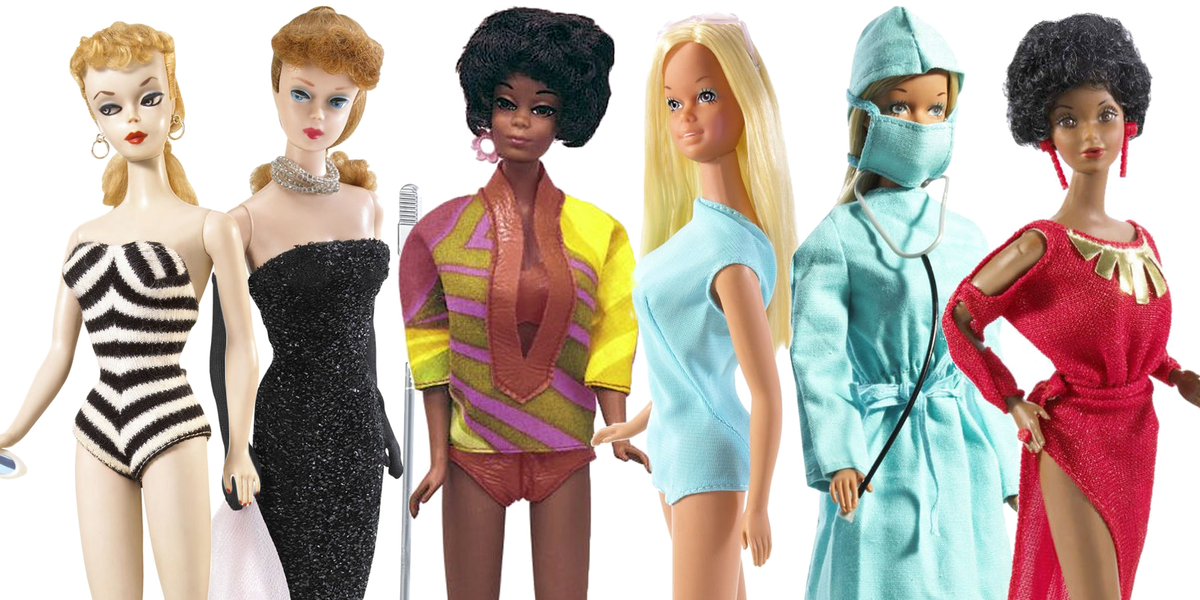
Barbie has never been just a doll. She is a tiny plastic time capsule with excellent closet space. Since her 1959 debut, Barbie has mirrored American fashion, career dreams, pop culture, changing beauty standards, and society’s ongoing conversation about representation. Ask someone what Barbie looked like the year they were born, and you are not only asking about hair, shoes, and possibly a very committed shade of pink. You are asking what the world was admiring, imagining, and selling to kids at that moment.
From the original black-and-white swimsuit to astronauts, ballerinas, CEOs, presidents, Olympic athletes, Fashionistas, dolls with wheelchairs, dolls with vitiligo, and dolls with Down syndrome, Barbie’s look has evolved with every decade. Sometimes she followed trends. Sometimes she arrived early, like Astronaut Barbie exploring space before humans walked on the Moon. And sometimes she wore outfits so aggressively sparkly that the 1980s probably asked her to calm down.
This guide walks through what Barbie looked like across the years, with specific examples from key eras. Whether you were born in the age of mod lashes, disco glam, power suits, butterfly clips, Barbiecore, or modern inclusive Fashionistas, there is probably a Barbie who looks like your birth-year mood board.
The 1950s: The Original Barbie Arrives
1959: The Teenage Fashion Model
Barbie made her official debut in 1959 at the American International Toy Fair in New York. Her first look was instantly memorable: a black-and-white striped swimsuit, red lips, arched brows, cat-eye makeup, hoop earrings, and a high ponytail with curled bangs. She was available as a blonde or brunette, although the blonde version later became the image most people remember.
At the time, most girls’ dolls were baby dolls. Barbie was different. She was not asking to be fed with a tiny bottle. She had a wardrobe, a career vibe, and the confidence of someone who had already booked a beach vacation and a modeling job before lunch. Mattel marketed her as a “teen-age fashion model,” and that phrase shaped the earliest Barbie identity: style first, imagination always.
The 1960s: Mod Style, New Friends, and Big Ambitions
If you were born in the 1960s, your birth-year Barbie probably had a polished, fashion-magazine look. Early Barbie dolls wore tailored suits, evening gowns, gloves, pillbox hats, and dramatic coats. The styling reflected the elegance of the era, with looks that could sit comfortably beside Jackie Kennedy-inspired fashion, department-store glamour, and the early rise of youth culture.
1960: Career Barbie Gets to Work
In 1960, Barbie’s identity expanded beyond swimsuits and eveningwear. Fashion Designer Barbie showed her with a sketchbook and a polished outfit, suggesting that Barbie was not only wearing the clothesshe might be designing them too. This mattered because Barbie’s biggest idea was never simply “look pretty.” It was “try on a future.”
1961–1964: Ken, Midge, and Hair Experiments
Ken arrived in 1961, giving Barbie a companion in beachwear and matching couple outfits. Midge, Barbie’s best friend, appeared in 1963 with freckles and a softer look. In 1964, Barbie’s famous hairstyle changed when the swirl ponytail replaced her original bangs. That may sound minor, but in Barbie history, hair is basically architecture.
1965: Astronaut Barbie
One of Barbie’s most important early career looks came in 1965 with an astronaut outfit. This was four years before the Apollo 11 Moon landing. In other words, Barbie packed for space before the rest of us had finished arguing over Tang. The white space suit and helmet turned Barbie into a symbol of possibility during the Space Age, when American culture was fascinated by rockets, science, and the future.
1967–1969: Twist, Turn, Talk, and Change
By the late 1960s, Barbie looked more youthful and active. Twist ‘N Turn Barbie introduced a twistable waist, bendable legs, and a more modern face. Talking Barbie arrived with pull-string phrases, while Christie, introduced in 1968 as one of Barbie’s friends, became an important step toward broader racial representation in the Barbie world.
The 1970s: Malibu Sunshine and Superstar Sparkle
If you were born in the 1970s, Barbie probably looked sunnier, freer, and far more relaxed than her early runway-model self. The stiff elegance of the early 1960s gave way to beach culture, sports, dancing, and disco shine.
1971: Malibu Barbie
Malibu Barbie changed the mood completely. She had long blonde hair, a tanned look, a bright blue swimsuit, and a forward-facing gaze. Earlier Barbies often looked to the side with a glamorous, mysterious expression. Malibu Barbie looked directly ahead, like she had just spotted the snack table and had no time for subtlety.
This doll captured the California dream: sun, surf, casual style, and a lifestyle that felt more accessible than couture gowns. If your birth year falls in the early 1970s, Malibu Barbie is one of the defining looks of your Barbie era.
1975–1976: Sports and Performance
Barbie also became more active during the decade. Olympic Skier Barbie appeared ahead of the 1976 Winter Olympics, and Ballerina Barbie brought stage-ready elegance to toy shelves. These dolls showed Barbie moving from fashion model to performer, athlete, and active storyteller.
1977: Superstar Barbie
Then came Superstar Barbie in 1977, one of the most iconic Barbie looks ever made. She wore a sparkling pink evening gown, a feather boa, big jewelry, and a wide smile. This was Barbie entering the disco era with full commitment. The pink branding that people now strongly associate with Barbie became especially powerful around this period. Superstar Barbie did not whisper glamour. She brought a spotlight, a wind machine, and possibly her own fog machine.
The 1980s: Big Hair, Bright Colors, and Career Confidence
If you were born in the 1980s, your Barbie likely had volume: big hair, bold makeup, neon colors, metallic fabrics, and outfits that looked like they came with a motivational cassette tape. The decade’s Barbie reflected aerobics culture, corporate ambition, pop music, and expanding representation.
1980: Black Barbie and Hispanic Barbie
In 1980, Mattel introduced the first official Black Barbie, designed by Kitty Black Perkins. This was a major milestone. Although Black friends of Barbie had appeared earlier, the 1980 doll carried the Barbie name and represented a significant shift in the brand’s approach to inclusion. A Hispanic Barbie also appeared in the early 1980s, adding more cultural representation to the line.
1981–1984: Roller Skates, Aerobics, and Maximum 80s Energy
Roller Skater Barbie and aerobics-inspired looks captured the decade’s fitness obsession. Think leg warmers, shiny fabrics, bright colors, and hair that seemed personally sponsored by hairspray. These dolls looked ready for a mall performance, a workout video, or a school talent show where everyone’s parents brought camcorders the size of small furniture.
1985: Day-to-Night Barbie
Day-to-Night Barbie is one of the best examples of 1980s Barbie storytelling. She wore a professional pink suit for work and could transform into an evening look. Her accessories included business items, and the message was clear: Barbie could be stylish, social, and professionally ambitious. The doll fit perfectly with the decade’s growing image of women entering corporate spaces and claiming leadership roles.
1986–1989: Astronauts, Rock Stars, and Designer Glam
Barbie returned to space themes in the 1980s, and rock-inspired dolls leaned into music-video fashion. By 1989, Barbie’s 30th anniversary inspired designer collaborations and collectible energy. If your birth year is in the late 1980s, your Barbie era was dramatic, confident, and not afraid of shoulder pads.
The 1990s: Dreamhouses, Pop Culture, and Collectible Mania
The 1990s were a huge decade for Barbie. If you were born then, your Barbie may have had crimped hair, glittery gowns, career uniforms, fantasy themes, or enough accessories to require a zoning permit. Barbie was everywhere: toy aisles, commercials, birthday parties, fast-food promotions, collector shelves, and bedroom floors across America.
1990–1992: Pink Dreamhouses and President Barbie
By 1990, the Barbie Dreamhouse had become extremely pink, highly recognizable, and central to Barbie play. Barbie also ran for president in 1992, giving the brand one of its most famous leadership-themed dolls. The look combined campaign-trail polish with the imagination of a child asking, “Why not?” That question has powered many Barbie careers.
1990s Fashion Barbie
Throughout the decade, Barbie’s wardrobe reflected prom culture, pop stars, denim, florals, sparkles, and fantasy. Totally Hair Barbie, released in the early 1990s, became one of the best-selling Barbie dolls of all time. Her hair reached nearly to her toes, making her part doll, part shampoo commercial, part household dust collector. She perfectly captured the decade’s love for playful excess.
1997: Share a Smile Becky
The late 1990s also brought more visible disability representation. Share a Smile Becky, a friend of Barbie who used a wheelchair, was an important moment in inclusive toy design. The doll also revealed a practical design issue: some Barbie playsets were not built with accessibility in mind. That conversation helped show that representation is not only about the dollit is also about the world built around her.
The 2000s: Digital Dreams, Princess Power, and Pop-Star Polish
If you were born in the 2000s, Barbie probably lived in a world of DVDs, online games, princess movies, bright packaging, and highly themed playsets. Barbie became more multimedia than ever, starring in animated films and connecting with children through stories beyond the toy box.
Princess Barbie and Movie Barbie
The 2000s gave Barbie a strong fantasy identity. She became a princess, a fairy, a mermaid, a dancer, and a heroine in animated films. These dolls often had pastel gowns, glittering bodices, long flowing hair, and magical accessories. For many kids, Barbie was no longer only a doll you dressed. She was a character in a story they already knew.
Career Barbie Keeps Expanding
At the same time, Barbie continued growing her career wardrobe. Doctors, teachers, veterinarians, athletes, pilots, and scientists appeared across different lines. The brand’s famous messagegirls can imagine themselves in many rolesbecame more explicit as career dolls multiplied.
The 2010s: Fashionistas, Body Diversity, and Modern Representation
The 2010s were one of the most important decades in Barbie’s visual history. Mattel faced years of criticism that Barbie presented a narrow image of beauty. The brand responded by expanding skin tones, hair textures, face molds, body types, and personal styles.
2015: Made to Move Barbie
Made to Move Barbie introduced a more flexible body with many points of articulation. This allowed Barbie to bend, pose, stretch, sit, and move in ways older dolls could not. For kids and collectors, it opened up more realistic play and photography. Finally, Barbie could do yoga without looking like a glamorous ironing board.
2016: Curvy, Tall, and Petite Barbie
In 2016, Barbie Fashionistas introduced new body types: curvy, tall, and petite. This was a major visual shift. Barbie was no longer one repeated silhouette with new outfits. She became a wider family of looks, proportions, skin tones, and hair styles. The change helped Barbie feel more connected to the real variety of people children see every day.
2017–2019: Hijab, Wheelchairs, and More Inclusive Fashionistas
In 2017, Mattel honored Olympic fencer Ibtihaj Muhammad with a Barbie wearing a hijab. In 2019, the Fashionistas line included dolls using wheelchairs and prosthetic limbs. These releases showed Barbie’s modern direction: not one ideal, but many identities and stories.
The 2020s: Barbiecore, Collectors, and Broader Inclusion
If you were born in the 2020s, Barbie entered your world during a major cultural comeback. The 2023 Barbie movie helped launch Barbiecore fashion into mainstream style, making hot pink, playful accessories, and doll-inspired confidence feel fresh again. But modern Barbie is not only about pink. She is also about representation, careers, and reflecting more children’s lives.
2020: Vitiligo, Prosthetic Limbs, and Hair Diversity
The 2020 Fashionistas line included a doll with vitiligo, a doll with a prosthetic limb, and a doll without hair. These designs mattered because they gave more children the chance to see a doll that looked like them or someone they know. Barbie’s world became more visually honest and more imaginative at the same time.
2021–2022: Real-World Heroes and Tribute Dolls
In 2021, Mattel honored frontline workers and scientists with dolls inspired by real people who contributed during the COVID-19 pandemic. In 2022, Laverne Cox became part of Barbie’s Tribute Collection, marking another milestone in representation within collector dolls.
2023–2025: Down Syndrome, Cultural Fashion, and Type 1 Diabetes
In 2023, Mattel released the first Barbie doll with Down syndrome, developed with guidance from the National Down Syndrome Society. The doll included thoughtful design details, including facial features, a shorter frame, and orthotics. In 2024, collectible dolls continued celebrating global fashion and cultural design. In 2025, Barbie introduced a doll with type 1 diabetes, featuring medical devices such as a continuous glucose monitor and insulin pump. These details show how modern Barbie has moved from fantasy-only storytelling into recognition of everyday lived experiences.
How to Find the Barbie From Your Birth Year
To discover what Barbie looked like the year you were born, start with your birth decade. That gives you the fastest clue. A 1960s Barbie might have a polished mod look. A 1970s Barbie may be Malibu-bronzed or disco-glam. An 1980s Barbie is likely bold, bright, and career-ready. A 1990s Barbie may have huge hair, fantasy fashion, or a pink Dreamhouse lifestyle. A 2000s Barbie may connect to movies, princess stories, or digital-era branding. A 2010s or 2020s Barbie may show more body diversity, skin tones, disabilities, cultural identities, and real-world careers.
Next, look for specific annual dolls, anniversary releases, career dolls, and collector editions from that year. Barbie is not a single doll per year; she is an entire universe. In some years, dozens of Barbie dolls appeared across fashion, career, fantasy, holiday, celebrity, and collector lines. That means your birth-year Barbie might not be just one look. It might be a whole mood.
Why Barbie’s Look Keeps Changing
Barbie changes because childhood changes. Fashion changes. Families change. Careers change. Technology changes. The conversations adults have about toys change too. Barbie has been praised as imaginative and criticized for narrow beauty ideals. She has been a style icon, a collector obsession, a cultural debate, and a childhood companion. That mix is exactly why she remains interesting.
The most important thing about Barbie’s evolution is not that she wore different clothes. It is that her appearance shows what society was telling children they could imagine. In 1959, she offered a grown-up fashion fantasy. In 1965, she went to space. In 1985, she walked into the office. In 1992, she ran for president. In 2016, she arrived in more body types. In the 2020s, she began reflecting more medical conditions, disabilities, cultures, and identities.
That is a lot of history for someone who still cannot bend her original knees without engineering assistance.
Personal Experiences and Memories Connected to “What Barbie Looked Like the Year You Were Born”
One reason people love asking what Barbie looked like the year they were born is that it turns a toy into a personal timeline. You are not just looking at a doll; you are looking at the colors, dreams, and trends that surrounded your earliest years. A person born in 1977 might feel connected to Superstar Barbie’s pink sparkle, even if they were too young to remember disco. Someone born in 1992 might laugh at President Barbie and realize that their birth year came with a tiny campaign outfit and a very ambitious résumé. Someone born in 2016 might point to the Fashionistas line and see a Barbie world that finally included more shapes and styles.
For many families, Barbie memories are wonderfully specific. Someone remembers a doll with hair that became impossible to brush after one enthusiastic afternoon. Someone else remembers a Dreamhouse elevator that worked perfectly until a younger sibling decided it was also a snack chute. Many collectors remember saving holiday Barbies in boxes, promising not to open them, and then staring at them with the emotional strength of a person guarding treasure. Barbie has always had that effect: she makes ordinary plastic feel like a tiny event.
The birth-year angle also creates fun conversations between generations. A grandmother may remember the elegance of early Barbie outfits with gloves and tailored coats. A parent may remember Totally Hair Barbie, gym Barbie, or the pink explosion of the 1990s. A teenager may know Barbie through the movie, Barbiecore fashion, or modern dolls with more realistic representation. Suddenly, everyone is comparing childhoods through hairstyles. That is either cultural history or a family group chat waiting to happen.
There is also something surprisingly emotional about seeing a Barbie from your birth year. The doll can make a year feel less abstract. Instead of “1985,” you see a pink power suit and Day-to-Night ambition. Instead of “1971,” you see Malibu sunshine. Instead of “2023,” you see a doll with Down syndrome and a broader idea of who belongs in the toy aisle. These dolls become visual bookmarks for the world we were born into.
Barbie’s long history also reminds us that toys are never just toys. They teach stories, even when they are silent. A child dressing Astronaut Barbie may not be thinking about the space race, but they are practicing the idea that science belongs in play. A child using a wheelchair Barbie in a Dreamhouse may be learning that accessibility matters. A child playing with a curvy Barbie, a petite Barbie, or a doll with natural curls may be absorbing a wider sense of beauty without needing a lecture. That is the quiet power of good toy design.
Of course, Barbie memories are not always perfect. Many people also remember losing shoes immediately, giving dolls experimental haircuts, or creating dramatic soap-opera storylines that would concern any responsible adult. But even those chaotic memories are part of Barbie’s charm. Barbie has survived marker makeup, missing earrings, homemade parachutes, and career changes that happen every six minutes. She remains calm. She has been a surgeon, a pilot, a mermaid, a president, and a roller skater. She can handle your childhood craft scissors.
In the end, finding the Barbie from your birth year is less about nostalgia for a perfect doll and more about seeing how imagination has changed. Every version of Barbie says something about what children were invited to dream at the time. The best part is that Barbie keeps changing, which means the question will stay fun for future generations. One day, someone born in 2026 may look back at their Barbie and say, “That was my year.” And someone older will reply, “Cute. Mine had leg warmers.”
Conclusion
Barbie’s appearance has traveled from a striped swimsuit in 1959 to a wide, inclusive world of careers, cultures, body types, disabilities, and personal stories. The Barbie from your birth year is more than a doll on a shelf. It is a snapshot of fashion, culture, childhood imagination, and the dreams adults hoped children would try on for size. Whether your era was Malibu, Superstar, Totally Hair, Fashionistas, Barbiecore, or modern representation, Barbie has always been dressed for the momentand usually overdressed in the best possible way.
So, what did Barbie look like the year you were born? She looked like the future people were imagining at the time. Sometimes that future wore a space helmet. Sometimes it wore a pink power suit. Sometimes it had floor-length hair and questionable crimping choices. And today, more than ever, that future is learning to look like everyone.
Note: This article is based on synthesized historical information from reputable U.S. sources including Mattel materials, museum resources, toy history references, entertainment reporting, and cultural coverage of Barbie’s evolution.