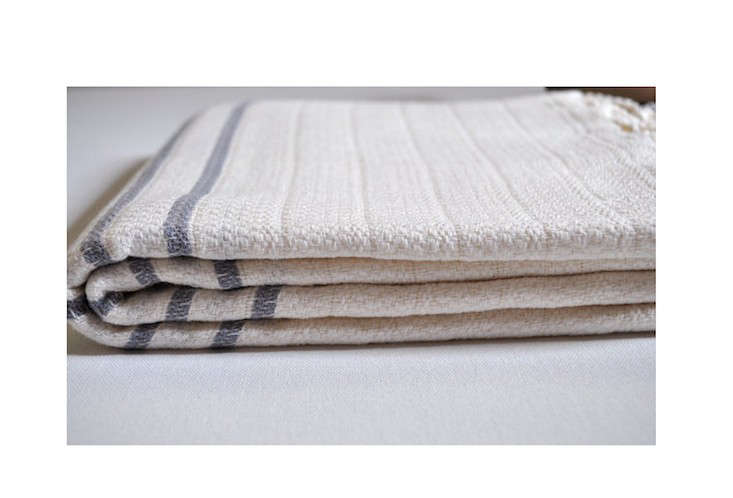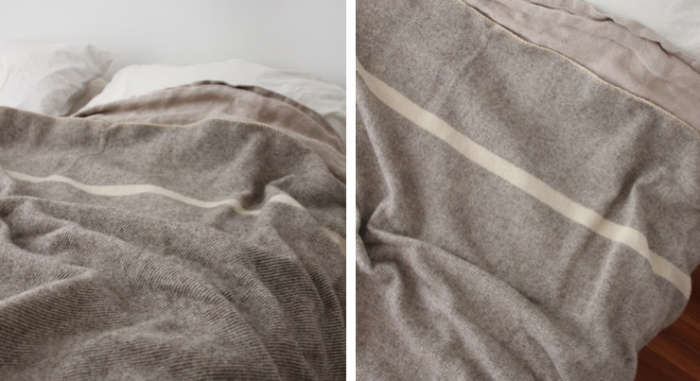
A natural stripe woolen blanket is the kind of home essential that quietly becomes everyone’s favorite. It starts as “just a blanket,” then somehow ends up on the sofa, at the foot of the bed, around someone’s shoulders during a chilly movie night, and possibly claimed by the family dog as an ancestral throne. That is the magic of wool: it feels practical, timeless, and just a little luxurious without trying too hard.
Unlike trendy synthetic throws that look fluffy for three weeks and then begin their dramatic decline into lint-ball territory, a quality wool blanket is built for real life. It offers warmth without smothering, texture without chaos, and visual interest through stripes that can make a room feel styled even when the rest of the space says, “I folded laundry nearby and then gave up.”
The natural stripe design is especially appealing because it balances simplicity with character. The stripes may be bold, thin, earthy, coastal, rustic, Scandinavian, farmhouse-inspired, or modern minimalist. But the best versions share the same basic promise: they bring cozy structure to your home while letting natural wool do what it has done beautifully for centuries.
What Is a Natural Stripe Woolen Blanket?
A natural stripe woolen blanket is a woven blanket made primarily from wool and designed with stripe patterns in neutral, earthy, or naturally inspired colors. The word “natural” can refer to the fiber itself, the color palette, the undyed or minimally processed look, or the overall organic style of the blanket. In most homes, it simply means the blanket looks warm, honest, and easy to live with.
Woolen blankets are usually made from sheep’s wool, though some may include blends with alpaca, cashmere, cotton, or recycled fibers. Traditional wool blankets are known for their durability, insulation, breathability, and ability to stay comfortable across changing temperatures. In other words, wool is not just cozy; it is basically nature’s overachieving intern.
The stripe pattern adds a design advantage. A plain blanket can be elegant, but stripes bring rhythm. They guide the eye, create contrast, and help a blanket work as a decorative accent. Draped over a leather chair, folded at the end of a bed, or tossed casually over a sectional sofa, a striped wool blanket makes a room look intentionaleven when the “casual toss” took three attempts and one tiny argument with gravity.
Why Wool Is So Good for Blankets
Natural Warmth Without Overheating
Wool is famous for warmth, but its real talent is temperature regulation. Wool fibers can trap air, helping insulate the body in cold conditions. At the same time, wool is breathable, which means it can release excess heat and moisture instead of turning your blanket into a personal sauna. This makes a natural stripe woolen blanket useful in winter, but also surprisingly practical during cool spring mornings or air-conditioned summer nights.
That balance is one reason wool remains popular in bedding and outdoor clothing. A good wool blanket does not simply pile on heat; it manages comfort. For hot sleepers, that can be the difference between peaceful rest and waking up at 2:00 a.m. feeling like a baked potato wrapped in foil.
Moisture Management and Breathability
Wool fibers can absorb moisture vapor and release it into the air, which helps the blanket feel dry and comfortable. This is especially helpful in bedrooms, cabins, guest rooms, and family rooms where blankets are used often. If you have ever curled up under a synthetic throw and felt clammy after fifteen minutes, wool’s breathability may feel like a small domestic miracle.
This moisture-handling quality also helps wool resist odors better than many common blanket materials. That does not mean your wool blanket should be used as a napkin during chili night, but it does mean it can often be refreshed with airing rather than constant washing.
Durability That Feels Old-School in the Best Way
A well-made wool blanket can last for decades with proper care. Wool fibers have natural resilience, allowing them to bend and recover instead of flattening quickly. That is why many heritage wool blankets become family keepsakes. They show up in old photographs, guest rooms, camping trips, reading corners, and eventually in conversations that begin with, “This blanket has been around longer than your cousin’s questionable mustache.”
Durability is also a sustainability benefit. A blanket that lasts for years reduces the need for frequent replacement. When choosing home textiles, longevity matters as much as softness, price, and style.
The Beauty of Natural Stripes
Stripes Add Structure Without Making Noise
Stripes are one of the most reliable patterns in interior design because they can be bold or quiet depending on scale and color. A natural stripe woolen blanket in cream, taupe, camel, gray, oatmeal, charcoal, or soft brown can act almost like a neutral. It gives the room movement without demanding that every pillow, rug, and lamp bow before it.
Thin stripes feel refined and tailored. Wide stripes feel graphic and confident. Uneven or handwoven stripes feel artisan and relaxed. The stripe choice changes the personality of the blanket, but the natural wool texture keeps it grounded.
Natural Colors Work With Many Decor Styles
A natural striped wool blanket fits beautifully into farmhouse, rustic, coastal, Scandinavian, modern organic, lodge, traditional, and transitional interiors. On a white bed, it adds warmth. On a dark sofa, it adds contrast. In a room with wood tones, it feels connected to the materials around it. In a minimalist apartment, it prevents the space from looking like nobody has ever laughed there.
For a calm bedroom, choose soft stripes in ivory, beige, and light gray. For a cabin or mountain-inspired space, look for deeper earth tones like brown, forest green, charcoal, or rust. For a modern living room, a black-and-natural stripe can add crispness without feeling cold.
How to Choose the Best Natural Stripe Woolen Blanket
Check the Fiber Content
Start with the label. A 100% wool blanket offers classic insulation, breathability, and durability. Merino wool tends to feel softer and finer. Lambswool is also soft and warm. Alpaca blends may feel silkier and lighter. Wool-cotton blends can be easier to use year-round and may feel gentler against sensitive skin. Recycled wool options can be sustainable and character-rich, though they may have a slightly rougher texture depending on how they are made.
If softness is your top priority, look for merino, lambswool, alpaca, or a brushed finish. If rugged durability matters most, traditional wool may be your best friend. If you want a decorative throw that looks high-end but is used mostly for layering, a wool blend can be a smart choice.
Think About Weight and Size
Wool blankets come in throw, twin, full, queen, and king sizes. A throw blanket, usually around 50 by 60 inches or 50 by 70 inches, is perfect for sofas, chairs, reading nooks, and decorative layering. A queen or king wool blanket works well on a bed, either as a main layer in cool weather or as an extra blanket folded at the foot.
Weight also matters. Lightweight wool blankets are breathable and easy to layer. Heavier wool blankets feel more substantial and are excellent for cold climates, drafty rooms, cabins, and people who believe “cozy” is a full-time personality.
Look at the Weave and Finish
The weave affects warmth, texture, drape, and durability. A tighter weave often feels smoother and more structured. A looser weave may feel softer and more relaxed but can snag more easily. Brushed wool has a fuzzy surface that increases softness and warmth. Whipstitched edges, bound edges, or fringe add style, but each has a slightly different care profile.
For households with pets or children, avoid overly delicate weaves or long fringe unless you enjoy untangling mysteries. A sturdy stripe wool blanket with reinforced edges is usually the safer choice.
Where to Use a Natural Stripe Woolen Blanket
In the Living Room
The sofa is the natural habitat of the striped wool blanket. Drape it over the back for a polished look, fold it neatly over one arm for a tailored effect, or place it in a woven basket for easy access. A neutral striped blanket can connect different colors in the room, especially if the stripes pick up tones from the rug, curtains, wood furniture, or artwork.
In the Bedroom
At the foot of the bed, a natural stripe woolen blanket adds hotel-level layering without making the room feel stiff. It also gives you flexible warmth. Pull it up on cold nights, fold it back when the room is warmer, and enjoy the fact that your bed now looks like someone with excellent taste lives there.
In a Guest Room
A wool blanket is a thoughtful guest-room addition because it lets visitors adjust their comfort. Some guests sleep cold, some sleep hot, and some treat the thermostat like a philosophical debate. A breathable wool layer gives everyone options.
For Outdoor Moments
A sturdy wool blanket can be useful for porch sitting, stargazing, fall picnics, tailgating, and campfire evenings. Use common sense, of course. Keep fine wool blankets away from mud, sparks, and wet grass unless they are designed for outdoor use. Wool is tough, but it is not a superhero cape.
How to Style a Natural Stripe Woolen Blanket
For a modern look, pair a black-and-cream striped wool blanket with clean-lined furniture, matte ceramics, and simple linen pillows. For a rustic look, combine camel or brown stripes with leather, wood, stone, and vintage accents. For coastal style, choose soft blue, gray, or sandy stripes with white cotton bedding and woven baskets.
If your room already has patterns, keep the blanket’s stripes subtle and within the same color family. If your room is mostly solid colors, let the blanket be the pattern hero. Stripes mix well with florals, checks, and geometric prints when the colors are coordinated. The secret is scale: pair wide stripes with small prints, or thin stripes with larger patterns.
A natural stripe woolen blanket also works beautifully with texture. Try it with nubby linen, smooth cotton percale, velvet pillows, leather chairs, rattan baskets, or a chunky jute rug. The more tactile the room feels, the more inviting it becomes.
Care Tips for a Woolen Blanket
Air It Out First
Wool does not need to be washed as often as many synthetic blankets. Often, the best first step is simply airing it outside in fresh air. Shake it gently, hang it where air can circulate, and let nature do some of the housekeeping. Nature does not fold it afterward, unfortunately, but we cannot have everything.
Follow the Care Label
Some wool blankets are dry-clean only. Others are machine washable. Always follow the manufacturer’s care label because wool can shrink, felt, or lose shape if washed incorrectly. If the blanket is machine washable, use cold water, a gentle or wool cycle, and a wool-safe detergent. Avoid bleach, hot water, harsh agitation, and high heat.
Dry With Patience
Air drying is usually safest. Lay the blanket flat when possible, or hang it evenly so the weight does not stretch one section. Avoid wringing or twisting the fabric. Never toss a non-machine-dryable wool blanket into a hot dryer unless your decorating goal is “expensive doll blanket.”
Store It Properly
Before storing a wool blanket, make sure it is clean and fully dry. Fold it gently and place it in a breathable cotton storage bag or a clean linen closet. Cedar blocks or lavender sachets may help discourage moths. Avoid sealing wool in plastic for long periods because trapped moisture can lead to mustiness.
Is a Natural Stripe Woolen Blanket Worth It?
Yes, especially if you value comfort, longevity, and timeless style. A quality wool blanket may cost more upfront than a synthetic throw, but it often performs better and lasts longer. It can serve as bedding, decor, a reading companion, a guest-room staple, and an emergency “I refuse to get up yet” cocoon.
The stripe pattern adds versatility. It gives the blanket enough personality to stand out, but not so much that it becomes difficult to style. Natural stripes age well because they are not tied to one short-lived trend. A cream, gray, camel, or charcoal striped wool blanket can look current for years.
Common Mistakes to Avoid
One mistake is choosing a blanket based only on appearance. A blanket can look stunning online but feel too scratchy, too thin, or too delicate for your needs. Read the fiber content, size, weight, and care instructions before buying.
Another mistake is overwashing. Wool often needs less laundering than people assume. Excessive washing can wear down fibers and affect texture. Spot clean when appropriate, air it out regularly, and reserve full washing for when it is truly needed.
A third mistake is ignoring scale. A tiny throw may look awkward on a large sectional, while a heavy king-size wool blanket may overwhelm a small accent chair. Match the blanket size to the furniture and purpose.
Experience Notes: Living With a Natural Stripe Woolen Blanket
The first thing you notice about a natural stripe woolen blanket is that it changes the mood of a room immediately. Place one across a plain sofa, and suddenly the room feels warmer, more layered, and more finished. It is like adding punctuation to a sentence that was technically correct but lacked charm. The stripes give the eye somewhere to land, while the wool texture makes the space feel lived-in rather than staged.
In daily use, the blanket becomes less of an object and more of a habit. You reach for it during morning coffee when the house is still cool. You pull it over your lap while reading emails. You fold it at the end of the bed at night and somehow feel more organized, even if there is a suspicious pile of clothes on the chair pretending not to exist. A good wool blanket does not shout for attention; it quietly improves ordinary routines.
One of the most pleasant experiences is how balanced wool feels compared with many synthetic throws. Some plush blankets feel warm at first but quickly become too hot. A wool blanket tends to breathe better, so the warmth feels steadier and more natural. It is especially nice during those in-between seasons when the weather cannot decide whether it is fall, spring, or a group project nobody organized.
The stripe design also proves useful over time. Solid blankets can sometimes disappear into the background, while bold patterns may feel tiring after a while. Natural stripes sit comfortably between the two. They look classic in winter with candles and heavier pillows, fresh in spring with linen bedding, and relaxed in summer when tossed over a porch chair on a cool evening. The pattern adapts without acting like it needs applause.
Another real-life advantage is how forgiving natural colors can be. Oatmeal, beige, gray, camel, and charcoal tones are easy to mix with other home textiles. They do not panic when you change pillow covers or move furniture around. If your decor evolves from farmhouse to modern organic to “I bought this lamp because it was on sale,” the blanket will probably still fit in.
Care becomes part of the experience too. With wool, you learn not to overreact to every little wrinkle or hint of use. A quick shake, a bit of fresh air, and careful folding can bring it back to life. That slower care rhythm feels oddly satisfying. It reminds you that some household items are not disposable conveniences but long-term companions. Treat the blanket well, and it rewards you with years of service.
Guests tend to notice it as well. A striped wool blanket folded in a guest room sends a message without needing a handwritten card: “You are welcome, and yes, you may adjust your own cozy level.” In a living room, it invites people to settle in. During movie night, it may become the most negotiated item in the house. If two people reach for it at the same time, diplomacy may be required.
The best experience, though, is emotional. A natural stripe woolen blanket brings a sense of calm permanence into the home. It feels connected to older traditions of weaving, warmth, and practical beauty. It is decorative, but not fragile. Useful, but not boring. Stylish, but not desperate to be noticed. That combination is rare, and it is exactly why this kind of blanket earns its place in bedrooms, cabins, apartments, family rooms, and anywhere people gather to be comfortable.
Conclusion
A natural stripe woolen blanket is more than a cozy layer. It is a smart blend of function, comfort, craftsmanship, and timeless design. Wool brings breathable warmth, moisture management, durability, and natural resilience. Stripes bring visual structure, versatility, and quiet personality. Together, they create a blanket that works hard, looks beautiful, and makes everyday living feel a little more inviting.
Whether you use it on a bed, sofa, reading chair, guest-room bench, or porch rocker, the right wool blanket can become one of the most loved pieces in your home. Choose quality fibers, pay attention to size and care instructions, and select stripe colors that complement your space. Do that, and you will have a blanket that does not just decorate the roomit becomes part of how the room feels.