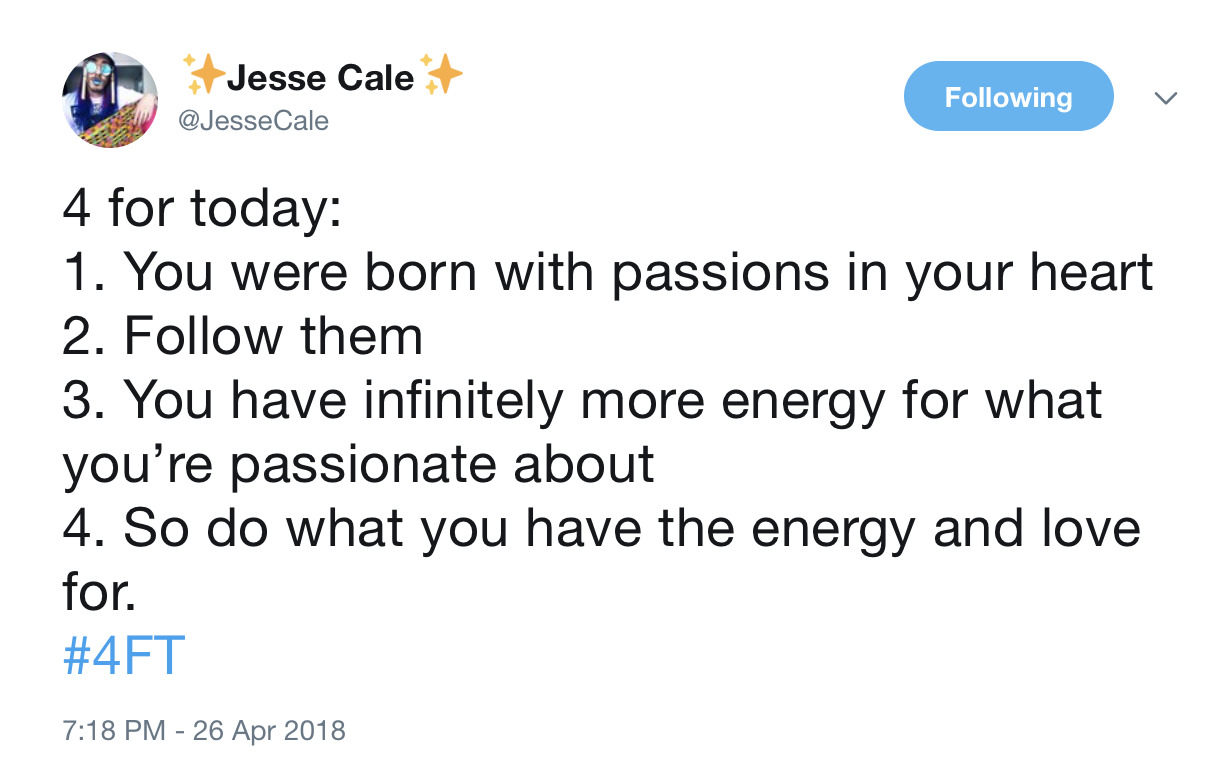
Some corners of the internet feel like a crowded elevator where everyone is holding a megaphone. Then, suddenly, a simple Twitter hashtag appears and reminds you that people can still be funny, generous, weird in the best possible way, and unexpectedly kind before breakfast. That is the quiet magic behind uplifting Twitter hashtags: they turn scattered posts into a tiny public square where strangers share jokes, pet photos, wins, memories, advice, good news, and the occasional dog wearing sunglasses like it has three mortgages and a side hustle.
Today, Twitter is officially known as X, but many people still say “Twitter hashtag” because the phrase has been living rent-free in internet culture for years. Whether you call it a Twitter hashtag, X hashtag, trending tag, or “that blue-clicky word with the pound sign,” the idea is simple: a hashtag organizes posts around a topic. When enough people use the same tag, it can become a shared conversation. And when the topic is joyful, wholesome, clever, or deeply relatable, it can genuinely make your day better.
This article explores why a cheerful Twitter hashtag works, which kinds of hashtags tend to lift people’s moods, how to use them well, and why something as tiny as “#GoodNews” or “#DogsOfTwitter” can feel like opening a window in a room full of bad headlines.
What Is a Twitter Hashtag, Really?
A Twitter hashtag is a word or phrase preceded by the “#” symbol. It turns a keyword into a clickable topic. For example, a post about a rescue puppy might include #DogsOfTwitter, while a story about a stranger paying for someone’s coffee could use #RandomActsOfKindness. Click the hashtag, and you can discover more posts from people talking about the same subject.
That is the technical explanation. The human explanation is better: hashtags are little doors. Some open into news, sports, politics, fandoms, or professional advice. Others open into a room full of baby goats, book recommendations, wholesome teachers, proud parents, excellent puns, and people celebrating the tiny victories that rarely make front-page news.
Why “This Twitter Hashtag Will Make Your Day” Is More Than a Catchy Title
The internet is often described as noisy, but it is also searchable. A good hashtag helps people find the kind of noise they actually want. If your timeline feels heavy, a joyful hashtag can function like a mood filter. Instead of waiting for the algorithm to guess what might cheer you up, you can search directly for communities and conversations built around kindness, humor, creativity, or hope.
That matters because social media is not just about broadcasting. It is about belonging. The best hashtags work because they invite participation. You do not need to be famous, verified, professionally witty, or blessed with perfect lighting. You can join by posting a small story, replying to someone else, sharing a photo, or simply reading quietly while your faith in humanity refills like a phone battery at 3%.
The Feel-Good Hashtags That Brighten Timelines
Not every hashtag is a burst of sunshine. Some are chaotic. Some are confusing. Some look like a cat walked across a keyboard and accidentally started a marketing campaign. But certain types of Twitter hashtags consistently create positive experiences because they encourage friendly, low-pressure sharing.
#GoodNews
The #GoodNews hashtag is exactly what it sounds like: a place to share positive stories. These may include community wins, medical recoveries, animal rescues, student achievements, environmental progress, small business milestones, or personal victories. It is the digital equivalent of someone saying, “Hey, the world is still complicated, but look at this nice thing.”
The beauty of #GoodNews is that it does not require dramatic storytelling. A post about a neighbor helping shovel snow, a kid reading their first book independently, or a shelter pet finding a home can fit perfectly. The hashtag works because good news does not always need fireworks. Sometimes it only needs a sentence and a heart emoji.
#RandomActsOfKindness
#RandomActsOfKindness is one of the most reliable mood-lifters because it focuses on action. People use it to share moments when someone helped without being asked, gave without expecting applause, or made a stranger’s day easier. These stories are powerful because they are practical. They remind readers that kindness is not an abstract personality trait. It can be a held door, a paid meal, a thoughtful message, a donated coat, or a patient explanation.
This hashtag also has a wonderful side effect: it makes kindness contagious. After scrolling through a few posts, you may suddenly want to text a friend, thank a teacher, leave a positive review, or let someone merge in traffic without narrating your sacrifice like a tragic opera.
#DogsOfTwitter and #CatsOfTwitter
Few things unite the internet faster than animals doing ridiculous things with total confidence. #DogsOfTwitter and #CatsOfTwitter are popular because they require almost no explanation. A golden retriever with a guilty face? Excellent. A cat sitting in a box one-sixth its size? Literature. A dog meeting snow for the first time? Cinema.
Animal hashtags make people smile because they are simple, visual, and emotionally low-risk. You do not need a strong opinion to enjoy a corgi in a raincoat. You simply observe, appreciate, and possibly whisper, “Who’s a little business potato?” to your screen.
#MondayMotivation
Mondays are famous for arriving too quickly and asking too much. #MondayMotivation helps people start the week with encouragement, goals, quotes, routines, fitness wins, work reminders, or personal reflections. The hashtag can be sincere, funny, ambitious, or all three at once.
The best #MondayMotivation posts are not the ones that pretend everyone wakes up at 5 a.m. glowing like a productivity candle. They are the ones that feel realistic: drink water, answer one important email, take one step forward, and remember that progress still counts if your breakfast was cereal eaten directly from the box.
#SmallWins
One of the healthiest corners of social media is the celebration of small wins. #SmallWins posts are often about manageable progress: finishing an assignment, cleaning a desk, taking a walk, saving a little money, cooking a meal, submitting an application, or making it through a hard day. These posts matter because real life is built from small wins, not cinematic montages.
When people share small wins, they make success feel accessible. They remind others that improvement does not always arrive as a thunderclap. Sometimes it arrives as folded laundry, a sent message, or the courage to try again.
Why Positive Hashtags Spread So Quickly
Positive hashtags spread because they are easy to understand, easy to join, and emotionally rewarding. A strong hashtag gives people a prompt. Instead of staring at a blank post box wondering what to say, users already know the assignment: share good news, show your pet, tell a funny story, post a small win, or thank someone.
They also spread because people like to pass along feelings. Humor, surprise, cuteness, gratitude, and hope all travel well online. A funny pet post gets shared because it gives someone a quick laugh. A kindness story gets reposted because it makes people feel that decency is still available. A motivational post gets saved because someone may need it later, possibly on a Tuesday pretending to be a Monday in disguise.
How to Use a Twitter Hashtag Without Looking Like a Spam Sandwich
Hashtags are useful, but too many can make a post look cluttered. A clean post with one or two relevant hashtags often reads better than a sentence followed by fifteen desperate keywords waving for attention. The goal is not to decorate your post like a birthday cake made by an overexcited algorithm. The goal is to help the right people find the right conversation.
Choose Relevance Over Popularity
A popular hashtag is not automatically the right hashtag. If you post a recipe under a trending sports tag, people may notice you, but not in the “Wow, what a strategic communicator” way. Relevance builds trust. If your post is about a rescued dog, use a pet-related hashtag. If it is about a classroom success, use an education or gratitude hashtag. If it is about personal progress, use something like #SmallWins or #MondayMotivation.
Keep It Short and Readable
The best hashtags are usually easy to read and remember. Capitalizing each word can improve readability, especially for longer phrases. For example, #RandomActsOfKindness is easier on the eyes than #randomactsofkindness. Your readers should not need a decoder ring, a flashlight, and three cups of coffee to understand the tag.
Match the Tone of the Conversation
Before joining a hashtag, take a moment to read recent posts. Some hashtags have specific community norms. Others may have changed meaning over time. A tag that looks cheerful at first glance might be used for sarcasm, activism, jokes, memorials, or live commentary. Checking the conversation first helps you avoid accidentally walking into a digital room wearing the wrong costume.
Add Value, Not Just Visibility
Hashtags can help people discover your post, but the post itself still needs to be worth discovering. Share a story, ask a thoughtful question, post an original photo, add a useful tip, or offer a sincere reaction. A hashtag is the doorway. Your content is the room. Try not to make the room empty except for a folding chair and a sales pitch.
Examples of Posts That Could Make Someone’s Day
Here are a few examples of feel-good hashtag posts that would fit naturally on Twitter or X:
Example 1: “My neighbor noticed I was studying late and left homemade soup at my door. I am now emotionally attached to soup. #RandomActsOfKindness”
Example 2: “Today I finished a book for the first time in months. It was only 180 pages, but I am accepting applause from the furniture. #SmallWins”
Example 3: “This is Moose. Moose brought me a sock as an apology for stealing another sock. The math is unclear, but the face is persuasive. #DogsOfTwitter”
Example 4: “A student who used to hate writing asked if she could read her story to the class today. Yes, I cried. No, I will not be taking questions. #GoodNews”
These examples work because they are specific. They do not just say “kindness is good” or “dogs are cute.” They show a moment. Specific moments create connection, and connection is what makes a hashtag feel alive.
The Marketing Lesson Hidden Inside Happy Hashtags
Brands, bloggers, nonprofits, and creators can learn a lot from joyful Twitter hashtags. The lesson is not “add a hashtag and become famous by lunch.” The lesson is that people respond to content that gives them something: a laugh, a useful idea, a feeling of belonging, a reason to care, or a story worth repeating.
For businesses, this means hashtag strategy should start with audience value. A bookstore might use #FridayReads to ask followers what they are reading. A pet brand might join #DogsOfTwitter with helpful care tips and adorable customer photos. A local café might use #GoodNews to celebrate community milestones. A nonprofit might use #RandomActsOfKindness to highlight volunteers and encourage participation.
The key is sincerity. People can sense when a brand joins a wholesome trend only to squeeze it like a lemon over a sales funnel. Join conversations that genuinely fit your voice, mission, and audience. A little humor helps. A little humility helps more.
How Hashtags Support Discovery on Google and Bing
While hashtags are mainly social media tools, they can indirectly support search visibility. When a hashtag campaign earns engagement, it can drive traffic to a website, increase branded searches, generate user-generated content, and create topic signals across the web. Search engines do not reward random hashtag stuffing, but they do reward useful content that people find, share, and discuss.
For SEO, the smarter approach is to connect social hashtags with deeper website content. If you run a blog about positive news, you might publish an article around uplifting stories and share it with #GoodNews. If you manage a pet website, you might create a photo contest connected to #DogsOfTwitter. If you write about productivity, you could pair #MondayMotivation posts with practical weekly planning guides.
In other words, hashtags can bring the spark, but your website should provide the fireplace.
What Makes a Hashtag Emotionally Powerful?
A hashtag becomes emotionally powerful when it gives people permission to share something they already wanted to say. People want to celebrate their pets. They want to thank strangers. They want to laugh about work, parenting, school, weather, cooking fails, and the universal mystery of missing socks. A good hashtag gathers those little human moments and makes them visible.
The best tags also create a sense of gentle participation. You can post, reply, like, bookmark, or simply read. There is no entrance exam. No one asks for your resume. You just bring a moment and place it into the stream.
How to Create Your Own Day-Making Hashtag
If you want to create a hashtag that brightens someone’s day, start with a clear emotional promise. What should people feel when they see it? Amused? Encouraged? Proud? Grateful? Inspired?
Next, make the hashtag simple. A tag like #TinyJoyTuesday is easier to remember than #ShareSomethingSlightlyPositiveThatOccurredRecently, although the second one does have the energy of a committee meeting with snacks.
Then, post examples. People join faster when they understand the format. If your hashtag is #TinyJoyTuesday, share a photo of your coffee, a paragraph about a kind message, or a quick note about a song that improved your morning. Show people what belongs.
Finally, respond to participants. A hashtag grows when people feel seen. Like posts, reply sincerely, repost strong examples, and keep the tone welcoming. A good hashtag is not a billboard. It is a picnic table.
Personal Experiences: How a Twitter Hashtag Can Actually Change Your Day
The first time I realized a Twitter hashtag could change the mood of an ordinary day, it was not because of a celebrity post or a viral campaign. It was because of a tiny story from a regular person. They wrote about an elderly neighbor who waved every morning from a porch, and how one day, when the wave was missing, several people on the street checked in. The neighbor was fine. The comments were full of people sharing similar stories about small communities, daily routines, and the quiet comfort of being noticed.
That is the real charm of a day-making hashtag. It does not need to be dramatic. In fact, it often works better when it is small. A post about a rescued kitten learning to trust again. A teacher sharing a student’s funny answer. A parent celebrating that their child tied their shoes. A worker saying a customer treated them kindly. These moments are not breaking news, but they are glue. They hold people together.
Another experience that stands out is scrolling through pet hashtags after a stressful day. There is something wonderfully democratic about animal content. A dog does not care about your job title. A cat does not care about your five-year plan. A parrot dancing to a ringtone has no interest in your inbox. These posts offer quick emotional relief because they ask nothing from you except a smile. For a few seconds, the world becomes simpler: here is a puppy with paws too big for its body; enjoy.
I have also seen kindness hashtags inspire real action. Someone shares that they bought extra groceries for a community pantry, and suddenly others reply with what they can do nearby. One person donates books. Another checks on a classmate. Someone else leaves a generous tip. The hashtag becomes more than a collection of posts; it becomes a prompt for behavior. That is when social media feels less like scrolling and more like participating.
The most memorable hashtags are often the ones that make people feel less alone. A student posts about finally passing a hard exam. A freelancer celebrates sending a proposal. A runner shares a slow mile after an injury. Under a tag like #SmallWins, those posts receive encouragement from strangers who understand that small progress can carry big emotional weight. The replies may be brief, but they matter: “Proud of you.” “Keep going.” “That counts.” Sometimes the internet gets it right.
There is also a creative benefit. Hashtags give people a playful structure. A prompt like #DescribeYourJobBadly or #MyPetInFiveWords invites jokes from people who might never write a full essay but can absolutely deliver one perfect sentence. That kind of participation makes the timeline feel alive. It reminds us that humor is a shared language, even when everyone is typing from a different couch.
Of course, not every hashtag will make your day. Some will make you close the app and go stare peacefully at a wall. The trick is learning to curate your experience. Search intentionally. Follow accounts that share the kind of content you want. Mute topics that drain you. Engage with posts that add something good. Social media platforms respond to behavior, so your clicks, likes, and searches help shape what you see next.
In my experience, the best Twitter hashtag is not always the biggest one. It is the one that meets you at the right moment. Maybe it is #GoodNews when headlines feel heavy. Maybe it is #DogsOfTwitter when you need a laugh. Maybe it is #MondayMotivation when your week starts like a printer jam. Maybe it is #SmallWins when you need permission to celebrate progress that nobody else noticed.
That is why a simple hashtag can make your day. It gathers tiny bright things and places them where people can find them. It turns strangers into witnesses, jokes into community, and ordinary moments into shared relief. In a digital world that can feel loud, fast, and occasionally allergic to calm, a good hashtag is a small but powerful reminder: there are still people out there being kind, funny, brave, proud, ridiculous, and wonderfully human.
Conclusion
A Twitter hashtag may look small, but it can carry a surprising amount of joy. The right hashtag helps people discover good news, laugh at pet photos, celebrate small wins, and join conversations that feel welcoming instead of exhausting. Whether you are a casual user, blogger, creator, marketer, or brand, the secret is the same: choose relevant hashtags, contribute something real, and remember that the best social media moments usually feel human first and strategic second.
So the next time your timeline feels like it needs a snack and a nap, search for a positive hashtag. Try #GoodNews, #RandomActsOfKindness, #DogsOfTwitter, #CatsOfTwitter, #MondayMotivation, or #SmallWins. Somewhere out there, someone is sharing a story that might make you laugh, breathe easier, or believe in people again. And honestly, that is a pretty good use of the pound sign.