Menopause has a way of showing up like an uninvited houseguest: one minute you are fine, the next you are peeling off layers, staring at the ceiling at 2 a.m., and wondering why your body suddenly thinks it lives inside a toaster. That is why so many women go hunting for natural menopause remedies, and sage for menopause keeps popping up on the shortlist.
It sounds charming, almost too charming. Sage is a familiar kitchen herb. It smells earthy, tastes savory, and somehow manages to sound wiser than most people in a group chat. But can it actually help with menopause symptoms, especially hot flashes and night sweats? The honest answer is: maybe, a little, for some people. That is not flashy marketing copy, but it is a lot closer to the truth.
This guide breaks down what sage is, what the research says, how effective it may be, what safety issues matter, and how to use it in simple recipes without turning your kitchen into an herbal science fair. Think of this as the practical, evidence-aware version of the conversation many women wish they could have before buying a supplement with an overly dramatic label.
Why Sage Gets Attention During Menopause
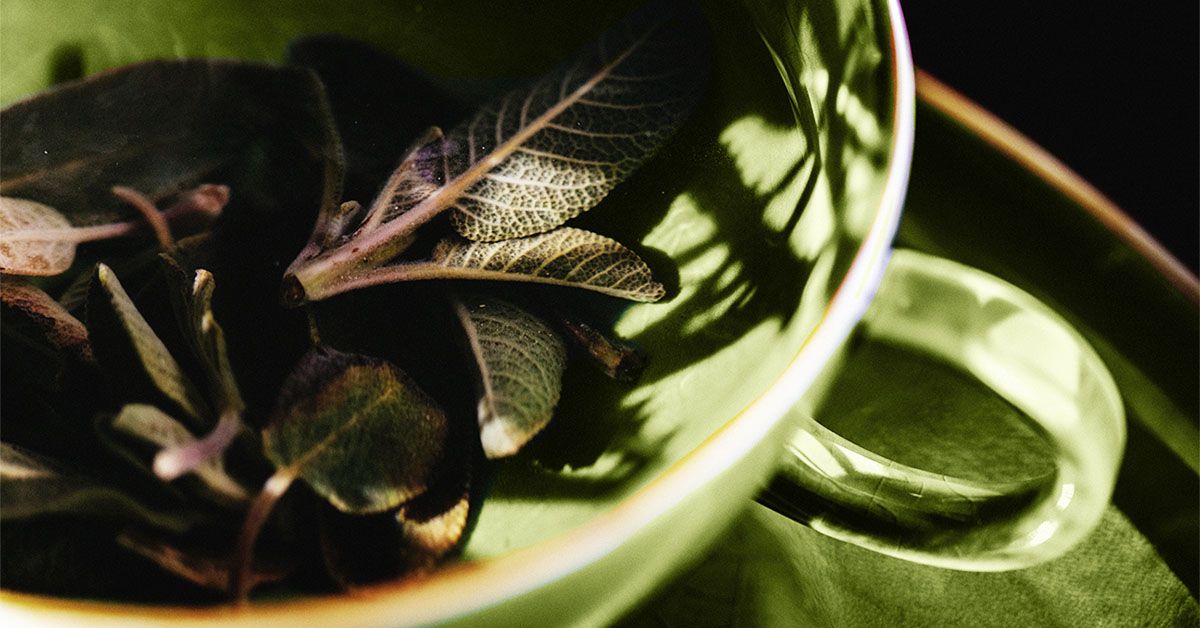
Common sage, usually Salvia officinalis, has been used in traditional herbal practices for centuries. In menopause conversations, it is most often mentioned for vasomotor symptoms, which is the clinical term for hot flashes and night sweats. Those symptoms are among the most common complaints during perimenopause and menopause, and they can interfere with sleep, mood, focus, work, and general patience with humanity.
Part of sage’s appeal is simple: it feels familiar. Unlike some mystery supplement that sounds like it was named by a wizard in a lab coat, sage is already in many kitchens. Some menopause products use sage alone, while others blend it with soy, black cohosh, vitamins, or other botanicals. That mix-and-match approach is part of the problem, though. When products contain several active ingredients, it becomes harder to know what is actually doing anything.
For women looking for nonhormonal options, sage tends to land in the “interesting, but don’t over-romanticize it” category. It may offer symptom support, but it is not the same as a guaranteed, thoroughly proven treatment.
What the Evidence Actually Says
There is some research, but it is not huge
The evidence for sage and menopause is best described as promising but limited. A few small studies suggest that sage may help reduce the frequency of hot flashes, and some trials have also reported improvements in related symptoms such as night sweats, sleep disturbance, or overall menopausal symptom scores.
That sounds encouraging, and it is. But small studies can only carry so much weight. They may use different sage preparations, different doses, different durations, and different ways of measuring symptoms. One study might use a sage extract capsule, another a tincture, and another a formula that combines multiple ingredients. When the methods are all over the map, the conclusions start doing yoga too.
The review data is hopeful, not definitive
A recent review of studies on Salvia officinalis in postmenopausal women found that the herb was linked to reductions in hot flash frequency, but the overall evidence still had important limitations. In plain English: sage may help, especially with how often hot flashes happen, but the science is not strong enough to call it a slam dunk.
That matters because menopause advice online often jumps straight from “a few studies looked decent” to “this herb changes everything.” Those are not the same sentence. Sage has enough evidence to justify careful interest, but not enough to justify miracle claims.
Major menopause organizations are still cautious
Here is the bigger reality check: expert menopause guidance still does not rank herbal remedies as first-line, evidence-backed treatment for bothersome hot flashes. Menopause specialists generally consider hormone therapy the most effective treatment for hot flashes and night sweats when a woman is a good candidate. Evidence-based nonhormonal prescription options also exist. Sage belongs more in the “possible supportive option” bucket than the “best-proven therapy” bucket.
How Effective Is Sage for Menopause?
If you are wondering whether sage works, the best answer is to ask a more useful question: what kind of result is realistic?
For some women, sage may help take the edge off mild to moderate symptoms. That might mean:
- fewer hot flashes during the day,
- less intense night sweats,
- slightly better sleep because overheating eases,
- an improved sense of control over symptoms.
What it probably will not do is erase severe menopause symptoms overnight, balance every hormone perfectly, reverse aging, improve your Wi-Fi, and make your laundry fold itself. If symptoms are seriously affecting your sleep, work, mood, or quality of life, sage may not be enough on its own.
The women most likely to feel a benefit are usually those with milder symptoms, women who prefer trying low-risk supportive strategies first, or women who want to combine lifestyle changes with other nonhormonal approaches. It can also appeal to women who enjoy tea rituals or cooking and want to work an herb into daily life in a gentle way rather than diving straight into a high-dose supplement.
Sage Tea vs. Sage Supplements
Sage tea
Sage tea for menopause is probably the most approachable option. It is warming, aromatic, and easy to make. It also encourages something many menopause plans forget: routine. A nightly cup of herbal tea can function as both a beverage and a signal to your nervous system that the day is winding down.
Tea is also less intense than concentrated extracts. That does not make it automatically harmless, but it usually means a more moderate intake than some supplement products.
Sage capsules or extracts
Supplements are where caution matters more. Extracts may be more potent, and product quality can vary. Unlike prescription drugs, dietary supplements are not approved by the FDA for safety and effectiveness before they are sold. That means brand quality, serving size, purity, and dose can be inconsistent.
If a label promises dramatic hormonal support in giant glittery language, that is usually your cue to lower one eyebrow and increase your skepticism. A lot.
Safety, Side Effects, and Who Should Be Careful
Here is the part that natural-remedy marketing loves to mumble through: natural does not automatically mean risk-free.
Sage is generally considered safe in normal food amounts. In research settings, larger amounts have also been used for short periods. But common sage contains thujone, a compound that can be toxic in high amounts. That is why experts tend to be more comfortable with ordinary culinary use and short-term, sensible use than with megadosing or long-term, unsupervised supplement experiments.
You should be especially cautious with sage if you:
- take multiple medications,
- have a seizure disorder,
- have significant liver concerns,
- have hormone-sensitive medical issues and want individualized guidance,
- plan to use concentrated extracts rather than food-level amounts.
Potential side effects can include digestive upset, dry mouth, or feeling that a product simply does not agree with you. That last one is not very scientific wording, but it is real-life wording, and real life counts.
The smartest move is simple: talk with a clinician before starting a sage supplement, especially if you are already taking prescription medicines for mood, sleep, blood pressure, blood sugar, or seizures. An herb is still a bioactive substance. Your liver does not care whether the box looked earthy and wholesome.
When Sage May Be Worth Trying
Sage may be reasonable to try when:
- your hot flashes are mild to moderate,
- you want a nonhormonal approach first,
- you prefer culinary or tea-based support,
- you understand the evidence is limited, not definitive,
- you are also working on lifestyle basics like sleep, trigger tracking, and cooling strategies.
It may be less reasonable to rely on sage alone when:
- your symptoms are severe,
- you are waking up drenched nightly,
- you are exhausted, anxious, or unable to function well,
- you have other symptoms that need medical evaluation,
- you are delaying better-studied treatment out of fear or online misinformation.
In other words, sage can be a tool. It should not have to carry the whole toolbox.
How to Use Sage Sensibly for Menopause
If you want to test whether sage helps, use a practical approach:
- Start low and simple. Begin with tea or food before jumping to high-dose supplements.
- Track symptoms. Keep a two- to four-week log of hot flashes, night sweats, sleep, and triggers.
- Use one new strategy at a time. If you change your diet, sleep routine, caffeine intake, and supplements all at once, you will not know what helped.
- Choose products carefully. If using a supplement, pick a reputable brand and avoid mystery blends with twenty ingredients and one impossible promise.
- Reassess honestly. If there is no clear benefit after a fair trial, move on. Menopause is not the time to stay loyal to a herb that is not pulling its weight.
3 Easy Sage Recipes for Menopause Support
These recipes are not medical treatments, but they are realistic ways to include sage in your routine without turning it into a chemistry project.
1) Cooling Lemon Sage Tea
Best for: a gentle daily ritual, especially in the afternoon or evening.
Ingredients:
- 1 to 2 teaspoons dried sage leaves or 4 to 6 fresh sage leaves
- 1 cup hot water
- 1 teaspoon lemon juice
- Optional: a small spoonful of honey
How to make it: Steep the sage in hot water for 5 to 7 minutes. Strain, add lemon, and sweeten lightly if desired. Drink warm or chill it and serve over ice.
Why it works well: It is simple, soothing, and easy to repeat consistently.
2) White Bean, Garlic, and Sage Soup
Best for: a comforting dinner that feels nourishing instead of fussy.
Ingredients:
- 1 tablespoon olive oil
- 3 cloves garlic, minced
- 1 small onion, chopped
- 4 to 5 fresh sage leaves, sliced thin
- 2 cans white beans, drained
- 3 cups low-sodium broth
- Black pepper and a pinch of salt
How to make it: Sauté onion and garlic in olive oil until soft. Add sage and stir for 30 seconds. Add beans and broth, simmer for 15 minutes, then partially blend for a creamy texture. Finish with black pepper.
Why it works well: It gives you fiber, protein, and comfort-food energy without being heavy.
3) Roasted Sweet Potatoes with Crispy Sage
Best for: a side dish that makes sage taste like it belongs in a restaurant instead of a supplement aisle.
Ingredients:
- 2 sweet potatoes, cubed
- 1 tablespoon olive oil
- 6 to 8 fresh sage leaves
- Black pepper
- Optional: a spoonful of Greek yogurt on top
How to make it: Toss sweet potatoes with olive oil and roast at 425°F until browned and tender. In the last few minutes, add sage leaves to crisp slightly. Finish with pepper and serve warm.
Why it works well: It is flavorful, easy, and proves that sage can be delicious without pretending to be magic.
What Women’s Real-World Experiences With Sage Often Look Like
When women try sage for menopause, the experience is usually less dramatic than the internet suggests and more practical than ads imply. Real life tends to fall into a few patterns.
First, there is the woman who starts with tea because it feels manageable. She is not trying to “fix” menopause in one weekend. She just wants fewer 3 a.m. overheating episodes and maybe a little peace before bed. For her, the first noticeable benefit may not even be fewer hot flashes right away. It may be the routine itself: sitting down, slowing down, drinking something warm, and feeling like she is doing one helpful thing for herself instead of doom-scrolling symptoms at midnight. Sometimes that ritual becomes part of what helps.
Then there is the woman who tries a sage supplement after hearing about it from a friend, a forum, or a particularly persuasive article with too many exclamation points. She may notice mild improvement after a few weeks, especially in how often hot flashes hit. Or she may notice absolutely nothing and wonder whether the bottle contained hope, oregano, or expensive disappointment. That is a common experience too. Limited evidence means results vary.
Another common story is the “almost helpful” experience. Sage seems to take the edge off daytime warmth, but night sweats still crash the party. Sleep is still choppy. Mood is still fragile. At that point, many women realize an herb can be supportive without being sufficient. That realization is not failure. It is useful data. Menopause management often works best as a layered strategy: better sleep habits, fewer triggers, cooling techniques, exercise, medical guidance, and sometimes prescription treatment.
Some women also discover that sage is easier to enjoy in food than in tea. Tea can taste earthy, strong, and slightly medicinal, which is a polite way of saying not everyone wants to sip a mug of savory garden. But roast vegetables with sage? Bean soup with sage? Crispy sage on top of a meal? Suddenly the herb feels a lot more welcome.
There is also the woman who tries sage and quickly decides, “Nope, not for me.” Maybe the taste is too strong. Maybe a supplement causes stomach upset. Maybe the effect is too subtle to bother continuing. That is a perfectly reasonable outcome. Not every menopause strategy deserves a long-term relationship.
Perhaps the most important real-world experience is this: many women feel better once they stop chasing miracle cures and start measuring what actually changes. A symptom journal can be surprisingly grounding. If hot flashes drop from ten a day to six, that matters. If nothing changes after several weeks, that matters too. Evidence-based self-observation is not glamorous, but it is powerful.
So the lived experience of using sage during menopause is usually not a movie montage where everything becomes breezy and beige and beautiful. It is more like thoughtful experimenting. Some women get modest relief. Some get none. Some discover that the herb helps a little, but their real game-changer is a broader menopause care plan. And honestly, that is a pretty wise outcome for a herb called sage.
Bottom Line
Sage for menopause is worth discussing because there is some real evidence behind it, especially for hot flashes and night sweats. But the evidence is still limited, the studies are small, and expert menopause guidance does not place sage in the same category as the best-proven therapies.
If your symptoms are mild, sage tea or food-based use may be a reasonable, low-drama place to start. If you are considering a supplement, be careful with quality, dosage, and interactions. And if your symptoms are significantly affecting your life, do not let the word “natural” keep you from getting effective medical help. Menopause is enough of a plot twist already. You do not need to add unnecessary suffering for authenticity.