Smart thermostats used to feel like the kind of gadget only a home-automation wizard would buysomeone who owned three smart speakers, two robot vacuums, and possibly a refrigerator that judged their snack choices. Today, the best smart thermostats are much more practical. They help manage heating and cooling, reduce wasted energy, make rooms more comfortable, and let you change the temperature from your phone without leaving the couch. That last feature alone has saved many households from the classic winter argument: “Who is going to get up and turn down the heat?”
After comparing real-world features, installation requirements, smart-home compatibility, room sensor performance, energy-saving tools, app usability, and long-term value, several models clearly stood out. The winners are not all the same kind of thermostat. Some are premium climate-control hubs. Some are budget-friendly workhorses. Some are best for Google homes, Alexa homes, older houses, electric baseboard heating, or ductless mini-split systems. In other words, the “best smart thermostat” depends on what is hiding behind your current thermostat coverand how much patience you have for tiny wires with tiny labels.
This guide breaks down the winners of our best smart thermostat tests in a practical, homeowner-friendly way. No hype, no robotic product blurbs, and no pretending every home has the same HVAC setup. Let’s find the right thermostat for the way people actually live.
Best Overall Smart Thermostat: Ecobee Smart Thermostat Premium
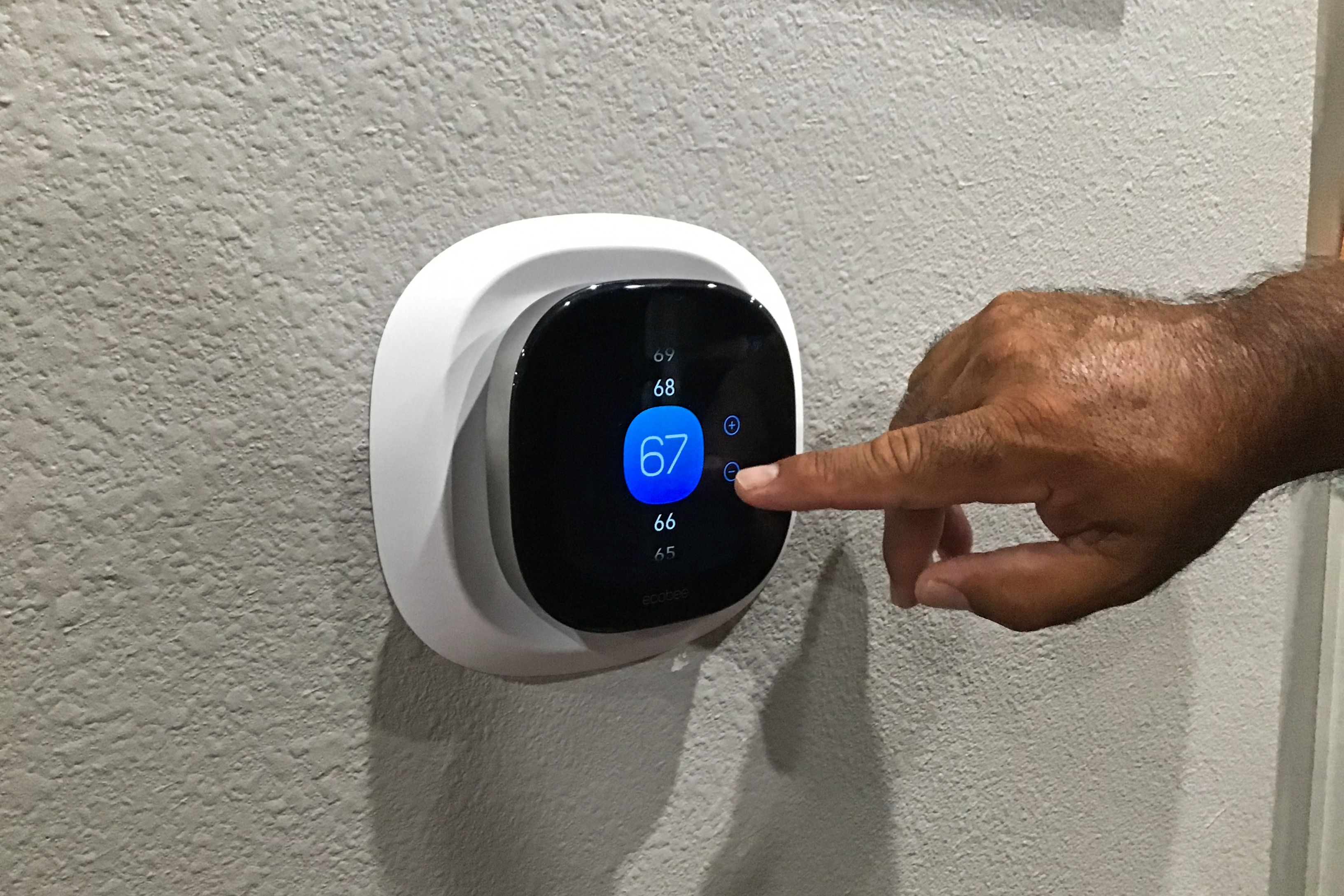
The Ecobee Smart Thermostat Premium earns our top overall spot because it feels less like a single-purpose wall control and more like a polished comfort system. It combines a bright touchscreen, excellent room sensor support, built-in voice control, indoor air quality monitoring, and broad compatibility with major smart-home platforms. It is the thermostat for people who want comfort, control, and a little “wow, that looks expensive” energy on the wall.
Why It Wins
Ecobee’s biggest advantage is its approach to room comfort. Many homes have one thermostat in a hallway, which is usually the least interesting and least representative place in the house. Meanwhile, the bedroom is freezing, the upstairs office is a toaster, and the living room is somehow both. Ecobee’s remote SmartSensor helps solve that by reading temperature and occupancy in the rooms that matter most.
The Premium model also includes an indoor air quality monitor that can alert users when air quality is poor and provide tips for improvement. That is not a replacement for a dedicated air quality system, but it is a useful extra, especially in homes where cooking, pets, wildfire smoke, or closed windows can affect indoor comfort.
Best For
The Ecobee Smart Thermostat Premium is best for larger homes, households with hot and cold spots, users who want room sensors, and anyone who wants strong compatibility across Alexa, Siri, Google Assistant, Apple Home, and smart-home routines. It is not the cheapest choice, but it is one of the most complete.
Best Smart Thermostat for Google Homes: Google Nest Learning Thermostat, 4th Gen
The Google Nest Learning Thermostat remains the design icon of the smart thermostat category. The 4th-generation model improves the formula with a larger display, more advanced learning features, Matter support, and a redesigned Nest Temperature Sensor included with the thermostat. It is sleek enough to make a plain hallway look intentional, which is not a sentence most people expect to say about HVAC equipment.
Why It Wins
Nest’s strength is automation. The thermostat studies household patterns, builds temperature schedules, uses presence sensing, and can make energy-saving suggestions. The interface is also easy to understand, especially for users already living in the Google Home ecosystem. The 4th-gen model works with many 24V systems, including forced air, heat pumps, radiant systems, and multi-stage heating and cooling setups, though homeowners should always check compatibility before buying.
The included Nest Temperature Sensor is a meaningful upgrade. It lets users prioritize a specific room during certain times of day. For example, the thermostat can focus on the bedroom at night and the living room in the evening. That is a small detail that can make a home feel noticeably more comfortable.
Best For
The Nest Learning Thermostat is best for Google Home users, design-focused homeowners, and people who want a thermostat that learns routines instead of relying entirely on manual scheduling. It is also a strong option for anyone who wants smart features but does not want the thermostat to look like office equipment from 2008.
Best Budget Smart Thermostat: Amazon Smart Thermostat
The Amazon Smart Thermostat is the budget champion. It does not have the premium screen, built-in speaker, or room sensor ecosystem of higher-end models, but it gets the basics right: app control, scheduling, Alexa integration, energy-saving automation, and an approachable price.
Why It Wins
For many households, the smartest smart thermostat is the one that actually gets installed. Amazon’s model is simple, affordable, and guided through the Alexa app. It is a strong match for users who already own Echo devices or use Alexa routines. You can adjust the temperature by voice, schedule changes, and control the thermostat remotely through the app.
The main catch is the C-wire requirement. Like many smart thermostats, it needs continuous power. Some homes already have a C-wire tucked behind the old thermostat; others will need an adapter or professional help. That is not a deal breaker, but it is worth checking before you buy, unless your weekend hobby is discovering electrical mysteries inside drywall.
Best For
The Amazon Smart Thermostat is best for budget-conscious buyers, Alexa households, apartments or smaller homes with compatible systems, and users who want smart scheduling without paying premium prices.
Best Smart Display Thermostat: Honeywell Home X8S Smart Thermostat
The Honeywell Home X8S Smart Thermostat is one of the most interesting newer entries in the category because it behaves like a thermostat and a small smart display. It features a large touchscreen, Matter certification, compatibility with major smart-home platforms, room sensor support, indoor air quality control features, and video doorbell integration with compatible Ring and First Alert devices.
Why It Wins
Honeywell has been in the thermostat world for a long time, but the X8S feels like a modern answer to Nest and Ecobee. The large display makes settings easier to read, and the video doorbell integration gives the thermostat a second job beyond temperature control. Is a thermostat the first place most people expect to answer the door? No. Is it surprisingly useful if the thermostat is near the kitchen or hallway? Absolutely.
The X8S is also Matter certified, which helps it work across Amazon Alexa, Google Assistant, and Apple Home ecosystems. That cross-platform support matters more than ever as smart homes become a mix of devices from different brands.
Best For
The Honeywell Home X8S is best for smart-home enthusiasts, people who want a bigger touchscreen, households with compatible video doorbells, and users who want a thermostat that doubles as a control panel.
Best Value with Room Sensors: Honeywell Home T9
The Honeywell Home T9 remains a strong value pick for homeowners who care about room-by-room comfort but do not necessarily need the fanciest display or premium extras. Its remote sensor support is the star of the show. Place sensors in key rooms, and the thermostat can prioritize occupied spaces or average temperatures more intelligently than a hallway-only thermostat.
Why It Wins
The T9 is practical. It is not trying to be a wall-mounted tablet, a speaker, or a design sculpture. It wants to help your HVAC system respond to the rooms you actually use. That makes it especially useful in homes where one room always runs colder or warmer than the rest.
It also supports common smart-home integrations and remote control through an app. For many families, the T9 hits the sweet spot between price, features, and comfort.
Best For
The Honeywell Home T9 is best for families, multi-room homes, and users who want remote sensors without jumping all the way into the most expensive thermostat tier.
Best Simple Touchscreen Thermostat: Sensi Touch 2
The Sensi Touch 2 is a great pick for people who want a clean touchscreen thermostat without feeling like they have joined a smart-home graduate program. It offers app control, scheduling, a modern color display, and compatibility with room sensors sold separately.
Why It Wins
Sensi’s appeal is its straightforward design. The interface is familiar enough for people used to traditional thermostats, but smart enough to provide remote control and scheduling. It is a good middle ground for homeowners who want modern features without too many extra layers.
The optional room sensors add flexibility, helping users understand temperature differences throughout the home. For example, if the bedroom regularly runs a few degrees cooler than the living room, a room sensor can help improve comfort decisions.
Best For
The Sensi Touch 2 is best for homeowners who want a simple touchscreen, reliable app control, and an easier transition from a standard programmable thermostat.
Best for Electric Baseboard Heat: Mysa Smart Thermostat
Most popular smart thermostats are designed for low-voltage central HVAC systems. That does not help much if your home uses high-voltage electric baseboard heaters. This is where Mysa stands out. The Mysa Smart Thermostat is built for electric baseboard, fan-forced, convector, self-contained hydronic baseboard, and radiant ceiling heating systems.
Why It Wins
Mysa works with many 120V to 240V electric heating systems, making it a specialized winner for homes that cannot use a Nest, Ecobee, Amazon, or standard Honeywell model. It offers app control, scheduling, energy tracking, and smart-home integrations, depending on the model and setup.
Electric heat can be expensive when it runs unchecked. A smart thermostat that allows better scheduling and room-by-room control can make a noticeable difference, especially in homes with multiple zones.
Best For
Mysa is best for homes, condos, cabins, and apartments with electric baseboard or line-voltage heating. It is not for standard central HVAC systems, so compatibility matters.
Best for Mini-Splits and Ductless AC: Cielo Breez
Homes with mini-splits, portable AC units, or window air conditioners often need a different kind of smart climate controller. Cielo Breez devices are designed to make infrared-remote-controlled air conditioners smarter. They can add app control, scheduling, geofencing, usage tracking, temperature range locks, and comfort automation.
Why It Wins
Cielo Breez is not a traditional wall thermostat for central HVAC. Instead, it works more like a smart remote control for ductless systems. That makes it extremely useful for garages, additions, rental units, guest rooms, workshops, and homes where mini-splits handle heating and cooling.
The temperature range lock feature is especially helpful for vacation rentals or shared spaces. It prevents guests or family members from turning the room into either a meat locker or a tropical greenhouse.
Best For
Cielo Breez is best for mini-split heat pumps, window AC units, portable AC units, and ductless systems that use infrared remotes.
How We Chose the Winners
Choosing the best smart thermostat is not just about picking the model with the prettiest screen. Our evaluation focused on real-world usefulness. A great thermostat should be easy to install, simple to use, compatible with common HVAC systems, and smart enough to save energy without making the home uncomfortable.
Installation and Compatibility
Compatibility is the first test. Many smart thermostats work with standard 24V HVAC systems, but not all support every heating or cooling configuration. Heat pumps, auxiliary heat, multi-stage systems, humidifiers, dehumidifiers, and ventilation equipment may require more careful setup. C-wire requirements also matter because smart thermostats need steady power for Wi-Fi, displays, sensors, and automation.
Energy-Saving Features
ENERGY STAR-certified smart thermostats are independently certified based on real-world field data to deliver energy savings. ENERGY STAR estimates average savings of about 8% on heating and cooling bills, while the U.S. Department of Energy notes that turning a thermostat back 7 to 10 degrees Fahrenheit for eight hours a day can save as much as 10% annually on heating and cooling. Smart thermostats make those setbacks easier because they can automate schedules, detect occupancy, and adjust remotely.
Room Sensors and Comfort
Room sensors are one of the most useful smart thermostat upgrades. A hallway thermostat only knows what is happening in the hallway. A sensor in the bedroom, nursery, office, or upstairs landing gives the system better information. Ecobee, Honeywell, Nest, and Sensi all offer room-sensor options in different ways.
Smart-Home Compatibility
Smart-home support matters because no one wants a thermostat that refuses to talk to the rest of the house. The best models work with major ecosystems such as Amazon Alexa, Google Home, Apple Home, and in some cases Matter. Matter certification is becoming more important because it can improve cross-platform compatibility.
Daily Usability
A thermostat can have brilliant features and still fail if the app is confusing or the screen is annoying. The best models make common tasks easy: changing temperature, setting schedules, switching modes, checking energy use, and overriding automation when needed. Nobody wants to open six menus just to stop the living room from becoming a sauna.
Which Smart Thermostat Should You Buy?
Choose the Ecobee Smart Thermostat Premium if you want the best all-around balance of comfort, sensors, air quality features, and smart-home compatibility. Choose the Google Nest Learning Thermostat if you want elegant design, Google Home integration, and strong learning automation. Choose the Amazon Smart Thermostat if price matters most and your home already runs on Alexa. Choose the Honeywell Home X8S if you want a thermostat that feels like a smart display. Choose the Honeywell Home T9 if room sensors are your priority but you want strong value. Choose Sensi Touch 2 if you prefer simplicity and a familiar touchscreen. Choose Mysa for electric baseboard heating, and choose Cielo Breez for mini-splits or ductless AC.
The most important advice is simple: check your wiring before buying. Remove the old thermostat cover, take a clear photo, label the wires, and use the manufacturer’s compatibility checker. A smart thermostat can be a wonderful upgrade, but only if it works with your system. When in doubt, ask an HVAC professional. That one phone call can save a lot of muttering at a wall.
Real-Life Experience: What It’s Like Living With a Smart Thermostat
The first week with a smart thermostat can feel oddly exciting. You install it, connect the app, create a schedule, and suddenly your wall has opinions. The thermostat starts noticing when people are home, when the house warms up, when it cools down, and how long the HVAC system takes to reach a target temperature. It is less “robot butler” and more “organized roommate who cares deeply about airflow.”
The biggest everyday benefit is convenience. Being able to adjust the temperature from bed is wonderful. So is turning down the heat after leaving for school, work, errands, or vacation. The remote-control feature sounds minor until the first time you forget to change the temperature before a weekend trip. Instead of worrying about wasted energy, you open the app, tap the setting, and move on with your day.
The second big benefit is comfort. In many homes, the thermostat is installed in a hallway because that was convenient for wiringnot because anyone relaxes in the hallway with a book and a blanket. Room sensors change the game. A bedroom sensor can help keep sleeping areas comfortable at night. A living room sensor can prioritize the space where everyone gathers after dinner. An office sensor can help during work-from-home hours, especially if the office gets afternoon sun and turns into a toaster with a desk.
Smart scheduling also helps reduce the “set it and forget it forever” problem. Traditional programmable thermostats can save energy, but many people never program them properly. Smart thermostats make scheduling easier through apps, guided routines, learning modes, and suggested adjustments. The best ones do not require constant babysitting. They quietly improve the rhythm of heating and cooling, then give you the option to override anything that feels wrong.
There are a few lessons learned the hard way. First, installation is usually simple, but not always. The C-wire is the tiny character that can turn a quick project into a hardware-store adventure. Some thermostats include adapters or power extender kits, but homeowners should still check wiring carefully. Second, smart thermostats are not magic energy machines. They save money by reducing unnecessary heating and cooling, not by bending the laws of physics. If your windows leak air like a spaghetti strainer, the thermostat can help, but insulation and sealing still matter.
Third, automations should match real life. A schedule that looks perfect on Monday morning may feel ridiculous by Saturday. The best setup usually combines a basic schedule, occupancy detection, and a few manual preferences. For example, a household might let the thermostat lower heating during school and work hours, warm things up before everyone returns, and focus on bedroom comfort overnight.
Finally, the right smart thermostat becomes invisible in the best way. After the setup period, you stop thinking about it. The house feels more consistent. The app is there when needed. Energy reports give helpful feedback. The thermostat becomes one of those upgrades that does not shout for attention but quietly improves daily life. That is the real win: not just a smarter wall gadget, but a home that feels more comfortable with less effort.
Conclusion
The winners of our best smart thermostat tests prove that there is no single perfect model for every home. The Ecobee Smart Thermostat Premium is the strongest overall choice for most people, while the Google Nest Learning Thermostat is ideal for Google-centered homes and design lovers. The Amazon Smart Thermostat delivers excellent value, Honeywell’s X8S pushes the category toward smart-display territory, and specialized options like Mysa and Cielo Breez solve problems that standard thermostats cannot.
A smart thermostat is worth considering if you want better comfort, easier scheduling, remote control, and smarter energy use. Just remember the golden rule: compatibility first, features second, bragging rights third. The best thermostat is not the one with the longest spec sheet. It is the one that fits your HVAC system, your routine, your smart-home setup, and your tolerance for tiny wires before coffee.