Seasonal cleaning is what happens when regular tidying grows up, gets organized, and starts drinking coffee from a labeled mug. It is not just about making your house look presentable before guests arrive and pretend they have never shoved random cords into a drawer called “miscellaneous.” Done well, seasonal cleaning helps your home feel healthier, calmer, and easier to manage all year long. It also gives you a chance to catch small problems before they become expensive ones, which is always more exciting than spending a Saturday morning googling “why is my vent making that noise?”
If daily cleaning is maintenance and weekly cleaning is damage control, seasonal cleaning is the reset button. It is the time to handle the jobs that do not need constant attention but absolutely need eventual attention: baseboards, ceiling fans, vents, windows, under-furniture dust colonies, refrigerator coils, entryway buildup, pantry clutter, outdoor cushions, and the mysterious top shelf of the closet that apparently stores only regret.
The good news is that seasonal cleaning does not require perfection. It requires a plan. When you break the work into seasons, you stop trying to deep-clean your entire house in one dramatic weekend that ends with sore knees and half a bottle of all-purpose cleaner. Instead, you clean with purpose. Spring can focus on deep dusting and fresh air. Summer can tackle outdoor living spaces and humidity-related grime. Fall is ideal for prepping your home for closed windows, guests, and colder weather. Winter becomes the season for indoor comfort, sanitizing high-use zones, and taming all the stuff that enters your home on boots, coats, and cold-weather gear.
Why Seasonal Cleaning Matters
A strong seasonal cleaning routine does more than improve appearances. Dust, moisture, and clutter affect how a home feels and functions. Dust collects on vents, fan blades, blinds, shelves, and soft surfaces. Moisture invites musty smells and mold issues in bathrooms, basements, and laundry areas. Clutter slows down routine cleaning because every flat surface turns into an obstacle course. Seasonal cleaning solves those problems in layers.
There is also a mental payoff. A cleaner home reduces the visual noise that makes everyday life feel more chaotic than it actually is. Opening a cabinet and finding matching containers instead of a leaning tower of expired crackers is oddly powerful. Seasonal cleaning gives you a sense of progress that daily chores rarely deliver. You are not just wiping a counter. You are resetting your environment.
It can even support better home efficiency. Cleaning refrigerator coils, checking door seals, clearing vents, and replacing filters help appliances and systems work more effectively. Washing windows can improve light. Rotating textiles and vacuuming under heavy furniture helps extend the life of floors and fabrics. In other words, seasonal cleaning is not just housekeeping. It is low-key home management with a spray bottle.
The Smart Way to Approach Seasonal Cleaning
The biggest mistake people make is treating seasonal cleaning like a punishment. It works better when it is structured like a project. Start with three rules.
1. Declutter before you deep-clean
Do not waste energy cleaning around things you no longer want. Before you scrub, sort. Toss expired products, recycle papers you do not need, donate usable items, and relocate anything that drifted into the wrong room months ago and somehow declared permanent residency.
2. Clean from top to bottom
This classic method still wins. Dust ceiling fans, vents, shelves, light fixtures, and trim before vacuuming or mopping the floors. Gravity is undefeated, so work with it, not against it.
3. Clean first, disinfect only when needed
For most households, routine cleaning with soap or detergent is enough for everyday dirt and germs. Save heavy disinfection for times when someone is sick, when illness has recently visited your house, or when you are handling truly high-risk messes. Your dining table does not need to live in a hospital drama.
Spring Seasonal Cleaning: The Big Reset
Spring is the celebrity season of cleaning, and for good reason. After months of closed windows, tracked-in dirt, and indoor living, your home is ready for a refresh. This is the best time to remove built-up dust and tackle the jobs that make everything feel brighter.
Spring priorities
Start with windows, sills, blinds, and curtains. Natural light reveals exactly how much winter happened in your house. Wash or vacuum window treatments, wipe tracks, and clean glass inside and out if possible. Next, dust ceiling fans, vents, light fixtures, and baseboards. These areas are easy to ignore and excellent at collecting grime.
Move into soft surfaces. Vacuum upholstery, flip or rotate mattresses if appropriate, wash bedding layers you usually skip, and clean under beds and couches. Spring is also a great time to shampoo rugs, spot-clean carpets, and vacuum behind furniture. If you have pets, this is the season when fur appears to unionize, so give fabrics extra attention.
In the kitchen, clean the inside of the refrigerator, wipe cabinet fronts, toss expired pantry items, and give the oven and microwave a proper reset. If your refrigerator model calls for it, seasonal maintenance like checking seals and cleaning coils can improve performance. That is a small task with big “look at me being responsible” energy.
Summer Seasonal Cleaning: Fresh, Light, and Outdoor Ready
Summer cleaning is less about surviving dust season and more about supporting active living. Doors open more often. People track in grass, sand, pollen, and everything else the outdoors generously provides. This is the season to focus on airflow, moisture control, and the spaces where people gather.
Summer priorities
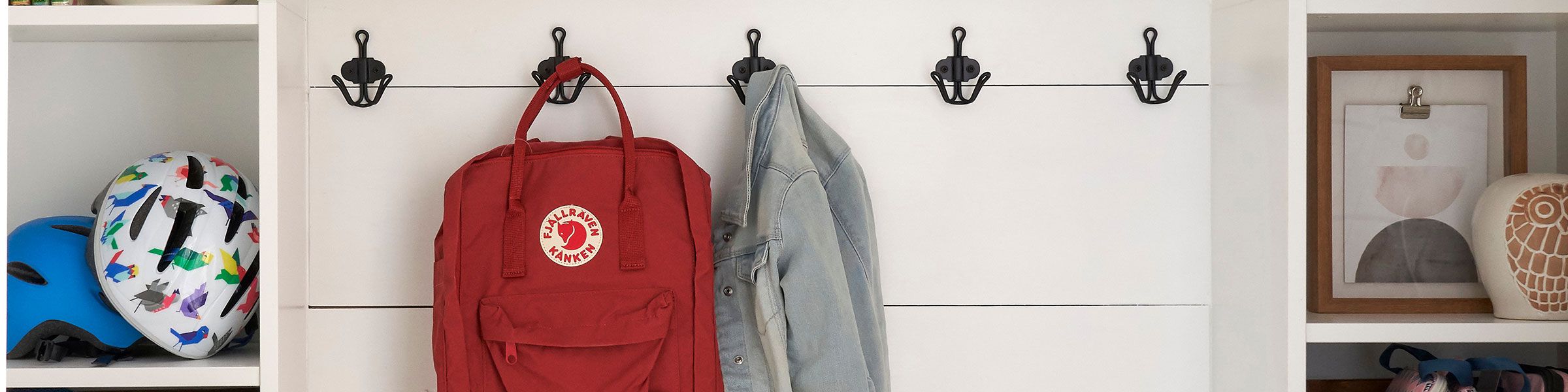
Begin with entryways and floors. Sweep more often, vacuum high-traffic areas, and keep a drop zone for shoes, bags, and sports gear. This is also the right moment to clean patio furniture, wash outdoor cushions, wipe down grills and serving carts, and sweep porches or balconies.
Inside, target humidity-prone areas. Bathrooms, laundry rooms, and basements deserve special attention in summer. Wipe surfaces regularly, check for leaks, run exhaust fans, and keep humidity at a comfortable level. If your home tends to feel sticky or musty, this is not your house being dramatic. It is asking for better moisture control.
Summer is also perfect for cleaning refrigerator shelves, freezer drawers, and kitchen zones that work overtime during entertaining season. Think ice makers, beverage areas, and the shelf where barbecue sauce somehow multiplies.
Fall Seasonal Cleaning: Prep for Cozy Season
Fall cleaning is underrated. It is the season that quietly decides whether winter in your home will feel peaceful or mildly chaotic. When the weather cools down and windows stay closed more often, you want the inside of your home to be organized, fresh, and ready for guests, holidays, and heavier use.
Fall priorities
Focus on textiles and comfort items. Wash throws, rotate seasonal bedding, vacuum upholstered furniture, and clean area rugs before indoor life ramps up. If you have a fireplace, now is the time to clean the surrounding area and tidy the hearth zone.
Fall is also ideal for pantry organization and kitchen prep. Clean shelves, toss expired spices, wipe down cabinet interiors, and make room for holiday cooking gear before you need it. In bathrooms, refresh shower curtains or liners, check grout and caulk, and restock basics before guest season sneaks up wearing nice shoes.
At the front door, create order. Clear out summer clutter, organize coats and bags, and make space for umbrellas, boots, and cold-weather accessories. A tidy entryway changes the mood of the whole house. It says, “We have our life together,” even if there are still random batteries in the junk drawer.
Winter Seasonal Cleaning: Health, Comfort, and Containment
Winter keeps everyone indoors longer, which means your home works harder. Air can feel stale, surfaces get touched more often, and mudrooms begin to resemble small equipment rental shops. Winter cleaning should focus on comfort, indoor air quality, and keeping dirt from spreading.
Winter priorities
Start with vents, filters, and dust control. Clean visible vents, replace or clean filters based on manufacturer guidance, and vacuum frequently in living spaces and bedrooms. Wiping dust with a damp cloth rather than flinging it dramatically into the air is usually the better choice.
Entryways matter even more in winter. Salt, dirt, moisture, and germs come in on shoes, coats, gloves, and bags. Keep mats clean, wipe hard floors regularly, and disinfect high-touch points like doorknobs and light switches when someone in the home is sick. Clean first, then disinfect where it makes sense.
Winter is also a good time to tackle hidden indoor zones: under sofa cushions, behind side tables, laundry room corners, and cabinet shelves that get ignored because they are not on social media. Freshening these overlooked spots makes a home feel cleaner without requiring a full dramatic reinvention.
Room-by-Room Seasonal Cleaning Checklist
Kitchen
Wipe cabinet fronts, clean small appliances, deep-clean the refrigerator and freezer, check pantry dates, degrease backsplashes, clean under movable appliances, and inspect fridge seals. Give trash and recycling bins a real wash, not just a quick “good enough” rinse.
Bathroom
Scrub grout, descale faucets and showerheads, wash bath mats and shower curtains, clear under-sink clutter, clean exhaust fan covers, and check for moisture problems. Bathrooms are small but mighty when it comes to collecting soap film, humidity, and mystery hair.
Bedroom
Wash pillows and bedding layers, vacuum mattresses and bed frames, rotate or flip mattresses if appropriate, declutter closets, dust nightstands and lamps, and clean under the bed. Under-bed storage should not become a museum of things you forgot you owned.
Living Areas
Dust shelves, electronics, baseboards, blinds, and picture frames. Vacuum upholstery, move furniture to clean underneath, wash throw blankets, and wipe remote controls and switch plates. Your living room may be relaxed, but its dust habits are not.
Entryway and Utility Spaces
Empty the catch-all basket, wash floor mats, wipe doors and handles, organize shoes, sort coats, clean laundry room surfaces, and inspect corners for lint and debris. These spaces are workhorses, and workhorses deserve a decent cleanup.
Common Seasonal Cleaning Mistakes to Avoid
One mistake is using too many products. More bottles do not automatically mean a cleaner house. In many cases, a few reliable products, microfiber cloths, a vacuum with attachments, and a plan work better than a mini chemical convention under your sink.
Another mistake is ignoring moisture. Dust is obvious. Dampness is sneaky. Control humidity, fix leaks quickly, and do not overlook the signs of mold or stale air. A clean-looking room can still have an air-quality problem if moisture is left alone.
Finally, avoid doing everything in one day. Seasonal cleaning works best when divided into manageable blocks. Assign one room, one category, or one floor at a time. The goal is progress, not collapsing on the stairs while hugging a mop.
How to Build a Seasonal Cleaning Routine You Will Actually Follow
Create a simple calendar with one major focus for each season and smaller monthly tasks to support it. Keep a reusable checklist on your phone or printed in a cabinet. Pair boring tasks with rewards: music, podcasts, coffee, or the promise that when you finish cleaning the pantry, you are absolutely allowed to buy nicer snacks for the freshly cleaned pantry.
It also helps to think in zones. Instead of saying, “I need to clean the whole house,” say, “Today I am doing bedroom textiles,” or “This weekend is kitchen maintenance.” Specific tasks are easier to begin, and once you begin, momentum usually shows up. Housework loves momentum almost as much as dust loves black furniture.
Seasonal Cleaning Experiences: What It Looks Like in Real Life
Seasonal cleaning sounds elegant on paper, but in real life it often starts with a much less glamorous moment. Maybe you pull back the couch to find enough crumbs to identify three separate snack eras. Maybe you open the pantry and discover a can of soup old enough to remember a different administration. Maybe you climb a step stool to dust the ceiling fan and realize it has been quietly building a sweater out of lint. That is the real charm of seasonal cleaning: it turns denial into action.
One of the most common experiences people have is the “why does this room suddenly feel bigger?” moment. It happens after you clear a crowded corner, vacuum under furniture, or remove things that slowly accumulated without permission. You did not add square footage. You just reclaimed it. A cleaned entryway becomes easier to use. A sorted closet becomes less annoying every morning. A wiped-down kitchen feels like it belongs to a person who might actually pack lunch instead of panic-ordering takeout.
There is also the emotional surprise factor. People often expect seasonal cleaning to be physically tiring, but they do not expect it to feel mentally relieving. Once the surfaces are clear and the hidden grime is handled, the house becomes quieter in a strange but wonderful way. You stop seeing twenty unfinished jobs every time you walk into a room. That reduction in visual stress is real. It can change the way you cook, rest, work, and even host friends.
Another very real experience is discovering how much easier regular cleaning becomes afterward. When the baseboards are clean, the pantry is organized, and the laundry area is not full of random bottles from three brand experiments ago, weekly chores shrink. You spend less time moving things around and more time actually cleaning. It is a little like sharpening a knife before cooking dinner. The task did not disappear, but it suddenly became less irritating.
Seasonal cleaning also teaches humility. You begin with confidence, armed with gloves and playlists, and then a single cabinet reminds you that humans are chaos with storage bins. But that is part of the value. You notice habits. You see where clutter collects. You learn which areas need better systems instead of more effort. Maybe the problem is not that your family is messy. Maybe the problem is that the entryway has nowhere for shoes to go and the bathroom has one sad drawer trying to do the work of an entire linen closet.
Over time, these experiences build a smarter routine. Spring becomes the season for dust and daylight. Summer becomes about moisture and outdoor living. Fall turns into prep mode. Winter becomes about containment and comfort. The house still gets dirty, because that is what houses do when people live in them, but the mess stops feeling random and starts feeling manageable.
That may be the best thing about seasonal cleaning. It is not perfection. It is rhythm. It gives your home a reliable reset, and it gives you proof that even the most chaotic drawer, sticky shelf, dusty vent, or cluttered corner can be improved with a little structure and a decent trash bag. Honestly, that is a hopeful message from a sponge.
Conclusion
Seasonal cleaning is less about chasing a picture-perfect house and more about creating a home that works better in every season. When you clean with the calendar instead of cleaning only when things become embarrassing, you make each job smaller, smarter, and more useful. You protect your space, improve comfort, and reduce the stress that comes from living around unfinished tasks. A good seasonal cleaning routine is practical, flexible, and surprisingly satisfying. Best of all, it turns your home into a place that feels refreshed on purpose, not accidentally.