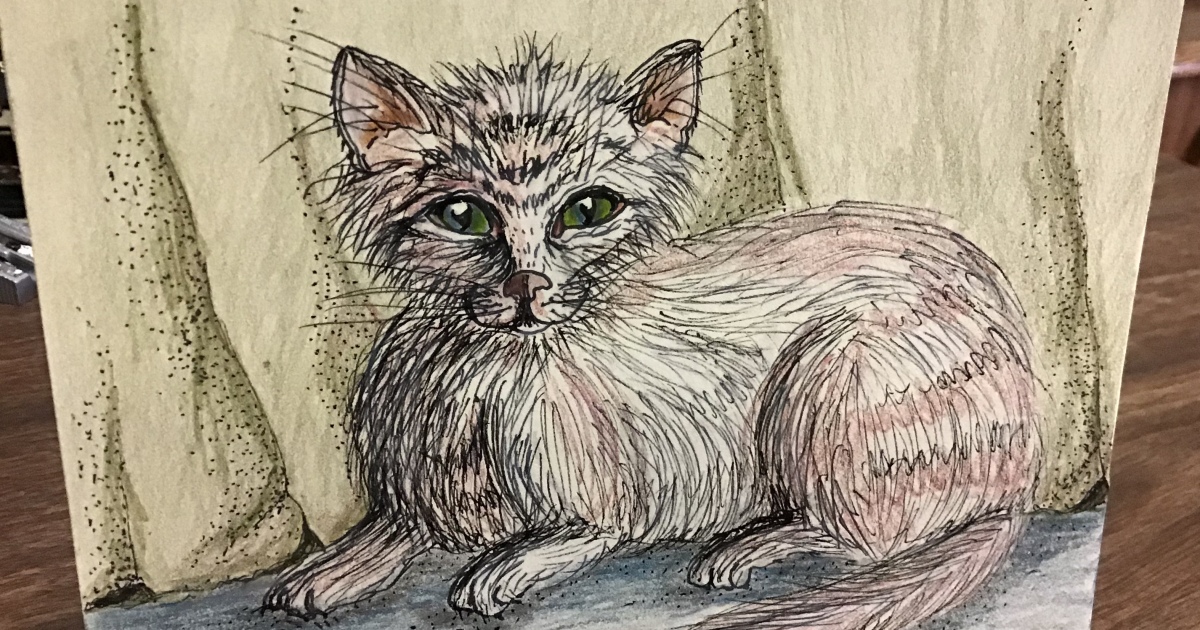
Some internet prompts ask for hot takes. Some ask whether cereal is soup. And then there are the truly important ones: “Hey Pandas, draw a picture of an animal on paper.”
Honestly, it is hard to improve on that. No expensive supplies. No gallery invitation. No need to understand perspective, composition, or why your pencil suddenly becomes allergic to straight lines. You just need paper, something that makes marks, and an animal you would enjoy spending a few minutes witheven if that animal is a grumpy-looking frog wearing an imaginary crown.
Drawing animals on paper is one of the easiest creative challenges to start and one of the hardest to outgrow. A quick sketch can be funny, sentimental, detailed, weird, realistic, cartoonish, or so delightfully questionable that your friends spend ten minutes debating whether it is a dog, a squirrel, or a loaf of bread with legs. That is not failure. That is art with audience participation.
This little challenge is not about creating museum-ready wildlife illustration. It is about slowing down, noticing details, playing with ideas, and letting a piece of paper become home to an animal that did not exist there five minutes ago. So grab your pencil, marker, crayon, or suspiciously dried-out pen from the bottom of a desk drawer. The animal kingdom is waiting.
Why Drawing an Animal on Paper Is More Fun Than It Sounds
Animals are excellent drawing subjects because they already come with personality. A cat can look judgmental without moving a muscle. A duck can appear cheerful, confused, and ready to start a small business at the same time. A bear has the shape of a living couch but somehow remains intimidating. Even a snail can look dramatic when it is carrying its little spiral house through a world that clearly was not designed for slow commuters.
Unlike drawing a plain object, animal drawing gives you room to make choices. You can sketch a realistic tiger with careful stripes and powerful shoulders. You can draw a hedgehog wearing roller skates. You can create a pigeon who has just discovered it left the oven on. Every version counts because the point is not to produce a perfect animal; it is to communicate something through lines, shapes, color, and expression.
Animal art also teaches you to observe. When you look closely at a rabbit, you notice that its ears are not just two skinny triangles. They twist, tilt, bend, and catch light. When you study a bird, you notice how its body is more like a rounded egg than a simple oval. When you draw a turtle, you discover that its shell is not merely a dome; it is a collection of patterns, plates, shadows, and tiny geometry problems.
That is the sneaky magic of drawing. You begin by trying to make a picture, and suddenly you are paying more attention to the world around you.
Start With an Animal You Actually Want to Draw
The best animal to draw is not necessarily the most impressive one. It is the one that makes you curious. Maybe you love wolves because they look majestic in snowy forests. Maybe you choose a raccoon because it has the energy of a tiny masked criminal searching through a trash can. Maybe you want to draw your pet because you know every weird way it sits, sleeps, begs, or stares at you while you are trying to eat cheese.
Easy Animal Ideas for Beginners
If you are staring at a blank page as though it personally insulted you, begin with an animal made from simple shapes:
- Fish: Oval body, triangle tail, circle eye, instant aquatic celebrity.
- Ladybug: Round body, dots, tiny legs, and almost no opportunity for anatomy to become stressful.
- Penguin: A tall oval with wings. Add a beak, and suddenly it is dressed for a black-tie event.
- Snake: One long curving line can become a full animal faster than you can say “please do not be venomous.”
- Owl: Two large eyes, a rounded body, and some feather texture go a long way.
- Cat: Circle head, triangle ears, noodle body, emotional damage in the eyes.
- Frog: Two large eyes, a wide mouth, and the confidence of an animal that knows it can leap away from responsibility.
Once you get comfortable, move on to animals with more complex movement: horses, foxes, birds in flight, octopuses, elephants, or dogs running at full speed. You do not have to start with an eagle soaring over a mountain range unless you enjoy making your first project feel like an unpaid internship.
How to Draw an Animal Without Overthinking It
Many people stop before they start because they assume drawing requires natural talent. In reality, drawing is mostly noticing shapes, making choices, and allowing yourself to make a few ugly drafts before things get interesting. The first sketch is not a final exam. It is a warm-up.
Step 1: Find the Biggest Shapes
Look at the animal as a collection of simple forms. A dog may begin with an oval body, a circle head, tube-like legs, and a curved tail. A bird may start with an egg-shaped body, a small circle head, and a triangle beak. A giraffe can be built from a large oval body, a long rectangle neck, and approximately one thousand tiny spots waiting to test your patience.
Keep your first lines light. You are mapping the animal, not carving it into stone. Give yourself permission to redraw a leg, move an eye, or replace a tail that somehow became the size of a garden hose.
Step 2: Watch the Pose
A pose is often what makes an animal feel alive. Is your fox curled into a nap? Is your horse leaning forward as if it is about to run? Is your cat sitting politely while secretly planning to knock a glass off the table? The direction of the head, spine, legs, and tail tells the viewer what is happening.
Try drawing a simple action line before adding details. For a running dog, make one sweeping curve from head to tail. For a sleeping cat, make a soft curled shape. For a standing flamingo, make a tall S-shaped curve that suggests the neck and body.
Step 3: Add the Signature Features
Every animal has a few details that make it recognizable. Rabbits have long ears. Zebras have stripes. Elephants have trunks. A shark without a fin may simply look like a very serious gray potato.
Choose a few traits to emphasize rather than trying to copy every hair, scale, feather, or whisker. A drawing does not need every detail to feel believable. Sometimes one alert ear, one bright eye, and a few confident lines are enough to make an animal look full of character.
Step 4: Use Lines to Suggest Texture
Texture can turn a simple sketch into something more expressive. Short, quick strokes can suggest fur. Long, flowing lines can create feathers. Repeating curves can hint at scales. Dots, dashes, and small marks can become freckles, spots, shell patterns, or a very fashionable leopard coat.
Do not outline every single strand of fur unless you are drawing for a scientific field guide or you have an unusually large amount of free time. Instead, use texture strategically. Add it around the cheeks, chest, tail, or paws, then let the viewer’s imagination finish the job.
Reference Photos Are Not Cheating
Using a reference photo is not cheating. It is how artists learn. Professional illustrators, animators, wildlife artists, and scientific artists study real animals because animals have complicated bodies, unexpected proportions, and joints that refuse to behave like cartoon noodles.
A reference helps you notice things memory tends to simplify. For example, many people remember a horse as having a large head, a long neck, four legs, and a tail. That is technically correct, but it does not explain where the shoulders sit, how the knees bend, or why horses somehow look elegant while standing in mud.
Use a photograph, a pet, a nature documentary paused at the right moment, or even a toy animal. Look carefully at the silhouette first. Then examine the eyes, paws, wings, ears, claws, or markings. Draw what you see, not what you think you remember from cartoons.
Of course, once you understand the basics, you can bend reality however you like. Give the turtle a backpack. Give the octopus a top hat. Give the pigeon a tiny coffee cup and a looming deadline. Nature is inspiring, but imagination is allowed to drive the bus.
Make Your Animal Drawing More Expressive
One of the most entertaining parts of animal drawing is giving your creature a mood. Animals may not file taxes, answer emails, or pretend to understand office spreadsheets, but they can still look deeply relatable.
Use the Eyes
Eyes do a lot of storytelling. Large round eyes can make an animal look curious or innocent. Narrow eyes can make it look suspicious. Half-closed eyes can create a sleepy, unimpressed expression. Raised eyebrows can make a cartoon dog look like it just heard someone open a bag of chips three rooms away.
Let the Ears and Tail Talk
Ears and tails are emotional punctuation marks. Upright ears suggest alertness. Drooping ears can suggest sadness, tiredness, or a dog who has realized bath day is happening. A high, curved tail may show excitement. A low tail may show caution. A puffed-up tail can communicate panic, surprise, or an encounter with a vacuum cleaner.
Give the Animal a Tiny Story
Instead of drawing an animal floating in empty space, place it in a moment. Maybe your bear is trying to make pancakes. Maybe your frog is waiting for a bus in the rain. Maybe your raccoon has found a diamond ring in a trash can and now has decisions to make.
A simple story makes your drawing memorable. It gives viewers something to wonder about and gives you a reason to add fun details in the background.
Supplies: Keep It Simple
You do not need a studio that looks like an art store exploded. A regular pencil and plain paper are more than enough. In fact, simple tools can make drawing feel less intimidating because there is less pressure to create something “worthy” of fancy supplies.
Here is a low-pressure animal drawing kit:
- Plain printer paper, sketchbook paper, or recycled paper with a blank side
- A pencil and eraser
- Black pen or fine-tip marker for final lines
- Colored pencils, crayons, or markers for personality
- A reference image or a willing pet who may or may not cooperate
Paper is especially wonderful because it is forgiving. You can fold it, shade it, erase it, tape it to a wall, cover it in doodles, or accidentally spill a little coffee on it and call the result “mixed media.”
Animal Drawing Prompts for the Hey Pandas Challenge
Sometimes a challenge becomes more fun when it has a small twist. Rather than simply drawing an animal, give yourself a creative prompt.
Try One of These Animal Art Ideas
- Draw your favorite animal as a superhero.
- Draw an animal that lives in your backyard or neighborhood.
- Draw an animal using only circles and triangles.
- Draw a made-up animal by combining two real animals.
- Draw an animal in the style of a children’s book illustration.
- Draw an animal that is much too small or much too large for its environment.
- Draw an animal enjoying a human hobby, such as baking, skateboarding, gardening, or karaoke.
- Draw an animal from memory, then compare it with a reference photo and draw it again.
- Draw the same animal using only one continuous line.
- Draw an animal that has just received very surprising news.
These prompts are useful because they remove the pressure of “make a perfect picture.” Instead, they give you a playful problem to solve. And playful problems are often where the best ideas hide.
Why Imperfect Animal Drawings Often Have the Most Charm
There is something special about a drawing that is not polished into oblivion. A crooked smile, oversized paws, uneven spots, or a bird with a suspiciously human expression can make a piece feel more personal. It reminds people that a real person made it with a real hand, probably while changing their mind three times about the nose.
Perfect drawing can be impressive. Imperfect drawing can be unforgettable.
Think about the doodles people keep on refrigerator doors, in old notebooks, or taped near a desk. They are not always technically flawless, but they hold emotion. A child’s lopsided dog may capture more joy than a detailed painting. A quick sketch of a beloved pet may mean more than a carefully staged photograph. A cartoon duck with enormous boots may become an inside joke for years.
That is why the “Hey Pandas, draw a picture of an animal on paper” idea works so well. It invites people to make something without demanding that they prove anything. You are allowed to be serious, silly, detailed, messy, realistic, imaginative, or all of the above.
Share the Drawing, Even If You Feel Nervous
Sharing art can feel strangely vulnerable. You might worry that someone will compare your sketch to a professional illustration, a viral social-media post, or the one friend who apparently emerged from the womb holding a charcoal pencil.
Try not to let comparison steal the fun. Your drawing does not need to win a contest to deserve a place on the page. It only needs to exist. Share it with a friend, tape it to the fridge, add it to a sketchbook, send it to someone who loves animals, or keep it private as a small reminder that you made time to create.
And remember: people are usually much more interested in the story behind a drawing than in whether every paw is anatomically perfect. Tell them why you chose the animal. Explain the tiny hat. Mention that the hamster is clearly a detective. Suddenly, your drawing becomes a conversation starter.
Experiences From the Paper Animal Challenge
The first time many people try an animal drawing challenge, they often choose something “safe.” A cat, perhaps. A fish. Maybe a turtle, because turtles have a built-in shell that can hide a surprising number of artistic uncertainties. Then the strange thing happens: after a few minutes, the blank page stops feeling blank. The pencil starts moving. The animal becomes less like a task and more like a tiny companion appearing line by line.
One of the most common experiences is realizing that animals are harder to draw than expectedbut also more interesting. A person may begin by drawing a dog and discover that the legs look like four pieces of uncooked spaghetti. The ears may sit too high. The tail may resemble a feather duster. Yet after a few adjustments, the dog suddenly has a personality. It might not look exactly like the reference photo, but it has that unmistakable “I am about to chase something I should not chase” expression.
Another memorable experience comes from drawing pets. Pets are familiar, but familiarity can make them surprisingly difficult to capture. You know your cat’s face so well that every tiny difference feels obvious. You know the exact way your dog tilts its head when it hears the word “walk.” You know that your rabbit somehow manages to look both elegant and mildly offended. Drawing a pet often becomes an exercise in noticing the small things: the shape of the paws, the fold of an ear, the little patch of fur that points the wrong way.
People also discover that drawing animals can become a family activity without much planning. One person draws a panda. Someone else draws a shark wearing sneakers. A child creates a purple horse with six legs and insists that it is scientifically correct because it lives on another planet. Soon the table is covered in paper animals, and nobody is worrying about who is “good” at art anymore.
There is also the unexpectedly calming side of it. Sitting down with paper and a pencil can create a small pocket of quiet in an otherwise noisy day. You focus on the curve of a wing, the pattern of scales, the roundness of a cheek, or the ridiculous size of a moose’s nose. For a little while, your attention belongs to the drawing instead of notifications, chores, deadlines, or the alarming number of unread messages in your inbox.
Some animal drawings turn into jokes. A sleepy sloth becomes a mascot for Monday mornings. A grumpy parrot becomes the face of a group chat. A tiny frog in a sweater becomes a birthday card, then a sticker idea, then a strangely beloved family symbol. The simplest sketches can grow into memories because they capture a mood that polished content often misses.
That is the real joy of drawing an animal on paper. It is not about proving that you are talented enough to make art. It is about giving yourself permission to look closely, laugh at mistakes, invent a little story, and leave a mark on the page. Your animal may be realistic. It may be bizarre. It may have one eye slightly higher than the other. It may be the best thing you draw all week.
Note: The goal is not a perfect animal drawing. The goal is to make something personal, playful, and unmistakably yours.
Conclusion: Put an Animal on the Page
So, Hey Pandas: draw a picture of an animal on paper. Pick a creature you love, a creature that makes you laugh, or a creature you have never tried to draw before. Start with simple shapes, pay attention to the pose, add a few meaningful details, and let the personality show.
You do not need fancy supplies, advanced art skills, or permission from the International Council of Extremely Serious Artists. You need a page, a pencil, and a willingness to see where a few lines take you. Draw the panda. Draw the pigeon. Draw the dramatic frog. Draw the raccoon who has clearly made several poor choices but looks fabulous anyway.
The animal kingdom is enormous. Your piece of paper is waiting.