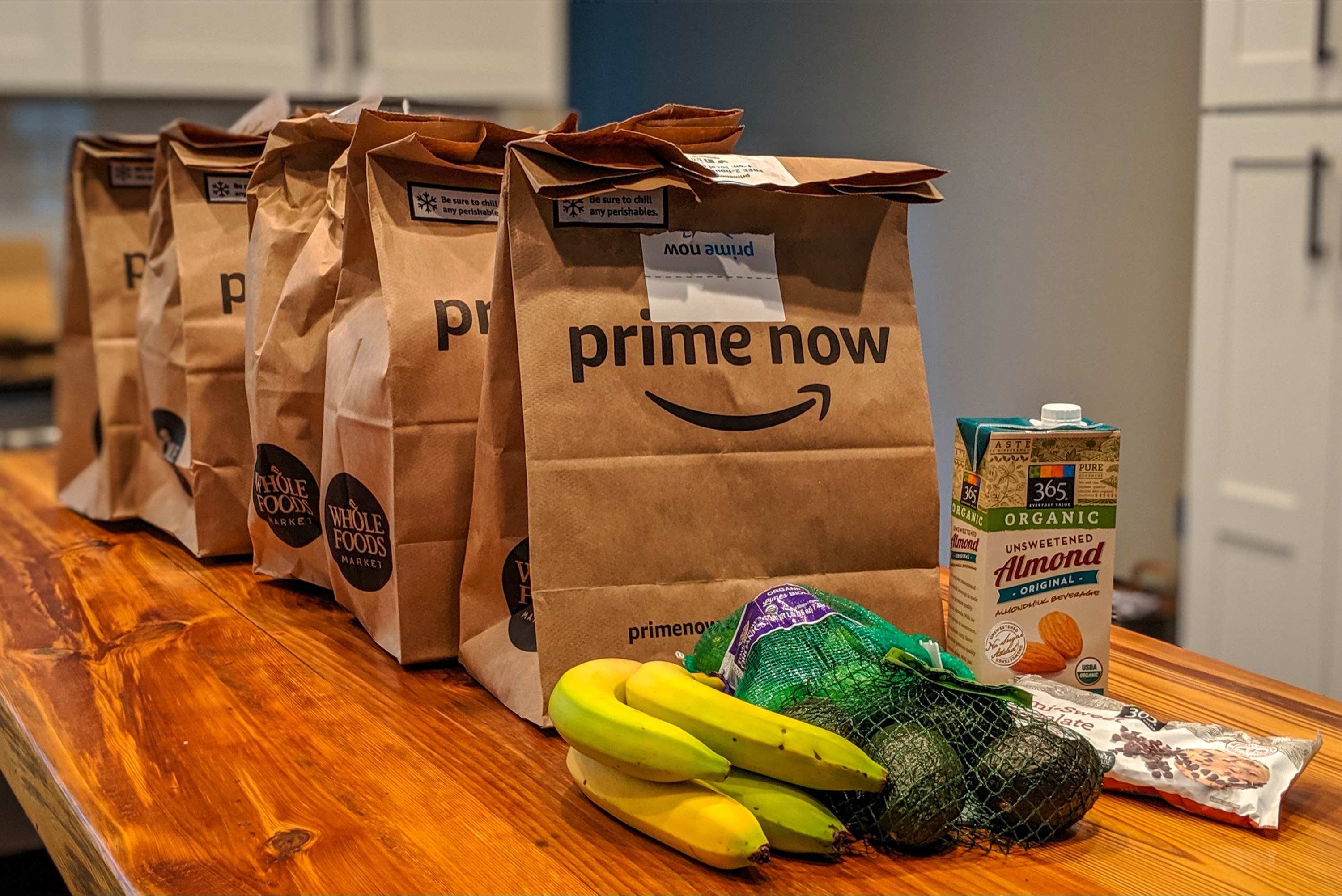
Note: Amazon Prime Pantry, later known as Amazon Pantry, is no longer available. Amazon shut the service down in January 2021 and moved many everyday household and pantry items into its main Amazon.com shopping experience. This review explains what Prime Pantry was, how it worked, why budget-minded shoppers liked it, where it fell short, and what to use instead today.
Introduction: The Grocery Box That Tried to Outsmart the Grocery Trip
Amazon Prime Pantry was one of those ideas that sounded almost too practical to be exciting: order cereal, soup, paper towels, laundry detergent, snacks, coffee, shampoo, and other household basics online, then have them delivered in one big box. No cart with a squeaky wheel. No forgotten coupons. No standing behind someone buying 47 yogurts and paying by check. For busy households, parents, apartment dwellers, and anyone who considered a trip to the store a weekly endurance sport, Prime Pantry promised a simpler way to stock the shelves.
But like many “convenience” services, the real question was not whether it was easy. The question was whether it actually saved money. A service can feel magical when the toilet paper arrives at your door, but the spell wears off quickly if hidden shipping fees, higher unit prices, or awkward order minimums quietly nibble your budget like a raccoon in a cereal aisle.
This Amazon Prime Pantry review takes a practical, budget-focused look at what the service was, how Prime Pantry worked, who benefited most, and why Amazon eventually discontinued it. We will also compare Prime Pantry with today’s better options, including Amazon Subscribe & Save, Amazon Fresh, Whole Foods Market delivery, Walmart+, Target Circle 360, and Instacart+. In other words, we are not just reviewing a retired Amazon service; we are asking the more useful question: what should smart shoppers do now?
What Was Amazon Prime Pantry?
Amazon Prime Pantry was a special Amazon shopping program built around shelf-stable groceries and household essentials. Instead of focusing on fresh produce, meat, frozen dinners, or dairy, it specialized in the middle aisles of the grocery store: pasta, rice, canned goods, chips, soda, coffee, breakfast bars, cleaning products, pet supplies, baby items, health products, and bathroom basics.
Think of it as the online version of the “I only need a few pantry things” shopping trip that somehow becomes a $96 expedition involving dish soap, peanut butter, and three boxes of crackers you bought because they were on sale. Prime Pantry attempted to make that trip more organized by grouping eligible items into one Pantry order.
At launch, Prime Pantry was mainly designed for Amazon Prime members. The basic idea was simple: customers could add eligible Pantry items to a virtual box, pay a flat shipping fee or meet a free-shipping threshold, and receive the order by ground shipping. Over time, Amazon adjusted the pricing model, experimented with subscription-style access, and changed the free-shipping rules. That constant tinkering was one clue that Prime Pantry was useful but not perfect.
How Amazon Prime Pantry Worked
1. Shoppers Picked Eligible Pantry Items
Prime Pantry did not include every product on Amazon. Items had to be marked as Pantry-eligible. Shoppers could browse a dedicated Pantry section or notice eligible products while searching the regular Amazon store. These products were usually everyday package sizes rather than bulk warehouse quantities.
That was one of Prime Pantry’s biggest selling points. Traditional Amazon grocery deals often favored giant packs: 24 rolls of paper towels, 12 bottles of salad dressing, or enough granola bars to survive a minor apocalypse. Prime Pantry appealed to people who wanted normal-size products without committing half a closet to oatmeal.
2. Items Went Into a Separate Pantry Cart
Pantry items did not always behave like regular Amazon Prime items. They were grouped separately, and they shipped separately. This separation could be helpful for organizing a household order, but it also created confusion. A shopper might add toothpaste, cereal, batteries, and a phone charger to an Amazon cart, only to discover that the Pantry items had different shipping rules from the regular Prime items.
That extra mental math was one of Prime Pantry’s biggest annoyances. Amazon Prime trained shoppers to expect fast, free, simple shipping. Prime Pantry said, “Yes, but this box has its own personality.”
3. Shipping Was Based on Fees or Minimums
Prime Pantry shipping changed over time. In its early years, customers typically paid a flat shipping fee per Pantry box. Later, Amazon experimented with monthly Pantry fees and free-shipping thresholds. Some versions offered free shipping when an order reached a minimum amount, while smaller orders triggered a flat fee.
For budget shoppers, this meant Prime Pantry could be a good deal only if you planned the order carefully. Buying one box of tea or one bottle of cleaner made no sense if it triggered a shipping charge. Building a larger order around staples, coupons, and sale items was usually the smarter move.
4. Delivery Was Slower Than Standard Prime
Prime Pantry generally used ground shipping, so it was not the same as standard two-day Prime delivery. Orders could take several business days to arrive. That was fine for canned beans and paper towels, but not ideal if you were already out of laundry detergent and your socks had entered emergency status.
Because it was built around shelf-stable goods, Prime Pantry also had geographic limitations. It was aimed at the continental United States and did not work well for every address type, such as P.O. boxes or some nontraditional delivery locations.
What Could You Buy With Prime Pantry?
Prime Pantry covered many of the products shoppers usually buy in the center aisles of a supermarket. Common categories included:
- Breakfast foods such as cereal, oatmeal, granola bars, and coffee
- Pantry staples such as pasta, rice, sauces, canned soup, and condiments
- Snacks, chips, crackers, cookies, and beverages
- Household supplies such as paper towels, trash bags, and dish soap
- Laundry detergent, cleaning sprays, and disinfecting products
- Personal care items such as shampoo, toothpaste, deodorant, and razors
- Baby supplies including wipes, diapers, formula, and snacks
- Pet food, treats, litter, and basic pet care supplies
What could you not buy? Fresh meat, seafood, produce, dairy, frozen foods, and many refrigerated items. Prime Pantry was never intended to fully replace the grocery store. It was more like a digital stock-up run for things that could survive a delivery truck without turning into science experiments.
The Best Parts of Amazon Prime Pantry
Convenience for Heavy or Bulky Items
Prime Pantry made the most sense for products that were annoying to carry home: detergent, soda, canned goods, pet food, paper products, and cleaning supplies. If you lived in a walk-up apartment, did not own a car, or simply disliked wrestling with a 20-pound bag of cat litter in a parking lot, delivery felt like a small luxury.
Good for Planned Stock-Up Orders
Prime Pantry rewarded planning. A shopper who made a monthly list of household basics could often build a sensible order and avoid impulse buys. That mattered because impulse purchases are the confetti cannon of grocery budgets. They seem small, then suddenly your receipt looks like it funded a parade.
Coupons and Promotions
Amazon frequently used digital coupons, buy-more-save-more offers, and rotating deals to make Pantry more attractive. For shoppers willing to compare prices, these promotions could create real savings, especially on brand-name products.
Familiar Brands
Prime Pantry carried many mainstream household brands. That was useful for families with strong preferences. If your toddler accepts only one specific snack pouch or your dog treats a certain kibble like fine dining, brand availability matters.
The Biggest Drawbacks of Prime Pantry
It Was Not Always Cheaper
Prime Pantry’s biggest weakness was price inconsistency. Some items were competitive. Others were cheaper at Walmart, Costco, Target, local supermarkets, or warehouse clubs. The service saved time, but it did not automatically save money.
Smart shoppers needed to compare unit prices, not just sticker prices. A $3.99 bottle of dish soap might look reasonable until you notice the local store sells the same size for $2.99. Multiply that across 20 items, and convenience starts charging rent.
Shipping Rules Reduced the Value
The separate shipping structure made small orders unattractive. If you needed just one or two items, the shipping fee could wipe out any savings. Prime Pantry worked best when shoppers built larger orders that qualified for free shipping or spread the shipping cost across many items.
No Fresh Food
Because Prime Pantry did not sell fresh produce, refrigerated dairy, fresh meat, frozen food, or prepared meals, it could not replace a weekly grocery trip. You still needed another solution for bananas, eggs, chicken, salad greens, and all the other foods that do not belong in a cardboard box for several days.
Separate Cart Confusion
Prime Pantry’s separate cart and shipping process clashed with the simplicity that made Amazon Prime famous. Customers liked Amazon because it was quick and predictable. Prime Pantry added conditions, thresholds, labels, and exceptions. For some shoppers, that made it feel less like a benefit and more like a puzzle with paper towels.
Was Amazon Prime Pantry Worth It?
When Prime Pantry existed, it was worth considering for three types of shoppers: busy households that regularly bought shelf-stable basics, people without easy transportation, and deal hunters who were willing to compare prices and use coupons.
It was less useful for shoppers who preferred generic brands, bought mostly fresh foods, lived near low-cost grocery stores, or disliked managing order minimums. A warehouse club membership, local supermarket pickup, or Walmart grocery order often beat Prime Pantry on price.
The best strategy was to treat Prime Pantry as a stock-up tool, not a full grocery solution. If you used it for monthly household supplies and checked unit prices, it could save time and occasionally money. If you used it casually for small orders, it could become expensive fast.
Why Did Amazon Discontinue Prime Pantry?
Amazon shut down Pantry in January 2021 as part of a broader effort to simplify grocery and household shopping. Instead of keeping Pantry as a separate program with separate carts, fees, and rules, Amazon moved many of the same products into the main Amazon.com store.
The decision made sense. By 2021, online grocery shopping had changed dramatically. More supermarkets offered pickup and delivery. Walmart, Target, Instacart, and regional grocers had improved their online systems. Amazon had also expanded Amazon Fresh, Whole Foods Market delivery, Subscribe & Save, and fast delivery on everyday essentials. Prime Pantry’s original purpose became less unique.
In plain English: Prime Pantry was a useful bridge between old-school grocery shopping and modern online grocery delivery. Once the bridge was no longer needed, Amazon folded the traffic into bigger roads.
What Replaced Amazon Prime Pantry?
Amazon.com Everyday Essentials
Many products that once belonged to Prime Pantry are now sold directly through the regular Amazon store. Shoppers can search for cleaning supplies, snacks, toiletries, pet food, paper products, and pantry staples without entering a separate Pantry section.
Amazon Subscribe & Save
Subscribe & Save is one of the closest modern replacements for Prime Pantry. It works well for repeat purchases such as detergent, diapers, coffee, vitamins, pet food, toothpaste, and paper goods. Shoppers can schedule recurring deliveries and may unlock discounts on eligible items, especially when multiple subscriptions arrive together.
This is often a better fit than Prime Pantry was because it focuses on predictable household consumption. If you know your family uses one pack of diapers every two weeks or one bag of dog food each month, Subscribe & Save can reduce both decision fatigue and emergency store runs.
Amazon Fresh and Whole Foods Market Delivery
For fresh groceries, Amazon Fresh and Whole Foods Market delivery are more complete options. Availability varies by ZIP code, but these services can include produce, meat, dairy, bakery items, frozen foods, prepared meals, and household staples. They are better suited for weekly grocery needs than Prime Pantry ever was.
Walmart+
Walmart+ is a strong alternative for shoppers who want grocery delivery, household basics, and competitive everyday prices. It can be especially valuable for families that already shop at Walmart and want store delivery for groceries, toiletries, cleaning supplies, pet products, and pantry staples.
Target Circle 360
Target Circle 360 is useful for shoppers who like Target’s mix of groceries, household goods, personal care products, baby supplies, and home items. Same-day delivery can be convenient, and Target’s private-label brands often compete well on price.
Instacart+
Instacart+ is broader because it connects shoppers with multiple local stores. It can be useful if you want access to supermarkets, warehouse clubs, pharmacies, pet stores, and specialty retailers in one app. The tradeoff is that service fees, tips, and possible item markups can make careful price comparison important.
Prime Pantry vs. Today’s Grocery Delivery Options
Compared with modern grocery delivery services, Prime Pantry now looks both clever and limited. It solved a real problem: shipping normal-size household staples without requiring shoppers to buy bulk quantities. But it did not solve the full grocery problem because it lacked fresh food and fast delivery.
Today’s best services are more flexible. Amazon Fresh and Whole Foods Market delivery can handle perishable groceries. Subscribe & Save handles recurring household products. Walmart+ and Target Circle 360 combine groceries with general merchandise. Instacart+ offers store variety. In that landscape, a separate Pantry box feels less necessary.
Still, the idea behind Prime Pantry remains valuable. Shoppers want convenience without paying silly fees. They want predictable restocking without surrendering their budget. They want fewer store trips without accidentally turning grocery delivery into a luxury hobby. Those goals are still relevant, even if Prime Pantry itself has retired from the stage.
Money-Saving Tips Inspired by Prime Pantry
Compare Unit Prices
Always compare ounces, pounds, sheets, loads, or count. Unit pricing is the tiny number that tells the truth while the big sale sticker waves jazz hands.
Build Orders Around Staples
Whether using Amazon, Walmart, Target, or Instacart, create a household staples list. Include items you buy repeatedly: detergent, trash bags, toothpaste, coffee, pet food, rice, pasta, canned tomatoes, soap, and paper products. A list reduces impulse buying and helps you spot real deals.
Do Not Chase Free Shipping Blindly
Free shipping is not free if you add $18 of unnecessary snacks to avoid a $6 fee. That is not savings. That is snack-based accounting, and it rarely ends well.
Use Subscriptions Carefully
Subscribe & Save can be excellent, but only if you monitor it. Review upcoming deliveries before they ship. Skip items you do not need. Cancel products you no longer use. Otherwise, you may accidentally become the proud owner of a toothpaste museum.
Mix Services Based on Strengths
No single service is best for everything. Use Amazon for specialty pantry items and subscriptions, Walmart for low everyday prices, Target for household and private-label products, and Instacart for local store access. The goal is not loyalty. The goal is value.
Real-World Experience: What Prime Pantry Felt Like for Shoppers
Using Prime Pantry felt like building a care package for your future self. You would sit at your laptop, notice the coffee supply was running low, remember that the laundry detergent had about two loads left, and start adding sensible things to the cart. Coffee. Detergent. Crackers. Soup. Trash bags. Shampoo. Then maybe a bag of chips, because financial discipline is important but so is morale.
The best Prime Pantry orders were planned. A good order felt efficient, almost adult in a suspiciously satisfying way. You could stock the pantry without pushing a cart, avoid weekend grocery crowds, and skip the part where you walk into a store for paper towels and leave with seasonal candles, clearance socks, and a mysterious kitchen gadget shaped like a penguin.
For families, Prime Pantry had a clear appeal. Parents could order baby wipes, snacks, cereal, juice boxes, and cleaning products after bedtime without dragging children through a supermarket. Anyone who has shopped with a toddler knows the grocery store is not a store; it is a negotiation arena with fluorescent lighting. Prime Pantry gave parents a quiet alternative.
Apartment dwellers also benefited. Heavy items are not just heavy; they are heavy in stages. They are heavy in the cart, heavy at checkout, heavy in the parking lot, heavy up the stairs, and heaviest at the exact moment your keys fall behind the recycling bin. Having bulky basics delivered could feel like a genuine quality-of-life upgrade.
But Prime Pantry could also be frustrating. The separate cart sometimes made checkout feel clunky. The shipping threshold encouraged shoppers to add more items, which was useful only if those items were truly needed. Prices changed often, and not every Pantry deal beat the local grocery store. A careful shopper could save money; a casual shopper could overpay while feeling thrifty.
The slower delivery also required planning. Prime Pantry was not for emergencies. If you were completely out of dishwasher detergent, waiting several business days was not charming. It was a domestic crisis with plates. The service worked best when shoppers reordered before they ran out, not after the last trash bag had been deployed like a household parachute.
The biggest lesson from Prime Pantry is that convenience has to be managed. Online shopping removes friction, and friction is often what stops us from buying extra things. When everything arrives with a click, the budget needs a stronger backbone. A monthly household checklist, price comparison, and subscription review can do more for your wallet than any single delivery program.
In hindsight, Prime Pantry was a useful but transitional service. It helped shoppers imagine a world where pantry restocking happened online, but it also revealed what shoppers really wanted: fewer separate rules, faster delivery, fresher groceries, better prices, and simpler checkout. Today’s grocery delivery services are closer to that vision, even if they still require attention to fees, tips, subscriptions, and minimum orders.
If Prime Pantry taught shoppers anything, it was this: convenience is wonderful when it supports your budget, but dangerous when it distracts from it. The smartest modern strategy is to combine the best parts of Prime Pantryplanned stock-ups, household staples, digital coupons, and doorstep deliverywith better tools available now.
Conclusion: Prime Pantry Is Gone, But the Smart Shopping Strategy Still Works
Amazon Prime Pantry was not perfect, but it was an important step in the evolution of online grocery shopping. It gave Prime members a way to order everyday pantry and household products without buying warehouse-size quantities. For organized shoppers, it offered convenience, occasional savings, and relief from carrying bulky basics home from the store.
Its weaknesses were just as clear. Shipping rules could be confusing, delivery was slower than regular Prime, fresh groceries were not included, and prices were not always the lowest. Amazon eventually retired the service because the broader grocery market had moved on. Today, shoppers have more complete options through regular Amazon shopping, Subscribe & Save, Amazon Fresh, Whole Foods Market delivery, Walmart+, Target Circle 360, Instacart+, and local supermarket pickup.
The best takeaway is not “Prime Pantry was good” or “Prime Pantry was bad.” The real lesson is that grocery convenience only works when it is paired with price awareness. Build a staples list. Compare unit prices. Avoid unnecessary add-ons. Use subscriptions only for products you truly use. Choose the delivery service that fits your household, not the one with the loudest marketing.
Prime Pantry may be gone, but the dream lives on: a stocked pantry, fewer errands, and no dramatic parking-lot battle with a family-size detergent bottle.