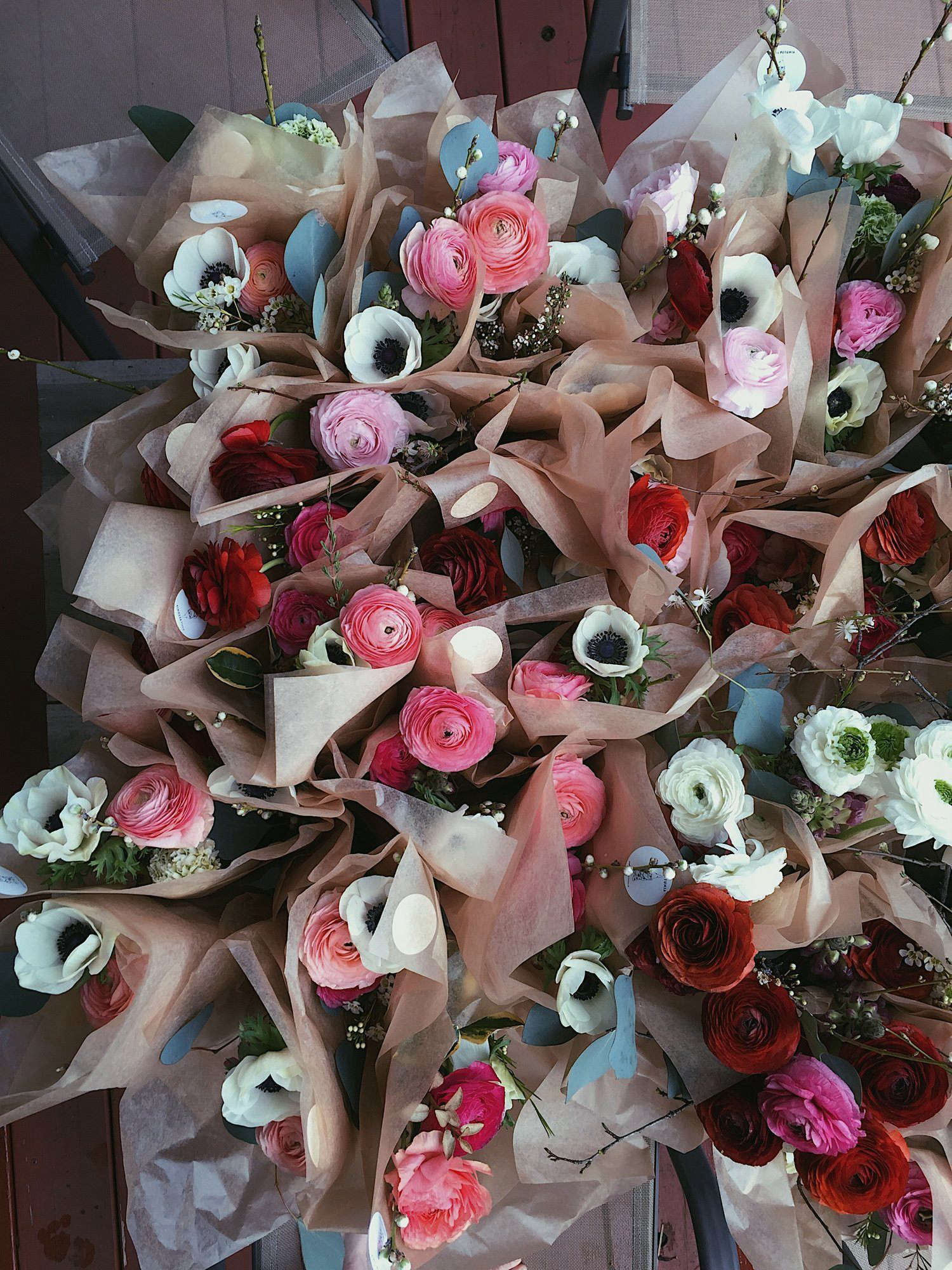
Some flower arrangements look as though every stem attended a mandatory meeting about posture. Others tumble, lean, curl, and generally behave like they have better things to do. The Pretty Unruly Flowers Weekly Subscription belongs firmly in the second camp: a small, seasonal bouquet designed to feel natural rather than aggressively engineered.
An indexed Remodelista listing describes the subscription as a Little Petunia offering featuring seven to nine seasonal stems, with weekly, biweekly, and monthly delivery choices. The listed price was $35 plus tax per delivery, with delivery included, and service was limited to San Francisco ZIP codes. The same listing says subscriptions could be stopped after a two-delivery minimum with at least 24 hours’ notice. Because the page labels its price as accurate “at time of publication,” shoppers should verify present availability, service areas, and terms before ordering.
Editor’s note: This guide evaluates the published subscription concept and its listed features. It should not be interpreted as confirmation that every price, delivery area, or cancellation term remains unchanged in August 2026.
What Is the Pretty Unruly Flowers Subscription?
The basic idea is refreshingly uncomplicated. Instead of ordering a large, formal arrangement for a birthday or anniversary, subscribers receive a compact selection of attractive flowers on a recurring schedule. The varieties change with the season, so the floristnot the customerchooses what looks best at that moment.
According to the published listing, each bouquet includes:
- Seven to nine carefully selected stems
- Seasonally changing flower varieties
- Weekly, biweekly, or monthly delivery options
- San Francisco delivery within eligible ZIP codes
- No separate delivery fee under the listed pricing structure
- A presentation card with the first delivery
- A two-delivery minimum before cancellation
The first-delivery card reportedly explains what the recipient can expect throughout the subscription. That small detail matters when the flowers are a gift. Without it, a recipient may assume the first bouquet is a lovely one-time surprise and spend the following Tuesday wondering why the flower fairy has returned.
Remodelista previously highlighted a Little Petunia bouquet subscription as a Valentine’s Day gift that continued well beyond the holiday, emphasizing the appeal of turning one romantic gesture into a repeating experience.
Why Are the Flowers “Pretty Unruly”?
The name suggests a loose, garden-inspired style rather than a perfectly symmetrical dome of identical blooms. “Unruly” does not have to mean messy, damaged, or arranged by a raccoon. In contemporary floral design, irregular stem heights, natural curves, negative space, and unexpected combinations can make a bouquet feel more personal and alive.
A seven-to-nine-stem arrangement is particularly suited to this aesthetic. With fewer flowers, each stem becomes noticeable. A branching tulip may lean toward the window. A ranunculus may open faster than its neighbors. A piece of airy foliage may extend beyond the bouquet’s main silhouette. The result can resemble a thoughtful clipping from an unusually well-behaved garden.
This approach differs from mass-market arrangements built around volume and visual uniformity. The Pretty Unruly Flowers concept appears to prioritize character, seasonality, and florist selection. That can be a strength for customers who enjoy discovery, although it offers less control to anyone who wants twelve red roses, precisely twelve, and absolutely no surprises.
How a Weekly Flower Subscription Changes a Room
Fresh flowers are temporary by nature, but recurring delivery makes them part of a household rhythm. The bouquet becomes less like special-event décor and more like changing artwork for a kitchen counter, entry table, desk, or bedside stand.
A small bouquet is easier to place
Seven to nine stems will not swallow a dining table or force guests to communicate through a hedge. A compact arrangement can fit inside a narrow vase, pitcher, jar, or ceramic vessel. It is also easier to move when the table suddenly needs to perform its less glamorous duties, such as holding mail, homework, and three charging cables nobody admits to owning.
Seasonal selection prevents repetition
Subscription services commonly rely on seasonal availability and florist curation to keep deliveries interesting. Current flower-subscription comparisons also tend to value flexibility, freshness, arrangement quality, and the ability to adjust delivery frequency.
One delivery might emphasize tulips and flowering branches. Another could include dahlias, chrysanthemums, ranunculus, or textural greenery. Exact varieties cannot be guaranteed when the florist chooses the best available stems, but that uncertainty is part of the experience.
It removes a recurring errand
A subscription automates a small luxury. There is no weekly trip to the flower market, no standing in a grocery-store aisle comparing slightly exhausted bouquets, and no forgetting flowers entirely until five minutes before guests arrive.
Is the Listed $35 Price a Good Value?
Value depends on more than stem count. The archived price of $35 per delivery included the bouquet and delivery within the eligible San Francisco area. At seven to nine stems, that works out to roughly $3.89 to $5 per stem before tax. That sounds substantial when viewed as raw plant arithmetic, but a delivered floral service also includes sourcing, conditioning, selection, design, wrapping, routing, and doorstep convenience.
Many nationally available flower subscriptions now begin around the mid-$40 range and can climb significantly higher depending on bouquet size, shipping, vase options, and delivery frequency. Recent roundups regularly place subscription arrangements from major services above the historical Pretty Unruly price, although nationwide programs may include more stems or broader customization.
The strongest value argument is therefore not “the maximum number of flowers for the minimum number of dollars.” It is access to a locally delivered, florist-curated bouquet with a distinctive aesthetic. Customers seeking a dramatic centerpiece may find seven to nine stems too restrained. Customers who want an artful weekly accent may consider the size exactly right.
Weekly cost adds up quickly
At the listed price, four weekly deliveries would total approximately $140 plus tax. Over a 52-week year, the theoretical total would be $1,820 plus tax. Few people need to commit for an entire year, but the math is worth noticing before a charming weekly ritual quietly becomes a line item with its own gravitational field.
Biweekly or monthly delivery can preserve the pleasure while reducing cost and bouquet turnover. Weekly service makes the most sense for offices, hospitality spaces, frequent entertainers, dedicated flower lovers, or gift recipients who genuinely enjoy maintaining fresh arrangements.
Who Would Enjoy This Flower Subscription?
The Pretty Unruly Flowers Weekly Subscription appears best suited to people who appreciate understated, changing arrangements instead of oversized bouquets. It may be especially appealing for:
- San Francisco residents who prefer locally delivered flowers
- Hosts who want fresh tabletop décor without repeated ordering
- Design-conscious recipients who like loose, seasonal arrangements
- Busy professionals who want flowers in a home office
- Partners seeking a romantic gift that lasts longer than one occasion
- Businesses wanting a small arrangement for a reception desk or treatment room
- People who enjoy arranging a few distinctive stems themselves
It is less appropriate for customers who need nationwide delivery, want complete control over every flower variety, expect a large centerpiece, or prefer one bouquet to last several weeks. It may also be a poor fit for recipients who travel frequently unless deliveries can be paused or coordinated.
Important Questions to Ask Before Subscribing
Since the accessible product information may be archival, confirm the following details directly with the retailer before purchasing:
- Is the subscription currently accepting new customers?
- Which San Francisco ZIP codes are eligible?
- Is the price still $35 plus tax per delivery?
- Are delivery fees still included?
- Can deliveries be paused for travel?
- What happens when nobody is home?
- Can allergy-sensitive or pet-safe flowers be requested?
- How much notice is required to reschedule or cancel?
- Does the recipient receive loose stems or a fully arranged bouquet?
Flexibility has become an important feature in the wider subscription market. Major services often let customers alter frequency, select bouquet size, change recipients, or pause upcoming deliveries. Those options are useful benchmarks when evaluating a smaller local program.
How to Make Each Bouquet Last Longer
Even excellent flowers can have a disappointing vase life when they are placed in yesterday’s cloudy water beside a sunny window and then ignored. A few minutes of care can noticeably improve the experience.
Start with a genuinely clean vase
Wash the container with hot, soapy water before every bouquet. Residue and bacteria can interfere with water uptake and shorten the life of cut flowers. University horticulture guidance consistently recommends clean vessels, fresh water, and sanitized tools.
Trim the stems
Use clean, sharp scissors or pruners to make a fresh angled cut near the base of each stem. The angled surface can improve water access and prevents the stem from sitting flat against the bottom of the vase. Remove any leaves that would rest below the waterline.
Use the flower food
Add the provided floral preservative according to its directions. These packets generally combine sugar, an acidifying ingredient, and a substance that helps manage microorganisms. More is not automatically better; the bouquet does not need a flower-food protein shake.
Refresh the water
Replace the vase water every few days or whenever it turns cloudy. Rinse the vase, recut the stems, and remove fading material. University of Minnesota Extension similarly advises fresh cuts, removal of submerged foliage, floral preservative, and regular water replacement.
Choose a cool display location
Keep flowers away from direct sunlight, heating vents, and hot appliances. Cooler conditions generally slow flower metabolism and help preserve blooms. Avoid placing the arrangement beside ripening fruit, which can release ethylene and speed aging in sensitive flowers.
A Safety Note for Homes With Pets
Seasonal selection means the flower varieties may change from delivery to delivery. Pet owners should therefore ask exactly which blooms are included, particularly when cats live in the home. True lilies and daylilies can cause severe, potentially fatal kidney injury in cats, and exposure may occur through petals, leaves, pollen, or vase water. The ASPCA advises carefully checking incoming bouquets and avoiding dangerous lily species in cat-owning households.
A “pet-safe” request should be confirmed for every delivery rather than assumed from one bouquet. When the florist cannot guarantee appropriate substitutions, a non-floral subscription or another decorative option may be safer.
Advantages and Drawbacks
Potential advantages
- Distinctive, garden-inspired presentation
- Seasonal variety instead of a repetitive standard bouquet
- Compact size suitable for smaller homes
- Multiple delivery-frequency choices in the published offer
- Delivery included in the archived price
- Convenient gift for someone within the service area
- Support for a local floral business rather than a nationwide fulfillment chain
Potential drawbacks
- Historically limited to eligible San Francisco ZIP codes
- Seven to nine stems may feel small to some buyers
- Florist’s choice provides limited control over colors and varieties
- Weekly delivery can become expensive over time
- Recipients must clean vases and maintain the flowers
- Seasonal bouquets may include unsuitable flowers for pets or allergies unless preferences are confirmed
- Published pricing and availability may no longer be current
A Realistic Four-Week Pretty Unruly Flowers Experience
The following experience is a representative scenario based on the subscription’s published structure and common flower-delivery routines. It is not presented as a personal product test.
Week One: The Delightful Introduction
The first delivery arrives with seven to nine stems, wrapping, and the explanatory card. The arrangement looks smaller than a traditional birthday bouquet, but the stems are more individually interesting. Instead of a dozen identical roses lined up like a corporate headshot session, there may be one focal bloom, several supporting flowers, and a few textured elements.
The recipient trims the stems and places them in a medium-height ceramic vase. The bouquet initially seems sparse, but rotating the vase and letting the flowers open changes the composition. By the second day, the arrangement appears fuller and more relaxed. The card clarifies that more deliveries are coming, which transforms the bouquet from a single gift into the beginning of a ritual.
Week Two: The Vase Problem Appears
A new bouquet arrives while several stems from the first delivery still look presentable. This creates a pleasant logistical challenge: combine the survivors with the new flowers, or use two smaller vases?
The best answer is usually to edit. Fading stems are removed, healthy leftovers are recut, and the new bouquet takes center stage. A few older flowers move to a bud vase beside the bed. Suddenly, one subscription has produced two arrangements, and the home looks suspiciously organized.
This is also the week when the subscriber begins to understand the “unruly” aesthetic. The flowers do not need to be forced into a perfect shape. Allowing a stem to angle outward or stand slightly taller makes the arrangement look intentional rather than unfinished.
Week Three: Routine Replaces Novelty
By the third delivery, the initial surprise has softened. The flowers are still enjoyable, but the subscriber now notices practical issues. Is the vase clean? Will someone be home? Is there room for another arrangement? Is the cat staring at the bouquet with criminal intent?
This stage reveals whether weekly delivery fits the household. A committed flower lover will enjoy the regular reset. A busy traveler may begin wishing for biweekly service. Someone who dislikes throwing away faded flowers may feel guilty, even though cut flowers are naturally temporary.
Seasonal variation becomes especially important now. A noticeably different color palette or flower type keeps the subscription from feeling repetitive. When each bouquet has a distinct personality, the weekly delivery remains an event rather than turning into decorative autopilot.
Week Four: The Value Decision
After four deliveries, the subscriber has enough information to judge the service fairly. The key question is not simply whether the bouquets were pretty. It is whether they improved the space often enough to justify the expense and maintenance.
For a person who works from home, frequently hosts friends, or feels happier around fresh flowers, the answer may be an enthusiastic yes. The arrangements become a visual marker of each new week. Photographing them can create a small seasonal record of changing colors and textures.
For someone who rarely notices the bouquet after the first day, monthly delivery may offer better value. The pleasure is still there, but it arrives as an occasional treat rather than a standing responsibility. That is not failure; it is simply discovering the correct flower-to-human ratio.
The Overall Experience
The most satisfying version of the Pretty Unruly Flowers experience is likely to be personal, local, and slightly unpredictable. The subscriber gives up some control in exchange for a florist’s seasonal judgment. The bouquets are not enormous, but they can make ordinary corners feel considered. Their small scale encourages creative arranging, while recurring delivery ensures there is usually something fresh to enjoy.
The biggest potential obstacle is frequency. Weekly flowers require money, vase care, and attention. Biweekly delivery may be the sweet spot for many households, providing enough repetition to feel luxurious without turning Wednesday into mandatory floral administration.
Final Verdict
The Pretty Unruly Flowers Weekly Subscription is an appealing concept for anyone who prefers seasonal personality to formal floral perfection. Its published seven-to-nine-stem format is intimate rather than extravagant, making it suitable for apartments, desks, bedside tables, and thoughtful recurring gifts.
The historical $35 delivered price was competitive for a florist-selected local service, especially for customers who valued curation and convenience more than maximum stem count. The options for weekly, biweekly, or monthly delivery also made the program adaptable to different budgets and lifestyles.
However, the available product page should be treated as a reference rather than a guarantee of current terms. Before purchasing, confirm that Little Petunia is actively offering the subscription, verify the present price and delivery area, and discuss any pet-safety, allergy, color, or scheduling requirements.
For the right recipient, this subscription is more than a sequence of bouquets. It is a recurring reminder that a room does not need a renovation to feel refreshed. Sometimes it just needs seven slightly unruly stems and a vase that was finally washed properly.