Potassium is one of those nutrients that usually gets excellent press. It helps muscles move, nerves communicate, and the heart keep a steady beat. In most healthy people, potassium-rich foods are a solid part of a balanced diet. But when potassium builds up in the bloodstream, the story changes fast.
Hyperkalemia means having an abnormally high level of potassium in the blood. It can be mild and silent, or it can interfere with the heart’s electrical system and become a medical emergency. The tricky part is that many people with high potassium feel perfectly normal until their level is high enough to cause weakness, palpitations, or dangerous rhythm changes.
The biggest lesson is simple: hyperkalemia is rarely about one “bad” food. More often, it is a pileup involving reduced kidney function, certain medications, dehydration, illness, supplements, and hidden potassium in products that look harmless. Think of it less as a banana problem and more as a traffic-jam problem: potassium keeps arriving, but the body’s exit lanes are blocked.
What Is Hyperkalemia?
Potassium is an electrolyte, meaning it carries an electrical charge that helps cells function. Your body needs it for muscle contractions, nerve signaling, fluid balance, and a regular heartbeat. Healthy kidneys filter extra potassium from the blood and remove it through urine.
Hyperkalemia develops when the body cannot remove enough potassium, when potassium shifts out of cells and into the bloodstream, or when intake overwhelms the body’s ability to maintain balance. Many laboratories consider potassium above approximately 5.0 to 5.5 mmol/L elevated, though the urgency depends on the number, how quickly it rose, symptoms, kidney function, and changes on an electrocardiogram.
A potassium level that rises rapidly can be dangerous even if the number is not dramatically high. On the other hand, someone with chronic kidney disease may have a mildly elevated level that requires close follow-up rather than panic. This is why a blood test result should never be interpreted as a stand-alone fortune cookie.
Why High Potassium Can Be Dangerous
Potassium helps regulate the electrical activity of the heart. When too much remains in the blood, the heart’s normal rhythm can become unstable. Severe hyperkalemia can contribute to arrhythmias, slowed heart conduction, cardiac arrest, muscle weakness, numbness, or temporary paralysis.
Symptoms can be vague or absent. Some people experience nausea, abdominal discomfort, fatigue, tingling, or weakness. More concerning symptoms include chest pain, a racing or irregular heartbeat, severe muscle weakness, fainting, or shortness of breath. These symptoms deserve urgent medical evaluation, especially in someone with kidney disease, heart failure, diabetes, or a recent medication change.
Medical Conditions That Increase Hyperkalemia Risk
Chronic Kidney Disease and Kidney Failure
Chronic kidney disease is the most common major risk factor for hyperkalemia. As kidney function declines, the kidneys may struggle to remove excess potassium efficiently. Early kidney disease may not always cause high potassium, but the risk rises as kidney function worsens, especially during illness, dehydration, infection, or medication changes.
People receiving dialysis can also develop hyperkalemia, particularly if a dialysis session is missed or shortened. Dialysis helps remove potassium from the blood, so missed treatment is not a minor scheduling issue. It can become a serious medical problem quickly.
Acute Kidney Injury
Acute kidney injury occurs when kidney function drops suddenly. It may be related to severe dehydration, infection, low blood pressure, urinary obstruction, certain medications, surgery, or a serious illness. Because this decline can happen quickly, potassium may rise before a person realizes their kidneys are under stress.
Diabetes and High Blood Sugar
Diabetes raises hyperkalemia risk in several ways. Long-term diabetes can damage the kidneys, reducing potassium removal. Severe high blood sugar and low insulin availability can also cause potassium to move from inside cells into the bloodstream. That means a person may have normal total-body potassium but still show a dangerous blood potassium level.
Diabetes does not automatically mean a person must avoid potassium-rich foods. It means potassium should be monitored carefully when kidney disease, medication changes, dehydration, or poorly controlled blood sugar enter the picture.
Heart Failure and Cardiovascular Disease
Heart failure itself can reduce blood flow to the kidneys, making it harder for the body to regulate electrolytes. The medications used to treat heart failure are also part of the story. Some of the most effective heart and kidney medicines can raise potassium, particularly when used together or when kidney function changes.
This creates a balancing act: a medication may be excellent for protecting the heart or kidneys, yet require regular potassium monitoring. The answer is not to stop treatment on your own. It is to make sure your clinical team knows every medication, supplement, and over-the-counter product you use.
Adrenal Disorders and Low Aldosterone
Aldosterone is a hormone that helps the kidneys remove potassium. Conditions that reduce aldosterone activity, including adrenal insufficiency such as Addison’s disease, can increase potassium levels. Some forms of kidney disease and diabetes-related hormone changes may also interfere with the body’s normal potassium-regulating system.
Metabolic Acidosis, Severe Illness, and Tissue Damage
When the blood becomes too acidic, potassium can shift from inside cells into the bloodstream. This may happen in severe uncontrolled diabetes, kidney failure, serious infections, or other critical illnesses. Major burns, crush injuries, rhabdomyolysis, and extensive muscle breakdown can also release potassium from damaged cells.
In other words, potassium does not always rise because someone ate too many high-potassium foods. Sometimes the problem begins inside the body, where cells are injured or the kidneys temporarily lose their ability to keep up.
Medications That Can Raise Potassium
Medication-related hyperkalemia is common because many drugs affect kidney blood flow, aldosterone activity, or potassium movement. This does not make those medications “bad.” It means they should be monitored properly, especially in people with kidney disease, diabetes, heart failure, advanced age, dehydration, or multiple prescriptions.
| Medication Group | Examples | Why It May Raise Potassium |
|---|---|---|
| ACE inhibitors | Lisinopril, enalapril, ramipril | Can reduce aldosterone-related potassium excretion. |
| ARBs | Losartan, valsartan, irbesartan | Can affect the renin-angiotensin-aldosterone system. |
| Mineralocorticoid receptor antagonists | Spironolactone, eplerenone, finerenone | Can reduce potassium removal through the kidneys. |
| Potassium-sparing diuretics | Amiloride, triamterene | Designed to retain potassium rather than waste it. |
| NSAID pain relievers | Ibuprofen, naproxen | May reduce kidney blood flow and impair potassium excretion. |
| Antibiotics and other drugs | Trimethoprim, pentamidine, heparin in some settings | May interfere with kidney handling of potassium or hormone regulation. |
| Potassium products | Potassium chloride, electrolyte powders, some supplements | Add direct potassium intake, which can be risky when excretion is impaired. |
ACE inhibitors and ARBs are widely used because they can protect the heart and kidneys. Mineralocorticoid receptor antagonists can also provide important benefits in certain people with heart failure or diabetes-related kidney disease. Their potassium risk is real, but so are their benefits. The safest approach is regular blood testing and medication review, not abrupt self-discontinuation.
Be especially cautious with medication combinations. For example, an ACE inhibitor or ARB plus spironolactone plus an NSAID can create a perfect storm in someone with reduced kidney function. Add dehydration from vomiting, diarrhea, or a hot summer day, and potassium can rise faster than expected.
Diet and Hyperkalemia: When Food Matters
For most people with healthy kidneys, eating potassium-rich foods does not cause hyperkalemia. Fruits, vegetables, beans, dairy foods, potatoes, tomatoes, leafy greens, nuts, and fish all contain potassium, and they can be part of a healthy eating pattern.
Diet becomes more important when the kidneys cannot remove potassium effectively or when medications reduce potassium excretion. In that setting, a person may need an individualized lower-potassium eating plan. The key word is individualized. A blanket ban on every fruit and vegetable can make eating feel miserable and may reduce fiber, variety, and nutrition unnecessarily.
High-Potassium Foods Often Limited When Clinically Necessary
- Bananas, oranges, orange juice, cantaloupe, kiwi, dried fruit, and avocado
- Potatoes, sweet potatoes, tomatoes, tomato sauce, pumpkin, winter squash, and cooked spinach
- Beans, lentils, nuts, seeds, milk, yogurt, and many meat and fish products
- Electrolyte drinks, sports powders, protein shakes, and “hydration” products with added potassium
- Salt substitutes containing potassium chloride
Portion size matters as much as the food itself. Nearly every food contains some potassium, and a very large serving of a lower-potassium food can still add up. Juice is another sneaky player because it delivers a concentrated amount of fruit in a small glass, often without the fiber that slows down the experience.
Watch for Hidden Potassium
One of the most overlooked sources of potassium is salt substitute. Many low-sodium salt alternatives use potassium chloride in place of sodium chloride. That can be useful for some people, but it can be dangerous for anyone with kidney disease, hyperkalemia, or medications that raise potassium. “Lite salt,” “salt-free seasoning,” and “heart healthy” do not automatically mean kidney-safe.
Read ingredient lists for terms such as potassium chloride, potassium phosphate, potassium citrate, and potassium lactate. Processed foods can contain potassium-based additives, so the label matters more than whether a package has a smiling vegetable on the front. The National Kidney Foundation specifically advises avoiding potassium-containing salt substitutes unless a clinician approves them.
How Hyperkalemia Is Diagnosed
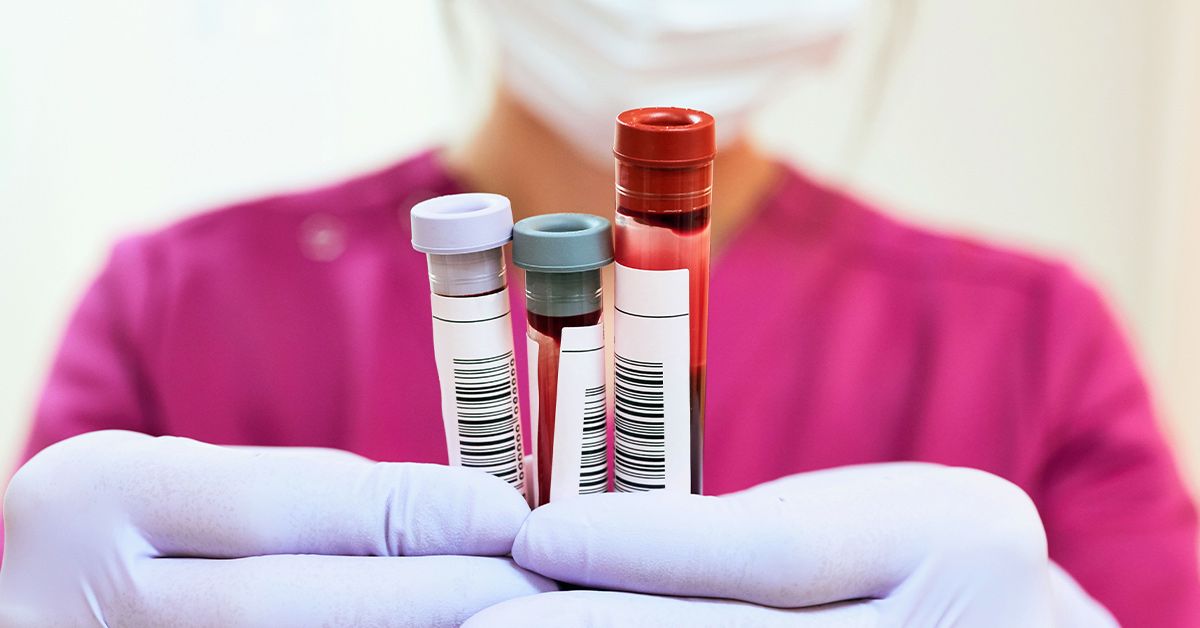
Hyperkalemia is usually discovered through a blood test. A clinician may repeat the test because a falsely high result can happen if blood cells break during collection, a tourniquet is used too long, or a person repeatedly clenches their fist during the draw. This is called pseudohyperkalemia, and it is one reason clinicians often confirm an unexpected result.
Depending on the potassium level and symptoms, a clinician may order kidney-function tests, blood sugar testing, bicarbonate levels, medication review, urine studies, and an electrocardiogram. An ECG can show whether high potassium is affecting the heart’s electrical activity.
When Hyperkalemia Requires Emergency Care
Seek emergency care for chest pain, fainting, severe weakness, new shortness of breath, pronounced palpitations, confusion, or symptoms of a very irregular heartbeat. A person with known kidney failure, missed dialysis, or a recently reported high potassium level should take new symptoms seriously.
Emergency treatment may include medicines that protect the heart, shift potassium back into cells, remove potassium through the digestive tract or urine, or dialysis when necessary. These treatments are medical decisions that depend on the lab result, ECG findings, symptoms, kidney function, and the cause of the potassium rise.
Practical Ways to Lower Hyperkalemia Risk
- Know your kidney numbers. Ask whether your estimated glomerular filtration rate and urine albumin results affect your potassium risk.
- Review every medication. Include prescriptions, over-the-counter pain relievers, antibiotics, vitamins, herbal products, and electrolyte powders.
- Do not stop heart, blood pressure, or kidney medication without medical advice. A safer plan may involve dose adjustment, monitoring, a diuretic, or a potassium binder.
- Check salt substitutes before using them. Potassium chloride can be a problem for high-risk patients.
- Stay alert during illness. Vomiting, diarrhea, fever, dehydration, infection, and poor food intake can change kidney function and medication safety.
- Work with a kidney dietitian when needed. A renal diet should be tailored to lab values, cultural preferences, other medical conditions, and the foods you actually enjoy.
Real-World Experiences: What Living With Hyperkalemia Can Feel Like
The following are composite educational scenarios based on common clinical patterns. They are not individual medical advice or personal patient stories.
For many people, hyperkalemia begins with a phone call after routine blood work. Someone may feel fine, go about their day, and then hear that their potassium is elevated. That can be unsettling because high potassium is often invisible. Unlike a sprained ankle, it does not announce itself with a dramatic limp. The first experience is often confusion: “How can something be wrong if I feel normal?”
A common scenario involves a person with chronic kidney disease who has been eating a generally healthy diet. They may be proud of choosing bananas for breakfast, avocado toast for lunch, tomato soup for dinner, and a low-sodium salt substitute at the table. None of those choices is automatically reckless. The problem is that kidney function, medication use, and potassium intake can overlap. A heart-healthy eating plan is not always the same thing as a kidney-safe plan when potassium is already elevated.
Another familiar experience involves medication changes. A person with heart failure may start spironolactone or have their ACE inhibitor dose increased. These medications can be extremely valuable, yet they may require lab work soon after starting or changing the dose. The patient may feel annoyed by another blood draw, but monitoring is not busywork. It is how clinicians catch a rising potassium level before it becomes a trip to the emergency room.
Some people discover the issue during an illness. A stomach virus, poor fluid intake, diarrhea, fever, or a urinary infection can turn a stable situation into a shaky one. Kidneys that were managing well last month may struggle when dehydration enters the chat. This is why people with kidney disease or potassium-raising medications often benefit from asking their healthcare team what to do during acute illness, including whether any medicines need temporary review.
Food-related experiences can be emotional. Patients may hear “low potassium diet” and imagine a future without fruit, vegetables, flavor, or joy. That is not the goal. The more useful approach is learning portions, substitutions, cooking methods, food labels, and hidden potassium sources. Someone may not need to ban every tomato forever; they may need to reduce tomato sauce, swap one larger serving for a smaller one, or avoid stacking several high-potassium foods in the same meal.
Caregivers often face their own version of the learning curve. They may buy low-sodium seasonings to support a loved one’s blood pressure, only to discover those products contain potassium chloride. They may assume an electrolyte drink is always helpful because it sounds sporty and wholesome. Hyperkalemia care often involves replacing assumptions with label-reading habits. The grocery aisle becomes a small detective novel, minus the trench coat.
People receiving dialysis may describe potassium management as a weekly rhythm. Food choices, dialysis attendance, medications, fluid limits, and lab trends all connect. Missing or shortening dialysis can carry serious consequences, and even a usually safe food may become riskier when treatment is delayed. Support from a renal dietitian can make the plan more realistic and less punishing.
Perhaps the most important lived experience is learning that hyperkalemia is manageable. It may require blood tests, medication adjustments, diet changes, and more attention during illness, but it does not have to control every meal or every day. The best plans are practical, specific, and built around the person’s actual health statusnot generic internet fear, not one-size-fits-all food lists, and definitely not a lifelong grudge against bananas.
Conclusion
Hyperkalemia is a potentially serious electrolyte imbalance, but it is also a problem clinicians can often prevent and manage. The highest-risk situations usually involve impaired kidney function, diabetes, heart failure, certain medications, dehydration, potassium supplements, or salt substitutes containing potassium chloride.
The most important step is not guessing which food caused the problem. It is identifying the full picture: kidney function, medications, recent illness, supplements, diet, and lab trends. With appropriate monitoring and an individualized care plan, many people can keep potassium in a safer range while still eating enjoyable, nourishing meals.