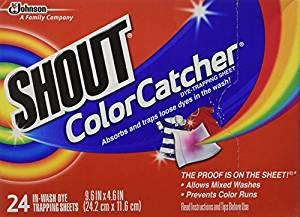
There are two kinds of laundry people: those who sort whites, lights, darks, towels, delicates, gym clothes, socks, “mystery fabric,” and emotional support hoodies into separate pilesand those who throw everything in the washer and hope the red T-shirt has matured emotionally. Shout Color Catcher Dye-Trapping, In-Wash Cloths were made for the second group, but the first group may secretly love them too.
These small laundry sheets are designed to absorb and trap loose dyes released during the wash cycle before those dyes redecorate your white socks into a shade best described as “accidental flamingo.” They do not replace common sense, garment care labels, or the wisdom of washing brand-new dark denim separately. But used correctly, Shout Color Catcher sheets can make laundry simpler, safer, and less dramatic.
This guide explains what Shout Color Catcher dye-trapping sheets are, how they work, when to use one sheet versus two, what they can and cannot do, and how to build a smarter laundry routine around them. Because laundry should smell cleannot like regret.
What Are Shout Color Catcher Dye-Trapping Sheets?
Shout Color Catcher Dye-Trapping, In-Wash Cloths are disposable laundry sheets used inside the washing machine. Their job is simple: catch loose dye in the wash water before it settles onto other clothes. The proof is usually visible after the cycle, because the sheet may come out tinted, gray, blue, pink, or muddy-looking depending on what dye it absorbed.
They are often used when washing mixed-color loads, new clothing, dark fabrics, red garments, printed items, quilts, children’s clothes, uniforms, or travel laundry. They are also popular with people who do not have enough laundry to justify three tiny separate loads. After all, running a washing machine for one white T-shirt and two socks can feel like using a limousine to pick up a sandwich.
How Shout Color Catcher Sheets Work
During washing, some fabrics release dye into the water. This is especially common with new garments, deeply colored cotton, red fabrics, dark denim, and items with unstable dyes. Once that dye is floating around, it can attach to lighter garments, creating dullness, streaks, gray whites, or full-blown color transfer stains.
Shout Color Catcher sheets are designed to attract and hold those loose dyes. Instead of the dye drifting through the wash water and landing on your pale blouse, the sheet acts like a little laundry bouncer, escorting runaway color molecules away from your clothes. It is not magic, although when it saves a favorite shirt, it may feel like the washer performed a small household miracle.
Key Benefits of Using Shout Color Catcher In-Wash Cloths
1. Helps Prevent Dye Transfer
The biggest benefit is protection against color bleeding. A Color Catcher sheet can reduce the chance that loose dye from one item will stain another. This is especially useful for loads containing mixed colors, patterned clothes, or garments that have been washed only a few times.
2. Makes Mixed Loads More Practical
Shout promotes Color Catcher as a way to mix whites, lights, and colors in one load. In real life, that does not mean you should toss a new crimson towel into a washer full of white linen napkins and walk away whistling. It means the sheets can help make reasonable mixed loads safer, especially when clothes are colorfast or only mildly risky.
3. Works in All Water Temperatures
These sheets are made to work in cold, warm, or hot water. That matters because many modern laundry routines rely on cold water to protect fabrics, save energy, and reduce fading. However, temperature should still match the garment care label and soil level.
4. Safe for Colorfast Washables
Shout Color Catcher sheets are intended for colorfast washable fabrics. A colorfast garment is one that holds its dye without excessive running, fading, or rubbing off. If an item fails a colorfastness test, wash it separately until it stops bleeding or consider special treatment.
5. Saves Time and Reduces Small Loads
For households with mixed wardrobes, dorm rooms, apartments, or busy family schedules, Color Catcher sheets can reduce the need for half-filled loads. That saves time, detergent, water, energy, and sanitythe five pillars of laundry peace.
How to Use Shout Color Catcher Dye-Trapping Sheets
The basic process is wonderfully simple:
- Place one Shout Color Catcher sheet in the washing machine.
- Add detergent and clothing as usual.
- Wash according to garment care labels.
- Remove and discard the sheet after the wash.
For large loads, new clothes, dark fabrics, red items, or heavily colored garments, use two sheets. Some retailer package directions suggest using two or even three sheets for items with poor colorfastness or high dye risk. When in doubt, extra sheets cost less than replacing a white shirt that now looks like fruit punch.
Front-Loading Washer Tip
If you use a front-loading washing machine, place the Color Catcher sheet in a mesh laundry bag or delicates bag before adding it to the drum. Small sheets can crumple or move around during the cycle, and a mesh bag helps keep the sheet from ending up where it should not be. Think of it as giving the sheet a seatbelt.
When Should You Use a Color Catcher Sheet?
Shout Color Catcher in-wash cloths are useful in many everyday laundry situations. They are especially helpful when washing:
- New clothing for the first few washes
- Dark denim or black garments
- Red, burgundy, navy, purple, and bright-colored fabrics
- Mixed-color loads with lights and colors
- Printed shirts, striped towels, and patterned kids’ clothes
- Quilts, handmade textiles, or fabric projects
- Travel laundry when sorting options are limited
- Small apartment loads where separating everything is impractical
They are also handy for “laundry insurance” when you are unsure whether an item might bleed. The sheet does not give you permission to ignore care labels, but it gives you a buffer against minor dye release.
What Shout Color Catcher Sheets Cannot Do
Color Catcher sheets are helpful, but they are not tiny superheroes wearing capes. They have limits.
They Cannot Guarantee Protection From Every Dye Disaster
If a garment releases a heavy amount of dye, one sheet may not be enough. Brand-new red towels, dark jeans, and poorly dyed fabrics can release more color than expected. Wash those items separately first.
They Do Not Replace Sorting Completely
Sorting still matters. Whites, lights, darks, towels, delicates, and heavily soiled items often need different wash temperatures, cycles, and drying methods. Color Catcher sheets reduce dye-transfer risk; they do not make a silk blouse and muddy bath towel compatible roommates.
They Cannot Reverse Heat-Set Dye Stains
If color transfer happens, do not put stained clothes in the dryer. Dryer heat can set stains, making them much harder to remove. Air-dry the item first, inspect it, then rewash or soak with the right product if needed.
They Are Not a Dye Fixative
Old advice says salt or vinegar can “set” dye in finished garments. That trick is unreliable for commercially dyed clothing. A Color Catcher sheet captures loose dye in the water; it does not permanently lock dye into the fabric.
Color Catcher vs. Sorting: Which Is Better?
The best laundry routine uses both. Sorting is the foundation. Color Catcher sheets are the safety net.
If you are washing bright whites, expensive linens, delicate clothing, or anything sentimental, sort carefully. If you are washing a normal mixed-color load of colorfast everyday clothes, a Color Catcher sheet can help make that load safer. The smartest approach is not “sort everything forever” or “sort nothing and trust the sheet.” It is: sort by risk, then use the sheet where it adds protection.
How to Test Clothes for Colorfastness
Before washing a risky item with other clothes, test it. Dampen a hidden seam or inside hem with water and a little detergent, then press it with a white cloth or cotton swab. If color transfers onto the white cloth, the garment may bleed in the wash. Wash it separately, use cold water, and consider adding two Color Catcher sheets if you must include it with similar colors.
Common dye-risk items include red cotton shirts, indigo denim, dark towels, bright athletic wear, inexpensive novelty clothing, and handmade or imported textiles. These garments are not “bad.” They are just dramatic. Treat them accordingly.
Best Laundry Practices With Shout Color Catcher Sheets
Use Cold Water for Mixed Loads
Cold water is often gentler on dyes and fabrics. Unless care labels or hygiene needs call for warm or hot water, cold water is a smart choice for mixed-color loads.
Do Not Overload the Washer
Color Catcher sheets need room to circulate. Overloading traps clothes, detergent, water, and dye in one crowded fabric traffic jam. Clothes should move freely for proper cleaning and dye capture.
Use the Right Amount of Detergent
Too much detergent can leave residue that dulls clothing. Follow the detergent label and your washer instructions, especially for high-efficiency machines.
Remove Wet Clothes Promptly
Do not leave wet clothes sitting in the washer or laundry basket. Dye transfer can happen when damp fabrics rest against one another for too long. Move clothes to the dryer or drying rack as soon as the cycle ends.
Wash New Dark Items Separately First
Even with Color Catcher sheets, new dark garments deserve a solo debut. Wash them alone or with similar colors for the first few cycles. This is especially true for dark denim and red towels, the rock stars of laundry misbehavior.
Shout Color Catcher for Whites
White clothing is a magnet for visible mistakes. A small amount of blue, gray, or pink dye can make whites look dingy fast. Using an in-wash dye catcher sheet can help protect whites from accidental dye transfer, especially when a load includes white items with colored details, light pastels, or mixed household laundry.
However, pure white loads still benefit from proper white-care habits: treat stains quickly, avoid product buildup, rinse well, and use whitening boosters when appropriate. Color Catcher sheets help with dye, not collar grime, deodorant marks, sunscreen stains, or the mysterious yellowing that appears on white shirts like a laundry ghost.
Shout Color Catcher for Quilts, Crafts, and Handmade Textiles
Quilters and crafters often love dye-trapping sheets because handmade textiles may contain multiple fabrics with different dye behaviors. A quilt can include reds, blues, blacks, batiks, vintage cottons, and mystery fabric from the bottom of a craft bin. That is a lot of personality in one wash.
For handmade items, test fabrics before washing, use cold water, choose a gentle cycle, and consider using multiple Color Catcher sheets. Air-dry or dry according to fabric needs. If the sheet comes out heavily colored, repeat a gentle wash before storing or gifting the textile.
Are Shout Color Catcher Sheets Worth It?
For many households, yes. They are inexpensive compared with replacing ruined clothes, and they are easy to use. The best value comes from using them strategically: mixed loads, new clothes, dark fabrics, travel laundry, or any load where one risky item makes you pause dramatically in front of the washer.
They are less necessary for fully sorted loads of stable, well-washed garments. If you already separate everything perfectly and never wash red with white, you may use them only occasionally. If your laundry style is “organized chaos with detergent,” they may become a staple.
Common Mistakes to Avoid
- Using one sheet for a very risky load: Use two sheets for large loads or new, dark, or heavily colored fabrics.
- Ignoring care labels: A Color Catcher sheet does not override fabric instructions.
- Drying stained clothes: Always inspect first; heat can set dye stains.
- Leaving wet laundry sitting: Damp clothes can transfer dye even after washing.
- Trusting vinegar or salt to fix dye: These methods are unreliable for finished garments.
- Overloading the machine: Sheets and clothes need room to circulate.
What to Do If Dye Transfer Still Happens
First, stay calm. Do not throw the item into the dryer while muttering laundry-themed poetry. Remove the stained garment and keep it damp if possible. Rewash quickly using detergent and an oxygen-based bleach if the care label allows. For white cotton items that are safely bleachable, chlorine bleach may be an option, but only when the fabric label permits it.
For silk, wool, leather, dry-clean-only items, or valuable garments, take the item to a professional cleaner. The faster you act, the better the odds of recovery.
Real-Life Experience: Using Shout Color Catcher Dye-Trapping Sheets at Home
The first time you use Shout Color Catcher sheets, the most satisfying moment comes after the wash, when you pull out the sheet and see it has changed color. It is the laundry equivalent of catching a tiny criminal at the scene. You may find a sheet that started white and ended up gray-blue after a denim load, pale pink after a red sweatshirt, or muddy beige after a load of mixed kids’ clothes. That visual proof is strangely addictive. Nobody expects laundry to provide entertainment, yet here we are.
In everyday use, the sheets are most helpful for those awkward loads that do not fit neatly into laundry categories. For example, imagine a small load with a white graphic tee, a navy pajama shirt, a pair of light gray joggers, two pastel towels, and one suspicious red sock. Without a Color Catcher sheet, that red sock feels like a villain in a low-budget thriller. With one or two sheets, cold water, and a reasonable cycle, the load feels less risky. You still should not invite a brand-new red bath towel to the party, but for normal colorfast items, the sheet adds confidence.
They are also useful for family laundry. Children’s clothes often include bold prints, bright colors, appliques, school uniforms, sports jerseys, and mysterious stains that seem to have been imported from another planet. Sorting every small shirt and pair of shorts into perfect color groups can be unrealistic. A Color Catcher sheet helps protect lighter items when the load is mixed but not reckless.
Travel laundry is another perfect use case. Hotel washers, vacation rentals, laundromats, and shared machines are not always ideal for careful sorting. You may have limited detergent, limited time, and one machine available while someone nearby guards six dryers like a dragon with quarters. Packing a few Shout Color Catcher sheets can make travel washing easier, especially when you need to wash a small batch of mixed clothes before repacking.
One practical habit is to use two sheets whenever a load contains new jeans, dark towels, red cotton, or anything that has not been washed before. Another good habit is to check the sheet before drying the clothes. If the sheet comes out deeply colored, inspect the garments carefully. If everything looks fine, continue drying. If any item looks tinted, rewash before heat enters the story.
The best experience comes from treating Color Catcher sheets as a smart helper, not a miracle worker. They reduce laundry anxiety, save small loads, and protect clothes from everyday dye transfer. They also teach you which items are still bleeding color. If a shirt keeps turning the sheet bright red after multiple washes, that shirt is telling you who it is. Believe it.
Final Verdict
Shout Color Catcher Dye-Trapping, In-Wash Cloths are a simple, practical laundry tool for anyone who wants fewer color mishaps and more flexibility on wash day. They help trap loose dye, protect colorfast clothing, work in all water temperatures, and make mixed loads less nerve-racking. They are especially useful for new clothing, dark fabrics, red garments, quilts, family laundry, dorm laundry, and travel washing.
They do not eliminate the need for smart sorting, colorfast testing, proper detergent use, or careful drying. But they do offer a valuable layer of protection against one of laundry’s most annoying surprises: color transfer. In a world where one red sock can ruin an entire load, a small dye-trapping sheet is a pretty charming insurance policy.