Note: This is body-only HTML in standard American English, written as an original web article with no source links and no unnecessary citation placeholders.
Some throw blankets are just there to keep your knees from filing a formal complaint against winter. The Dutch Optical Plaid Throw is not one of them. This piece lands in that rare category where a blanket behaves like functional art: cozy enough to curl up with, bold enough to change the mood of a room, and smart enough to make plain furniture look like it suddenly developed a design degree.
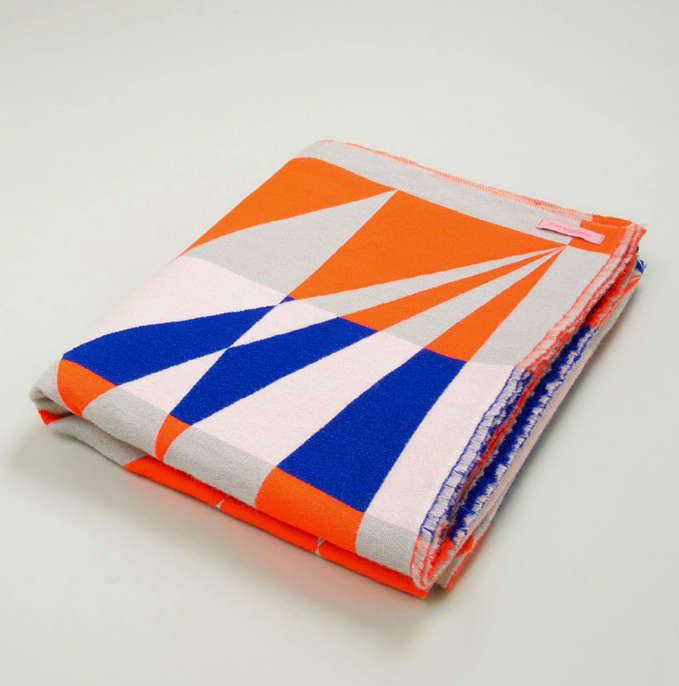
At its core, the Dutch Optical Plaid Throw is associated with designer Mae Engelgeer and was described in archived product listings as a 100% mohair throw woven at the Dutch Textile Museum. That background matters because it explains why the piece has such a strong visual identity. It is not plaid in the old-school “log cabin and hot cider” sense alone. Instead, it pushes plaid into a more graphic, optical, almost architectural direction. Think less picnic blanket, more modernist conversation starter.
And yes, that means this throw can absolutely keep you warm while also quietly judging the boring beige blanket you bought in a panic three winters ago.
What Makes the Dutch Optical Plaid Throw Different?
The phrase optical plaid does a lot of work here. Traditional plaid usually relies on familiar checks, tartans, and intersecting lines that feel classic, rustic, or preppy. An optical plaid takes that language and sharpens it. The pattern becomes more graphic, more rhythmic, and more visually active. Instead of fading into the furniture, it creates movement. Your eyes do not simply “see plaid”; they track it.
That is part of what makes the Dutch Optical Plaid Throw so memorable. The design sits at the intersection of textile craft and visual illusion. It borrows the structure of plaid but presents it with the confidence of contemporary art. The result is a throw that feels equally at home in a minimalist apartment, a curated reading nook, or a room filled with vintage wood, chrome, and layered textures.
This is also why the throw reads as distinctly Dutch in spirit. Dutch design has a long reputation for balancing practicality with experimentation. It tends to appreciate clean geometry, strong color relationships, and objects that are useful without being dull. The Dutch Optical Plaid Throw fits that mindset beautifully. It is warm, tactile, and domestic, but it is also intellectually playful.
The Role of Mohair: Why the Material Matters
A lot of the charm comes from the fiber itself. Mohair is prized in luxury textiles because it offers a soft hand, a subtle halo, and warmth without the dead weight of a heavy utility blanket. When woven well, mohair throws feel airy yet insulating, plush yet refined. In other words, they whisper “expensive taste” without needing to shout from a neon price tag.
That balance matters in a design-forward throw. If a bold blanket feels stiff, scratchy, or clumsy, it becomes decorative clutter. If it feels too floppy or flat, the pattern loses impact. Mohair helps split the difference. It gives the Dutch Optical Plaid Throw enough body to drape beautifully over a chair or the foot of a bed, while still feeling inviting when you actually use it.
That last part is important because the best throws are not merely props. Design magazines and home editors consistently point to material, size, weight, texture, and care as the major factors in choosing a throw blanket. People want something that looks polished on a sofa, feels pleasant against the skin, and survives real life. The Dutch Optical Plaid Throw leans hard into the first two and, because it is mohair, asks for a bit more thought on the care side. This is not the blanket you casually launch into a hot wash with gym socks and a rogue hoodie.
Why mohair feels so special
Mohair has a light-catching quality that helps complex patterns feel richer. On a plaid design, that slight sheen and fuzziness soften the geometry just enough to keep it from feeling cold. So while the word optical sounds crisp and high-contrast, the fiber keeps the overall effect warm, layered, and livable. It is geometry with manners.
Why Plaid Still Works in Modern Interiors
Plaid has never really disappeared from interiors, but it has changed its accent. Today’s best plaid home pieces do not always lean into lodge clichés. Instead, they act as structure within a room. Designers and editors often describe plaid as adaptable because it can warm up minimalist spaces, add depth to neutral rooms, and bring order to more eclectic settings.
The Dutch Optical Plaid Throw takes that flexibility and gives it a sharper edge. In a room with solid upholstery, it introduces rhythm. In a room already full of pattern, it can act as a disciplined counterpoint, especially if the color palette is controlled. In a bedroom, it breaks up large flat surfaces like duvet covers and upholstered headboards. In a living room, it can make an ordinary armchair look collected instead of abandoned.
That is the real magic of a throw like this: it does not need a full room makeover to matter. One well-placed textile can change the energy of a space faster than a weekend spent assembling furniture with tiny hex keys and growing emotional resentment.
How to Style a Dutch Optical Plaid Throw
1. On a sofa
Drape it loosely over one arm rather than spreading it perfectly across the back. The point is to let the pattern feel intentional but relaxed. If your sofa is neutral, the throw becomes a focal point. If your sofa already has character, the throw adds texture and visual layering.
2. At the foot of the bed
A throw at the foot of the bed helps anchor the room and adds a tailored finish. Plaid works especially well here because the geometry contrasts nicely with soft bedding. Fold the throw in thirds for a clean hotel-style look, or let it spill a little for a more editorial effect.
3. Over a reading chair
This may be the throw’s natural habitat. A sculptural chair, a side table, a lamp, and a graphic mohair blanket? That setup practically writes its own “Sunday afternoon” fantasy. Even if you only sit there twice a month, it will look like you have your life beautifully organized.
4. In a pattern-heavy room
If the room already includes florals, stripes, or textured rugs, pull one or two colors from the throw and repeat them elsewhere. This keeps the plaid from feeling random. The trick is coordination, not matchmaking. Everything does not need to be identical; it just needs to look like it knows each other.
Who Is This Throw Best For?
The Dutch Optical Plaid Throw is ideal for people who want their home accessories to do more than fill space. It appeals to anyone drawn to:
- modern textile design
- graphic patterns with artistic flair
- luxury throw blankets made from premium fibers
- European design with a craft-driven story
- decor that feels layered, smart, and slightly unexpected
It is probably less ideal for someone who wants a purely practical, machine-washable blanket that can survive popcorn, pets, and mystery spills every weekend. There is no shame in wanting that kind of throw. There is just a difference between a design object and a snack blanket, and the Dutch Optical Plaid Throw is firmly in the first camp.
What to Look for If You Want a Similar Throw Today
Because the original item has been discontinued, shoppers looking for a similar piece should focus on characteristics rather than chasing the exact listing forever like a detective in a very stylish cold case.
Prioritize these features:
- Material: Mohair, alpaca, wool, or cashmere blends for softness, warmth, and drape.
- Pattern: Graphic plaid, oversized check, tartan reinterpretations, or geometric woven designs.
- Weight: Light-to-medium weight is often best for styling and year-round use.
- Size: Around 50 by 60 inches to 60 by 80 inches usually offers enough coverage without becoming unmanageable.
- Care: Dry-clean or delicate-care fibers are common in luxury throws, so always read the label before buying.
Current U.S. buying guides for throw blankets consistently emphasize the importance of matching the material to your lifestyle. Cotton and cotton blends tend to be breathable and easier to care for. Polyester and microfiber are easygoing and often very soft. Wool and cashmere are warmer, more insulating, and more luxurious, but they can require gentler maintenance. If you are shopping for a Dutch Optical Plaid Throw substitute, that is the tradeoff to keep in mind: the more elegant the fiber, the less likely it wants to go on a rough spin cycle adventure.
Care and Maintenance Tips
With a premium throw, maintenance is part of ownership. Experts commonly recommend washing blankets every few months, though wool-rich or specialty fibers often need gentler treatment and less frequent laundering. For a mohair throw, the safest move is always to check the care label first. If it suggests dry cleaning, believe it. This is not the moment for bold experimentation.
In day-to-day use, simple habits help a lot:
- Shake the throw out gently to remove dust.
- Fold it neatly instead of twisting it into a nest.
- Keep it away from snag-prone jewelry, pet claws, or rough surfaces.
- Store it in a cool, dry place when not in use.
- Let it air out occasionally so the fibers stay fresh.
If you treat a statement throw like a minor household celebrity, it will usually reward you with a longer, better-looking life.
Why the Dutch Optical Plaid Throw Still Feels Relevant
Some products disappear from stores and immediately become forgettable. Others vanish and become more interesting. The Dutch Optical Plaid Throw falls into the second category because its appeal was never just about trend. It combined strong authorship, quality fiber, textile heritage, and a pattern language that still feels current.
That is why it continues to make sense as a reference point for anyone interested in designer throws, modern plaid decor, or luxury textiles. It shows how something domestic can still be adventurous. It proves that plaid does not have to be nostalgic or predictable. And it reminds us that softness and visual intelligence can absolutely exist in the same object, preferably on the same very photogenic chair.
Experiences With the Dutch Optical Plaid Throw
Living with a throw like this is not quite the same as owning an ordinary blanket. The first experience people often mention is visual. You notice it across the room before you touch it. It has that rare quality of making a space look more deliberate, as though the room got dressed on purpose. A bland corner becomes a reading nook. A plain sofa suddenly looks edited. Even a guest room can feel more thoughtful when a graphic textile is folded at the foot of the bed.
Then there is the tactile experience. Mohair throws tend to create an immediate sense of warmth without the suffocating heaviness some dense blankets have. That makes them especially pleasant during transitional weather, when you want comfort but do not want to feel trapped under ten pounds of seasonal regret. You can throw it over your shoulders in the morning with coffee, drape it across your lap at night, or keep it nearby for movie marathons that begin as “just one episode” and end with someone asking whether it is morally acceptable to start another season.
There is also a social experience to a distinctive throw blanket, which sounds dramatic until you actually own one. People comment on it. They ask where it came from. They touch it without permission, though usually with admiration. In a world of mass-produced home goods, a textile with a strong point of view stands out. It feels collected rather than purchased. That difference may be subtle, but in a room, subtle things are often what make everything feel better.
Another part of the experience is seasonal. In colder months, plaid naturally feels right at home. It works with wood tones, candlelight, darker afternoons, and the general human desire to become a burrito. But a good optical plaid throw is not limited to fall and winter. Because the pattern is graphic rather than kitschy, it can stay out year-round. In spring or summer, it reads less “cabin” and more “design object with impeccable timing.”
Finally, there is the emotional experience. The best home textiles create atmosphere. They make routines feel a little nicer. They turn sitting into lounging, reading into retreating, and doing absolutely nothing into a respectable lifestyle choice. The Dutch Optical Plaid Throw seems built for that kind of quiet upgrade. It does not scream for attention, but it keeps earning it. And honestly, that may be the most luxurious quality of all.
Conclusion
The Dutch Optical Plaid Throw is memorable because it transforms a familiar household object into a design statement. With its mohair construction, Dutch design pedigree, and graphic plaid interpretation, it offers more than warmth. It offers texture, structure, and personality. Whether you are researching the original Mae Engelgeer piece or searching for a similar modern plaid throw, the lesson is the same: choose materials with character, patterns with purpose, and home accessories that make your room feel more like itself.
Because in the end, a great throw blanket should do two things very well: keep you comfortable and make your space look like you know exactly what you are doing.