Learning how to set up a fishing pole for beginners can feel a little like opening a box of tiny metal mysteries. There is the rod, the reel, the line, the hook, the bobber, the sinker, the bait, and that one little swivel that looks important but refuses to explain itself. Good news: setting up a basic fishing pole is much easier than it looks. Once you understand the parts and the order they go in, you can rig a beginner fishing pole in just a few minutes.
This guide walks you through a simple freshwater setup that works well for ponds, lakes, docks, and calm riverbanks. It is designed for new anglers who want to catch beginner-friendly fish such as bluegill, sunfish, crappie, trout, perch, or small bass. You do not need a professional tackle wall, a truck full of rods, or a hat covered in flies. You need a comfortable rod and reel, basic fishing line, a hook, a bobber, a small sinker, bait, and a little patiencethe secret ingredient that fish seem to demand in bulk.
What Is a Fishing Pole Setup?
A fishing pole setup is the complete arrangement of your rod, reel, line, and tackle. In simple terms, it is how you prepare your fishing pole so your bait or lure can reach the water, stay where fish are feeding, and help you detect a bite. For beginners, the best setup is usually a basic bobber rig because it is easy to see, easy to cast, and easy to adjust.
A basic beginner fishing rig usually includes a rod and reel combo, monofilament fishing line, a hook, one or two split shot sinkers, a bobber, and live bait such as worms. This setup is especially useful for panfish because the bobber floats on top of the water and dips or disappears when a fish takes the bait. It is basically a little floating alarm bell, minus the noise and the panic.
Beginner Fishing Pole Parts You Should Know
Rod
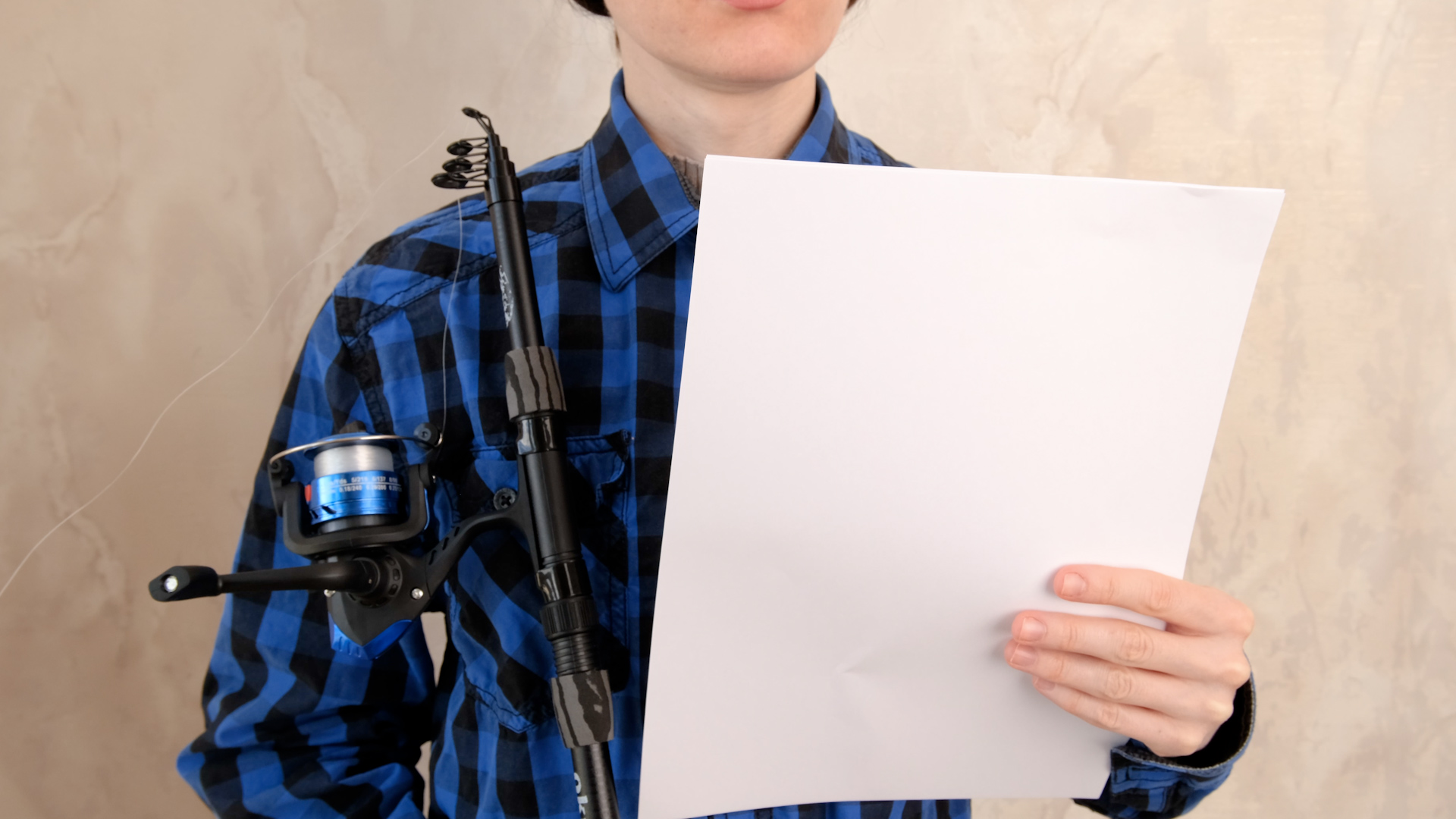
The rod is the long, flexible part you hold. For most beginners, a light or medium-light spinning rod or spincast rod between 5 and 7 feet is a practical choice. Shorter rods are easier for kids and tight spaces, while longer rods can cast farther and help control line better.
Reel
The reel holds and retrieves the fishing line. Beginners commonly start with either a spincast reel or a spinning reel. A spincast reel has a closed face and a push button, making it very simple to use. A spinning reel has an open face and a bail arm, offering more casting distance and versatility once you learn the motion.
Line
Fishing line connects everything. For a beginner freshwater fishing pole setup, 4- to 8-pound monofilament line is a smart starting point for panfish and trout. If you are targeting bass or catfish, 8- to 12-pound line may be more appropriate. Monofilament is popular because it is affordable, forgiving, and easy to tie.
Hook
The hook holds your bait and catches the fish. Smaller hooks are usually better for beginners because many easy-to-catch fish have small mouths. Sizes 6, 8, and 10 are common for bluegill and sunfish. For bass or catfish, you can move up to larger hooks depending on the bait and fish size.
Bobber
A bobber, also called a float, keeps your bait suspended at a chosen depth and helps you see bites. The classic red-and-white round bobber works well for beginners. If it wiggles, twitches, slides sideways, or goes underwater, something interesting is happening below.
Sinker
A sinker adds weight so your bait drops below the surface and your cast goes farther. Split shot sinkers are beginner-friendly because they pinch onto the line. Use just enough weight to keep the bait down without dragging the bobber underwater.
Best Fishing Pole Setup for Beginners
The easiest setup for most new anglers is a spincast or spinning rod and reel combo with a basic bobber rig. This rig is simple, inexpensive, and effective. It also teaches important fishing skills: tying knots, adjusting bait depth, reading the bobber, casting safely, and handling fish gently.
For your first setup, consider this beginner-friendly combination:
- 5- to 7-foot light or medium-light rod
- Spincast reel or spinning reel
- 4- to 8-pound monofilament line
- Size 6 to 10 bait hooks for panfish
- Small split shot sinkers
- Clip-on bobbers
- Worms, crickets, corn, dough bait, or small artificial bait where legal
- Needle-nose pliers, nail clippers, and a small tackle box
This is not the flashiest fishing setup in the universe, but fish do not care about flashy. Fish care about food, cover, water temperature, and whether your bait looks easy to eat. In other words, your humble worm under a bobber has a very respectable resume.
How to Set Up a Fishing Pole Step by Step
Step 1: Match the Reel to the Rod
Start by attaching the reel to the rod. Most rods have a reel seat near the handle. Slide the reel foot into the reel seat and tighten it until the reel feels secure. Do not crank it down like you are sealing a submarine hatch. Snug is enough.
If you are using a spinning reel, the reel should hang underneath the rod. If you are using a spincast reel, it usually sits on top of the rod. This is one of the easiest ways to tell whether your setup is facing the right direction.
Step 2: Thread the Fishing Line Through the Guides
Pull line from the reel and run it through each guide on the rod, starting with the guide closest to the reel and working toward the tip. The guides are the small loops along the rod. Take your time here. Missing one guide can make your cast awkward and your rod bend unevenly.
A useful beginner habit is to check the line path before tying anything on. The line should run cleanly through every guide without wrapping around the rod tip. If the tip looks like it has been attacked by spaghetti, unwind it before casting.
Step 3: Tie on the Hook
Once your line is through the guides, tie on your hook. One of the most beginner-friendly knots is the improved clinch knot. Pass the line through the hook eye, wrap the tag end around the main line several times, pass the tag end back through the small loop near the hook eye, then tighten carefully.
Before pulling the knot tight, moisten it with a little water or saliva. This helps reduce friction and allows the knot to seat smoothly. Trim the tag end with nail clippers or line cutters. Leave a tiny bit of tag so the knot does not slip, but not so much that it looks like the hook has a tail.
Step 4: Add a Split Shot Sinker
Pinch one small split shot sinker onto the line about 6 to 12 inches above the hook. This helps the bait sink naturally while still allowing it to move. If there is current or wind, you may need a second small split shot. Start light. Too much weight can make the bait look unnatural and may pull the bobber under.
Step 5: Attach the Bobber
Clip the bobber onto the line above the sinker. The distance between the bobber and hook controls how deep your bait sits. If fish are feeding shallow, place the bobber 1 to 2 feet above the hook. If the water is deeper, move it higher.
For pond bluegill, a good starting point is about 18 to 24 inches between the bobber and hook. If your bait comes back untouched, adjust the depth. Fishing is often a game of small changes: a foot deeper, a smaller hook, a lighter sinker, a quieter cast. Fish are picky little critics, but they do leave clues.
Step 6: Bait the Hook
For beginners, worms are hard to beat. Thread a small piece of worm onto the hook so the point remains slightly exposed. You do not need a huge worm dangling like a pool noodle. A small piece is often better for panfish because they can fit it in their mouths.
Other beginner baits include crickets, mealworms, dough bait, salmon eggs, corn, or small pieces of hot dog where allowed. Always check local regulations because bait rules can vary by state, waterbody, and fish species.
Step 7: Set the Drag
The drag controls how easily line comes off the reel when a fish pulls. If the drag is too tight, a strong fish can break your line. If it is too loose, you may struggle to reel the fish in. A simple beginner test is to pull the line above the reel. It should come out with steady pressure, not freely like a party streamer and not so tightly that nothing moves.
On many spinning reels, turning the front drag knob clockwise tightens the drag, while turning it counterclockwise loosens it. Make small adjustments. Drag is not a volume knob; dramatic twisting usually creates dramatic regrets.
Step 8: Practice a Safe Cast
Before casting, look behind you, beside you, and above you. Hooks are useful in fish mouths, not in hats, sleeves, tree branches, or your cousin’s hoodie. Hold the rod, release the line according to your reel type, swing smoothly, and aim for open water.
With a spincast reel, press and hold the button, bring the rod back, swing forward, and release the button as the rod points toward your target. With a spinning reel, hold the line with your finger, open the bail, cast forward, release the line, and close the bail before reeling.
How to Set Up a Spincast Rod for Beginners
A spincast reel is often the easiest reel for kids and absolute beginners. It has a closed face, a button, and fewer moving parts exposed. Many beginner combos come pre-spooled with monofilament line, which means you can start setting up your hook, sinker, and bobber almost immediately.
To set up a spincast rod, mount the reel on top of the rod, thread the line through the guides, tie on a hook, pinch a split shot above the hook, clip on a bobber, and bait the hook. When casting, push and hold the button, swing the rod forward, and release the button as the rod tip points toward the water. Reel forward to retrieve the line.
The biggest advantage of spincast gear is simplicity. The biggest limitation is that it may not cast as far or handle line as smoothly as a spinning reel. For your first few trips, though, simplicity is a superpower.
How to Set Up a Spinning Rod for Beginners
A spinning rod and reel setup is slightly more advanced but still very beginner-friendly. It is versatile enough for panfish, trout, bass, and many saltwater species when properly sized. The reel hangs below the rod, and the line comes off a fixed spool when the bail is open.
To set up a spinning rod, secure the reel under the rod, open or check the bail, run the line through the guides, tie on your hook or lure, add weight if needed, and set your drag. When casting, hold the line against the rod with your index finger, open the bail, swing the rod forward, release the line, and close the bail after the cast.
One common beginner mistake is reeling while the bail is still open or letting loose loops form on the spool. Close the bail by hand after casting and keep slight tension on the line as you begin retrieving. This simple habit helps reduce tangles and wind knots.
Basic Bobber Rig Example for Bluegill
Here is a practical beginner setup for bluegill, sunfish, and other small freshwater fish:
- Rod: 5- to 6-foot light-action rod
- Reel: Spincast or small spinning reel
- Line: 4- to 6-pound monofilament
- Hook: Size 8 bait hook
- Weight: One small split shot
- Float: Small round bobber
- Bait: Small piece of worm
- Depth: Bobber set 18 to 24 inches above the hook
Cast near weeds, docks, shaded banks, fallen branches, or other structure. Bluegill often gather near cover, especially in warmer months. If your bobber twitches but does not go under, wait a moment. If it disappears, lift the rod smoothly. You do not need a dramatic movie-style hookset. These are bluegill, not sea monsters with legal representation.
Beginner Fishing Pole Setup for Bass
For bass, you can still use a simple setup, but slightly stronger gear helps. A 6- to 7-foot medium-action spinning rod with 8- to 10-pound monofilament is a flexible beginner choice. You can fish live bait under a bobber, cast small spinnerbaits, or use soft plastic worms.
If you are using bait, try a size 1 or 1/0 hook with a worm, minnow, or soft bait. If using lures, tie the lure directly to the line with a reliable knot. Bass often hold near weeds, rocks, docks, logs, and edges where shallow water drops into deeper water. Cast near cover, retrieve slowly, and be ready for a bite as the lure passes through the strike zone.
Beginner Fishing Pole Setup for Catfish
Catfish usually feed near the bottom, so a bobber rig is not always the best choice. A simple bottom rig can work better. Use a medium rod, 10- to 15-pound line, an egg sinker or split shot, a swivel if needed, and a stronger hook baited with nightcrawler, cut bait, stink bait, or another legal catfish bait.
The idea is to keep the bait near the bottom while allowing the catfish to pick it up. Place the rod in a secure holder or hold it steady, keep the line slightly tight, and watch the rod tip. Catfish bites can look like taps, pulls, or a slow bend in the rod. Resist the urge to check your bait every eight seconds. Catfish appreciate confidence.
Common Beginner Mistakes to Avoid
Using Too Much Gear
New anglers often buy more tackle than they need. Start with a small kit: hooks, bobbers, split shot, pliers, clippers, and bait. Learn one or two rigs before filling a tackle box with mysterious shiny objects.
Choosing Hooks That Are Too Big
Big hooks can prevent small fish from getting the bait into their mouths. If your bobber keeps dancing but you never hook anything, try a smaller hook and a smaller piece of bait.
Setting the Bobber Too Deep
If your bait rests in weeds or mud, fish may not find it easily. Adjust the bobber until the bait hangs above the bottom or near visible fish activity.
Casting Too Hard
A smooth cast beats a heroic one. Casting too hard can snap bait off the hook, tangle the line, or send your bobber into a tree with impressive confidence.
Ignoring Local Rules
Always check fishing license requirements, size limits, creel limits, bait restrictions, and seasonal rules before fishing. Regulations protect fish populations and keep your trip legal and stress-free.
Fishing Pole Setup Checklist
Before you leave home, run through this simple checklist:
- Rod and reel are connected securely
- Fishing line is in good condition
- Line runs through every guide
- Hook is tied with a strong knot
- Split shot is attached 6 to 12 inches above the hook
- Bobber is set to the right depth
- Drag is adjusted
- Bait is fresh and legal
- License and regulations are checked
- Pliers, clippers, towel, and small first-aid kit are packed
Simple Maintenance After Fishing
After your fishing trip, rinse dirt or salt from your gear, especially if you fished in brackish or saltwater. Dry the rod and reel before storing them. Remove old bait, check the hook for rust, and clip off damaged line. Store hooks safely so nobody discovers them later with a finger.
Loosen the drag slightly before storing your reel for a long period. This can help reduce pressure on internal drag components. Keep your tackle box organized and throw away used line properly. Loose fishing line can harm wildlife, tangle birds, and create problems around waterways.
Extra Experience: What Beginners Usually Learn on Their First Few Fishing Trips
The first real lesson in setting up a fishing pole is that perfection is overrated. Your bobber may be crooked. Your worm may look like it lost a wrestling match. Your first cast may travel six feet and land with the grace of a wet sock. That is normal. Fishing rewards practice, not panic.
One of the most useful beginner experiences is learning to adjust instead of starting over. Suppose you set your bobber two feet above the hook and fish for ten minutes without a bite. Instead of blaming the lake, move the bobber deeper or shallower. Try casting closer to shade, weeds, rocks, or a dock. Fish are rarely spread evenly through the water like sprinkles on a cupcake. They gather where food, safety, oxygen, and comfortable temperatures meet.
Another common lesson is that small fish are excellent teachers. Bluegill and sunfish may not look dramatic on social media, but they help beginners learn timing. When a small fish pecks at bait, the bobber may twitch quickly. If you yank the rod too soon, you pull the bait away. If you wait too long, the fish may steal the worm and swim off like a tiny underwater criminal. After a few tries, you begin to feel the rhythm: twitch, pause, dip, lift.
Beginners also learn that fresh bait matters. A lively worm or neatly placed bait usually works better than bait that has been cast twenty times and now resembles a sad shoelace. Keep bait cool and replace it when it looks washed out, torn, or missing. Fish can be surprisingly picky for creatures that occasionally eat bugs.
Wind is another teacher. On breezy days, a bobber can drift quickly, dragging your bait away from the best spot. Instead of fighting the wind, use it. Cast slightly upwind and let the bobber drift naturally past weeds or structure. If the bobber moves too fast, add a tiny bit more weight or choose a calmer pocket of water.
You will also discover that line management is half the battle. Keep slack under control, especially with a spinning reel. Loose loops can turn into tangles. Close the bail by hand, reel with gentle tension, and check the rod tip often. If line wraps around the tip, fix it immediately. Casting with a wrapped tip can damage the rod or snap the line.
Finally, beginners learn that fishing is not only about catching fish. It is about noticing things: ripples near the bank, insects on the surface, birds diving, shade moving across the water, and bubbles rising near the bottom. The more you observe, the better your setup decisions become. A fishing pole is just a tool. The real skill is learning where to place your bait, how to adjust your rig, and when to be patient. And yes, snacks help. Snacks always help.
Conclusion
Setting up a fishing pole for beginners does not have to be complicated. Start with a simple rod and reel combo, thread the line through the guides, tie on a hook, add a split shot, clip on a bobber, bait the hook, set the drag, and cast safely. That basic setup can catch plenty of fish and teach you the skills every angler needs.
As you gain confidence, you can experiment with different rigs, lures, lines, and fishing styles. For now, keep it simple. A worm under a bobber near a shady bank has introduced generations of anglers to the joy of fishing. It still works, and it is still one of the best ways to begin.