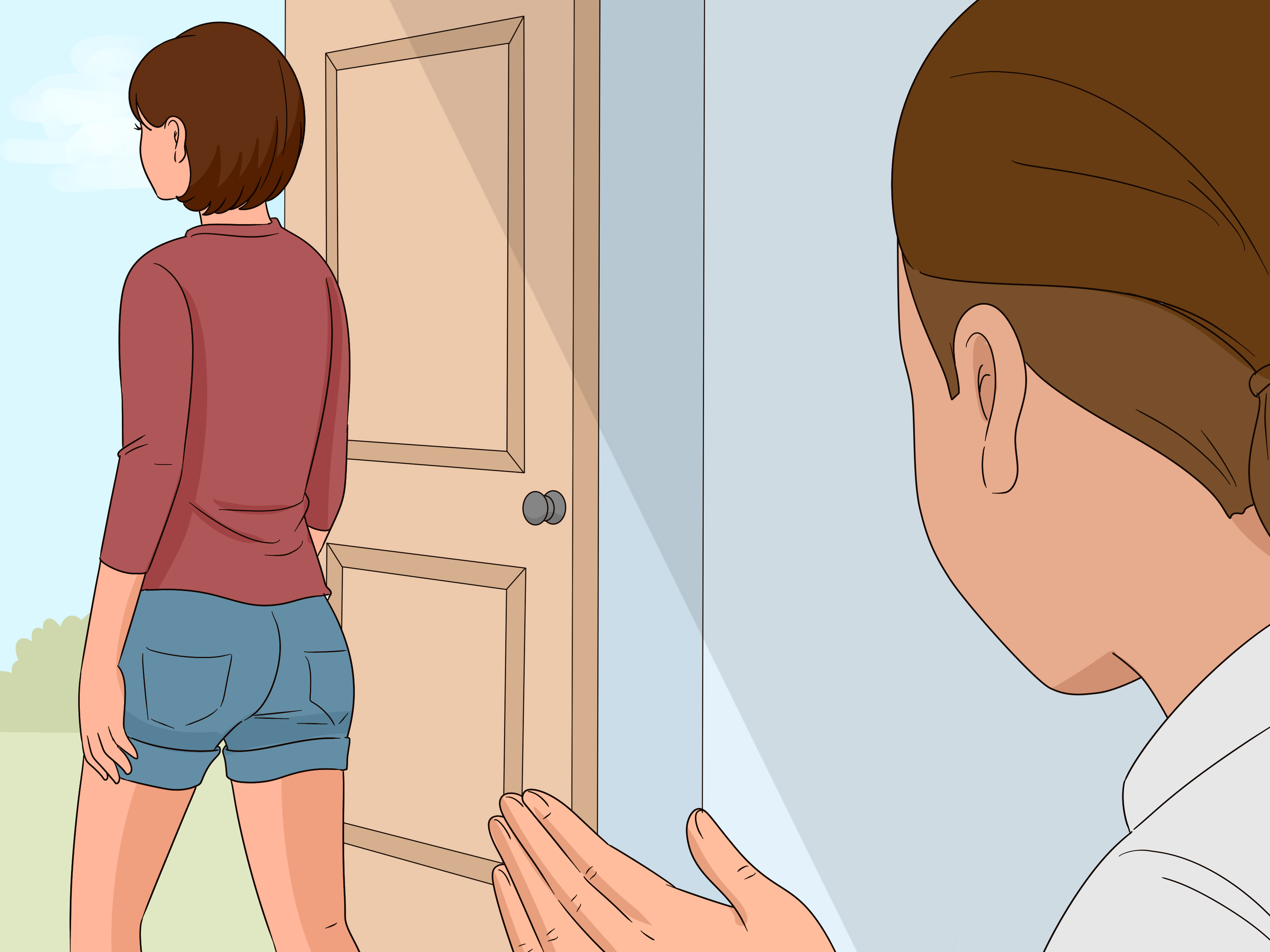
Dating someone new can feel like opening a mystery box: exciting, slightly chaotic, and occasionally full of surprises you did not order. Maybe he texts “wyd?” at midnight. Maybe he wants to see you five nights in a row. Maybe he is wonderful, charming, and still learning that your phone is not a 24-hour customer service desk. That is exactly why learning how to set boundaries with a new guy matters.
Boundaries are not walls, punishments, or dramatic ultimatums delivered under storm clouds. They are simple, honest guidelines that help you protect your time, energy, body, emotions, privacy, and peace. In healthy dating, boundaries make things clearer for both people. They show what you are comfortable with, what you are not ready for, and how you expect to be treated.
The best part? Setting boundaries early does not scare away the right person. It simply filters out the guy who wanted unlimited access without mutual respect. Think of boundaries as emotional Wi-Fi security: the connection can be great, but not everyone gets the password immediately.
Why Boundaries Matter in a New Relationship
When you start dating someone, it is easy to confuse chemistry with compatibility. Chemistry says, “Wow, we talked for three hours.” Compatibility asks, “Did he listen when I said I need sleep?” Boundaries help you slow down long enough to notice whether a new guy respects your needs, communicates maturely, and handles “no” without turning into a wounded Shakespeare character.
Healthy boundaries support trust, consent, independence, emotional safety, and honest communication. They also reduce resentment. Without boundaries, you may find yourself saying yes to plans you do not want, sharing more than you are ready to share, or accepting behavior that makes you uncomfortable because you do not want to seem “difficult.” Spoiler: asking to be respected is not difficult. It is basic admission to the dating arena.
14 Ways to Set Boundaries with a New Guy
1. Know Your Non-Negotiables Before You Need Them
Before you explain your boundaries to a new guy, get clear with yourself. What makes you feel safe? What drains you? What behavior is an instant no? Your non-negotiables might include honesty, sexual consent, emotional consistency, respect for your schedule, or no yelling during conflict.
You do not need a 42-page dating constitution, but you should know your core standards. For example: “I do not continue dating someone who pressures me physically,” or “I need consistent communication, not disappearing acts followed by cute emojis.” When your boundaries are clear to you, they become easier to communicate calmly.
2. Use Direct, Simple Language
Boundaries work best when they are clear. Hinting, hoping, and silently testing him may feel safer, but it often creates confusion. Try using “I” statements that focus on your comfort level instead of attacking his character.
For example, say, “I like spending time with you, but I need weeknights to recharge,” instead of, “You are way too clingy.” Or say, “I am not ready to stay over yet,” instead of laughing awkwardly and hoping he develops psychic powers by dessert.
Simple language is not cold. It is kind. It gives the other person a real chance to understand you.
3. Set Texting and Calling Expectations Early
Modern dating lives inside the phone, which means digital boundaries are essential. Some people love constant texting. Others see five unread messages and consider moving to a remote cabin. Neither style is automatically wrong, but mismatched expectations can create unnecessary tension.
Tell him what works for you. You might say, “I am not great at texting all day, but I do like checking in after work,” or “Please do not call late at night unless it is urgent.” This boundary protects your focus, sleep, and sanitythe holy trinity of not becoming a dating goblin.
4. Protect Your Time Like It Has a VIP Badge
A new romance can be exciting, but it should not swallow your entire calendar. Keep time for friends, family, hobbies, rest, work, and being alone in sweatpants with snacks. A healthy guy will not need you to abandon your life to prove interest.
If he keeps asking for last-minute plans, try: “I like seeing you, but I need more notice. Let’s plan something for Friday.” This shows interest while still respecting your schedule. Time boundaries are especially important if you tend to over-give early in relationships.
5. Move at a Pace That Feels Right to You
There is no universal dating speed limit. Some relationships grow quickly; others need a gentle simmer. The key is that both people feel comfortable. If he wants exclusivity, physical intimacy, meeting family, or big future conversations before you are ready, you are allowed to slow things down.
Try saying, “I am enjoying getting to know you, but I want to take this slowly.” A respectful man may feel disappointed, but he will not pressure, guilt-trip, or punish you for having a pace.
6. Be Clear About Physical and Sexual Boundaries
Your body is not a group project. Physical and sexual boundaries should be communicated and respected every time. Consent is ongoing, specific, and can change. Saying yes once does not mean yes forever, and saying no does not require a courtroom-level defense.
You can say, “I am not ready for that,” “I do not like being touched that way,” or “I want to stop.” You can also set positive boundaries: “I like holding hands,” or “I am comfortable kissing, but I do not want to go further tonight.”
A good guy listens. A risky one negotiates your discomfort like he is buying a used car. Pay attention.
7. Keep Your Private Information Private Until Trust Grows
Vulnerability is beautiful, but oversharing too soon can create false intimacy. You do not have to reveal trauma, finances, passwords, family drama, medical details, or your entire relationship history in the first few dates.
A helpful boundary sounds like: “I am not ready to talk about that yet,” or “That is personal, and I share it once I know someone better.” The right person will respect your privacy instead of acting entitled to your whole biography, director’s cut included.
8. Maintain Your Friendships and Independence
A new guy should add to your life, not replace it. Keep seeing your friends, pursuing your goals, and making plans that do not involve him. Independence is not a threat to a healthy relationship; it is part of what keeps it balanced.
If he complains whenever you spend time with others, that is worth noticing. You can say, “My friendships are important to me, and I am going to keep making time for them.” A secure person can miss you without trying to manage your social calendar.
9. Say No Without Over-Explaining
Many people, especially women, are socialized to wrap every “no” in bubble wrap: “I am so sorry, I would love to, but maybe because of this complicated chain of events involving laundry, Mercury retrograde, and my cousin’s dog…” You are allowed to be brief.
Try: “No, I cannot tonight,” “That does not work for me,” or “I am not comfortable with that.” You can be polite without writing a research paper. Over-explaining can accidentally invite debate. A boundary is not a negotiation unless you choose to discuss it.
10. Watch How He Responds to Small Boundaries
Small boundaries reveal big things. Notice what happens when you say you need to reschedule, you do not want another drink, you prefer not to be teased about something, or you are going home early.
Does he respect it? Does he sulk? Does he make jokes at your expense? Does he push again five minutes later? A new guy’s response to a small “no” can tell you how he may respond to a bigger one. Respect is not proven by grand speeches; it is proven in ordinary moments.
11. Do Not Use Boundaries to Control Him
Healthy boundaries are about your choices, comfort, and behavior. They are not rules designed to control another adult. “I do not date someone who flirts with other people in front of me” is a boundary. “You are not allowed to speak to any woman ever again, including cashiers and weather reporters” is control wearing a fake mustache.
A strong boundary includes what you will do if the situation does not work for you. For example: “If our communication stays inconsistent, I will step back from dating.” That is different from trying to force him to behave through threats, surveillance, or guilt.
12. Create Safety Boundaries for Early Dates
Early dating should be fun, but safety still matters. Meet in public places, tell a trusted friend where you are going, keep control of your transportation, and avoid sharing your home address too quickly. This is not paranoia; it is practical dating hygiene, like flossing but with fewer lectures from dentists.
You can say, “I prefer to meet at the restaurant,” or “I am going to take my own car.” A respectful guy will understand. If he mocks your caution or pressures you to be alone before you are comfortable, take that seriously.
13. Revisit Boundaries as the Relationship Changes
Boundaries are not one-time announcements carved into stone. As trust grows, your comfort level may change. You might become more open emotionally, adjust texting habits, or feel ready for deeper commitment. You might also discover a new limit you did not know you had.
Check in with yourself and communicate updates. Try, “I know I was okay with spontaneous plans at first, but my schedule is getting busy, so I need more structure now.” A healthy relationship gives both people room to adjust without punishment.
14. Leave If Your Boundaries Are Repeatedly Ignored
A boundary without follow-through becomes a suggestion. If a new guy repeatedly ignores your limits, pressures you, mocks you, guilt-trips you, violates consent, monitors your activity, or makes you feel unsafe, the issue is no longer communication. It is respect.
You do not have to keep teaching someone how to treat you when they have already shown they are not interested in learning. Ending things can be hard, especially if there is chemistry, but chemistry is not a permission slip for disrespect. Choose your peace over potential.
Examples of Boundary Scripts You Can Use
When He Texts Too Much
“I like hearing from you, but I am not available to text constantly during the day. I usually respond when I am done with work.”
When He Wants to Move Too Fast
“I am enjoying this, but I want to take things slowly and keep getting to know each other before making big decisions.”
When He Pressures You Physically
“I am not comfortable with that. Please stop.”
When He Makes a Joke That Hurts
“I know you may have meant it playfully, but I do not like jokes about that. Please do not do it again.”
When You Need Alone Time
“I need time to recharge this weekend, so I am going to stay in. Let’s plan something next week.”
Common Mistakes to Avoid When Setting Boundaries
One common mistake is apologizing for every boundary. You can be warm without acting guilty. Another mistake is waiting until you are furious. Boundaries are easier to hear when they are shared early and calmly, not after three weeks of silent resentment and one dramatic parking-lot monologue.
It is also important not to test someone instead of communicating. If you want more notice before dates, say that. If you dislike certain jokes, say that. A mature connection grows through clarity, not secret exams.
Finally, do not confuse discomfort with wrongdoing. A guy may feel disappointed when you set a boundary, and that feeling is allowed. What matters is how he handles it. Respectful disappointment sounds like, “I understand.” Manipulation sounds like, “If you really liked me, you would.” One is human. The other belongs in the trash folder.
Experience-Based Advice: What Boundary-Setting Feels Like in Real Dating
In real life, setting boundaries with a new guy often feels awkward before it feels empowering. Many people imagine they will deliver a perfect line with calm confidence, soft lighting, and maybe background music. Then the actual moment arrives, and suddenly their brain opens 37 browser tabs. That is normal. Boundary-setting is a skill, not a personality trait you either have or do not have.
One common dating experience is realizing that you like someone but dislike the rhythm that is forming. Maybe he wants to text from sunrise to bedtime. At first, it feels flattering. Then it starts to feel like homework with heart emojis. A good boundary might be, “I am not always on my phone, but I enjoy catching up later in the day.” This lets you stay connected without becoming emotionally employed by your messages.
Another experience is the “too much, too soon” situation. He may talk about future trips, exclusivity, or meeting your family before you even know how he treats waiters. It can be tempting to go along because enthusiasm feels romantic. But pacing is a boundary. You might say, “I like that you are excited, but I want to stay present and not rush.” If he respects that, great. If he acts offended, you learned something valuable early.
Physical boundaries can feel especially difficult because people worry about ruining the mood. But a mood that depends on your silence is not a mood worth protecting. In healthy dating, you can pause, slow down, change your mind, laugh, ask questions, and say no without fear. The right person will care more about your comfort than his ego.
There is also the experience of setting a boundary and then feeling guilty afterward. You may wonder, “Was I too harsh?” or “Did I make things weird?” Usually, clear and respectful honesty feels weird only because you are practicing something new. If you said what you needed without insulting or controlling him, you did your part.
Over time, boundaries become less like dramatic announcements and more like everyday maintenance. You tell him you need sleep. You say you prefer planned dates. You explain that certain jokes are not funny to you. You keep your Friday plans with friends. You do not hand over every private detail just because he asked with nice eyes. Little by little, you teach the relationship how to treat you.
The biggest lesson from real dating is this: boundaries do not create distance from the right person. They create safety. A new guy who respects your limits will usually become easier to trust. A guy who keeps challenging them is giving you information, even if the information arrives wearing cologne and a charming smile.
Conclusion
Learning how to set boundaries with a new guy is not about being cold, guarded, or impossible to impress. It is about dating with self-respect. Boundaries help you protect your time, body, privacy, emotions, friendships, and future. They also help you see whether someone is truly interested in knowing you or only interested in getting access to you.
Start with self-awareness. Communicate clearly. Watch his response. Adjust when needed. Most importantly, remember that the right person will not need you to shrink your needs to keep his attention. Healthy dating should feel exciting, yes, but it should also feel safe, balanced, and respectful. Butterflies are fun; anxiety with a cute haircut is not the goal.