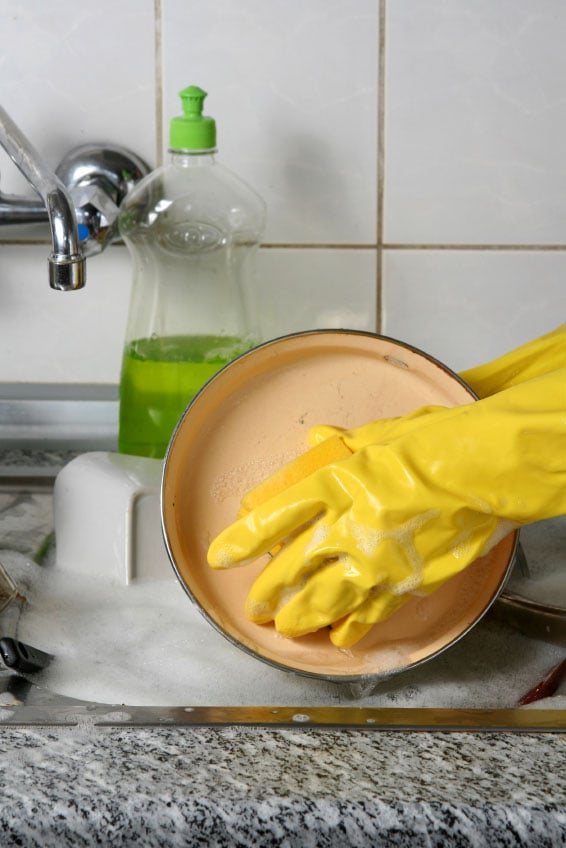
A clean kitchen is not just a pretty background for your morning coffee. It is the command center of your home, the place where snacks are negotiated, leftovers are judged, and dinner sometimes becomes “cereal with confidence.” Learning how to keep your kitchen clean makes cooking easier, protects your family from foodborne germs, reduces odors, and stops that mysterious sticky spot on the floor from becoming part of the architecture.
The good news? You do not need a professional cleaning crew, a closet full of expensive sprays, or a dramatic movie montage. A consistently clean kitchen comes from simple habits: wiping as you go, separating raw foods from ready-to-eat foods, cleaning before sanitizing, managing clutter, and giving high-touch surfaces regular attention. Think of it less as a punishment and more as kitchen maintenance with snacks nearby.
This guide breaks down practical kitchen cleaning tips into daily, weekly, monthly, and deep-cleaning routines. It also includes real-life experience from the home front: the land of splattered spaghetti sauce, overconfident sourdough attempts, and the eternal battle against crumbs.
Why a Clean Kitchen Matters More Than It Looks
A clean kitchen does more than make your counters sparkle. It lowers the risk of cross-contamination, keeps pests away, improves food safety, and makes everyday cooking feel less chaotic. When cutting boards, sinks, counters, handles, and appliance surfaces are neglected, food residue and moisture can create friendly little vacation resorts for bacteria. Unfortunately, bacteria do not pay rent.
Food safety experts often emphasize four basic habits: clean, separate, cook, and chill. The “clean” part includes washing hands, utensils, cutting boards, counters, and food-contact surfaces. But cleaning alone is not the same as sanitizing. Cleaning removes visible dirt, grease, crumbs, and food bits. Sanitizing reduces germs to safer levels. Disinfecting kills many germs on hard surfaces but should be done according to label directions, especially around food-prep areas.
The Golden Rule: Clean First, Then Sanitize
One of the biggest kitchen cleaning mistakes is spraying sanitizer on top of crumbs, grease, or dried sauce and assuming the job is done. That is like putting perfume on gym socks. The surface may smell different, but the problem is still there.
Step 1: Remove Food and Debris
Start by clearing dishes, wrappers, coffee grounds, crumbs, and anything else that wandered onto the counter without permission. Put ingredients away, throw out trash, and move clutter back to its proper home. This makes the actual cleaning faster and more effective.
Step 2: Wash with Soap and Water
Use warm water and dish soap or a food-safe cleaner to wipe counters, stovetops, sinks, cutting boards, and prep surfaces. Soap helps lift grease and grime so you are not just pushing yesterday’s taco night into a new location.
Step 3: Sanitize When Needed
Sanitize food-contact surfaces after preparing raw meat, poultry, seafood, eggs, or messy high-risk foods. Use a product approved for food-contact surfaces and follow the label, including contact time. If using a diluted bleach solution, never mix bleach with ammonia, vinegar, drain cleaner, or other cleaning chemicals. The kitchen should smell fresh, not like a science experiment gone wrong.
Daily Kitchen Cleaning Routine: The 15-Minute Reset
The easiest way to keep your kitchen clean is to stop messes from becoming archaeological discoveries. A short daily routine is more powerful than a heroic four-hour cleaning marathon once a month. Your future self will thank you, probably while eating toast in peace.
1. Clear and Wipe the Counters
Countertops collect crumbs, spills, mail, keys, lunch boxes, and occasionally a random screwdriver. Remove anything that does not belong, then wipe the surface with a damp cloth and mild cleaner. For stone surfaces like granite or marble, avoid harsh acidic cleaners unless the manufacturer says otherwise. Mild dish soap and water are often enough for daily maintenance.
2. Wash Dishes or Load the Dishwasher
A sink full of dishes makes the whole kitchen feel dirty, even if the counters are spotless. Load the dishwasher after meals or wash by hand before food dries into cement. Letting one spoon “soak” overnight is understandable. Letting an entire pasta pot become a swamp ecosystem is where we must draw the line.
3. Clean the Sink
The kitchen sink handles dirty dishes, produce rinsing, raw food residue, and mystery drips. Rinse it after dishwashing, scrub it with dish soap, and sanitize it regularly, especially after handling raw meat or poultry. Do not forget the faucet handle and sprayer nozzle, which get touched with messy hands more often than anyone wants to admit.
4. Wipe the Stovetop
Fresh spills are easy. Burned-on spills require elbow grease, patience, and possibly a motivational speech. After the stovetop cools, wipe splatters with a damp cloth and mild cleaner. For gas ranges, clean removable grates according to the manufacturer’s instructions. For glass cooktops, use non-abrasive tools to avoid scratches.
5. Sweep or Vacuum the Floor
Kitchen floors are crumb magnets. A quick sweep after dinner prevents grit, pet food, cereal pieces, and coffee grounds from spreading through the house. If you have kids, pets, or a passionate relationship with toast, this step may need to happen more than once a day.
6. Take Out Trash When Needed
Kitchen trash can develop odors quickly, especially when it contains food scraps. Empty it before smells take over, and wipe the lid and rim often. If the trash can itself smells like it has a backstory, wash it with hot soapy water and let it dry thoroughly.
Weekly Kitchen Cleaning Checklist
Daily cleaning keeps the kitchen functional. Weekly cleaning keeps it truly fresh. Pick one day or spread these tasks across the week so your Saturday does not become a cleaning hostage situation.
Clean Appliance Exteriors
Wipe refrigerator doors, oven handles, microwave buttons, dishwasher fronts, coffee makers, toaster surfaces, and blender bases. These high-touch areas collect fingerprints, grease, and food residue. Stainless steel appliances usually look best when wiped with a microfiber cloth following the grain.
Microwave the Easy Way
Place a microwave-safe bowl of water inside and heat it until steam loosens splatters. Let it sit for a few minutes, then wipe the interior. For stubborn odors, add lemon slices to the water. Your microwave should not smell like last Tuesday’s reheated fish forever.
Mop the Floor
Sweeping handles dry debris, but mopping removes sticky residue and hidden spills. Use a cleaner suited for your flooring type. Too much water can damage wood or laminate, so damp is better than drenched.
Refresh Towels and Sponges
Kitchen towels and dishcloths can spread germs if they are damp and reused too long. Use separate towels for drying hands, drying dishes, and wiping messes. Launder cloth towels frequently in hot water when possible. Replace sponges regularly or sanitize them according to safe manufacturer guidance.
Check the Refrigerator
Once a week, scan the fridge for expired food, old leftovers, wilting produce, and containers that require courage to open. Wipe spills immediately, especially juices from raw meat or thawing foods. Keep leftovers covered and stored in shallow containers so they cool quickly and stay easier to identify later.
Monthly Deep Cleaning Tasks
Monthly cleaning focuses on the areas you do not notice every day but absolutely notice once they become dramatic. This is where you tackle grease, dust, buildup, and the hidden crumbs plotting behind small appliances.
Clean Cabinet Doors and Handles
Cabinets collect grease, fingerprints, and tiny splashes from cooking. Wipe doors and handles with a mild cleaner that matches the cabinet finish. Pay special attention near the stove, where airborne grease likes to settle like it owns the place.
Degrease the Range Hood
The range hood and filter trap cooking grease and odors. Wash removable filters according to the manufacturer’s instructions. A greasy hood is not just unattractive; it can reduce ventilation efficiency and make the kitchen smell stale.
Clean the Oven
Oven spills smoke, smell, and eventually become harder to remove. Wipe fresh spills after the oven cools. For deep cleaning, follow your oven manual, especially if using the self-cleaning feature. Remove racks if the manufacturer recommends it, because extreme heat can discolor or damage some finishes.
Wash the Trash Can
Even with bags, trash cans get drips and odors. Take the can outside or to a utility sink, wash it with hot soapy water, rinse, and let it dry completely before adding a new liner. Moisture trapped at the bottom is odor’s favorite vacation spot.
Clean Behind and Under Appliances
Pull out small appliances and wipe the counter underneath. Crumbs collect under toasters, coffee makers, air fryers, and stand mixers. For large appliances, clean behind and underneath when safe and practical. You may find dust, crumbs, pet toys, or a long-lost measuring spoon from 2022.
Kitchen Food Safety Habits That Keep Things Clean
Keeping a kitchen clean is not only about shine. It is also about reducing foodborne illness risks. Smart food safety habits prevent raw juices, spoiled food, and dirty tools from spreading germs.
Wash Hands Often
Wash your hands with soap and running water before cooking, after touching raw meat or eggs, after handling trash, after using the bathroom, and after feeding pets. Scrub for at least 20 seconds. If you need a timer, hum a short song. Bonus points if you do not perform it loudly before breakfast.
Use Separate Cutting Boards
Use one cutting board for raw meat, poultry, and seafood, and another for produce, bread, and ready-to-eat foods. Wash cutting boards with hot soapy water after every use. Sanitize them after raw animal foods, and replace boards with deep grooves or cracks that can trap food and moisture.
Do Not Wash Raw Chicken
Washing raw poultry can splash bacteria onto sinks, counters, and nearby utensils. Cooking to a safe internal temperature is what kills harmful bacteria. Save the sink from becoming a bacteria sprinkler.
Store Food Correctly
Keep the refrigerator at 40 degrees Fahrenheit or below. Store raw meat and seafood in sealed containers on lower shelves to prevent drips onto ready-to-eat foods. Refrigerate leftovers within two hours, or within one hour if food has been exposed to temperatures above 90 degrees Fahrenheit.
How to Control Kitchen Clutter
A cluttered kitchen is harder to clean because every wipe requires moving six things first. Clutter turns a two-minute task into a small obstacle course. The solution is not perfection; it is giving items a logical place to live.
Keep Counters Mostly Clear
Store only the items you use daily, such as a coffee maker, knife block, or toaster. Put away rarely used gadgets. If your countertop looks like an appliance showroom, cleaning becomes annoying enough that you will avoid it.
Create Zones
Organize by activity. Keep cutting boards and knives near prep space, pots near the stove, mugs near the coffee area, and food storage containers near the fridge or pantry. Zones reduce mess because you spend less time rummaging.
Use the “One-Touch” Rule
When something is in your hand, put it where it belongs instead of setting it down “for now.” “For now” is how mail, water bottles, receipts, and random batteries form a colony on the counter.
Natural Cleaners vs. Disinfectants: Use the Right Tool
Vinegar, baking soda, lemon, and dish soap can be useful for everyday cleaning, deodorizing, and loosening grime. However, natural does not always mean safer for every surface, and it does not always mean disinfecting. Vinegar can damage natural stone, and baking soda can scratch delicate finishes if used aggressively.
Disinfectants should be used when they are truly needed, such as after raw meat spills or illness in the household. Read labels carefully, ventilate the space, keep products away from children and pets, and never mix cleaning chemicals. A clean kitchen should not require goggles and dramatic background music.
Common Kitchen Cleaning Mistakes to Avoid
Using the Same Cloth Everywhere
One cloth for counters, sink, floor spills, and appliance handles can spread germs. Use separate cloths or paper towels for high-risk messes, especially raw meat juices. Launder reusable cloths often.
Ignoring High-Touch Surfaces
Refrigerator handles, cabinet pulls, faucet handles, microwave buttons, light switches, and drawer knobs get touched constantly. Add them to your daily or weekly wipe-down routine.
Letting Spills Wait
Fresh spills are easy to remove. Old spills require scraping, soaking, and regret. Wipe splatters and drips as soon as possible, especially sugary spills, grease, and raw food juices.
Forgetting to Dry Surfaces
Moisture encourages odors, mildew, and bacteria growth. After washing cutting boards, sinks, and counters, let them air dry or dry with a clean towel. Store cutting boards upright so air can circulate.
Personal Experience: What Actually Works in a Real Kitchen
Keeping a kitchen clean sounds simple until real life walks in wearing muddy shoes and asking what is for dinner. The most useful lesson I have learned is that kitchen cleanliness is not built during one giant cleaning session. It is built in tiny decisions: rinsing the bowl now, wiping the sauce before it dries, putting the cutting board in the dishwasher, and taking out the trash before it starts sending emotional signals.
The habit that changed everything for me was the “closing shift.” Restaurants do it, and home kitchens benefit from the same idea. Before bed, I spend about 10 to 15 minutes resetting the kitchen. Dishes go into the dishwasher, counters get wiped, the sink gets rinsed, the floor gets a quick sweep, and tomorrow’s coffee setup is put in place. Waking up to a clean kitchen feels like receiving a small gift from a more responsible version of yourself.
Another practical experience: clean while cooking, but do it gently. I used to imagine “clean as you go” meant washing every utensil immediately while onions were burning in the pan. That is not cleaning; that is chaos with bubbles. Now I use natural pauses. While water boils, I put ingredients away. While something simmers, I load the dishwasher. While the oven preheats, I wipe the prep area. These small resets prevent the terrifying post-dinner mountain of dishes.
I also learned to respect the sink. A dirty sink makes the entire kitchen feel messy, even if everything else is decent. After washing dishes, I scrub the basin, rinse the drain area, and wipe the faucet. It takes less than two minutes, but it removes food bits and odors. The sink is not a storage unit for “future dishes.” It is a workstation, and it behaves better when treated like one.
Clutter control has been just as important as scrubbing. For a long time, the counter near the door collected everything: keys, receipts, mail, sunglasses, coins, and objects nobody wanted to claim. Cleaning that counter became annoying because I had to relocate half a drawer’s worth of stuff first. The fix was simple: a small tray for keys and one basket for mail. Anything that does not fit has to leave. This one change made wiping the counter faster and made the kitchen look cleaner instantly.
The refrigerator taught me humility. Leftovers are wonderful, but mystery leftovers are not. I started labeling containers with dates, and once a week I do a five-minute “fridge audit.” I check produce, toss expired items, wipe small spills, and move older food to the front. This saves money and prevents the classic situation where you buy more carrots because you forgot you already had carrots hiding behind the pickles.
The biggest surprise is that a clean kitchen makes cooking more enjoyable. When counters are clear, tools are easy to find, and the sink is empty, starting dinner feels less like a battle. You are more likely to cook, less likely to order takeout out of frustration, and far less likely to say, “Who used every spoon?” while standing alone in your own kitchen.
Perfection is not the goal. Kitchens are working rooms. They will get messy because food is being made, people are being fed, and life is happening. The goal is a kitchen that can recover quickly. If your space can go from messy to functional in 15 minutes, you are doing well. If you can find the counter, trust the cutting board, and open the fridge without fear, congratulations: your kitchen is clean enough to live in, cook in, and maybe even dance in while waiting for pasta.
Conclusion: Keep It Clean, Keep It Simple
Knowing how to keep your kitchen clean is less about perfection and more about rhythm. A few daily habits, a weekly checklist, and smart food safety practices can make your kitchen healthier, fresher, and easier to use. Start with the basics: clear the counters, wash dishes, clean the sink, wipe the stovetop, sweep the floor, and store food safely. Then build from there.
The best kitchen cleaning routine is the one you can actually repeat. Keep supplies simple, clean before sanitizing, avoid chemical mixing, separate raw foods from ready-to-eat foods, and do a short reset at the end of the day. Your kitchen does not need to look like a magazine cover. It just needs to be clean, safe, and ready for the next mealeven if that meal is toast eaten over the sink like a responsible adult in a hurry.