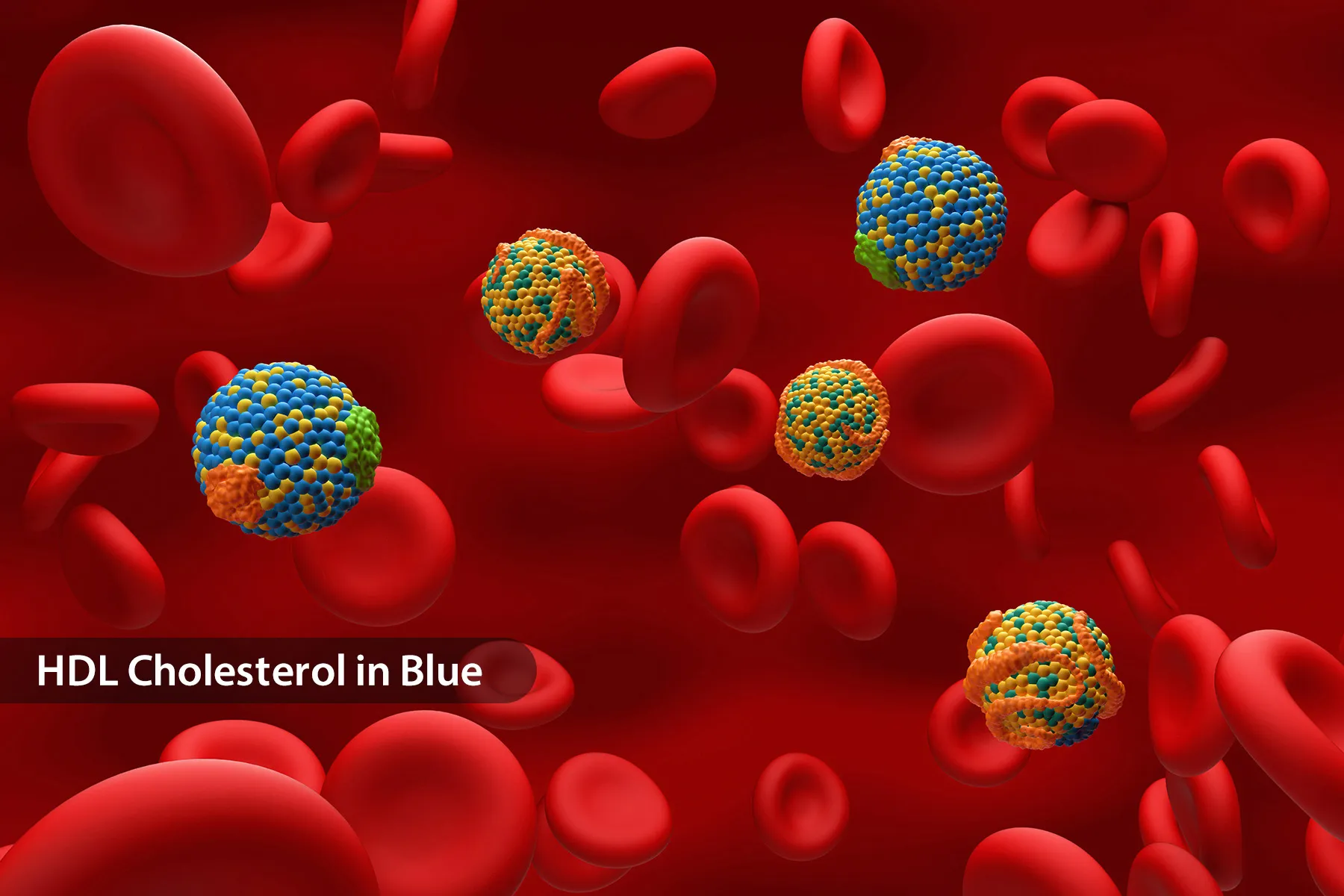
HDL cholesterol has enjoyed decades of flattering public relations. It is often called “good cholesterol,” which makes it sound like the polite guest at the dinner tablethe one who clears the plates, compliments the cook, and somehow remembers everyone’s birthday. In the body, HDL does play a helpful role: it helps move cholesterol away from the bloodstream and toward the liver, where it can be processed and removed. That is why healthy HDL levels are often linked with better heart health.
But here is the grown-up version of the story: HDL is important, yet it is not a superhero cape for your arteries. A high HDL number does not automatically cancel out high LDL cholesterol, smoking, diabetes, high blood pressure, obesity, poor sleep, or a family history of heart disease. Your cholesterol panel is more like a team report card than a single headline. HDL matters, but context matters more.
This guide explains what HDL cholesterol is, what safe HDL levels generally look like, what low or unusually high HDL may mean, and how lifestyle choices can support a healthier cholesterol profile. The goal is simple: help you understand your numbers without needing a medical dictionary, a calculator, or three cups of coffee.
What Is HDL Cholesterol?
HDL stands for high-density lipoprotein. A lipoprotein is a tiny particle made of fat and protein that carries cholesterol through the blood. Cholesterol itself is not evil. Your body needs it to build cell membranes, make certain hormones, and support normal function. The problem begins when cholesterol is carried in ways that contribute to plaque buildup inside arteries.
HDL is called “good” cholesterol because it helps collect excess cholesterol and transport it back to the liver. This process is often described as reverse cholesterol transport. Think of HDL as a cleanup crew moving through the bloodstream, picking up cholesterol that does not need to stay there. Once cholesterol reaches the liver, the body can reuse it, break it down, or remove it through bile.
That sounds heroic, and in many ways it is. Still, HDL cholesterol is only one part of cardiovascular health. Doctors usually evaluate HDL along with LDL cholesterol, triglycerides, total cholesterol, blood pressure, blood sugar, age, sex, smoking status, weight, medications, and family history.
HDL vs. LDL: What Is the Difference?
LDL stands for low-density lipoprotein. It is often called “bad” cholesterol because high LDL can contribute to plaque buildup in the arteries. Plaque can narrow blood vessels, reduce blood flow, and increase the risk of heart attack and stroke.
HDL, on the other hand, helps remove cholesterol from circulation. In a simple comparison, LDL delivers cholesterol into areas where too much can become dangerous, while HDL helps carry extra cholesterol away. That is why a typical cholesterol conversation includes both numbers.
Simple Example
Imagine your arteries are busy city streets. LDL is like delivery trucks dropping off packages everywhere, even where packages start blocking traffic. HDL is the cleanup crew that collects extra boxes and takes them back to the warehouse. A city needs deliveries, but it also needs cleanup. Too many deliveries and not enough cleanup? That is when the traffic jam starts.
What Are Safe HDL Levels?
HDL cholesterol is measured in milligrams per deciliter of blood, written as mg/dL. In general, higher HDL has traditionally been considered better, but modern guidance is more careful: HDL should not be interpreted alone.
General HDL Cholesterol Ranges
- Children and teens 19 or younger: HDL above 45 mg/dL is generally considered healthy.
- Men age 20 or older: HDL below 40 mg/dL is considered low; above 40 mg/dL is generally better.
- Women age 20 or older: HDL below 50 mg/dL is considered low; above 50 mg/dL is generally better.
- HDL of 60 mg/dL or higher: Often considered a favorable level in many cholesterol references.
These ranges are useful, but they are not the whole story. A person with HDL of 65 mg/dL can still have high cardiovascular risk if LDL is very high, blood pressure is uncontrolled, or diabetes is present. Likewise, someone with borderline HDL may still reduce risk dramatically by lowering LDL, improving blood pressure, exercising, and quitting smoking.
Can HDL Be Too High?
For years, the public message was “the higher the HDL, the better.” That message was simple, memorable, and not completely wrongbut it was incomplete. Recent research suggests that extremely high HDL may not always provide extra protection. In some people, very high HDL levels may be associated with higher cardiovascular risk, especially when HDL particles do not function normally.
This does not mean you should panic if your HDL is high. It means you should avoid treating HDL like a golden ticket. If your HDL is unusually high, your health care professional may look at the full picture, including LDL cholesterol, triglycerides, inflammation, liver health, alcohol intake, genetics, medications, and existing heart disease risk.
Why Low HDL Matters
Low HDL cholesterol is often linked with higher risk of heart disease. It may appear alongside other metabolic risk factors such as high triglycerides, insulin resistance, obesity, type 2 diabetes, smoking, and physical inactivity. Low HDL does not usually show symptoms. You cannot feel it in your chest, see it in the mirror, or detect it because your left eyebrow twitches during tax season. A blood test is the only reliable way to know.
Low HDL may suggest that the body’s cholesterol transport system is not working as efficiently as it could. But doctors usually focus treatment on lowering LDL cholesterol and reducing overall cardiovascular risk, because simply raising HDL with medication has not consistently shown the same benefit as lowering LDL.
How HDL Is Tested
HDL is measured through a blood test called a lipid panel or lipid profile. A standard lipid panel usually includes:
- Total cholesterol
- LDL cholesterol
- HDL cholesterol
- Triglycerides
- Sometimes non-HDL cholesterol
Your clinician may recommend fasting before the test, though many cholesterol checks can be done without fasting depending on the situation. If triglycerides are high or results are unclear, a fasting test may be requested.
What Affects HDL Levels?
HDL cholesterol is influenced by both genetics and lifestyle. Some people naturally run high or low. Others see HDL shift with weight, exercise, smoking, diet, medications, hormones, and certain medical conditions.
Factors That May Lower HDL
- Smoking or tobacco exposure
- Physical inactivity
- Excess body weight, especially around the waist
- High intake of refined carbohydrates and added sugars
- Type 2 diabetes or insulin resistance
- Very high triglycerides
- Some medications
Factors That May Support Healthy HDL
- Regular aerobic exercise
- Strength training combined with cardio
- Quitting smoking
- Weight loss when needed
- Choosing unsaturated fats instead of trans fats
- Eating more fiber-rich whole foods
- Managing blood sugar and triglycerides
How to Improve HDL Naturally
Improving HDL is not about chasing one number. It is about improving the entire environment in which your heart and blood vessels operate. The habits that support HDL usually also help lower LDL, reduce triglycerides, improve blood pressure, and stabilize blood sugar. That is a pretty good bargain.
1. Move More Often
Regular physical activity can help raise HDL and improve overall cholesterol balance. Aerobic exercise such as brisk walking, cycling, swimming, dancing, hiking, or jogging is especially useful. Strength training also helps by improving body composition and insulin sensitivity.
You do not need to become a marathon runner. A consistent walking habit can be a strong start. The body responds well to repetition, not drama. Thirty minutes of brisk walking most days of the week is more useful than one heroic workout followed by six days of couch-based recovery.
2. Quit Smoking
Smoking lowers HDL and damages blood vessels. Quitting can improve HDL levels and reduce cardiovascular risk quickly and meaningfully. If quitting feels difficult, that is because nicotine addiction is realnot because you lack discipline. Counseling, nicotine replacement, prescription medication, support groups, and quitlines can all help.
3. Choose Better Fats
Trans fats are especially harmful because they can raise LDL cholesterol and lower HDL cholesterol. Many artificial trans fats have been removed from the U.S. food supply, but it is still wise to read labels and limit heavily processed foods.
Replace saturated and trans fats with unsaturated fats from foods such as olive oil, avocados, nuts, seeds, and fatty fish. This does not mean pouring olive oil on everything like you are blessing a salad in slow motion. Calories still count. The goal is smarter fat quality, not unlimited fat quantity.
4. Eat More Fiber
Fiber-rich foods support heart health, especially soluble fiber. Good sources include oats, beans, lentils, apples, pears, barley, chia seeds, flaxseeds, and vegetables. Fiber helps reduce cholesterol absorption and improves fullness, which may support weight management.
5. Limit Added Sugar and Refined Carbs
Diets high in refined carbohydrates can raise triglycerides and may lower HDL. Sugary drinks, pastries, white bread, candy, and many snack foods can quietly push cholesterol markers in the wrong direction. You do not need to ban every cookie from your life, but your daily habits should not look like a dessert buffet wearing a trench coat.
6. Manage Weight Gradually
If you are overweight, losing even a modest amount of weight may improve HDL, triglycerides, blood pressure, and blood sugar. Crash diets are rarely the answer. Sustainable changesmore protein, more vegetables, fewer sugary drinks, better sleep, and regular movementusually work better over time.
Should You Take Medicine to Raise HDL?
In the past, some treatments were used partly because they raised HDL. However, research has shown that raising HDL with medication does not always reduce heart attacks or strokes. Today, clinicians usually prioritize lowering LDL cholesterol and reducing total cardiovascular risk.
Statins, ezetimibe, PCSK9 inhibitors, and other therapies may be recommended depending on LDL level, age, diabetes status, existing cardiovascular disease, and risk score. Niacin can raise HDL, but it is no longer commonly recommended just to improve HDL because it has not shown enough additional benefit for many patients and may cause side effects.
When to Talk With a Doctor
You should discuss your cholesterol results with a health care professional if your HDL is low, LDL is high, triglycerides are elevated, or you have risk factors such as high blood pressure, diabetes, kidney disease, smoking, obesity, or a family history of early heart disease.
Also ask questions if your HDL is extremely high. While high HDL is often favorable, very high numbers deserve interpretation in context. Your doctor may look for genetic factors, alcohol patterns, liver issues, medications, or other explanations.
Practical HDL-Friendly Meal Ideas
Breakfast
Try oatmeal topped with berries, chia seeds, and a small handful of walnuts. This gives you soluble fiber, healthy fats, and slow-burning carbohydrates without turning breakfast into a sugar festival.
Lunch
A Mediterranean-style bowl with leafy greens, chickpeas, grilled chicken or salmon, olive oil vinaigrette, tomatoes, cucumbers, and brown rice can support better cholesterol balance.
Dinner
Consider baked fish, roasted vegetables, lentil soup, or turkey chili with beans. These meals provide protein, fiber, and nutrients while keeping saturated fat in check.
Snacks
Good options include fruit with nut butter, Greek yogurt, air-popped popcorn, hummus with vegetables, or a small portion of mixed nuts.
Common Myths About HDL Cholesterol
Myth 1: HDL Cancels Out LDL
Nope. HDL does not erase the risk of high LDL. If LDL is high, it still needs attention, even when HDL looks beautiful on paper.
Myth 2: Only Older Adults Need to Care
Cholesterol patterns can begin earlier in life. Young adults with family history, diabetes, obesity, or high blood pressure should pay attention to lipid numbers.
Myth 3: Thin People Always Have Healthy HDL
Body size does not guarantee cholesterol health. Genetics, diet quality, physical activity, smoking, and metabolic health all matter.
Myth 4: Supplements Are the Best Fix
Supplements cannot replace a heart-healthy lifestyle or prescribed treatment. Some may interact with medications. Always ask a clinician before using supplements for cholesterol.
Real-Life Experiences: What Learning About HDL Feels Like
Many people first notice HDL cholesterol during a routine checkup. The appointment may begin casually: a blood draw, a few jokes with the nurse, and a promise to “check the portal later.” Then the results arrive, and suddenly the numbers look like a tiny financial report from your bloodstream. Total cholesterol, LDL, HDL, triglycerideseach one sitting there with no emotional support.
A common experience is confusion. Someone may see that their HDL is “good” and assume everything is fine, even if LDL is high. Another person may have low HDL and feel discouraged, as if one lab result has issued a personal insult. In reality, cholesterol numbers are not moral grades. They are clues. They help you and your clinician decide what needs attention.
One practical lesson many people learn is that HDL improves best when the whole lifestyle improves. For example, a person who begins walking after dinner five nights a week may not see a dramatic HDL jump immediately, but they may notice better energy, lower stress, improved sleep, and gradual weight loss. Over time, triglycerides may fall, blood pressure may improve, and HDL may move in a better direction. The benefits often arrive as a group, like friends who carpool.
Another common experience is discovering that food changes do not have to be miserable. A heart-healthier diet is not limited to steamed broccoli and sadness. People often find that oatmeal with berries, salmon tacos, lentil soup, grilled vegetables, bean chili, avocado toast, and olive-oil-based dressings are satisfying. The trick is to build meals you would actually repeat. A perfect plan that lasts four days is less useful than a pretty good plan that lasts four years.
People who quit smoking often report one of the most powerful HDL-related changes. Quitting can be difficult, but it improves much more than cholesterol. Breathing, circulation, taste, exercise tolerance, and long-term heart risk can all improve. For many, it becomes the single most important cardiovascular decision they ever make.
There is also the experience of realizing that cholesterol health is not a solo project. Family history matters. Stress matters. Sleep matters. Access to healthy food, safe places to exercise, medical care, and time all matter. A realistic HDL plan should fit the person’s life, not an imaginary wellness influencer’s calendar.
The most helpful mindset is curiosity instead of panic. Ask: What is my HDL? What is my LDL? What are my triglycerides? What is my blood pressure? Do I have other risk factors? What is one change I can start this week? Those questions turn a lab report into an action plan.
HDL cholesterol may be called “good,” but the best outcome comes from building a good routine: move often, eat mostly whole foods, avoid tobacco, sleep enough, manage stress, and follow medical advice when medication is needed. Your arteries are not asking for perfection. They are asking for consistency.
Conclusion
HDL, or high-density lipoprotein, is an important part of your cholesterol profile because it helps carry excess cholesterol back to the liver. Healthy HDL levels are generally above 40 mg/dL for adult men, above 50 mg/dL for adult women, and above 45 mg/dL for children and teens. An HDL level of 60 mg/dL or higher is often considered favorable, but HDL should never be judged alone.
The safest way to understand HDL is to look at the full cardiovascular picture: LDL, triglycerides, blood pressure, blood sugar, smoking status, weight, family history, and lifestyle. Low HDL can be a warning sign, but the main treatment goal is usually overall risk reduction, especially lowering LDL when it is elevated.
Fortunately, the habits that support HDL are also excellent for the heart in general: regular exercise, no smoking, fiber-rich foods, healthy fats, limited trans fats, less added sugar, and steady weight management. HDL may be the “good cholesterol,” but your daily habits are the real good guys.