Generalized pustular psoriasis can look like a severe skin infection, but the real trouble begins deeper in the immune system. During a flare, painful pustules may spread across large areas of inflamed skin within hours. Fever, chills, exhaustion, dehydration, and a rapid heartbeat may follow. In other words, this is not the kind of rash that should be told, “Let’s see how it looks Monday.”
Also known as GPP or von Zumbusch psoriasis, generalized pustular psoriasis is a rare, chronic, autoinflammatory disease. It is different from ordinary plaque psoriasis, although the two conditions can occur in the same person. Because a severe GPP flare can become life-threatening, recognizing the warning signs and receiving prompt medical treatment are essential.
What is generalized pustular psoriasis?
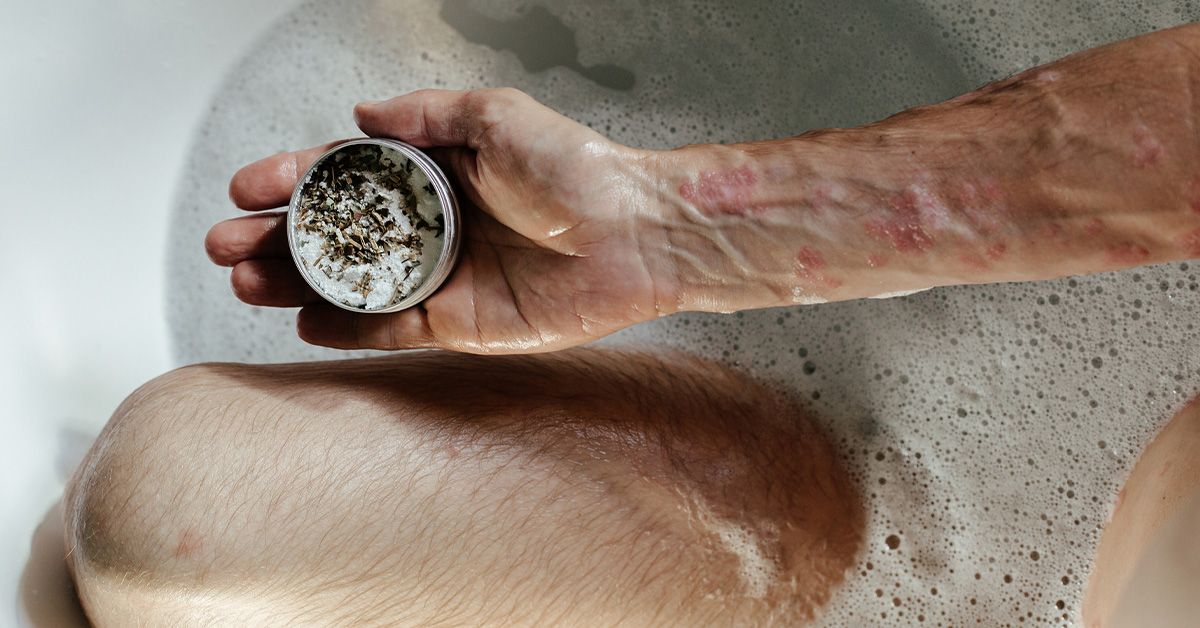
Generalized pustular psoriasis is an inflammatory disease in which numerous small, visible pustules develop on tender, inflamed skin. These bumps contain white blood cells, especially neutrophils, rather than bacteria. That means the pustules are usually sterile and GPP is not contagious. You cannot catch it by touching someone, sharing a towel, or sitting suspiciously close to them on the sofa.
The word generalized distinguishes GPP from localized forms of pustular disease that mainly affect the palms, soles, fingertips, or toes. A GPP eruption may involve the trunk, arms, legs, skin folds, and other large areas. The pustules can merge into larger collections sometimes described as “lakes of pus.” They may then dry, crust, and peel, only for new pustules to appear.
GPP is increasingly viewed as a distinct autoinflammatory condition rather than simply an unusually dramatic version of plaque psoriasis. Plaque psoriasis is strongly associated with the IL-23 and IL-17 immune pathways, while GPP is especially linked to excessive activity in the interleukin-36, or IL-36, pathway.
Generalized pustular psoriasis symptoms
A GPP flare often develops quickly. Some people notice burning, tenderness, or widespread skin discoloration before the pustules become obvious. Symptoms may intensify over several hours or days.
Skin symptoms
- Widespread areas of tender, inflamed, or swollen skin
- Numerous white or yellow pustules
- Pustules that join together or break open
- Burning, severe itching, or significant skin pain
- Crusting, scaling, and extensive peeling as lesions dry
- Existing plaque psoriasis alongside the pustular eruption
On lighter skin, inflammation may look pink or bright red. On darker skin, it may appear deep red, purple, gray, brown, or darker than the surrounding skin. Color changes may also be less noticeable, making swelling, warmth, tenderness, and pustules particularly important clues.
Whole-body symptoms
- Fever or chills
- Extreme tiredness
- Muscle weakness or aching
- Joint pain
- Headache or nausea
- Rapid heartbeat
- Reduced appetite
- Dehydration
- Swelling in the legs or other areas
Not every person experiences every symptom. A flare can also begin before a fever appears, so the absence of fever does not automatically make a rapidly spreading pustular rash harmless.
When is GPP an emergency?
GPP can disrupt the skin’s ability to regulate body temperature, retain fluid, and protect the body from infection. Severe inflammation may also affect organs beyond the skin. Emergency evaluation is especially important when pustules are spreading rapidly or when skin symptoms occur with fever, chills, dizziness, weakness, faintness, confusion, breathing problems, reduced urination, or an unusually fast pulse.
Potential complications include serious dehydration, electrolyte abnormalities, secondary infection, sepsis, kidney injury, respiratory distress, heart strain, and circulatory failure. These problems are not inevitable, but they explain why clinicians may recommend hospitalization even when the pustules themselves look small.
What causes generalized pustular psoriasis?
Immune-system overactivity
GPP develops when immune signaling becomes excessively active, attracting large numbers of neutrophils into the upper layers of the skin. The IL-36 pathway plays a central role. Think of IL-36 as part of the immune system’s alarm network. In GPP, that network can behave as though someone leaned on the fire alarm and then misplaced the off switch.
Genetic factors
Changes in genes such as IL36RN, CARD14, and AP1S3 have been associated with GPP. The IL36RN gene helps produce a protein that normally limits IL-36 inflammation. Certain variants can weaken that braking system.
However, many people with GPP have no identifiable disease-causing mutation. Genetic testing may support a diagnosis in selected cases, particularly when symptoms begin in childhood, flares are unusually severe, or there is a strong family history. A negative genetic test does not rule out GPP.
Common GPP flare triggers
A person may have an underlying susceptibility for years before a trigger sets off a flare. Possible triggers include:
- Viral or bacterial infections
- Suddenly stopping certain medications, particularly systemic corticosteroids
- Starting a medicine that causes a severe drug reaction
- Interrupting an effective psoriasis treatment
- Pregnancy or hormonal changes
- Major emotional or physical stress
- Skin injury or excessive ultraviolet exposure
- Low calcium levels or other metabolic disturbances
Triggers differ from person to person, and sometimes no trigger is found. Never stop prednisone, cyclosporine, biologic therapy, or another systemic medication abruptly without speaking to the prescribing clinician.
How doctors diagnose GPP
There is no single home test for generalized pustular psoriasis. Diagnosis usually combines the appearance and distribution of the rash, the speed of onset, systemic symptoms, medication history, previous psoriasis, laboratory testing, and sometimes a skin biopsy.
Medical history and examination
The clinician may ask when the rash began, how quickly it spread, whether pustules have appeared before, and whether the patient recently had an infection, changed medication, became pregnant, or stopped corticosteroid treatment. Photographs from the earliest stage of a flare can be surprisingly useful because pustules may change, drain, or peel before the appointment.
Laboratory tests
Blood tests may show elevated white blood cells, increased inflammatory markers, electrolyte disturbances, or abnormalities involving calcium, kidney function, or liver function. Cultures of blood, skin fluid, or other samples may be ordered to rule out infection. The pustules of GPP are generally sterile, but a person with GPP can still develop a secondary infection.
Skin biopsy and differential diagnosis
A dermatologist may remove a small skin sample for examination under a microscope. Biopsy findings can help distinguish GPP from conditions such as acute generalized exanthematous pustulosis, commonly called AGEP, which is often triggered by medication. Other possibilities include bacterial or fungal infection, subcorneal pustular dermatosis, severe contact reactions, and other inflammatory skin disorders.
Distinguishing GPP from AGEP can be challenging because both may cause fever, high white blood cell counts, and widespread pustules. The timing of a new medication, biopsy features, previous flares, psoriasis history, and the pattern of recovery all help clinicians reach the correct diagnosis.
Generalized pustular psoriasis treatment
The immediate goals of GPP treatment are to stop new pustules, reduce systemic inflammation, control pain and itching, stabilize fluid and electrolyte levels, and prevent organ complications. The best treatment depends on flare severity, age, pregnancy status, infections, other medical conditions, and previous medication responses.
Hospital and supportive care
Moderate or severe flares often require hospitalization. Supportive care may include intravenous fluids, electrolyte replacement, temperature control, nutritional support, pain treatment, gentle skin care, dressings, and close monitoring of the heart, kidneys, lungs, and infection markers.
Because damaged skin is tender, fragrance-heavy products and enthusiastic scrubbing should stay far away. Hospital teams may use bland emollients, nonstick dressings, and carefully selected topical treatments to protect the skin while systemic therapy addresses the inflammation.
Spesolimab and the IL-36 pathway
Spesolimab-sbzo, sold under the brand name Spevigo, is a biologic medicine that blocks the IL-36 receptor. It is the first medication approved by the U.S. Food and Drug Administration specifically for GPP.
Current U.S. labeling includes adults and pediatric patients age 12 or older who weigh at least 40 kilograms, or about 88 pounds. Intravenous spesolimab is used in a healthcare setting to treat an active flare. A subcutaneous form is used when the patient is not experiencing a flare, with the goal of ongoing disease control and reducing future flares.
In the EFFISAYIL 2 prevention study, 3 of 30 participants receiving the approved subcutaneous regimen experienced a GPP flare through 48 weeks, compared with 16 of 31 participants receiving placebo. The study was relatively small, which is common in rare-disease research, but the results supported the preventive indication.
Spesolimab can increase susceptibility to infection and may cause allergic or infusion-related reactions. Clinicians generally evaluate patients for tuberculosis and review vaccination needs before treatment. Medication choice, administration, and monitoring must be supervised by a qualified healthcare professional.
Other systemic treatment options
Depending on availability, urgency, pregnancy status, previous treatment, and individual health risks, clinicians may use other systemic therapies. Options can include cyclosporine, acitretin, infliximab, methotrexate, or biologic medicines targeting inflammatory pathways such as TNF, IL-17, or IL-23.
Some of these treatments are used off-label for GPP, meaning they are approved for other diseases or forms of psoriasis but may be selected based on clinical evidence and specialist experience. Cyclosporine and infliximab may act relatively quickly, while some other medicines require more time. Acitretin can cause severe birth defects and is not appropriate during pregnancy.
Topical creams alone are rarely sufficient for a widespread systemic flare. Phototherapy may have a role after acute pustules have settled, but it is generally not used on highly inflamed, unstable skin because it can worsen irritation.
Managing GPP between flares
GPP has no guaranteed permanent cure, but a thoughtful prevention plan can reduce risk and make future episodes easier to recognize. Long-term care often involves a dermatologist, primary care clinician, and sometimes specialists in rheumatology, infectious disease, genetics, obstetrics, or mental health.
Helpful steps may include:
- Taking maintenance medication exactly as prescribed
- Avoiding sudden medication discontinuation
- Keeping an updated medication and allergy list
- Recording possible triggers and early symptoms
- Treating infections promptly
- Using fragrance-free moisturizers and gentle cleansers
- Protecting the skin from injury and sunburn
- Discussing pregnancy plans before changing treatment
- Creating a written flare action plan
A flare plan should identify whom to call, which hospital has access to dermatology care, what symptoms require emergency evaluation, and which medications have worked or failed previously. When the skin is staging a full-scale rebellion, that is not the ideal moment to search through six months of emails for a drug name.
Questions to ask a dermatologist
- What signs indicate that I should go directly to an emergency department?
- Could one of my medications have triggered the flare?
- Do I need blood tests, cultures, a biopsy, or genetic testing?
- Which treatment is intended for an active flare, and which is for prevention?
- What infection screening or vaccinations do I need?
- What should I do if symptoms return after treatment?
- How could this treatment affect pregnancy, breastfeeding, or other health conditions?
What living through a GPP flare can feel like: A composite experience
The following scenario is a composite based on commonly reported patient experiences. It is not the story of one identifiable person and should not be treated as medical advice.
A flare may begin with something easy to dismiss: a burning patch near the waist, unusual fatigue, or a few tiny pustules that resemble pimples. By evening, clothing may feel abrasive. The skin becomes warmer, more tender, and increasingly difficult to ignore. A person who has never heard of generalized pustular psoriasis may assume it is an allergy or infection and try an antihistamine, a cool shower, or an early bedtime.
Then the situation changes quickly. More pustules appear across the trunk and upper legs. The person starts shivering despite feeling hot. Walking to the bathroom becomes exhausting, and the skin hurts wherever fabric touches it. At this stage, embarrassment can delay care. Pus-filled bumps carry an unfair social stigma, and patients may worry that healthcare workers will think they are contagious or unhygienic. In reality, GPP is neither.
Emergency evaluation can feel chaotic. Several clinicians may examine the skin. Blood is drawn repeatedly. Cultures, photographs, medication histories, and a biopsy may be needed. Until infection is excluded, staff may use precautions or discuss antibiotics. The uncertainty is frustrating, especially when the patient is in pain and has to explain, once again, that this is not ordinary plaque psoriasis.
Hospital treatment brings practical challenges as well as physical ones. Sleep is interrupted by vital-sign checks. Adhesive tape may irritate already tender skin. Temperature swings make blankets feel essential one moment and unbearable the next. Even improving skin can create a new problem: peeling. Sheets, clothing, and bathroom floors may collect scales faster than anyone expects. The skin is recovering, but the visual effect can resemble a snow globe operated by a mischievous intern.
Returning home does not always mean returning to normal. Fatigue may persist after the visible pustules have cleared. Skin can remain sensitive, dry, discolored, or painful. Work deadlines, childcare, medical bills, and questions from friends do not pause politely while the immune system settles down. Some people become anxious whenever they notice a new bump, feel warm, or start a medication.
Experience often teaches patients to prepare. They keep photographs of previous flares, an updated medication list, their dermatologist’s contact information, and a short written explanation of GPP. A small hospital bag may contain loose clothing, fragrance-free moisturizer, a phone charger, and a list of treatments previously tried. These items cannot stop a flare, but they reduce decision-making when energy is scarce.
Support also matters. A family member who understands that GPP is an emergency can help with transportation, childcare, medication records, and communication with clinicians. Mental health support may help with fear, isolation, altered body image, and the unpredictability of recurrence. Living with GPP is not simply a matter of “handling a rash.” It involves managing a rare systemic disease while continuing to be a parent, partner, employee, student, or ordinary human who would occasionally like the immune system to stop being the main character.
Conclusion
Generalized pustular psoriasis is rare, but its rapid progression and systemic complications demand attention. Widespread sterile pustules, painful inflamed skin, fever, chills, weakness, dehydration, or a rapid heartbeat should be treated as urgent warning signs rather than a routine psoriasis flare.
Diagnosis may require laboratory tests, cultures, medication review, and skin biopsy because infections and drug reactions can look similar. Treatment commonly combines hospital-based supportive care with systemic medication. Spesolimab directly targets the IL-36 pathway and is FDA-approved for treating active flares and maintaining control between flares in eligible patients. Other systemic medicines remain useful when selected by an experienced clinician.
Early recognition, a written emergency plan, careful medication management, and ongoing dermatology care can make this unpredictable disease safer and less overwhelming.