Your home is full of hardworking little systems that do not get applause, vacation days, or even a polite thank-you. They sit behind walls, above ceilings, under floors, and inside appliances, quietly preventing floods, fires, mold, high energy bills, and the kind of repair invoices that make adults stare silently into the refrigerator.
The problem is simple: the parts of a home that need regular maintenance are often the parts you cannot easily see. Nobody walks into a kitchen and says, “Wow, your dryer exhaust duct looks emotionally healthy.” Nobody compliments a clean condensate drain line at dinner. But these hidden home maintenance tasks matter because small neglect can turn into expensive drama.
Below are five hidden parts of your home that deserve regular attention. Think of this as a friendly house checkup, minus the awkward paper gown.
Why Hidden Home Maintenance Matters
Visible problems usually get attention fast. A dripping faucet, loose doorknob, or flickering light is annoying enough to demand action. Hidden problems, however, prefer stealth mode. A clogged dryer vent may first show up as slightly longer drying times. A damp crawl space may only announce itself with a musty smell. A neglected attic may quietly increase heating and cooling costs for years before anyone notices.
Regular home maintenance protects three big things: safety, comfort, and value. It reduces fire hazards, helps prevent water damage, improves indoor air quality, and extends the life of appliances and mechanical systems. It also makes your home easier to sell later because buyers and inspectors tend to appreciate houses that have not been maintained by wishful thinking.
The good news? Many of these maintenance tasks are simple, seasonal, and inexpensive. Some are safe do-it-yourself checks. Others should be handled by qualified professionals. Either way, the goal is not to become a full-time home mechanic. The goal is to stop tiny problems from putting on a cape and becoming villains.
1. Dryer Vents and Exhaust Ducts
The lint screen is only the beginning. Most people clean the lint trap because it is easy to see, easy to remove, and satisfying in a weirdly fluffy way. But lint also builds up inside the dryer vent and exhaust duct, where it can restrict airflow and make the dryer work harder.
Why This Hidden Part Needs Maintenance
A clogged dryer vent can cause longer drying times, higher energy use, excess heat, and increased fire risk. Lint is light, dry, and highly willing to be a problem. When airflow is blocked, heat can build up inside the dryer system. That is not the cozy kind of heat. That is the “why does the laundry room smell hot?” kind.
Clean dryer vents also help the appliance run more efficiently. If towels that used to dry in one cycle now require two or three, your dryer may not be lazy; it may be suffocating through a lint sweater.
How Often to Check It
Clean the lint screen before or after every load. Inspect the outside vent flap every few months to make sure it opens freely and is not blocked by lint, leaves, bird nesting material, or that one mysterious spider who apparently owns the laundry room. Clean the dryer vent and exhaust duct at least once a year. Homes with pets, large families, long duct runs, or heavy laundry use may need more frequent cleaning.
Warning Signs You Should Not Ignore
Common warning signs include clothes taking longer to dry, the dryer feeling unusually hot, a burning or musty smell, visible lint around the outside vent, or a laundry room that feels humid after a cycle. If your dryer starts acting like it is training for a marathon, check the vent.
Maintenance Tips
Unplug the dryer before cleaning. Pull it away from the wall carefully, disconnect the duct if you can do so safely, and vacuum lint from both ends. Use a dryer vent cleaning brush for deeper buildup. Replace crushed or flimsy plastic ducting with proper metal ducting where required by local code and manufacturer instructions. If the duct run is long, hidden in walls, or difficult to access, hire a professional. There is no shame in calling help; lint has been plotting in darkness.
2. HVAC Filters, Coils, and Condensate Drain Lines
Your heating and cooling system is like the lungs of your home. Unfortunately, many homeowners treat it like a magical box that should produce perfect air forever while being ignored in a closet. That is optimistic. Also expensive.
Why This Hidden Part Needs Maintenance
Dirty HVAC filters restrict airflow, forcing the system to work harder. That can raise energy costs, reduce comfort, and contribute to early equipment failure. A neglected filter also allows dust and debris to collect inside the system, including on coils and blower components.
Another hidden troublemaker is the condensate drain line. Air conditioners and heat pumps remove moisture from indoor air. That moisture drains away through a line. When the line clogs with algae, sludge, dust, or debris, water can back up into the system or spill into ceilings, walls, floors, or mechanical closets. Nothing says “surprise home project” like a ceiling stain shaped like regret.
How Often to Check It
Check HVAC filters monthly, especially during heavy heating or cooling seasons. Replace or clean them according to the system type and manufacturer instructions. Many disposable filters should be changed at least every three months, but homes with pets, dust, allergies, or frequent system use may need a faster schedule.
Have the HVAC system professionally serviced at least once a year. A technician can check coils, electrical components, refrigerant levels, blower operation, drain pans, and condensate lines. Homeowners can also look for obvious signs of trouble around the indoor unit.
Warning Signs You Should Not Ignore
Watch for weak airflow, uneven temperatures, unusual noises, musty odors, rising utility bills, water near the indoor unit, or a system that runs constantly but never quite catches up. If the air conditioner sounds like it is trying to cool the entire neighborhood, it deserves attention.
Maintenance Tips
Use the correct filter size and type. A filter that does not fit snugly can let dust bypass it. Do not automatically buy the thickest or highest-rated filter without checking whether your system can handle it; overly restrictive filters can reduce airflow. Keep supply and return vents clear of furniture, rugs, and curtains. Inspect the condensate drain area occasionally, and call a professional if you see standing water, rust, slime, or recurring clogs.
3. Gutters, Downspouts, and Foundation Drainage
Gutters are not glamorous. They are basically roof rain highways. But when they clog, sag, leak, or dump water next to the foundation, the results can be anything but boring.
Why This Hidden Part Needs Maintenance
Gutters and downspouts move rainwater away from your roof, siding, basement, crawl space, and foundation. When they fail, water can run down exterior walls, collect near the foundation, enter basements, rot fascia boards, damage landscaping, and create conditions that encourage mold growth.
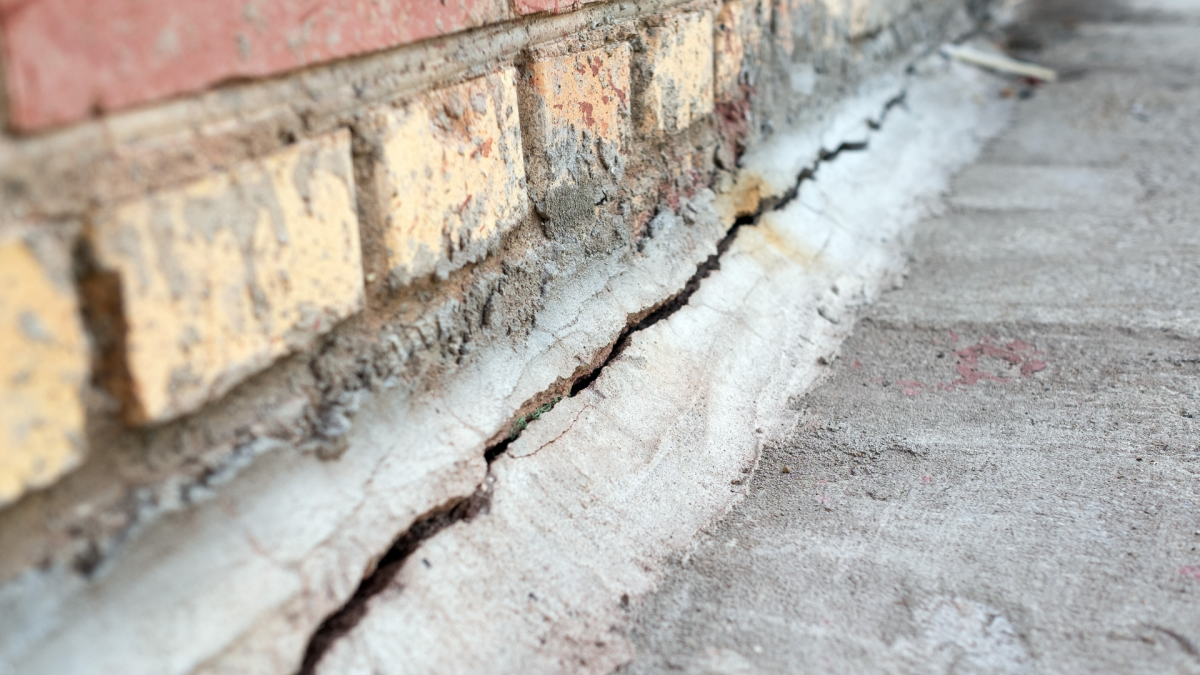
Foundation drainage is often forgotten because the problem is not always visible right away. Water may seep slowly into cracks, crawl spaces, or basement corners. Over time, that moisture can create musty odors, wood damage, pests, and structural concerns. Water is patient. It does not need your permission to ruin a Saturday.
How Often to Check It
Clean gutters at least twice a year, usually in spring and fall. If your home is near trees, check them more often. Inspect gutters after major storms. Downspouts should discharge water several feet away from the foundation, and the soil around the house should slope away from the building.
Warning Signs You Should Not Ignore
Look for overflowing gutters during rain, sagging sections, peeling exterior paint, soil erosion, pooling water, basement dampness, musty smells, or green staining on siding. If you see little waterfalls pouring over your gutters, your house is not creating ambiance. It is asking for help.
Maintenance Tips
Remove leaves, twigs, roof grit, and sludge from gutters. Flush downspouts with a hose to confirm they drain properly. Repair leaks and loose hangers. Add downspout extensions or splash blocks where needed. Keep landscaping from trapping water against the foundation. If water consistently pools near the house, consult a drainage or foundation professional. The goal is simple: make rainwater leave the party before it starts breaking furniture.
4. Attics, Roof Ventilation, and Insulation Gaps
The attic is where many homeowners store holiday decorations, old boxes, and one chair nobody likes but nobody is emotionally ready to throw away. It is also one of the most important hidden areas of the home.
Why This Hidden Part Needs Maintenance
A healthy attic helps control temperature, moisture, and energy loss. Poor insulation, air leaks, blocked vents, roof leaks, or bathroom fans venting into the attic can create serious problems. Warm indoor air can leak into the attic during winter and condense on cold surfaces. In summer, poor ventilation can trap heat and make the air conditioner work harder.
Attics can also hide roof leaks for a long time. By the time water stains appear on a ceiling below, the attic may already have damp insulation, stained rafters, mold growth, or damaged decking. The attic is basically your home’s rumor mill: problems start there before the rest of the house hears about them.
How Often to Check It
Inspect the attic at least twice a year and after major storms. The best times are spring and fall, when temperatures are more reasonable and your attic is less likely to feel like a toaster with plywood.
Warning Signs You Should Not Ignore
Look for damp or compressed insulation, dark stains on roof decking, musty smells, daylight showing through roof gaps, rusty nails, pest droppings, blocked soffit vents, bathroom fan ducts ending in the attic, or unusually high heating and cooling bills. Ice dams in colder climates can also point to insulation and ventilation problems.
Maintenance Tips
Keep attic vents clear. Make sure bathroom and kitchen exhaust fans vent outdoors, not into the attic. Check insulation depth and condition. Seal obvious air leaks around attic hatches, plumbing penetrations, wiring holes, and recessed light openings only when it is safe and appropriate for the fixture type. Do not cover soffit vents with insulation. If you find moisture, mold, electrical concerns, or structural damage, call a professional. Attics are useful, but they are not worth falling through a ceiling for dramatic effect.
5. Sump Pumps, Water Heaters, and Hidden Plumbing Connections
Basements, utility rooms, crawl spaces, and mechanical closets often contain the systems that protect your home from water damage. Sadly, they are also easy to ignore because they do not usually demand attention until they are actively ruining flooring.
Why This Hidden Part Needs Maintenance
A sump pump removes water that collects in a sump pit, usually in a basement or crawl space. If it fails during heavy rain, groundwater can enter the home. A water heater can also create trouble when sediment builds up, valves fail, connections leak, or the tank corrodes. Hidden plumbing connections under sinks, behind washing machines, near toilets, and around icemakers can leak slowly for weeks before anyone notices.
Water damage is sneaky because a small leak can look harmless at first. A tiny drip under a sink can soak cabinet floors. A loose washing machine hose can become a miniature indoor waterfall. A neglected sump pump can turn a basement into an unwanted indoor pond. No one asked for a water feature next to the holiday bins.
How Often to Check It
Test your sump pump before rainy seasons by pouring water into the pit and confirming the pump activates and discharges properly. Check the discharge line to make sure it is clear and sends water away from the foundation. Consider a battery backup if power outages are common in your area.
Inspect the water heater every few months for leaks, corrosion, rust, strange noises, and proper venting on gas models. Many tank-style water heaters benefit from annual flushing to reduce sediment, depending on water quality and manufacturer guidance. The temperature and pressure relief valve should be checked according to the manufacturer’s instructions or by a qualified professional.
Warning Signs You Should Not Ignore
For sump pumps, watch for unusual noises, constant running, failure to turn on, bad smells from the pit, or water entering the basement. For water heaters, watch for popping or rumbling sounds, rusty water, fluctuating hot water, moisture around the base, or visible corrosion. For hidden plumbing, look for warped cabinet floors, stains, musty odors, loose supply lines, and unexplained increases in water bills.
Maintenance Tips
Keep the sump pit free of debris. Confirm the float moves freely. Check the discharge line for clogs, freezing risk, or poor placement. For water heaters, follow the owner’s manual and use caution because hot water can scald. If you are unsure about flushing, valve testing, gas connections, or electrical components, hire a licensed plumber. Replace old rubber washing machine hoses with braided stainless-steel hoses where appropriate. Install inexpensive leak alarms near water heaters, sump pumps, washing machines, and under sinks for early warnings.
A Simple Hidden Home Maintenance Schedule
The easiest way to maintain hidden parts of your home is to put tasks on a schedule instead of relying on memory. Memory is busy remembering passwords, appointments, and whether you bought milk. Give it a break.
Monthly
Check HVAC filters. Look under sinks for leaks. Inspect around the water heater and washing machine. Clean the dryer lint screen after every load and occasionally check the outside dryer vent. Walk around the house after rain to see where water collects.
Seasonally
Clean gutters and downspouts. Test the sump pump before storm season. Check attic vents and look for roof leak signs. Inspect foundation grading and downspout extensions. Vacuum supply and return vents. Look for musty smells in basements and crawl spaces.
Annually
Clean the dryer vent and exhaust duct. Schedule HVAC service. Consider water heater flushing according to manufacturer guidance. Inspect attic insulation and air sealing. Review your home for slow leaks, worn hoses, aging caulk, and drainage problems. A professional home maintenance inspection can also help identify issues you might miss.
Specific Examples: Small Maintenance, Big Savings
Imagine a family whose dryer starts taking two cycles to dry towels. They ignore it for months because the dryer still technically works. Eventually, a technician finds a vent packed with lint. Cleaning the vent improves drying time, reduces heat buildup, and may extend the life of the appliance. The repair was not really a repair at all; it was a cleaning task that waited too long.
Now picture a homeowner who notices a faint musty smell near the basement stairs. Instead of blaming “old house smell,” they check the exterior drainage. One downspout has disconnected and is dumping water directly beside the foundation. Reattaching the downspout and adding an extension prevents more moisture from entering the basement. That simple fix may prevent mold, damaged storage boxes, and future foundation worries.
Or consider an attic where insulation has been pushed away from a plumbing chase. Warm air leaks into the attic all winter, contributing to uneven temperatures and higher heating costs. Sealing the gap and restoring insulation improves comfort. Nobody sees the repair during a house tour, but the utility bill notices. Utility bills are rude, but honest.
When to DIY and When to Call a Professional
Many hidden maintenance tasks are homeowner-friendly: changing HVAC filters, cleaning lint screens, checking gutters from the ground, testing a sump pump, looking for leaks, and placing water alarms. These tasks require consistency more than advanced skill.
Call a professional when the job involves roof access, electrical work, gas appliances, mold beyond a small area, major drainage problems, HVAC mechanical repairs, complex dryer duct runs, structural damage, or plumbing work you do not understand. A good rule: if the task could flood the house, start a fire, cause a fall, or make you say “I saw a guy do this online,” pause and call someone qualified.
Extra Experience Section: What Homeowners Learn the Hard Way
One of the most common home maintenance lessons is that houses rarely fail all at once. They whisper first. A dryer takes longer. A basement smells slightly damp. A gutter overflows only during heavy rain. A water heater makes a small popping sound. A bedroom feels hotter than the rest of the house. These little clues are easy to dismiss because life is busy and the house is not waving a red flag. But hidden parts of a home often communicate through tiny changes.
Experienced homeowners learn to walk around the property after a storm. This simple habit can reveal more than a fancy gadget. You can see whether water is pooling near the foundation, whether downspouts are draining properly, and whether gutters are overflowing. The best time to discover a drainage problem is while it is raining, not three weeks later when the basement smells like a wet cardboard convention.
Another practical habit is keeping a small maintenance notebook or digital checklist. Write down when you changed the HVAC filter, cleaned the dryer vent, flushed the water heater, tested the sump pump, or inspected the attic. Without a record, “I did that recently” can secretly mean “sometime during the previous presidential administration.” A checklist turns vague good intentions into actual home care.
Homeowners also learn that cheap prevention often beats expensive repair. A water leak alarm can cost very little compared with replacing flooring. A downspout extension is far cheaper than basement waterproofing. A new HVAC filter is cheaper than a stressed blower motor. A dryer vent cleaning brush costs less than replacing a dryer that has been overheating for months. Maintenance is not glamorous, but neither is explaining to guests why the ceiling has a bubble.
There is also value in learning your home’s normal behavior. Know how long the dryer usually takes. Know how the HVAC system sounds when it starts. Know where the sump pump drains. Know where the main water shutoff is located. Know whether your attic normally feels dry or humid. When you understand the baseline, changes stand out faster.
Finally, do not let embarrassment delay repairs. Many people ignore hidden maintenance because they assume they “should” already know how everything works. Houses are complicated. Even skilled homeowners call electricians, plumbers, HVAC technicians, roofers, and inspectors. The smart move is not knowing everything; it is noticing early, asking good questions, and fixing small problems before they become expensive stories.
Conclusion
The hidden parts of your home may not be exciting, but they are quietly protecting your comfort, safety, and wallet. Dryer vents reduce fire risk when kept clear. HVAC filters and condensate lines help your system run efficiently. Gutters and downspouts protect the foundation. Attics influence moisture, insulation, and energy use. Sump pumps, water heaters, and hidden plumbing connections defend against water damage.
Regular home maintenance does not require perfection. It requires attention. Set reminders, make seasonal checklists, and treat small warning signs like useful messages instead of annoying interruptions. Your home does not need you to panic. It just needs you to look behind the curtain once in a while and make sure the hidden parts are doing their jobs.
Note: This article is written for general homeowner education. For safety-critical systems, major repairs, mold concerns, electrical issues, gas appliances, roofing, or plumbing work beyond basic inspection, consult a qualified professional and follow local codes and manufacturer instructions.