A dream cruise around Australia is supposed to come with ocean views, polished service, and the kind of itinerary that makes your group chat jealous. It is not supposed to end with an elderly passenger left behind on a remote island in the Great Barrier Reef. Yet that is the tragic story at the center of the death of Suzanne Rees, an 80-year-old woman from Sydney who was found deceased on Lizard Island after the cruise ship Coral Adventurer departed without her.
The incident shocked travelers, cruise watchers, and ordinary people who heard the basic facts and had the same immediate reaction: How does a cruise ship leave without knowing one of its passengers is missing? It is the sort of question that sounds simple until investigators begin unpacking excursion procedures, headcounts, staff communication, passenger tracking, medical response, weather conditions, and the complicated logistics of expedition cruising in remote places.
Rees had joined a 60-day circumnavigation cruise around Australia operated by Coral Expeditions. Lizard Island, part of Queensland’s Great Barrier Reef region, was among the early stops. According to public reporting and statements from her family, Rees joined an organized hike to Cook’s Look, a steep lookout associated with Captain James Cook’s historic visit to the area. During the hike, she reportedly felt unwell in hot conditions and was asked or allowed to descend without an escort. She never made it back to the vessel.
Her body was found the next day. Authorities described the death as non-suspicious, while investigations by maritime, police, coroner, and workplace safety authorities were reported. Coral Expeditions expressed condolences, said it was cooperating with investigators, and later acknowledged that while it had safety systems in place, some procedures were not adequately implemented on the day of the tragedy.
What Happened On Lizard Island?
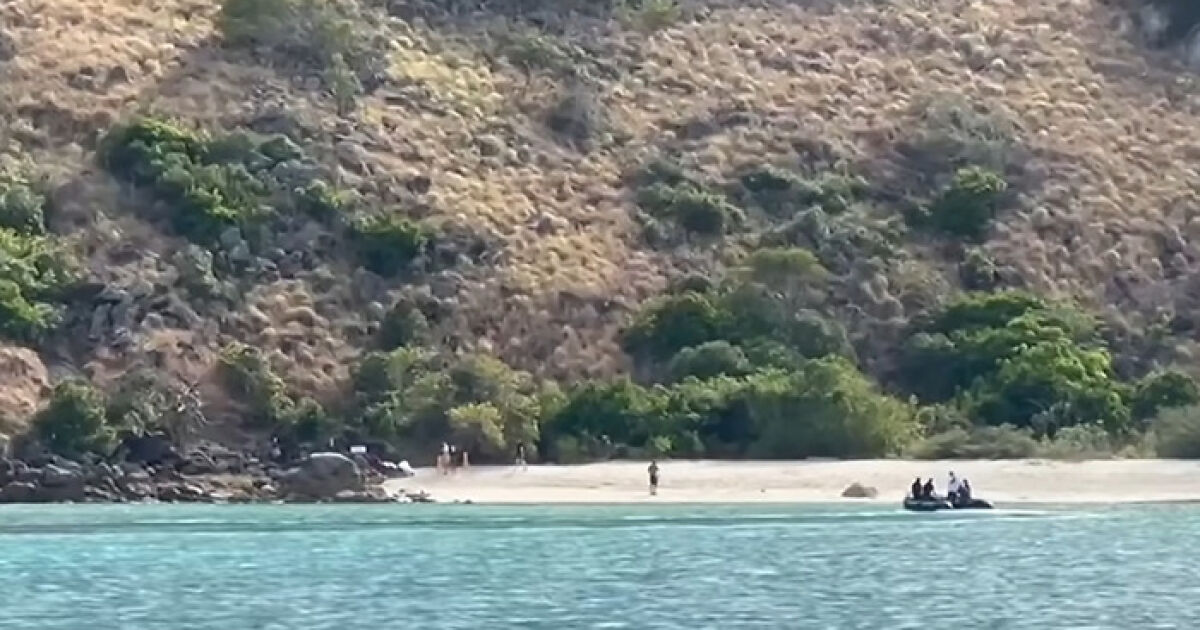
Lizard Island is beautiful, remote, and unforgiving in the way tropical wilderness can be. It is surrounded by reef, bright water, coral gardens, and postcard scenery. But on land, the island also has heat, scrub, rocky trails, and areas where a person can become disoriented quickly. In other words, paradise can still have sharp edges.
Suzanne Rees was reportedly an active woman who enjoyed gardening and bushwalking. Her family described her as healthy and capable, not someone who simply wandered into danger without awareness. That matters because the story is not about an inexperienced traveler ignoring obvious risks. It is about a passenger taking part in an organized cruise excursion and then, according to her family, being left to make her way down alone after becoming unwell.
The hike to Cook’s Look is not a casual boardwalk stroll where the hardest part is choosing a camera angle. It has been described in reports as difficult, steep, and exposed. On a hot day, even fit hikers can experience exhaustion, dehydration, dizziness, or confusion. For older travelers, the margin for error can shrink quickly, especially if they are alone and without immediate communication.
After the group returned and the Coral Adventurer later departed Lizard Island, Rees was not on board. Her absence was reportedly noticed hours later when she did not appear for dinner. A ship-wide search followed, and the vessel turned back. Search-and-rescue efforts were launched, including aerial support. Her body was discovered the next morning near the hiking area.
Who Was Suzanne Rees?
Suzanne Rees was more than a headline. She was a mother, a grandmother, a traveler, a gardener, and an active bushwalker. That human detail is important because viral travel tragedies often become flattened into keywords: “elderly woman,” “cruise ship,” “found dead,” “remote island.” But behind every phrase is a family that expected a message about sunsets and reef fish, not a knock at the door from police.
Her daughter, Katherine Rees, publicly said the family was shocked and saddened that the Coral Adventurer left Lizard Island after an organized excursion without her mother. She described the situation as a “failure of care and common sense.” Those words resonated because they captured what many readers felt instinctively: the most basic promise of an organized trip is that the organizer knows who came, who went, and who made it back.
Rees’s family called for a coronial inquiry to determine what happened and what could have been done differently. That question is not only emotional; it is practical. If a passenger becomes unwell during an excursion, who stays with them? If a guest turns back, who confirms they reach the meeting point? If tenders carry passengers between shore and ship, who reconciles the manifest before departure? In expedition cruising, those details are not paperwork. They are lifelines.
The Cruise Ship And The Voyage
The Coral Adventurer is an expedition-style vessel designed for smaller-group cruising in remote destinations. Ships like this often promise access to places larger cruise liners cannot reach. That is part of their appeal. Passengers pay for intimacy, expert-led excursions, wilderness access, and a sense of adventure without having to personally manage every logistical risk.
The voyage was billed as a 60-day journey around Australia. For many passengers, that kind of trip is not an impulse purchase. It is a major life experience, the sort of journey people save for, plan around, and talk about for years. In some reports, cabins were described as costing tens of thousands of dollars. Luxury pricing naturally raises expectations: not perfection, because the sea laughs at perfection, but competence, communication, and tight safety controls.
After Rees’s death, the voyage was eventually canceled, with passengers offered refunds and return travel arrangements. Reports also noted mechanical issues affecting the vessel during the broader timeline. While mechanical problems and the Lizard Island death are separate facts, together they intensified scrutiny of the ship, the operator, and the decision-making around the cruise.
Why Passenger Counts Matter So Much
A passenger count may sound boring, like something from a clipboard’s autobiography. But in maritime tourism, headcounts are among the most important safety tools available. They are simple, low-tech, and brutally effective when properly performed. Count people leaving. Count people returning. Match the numbers. If the numbers do not match, nobody leaves until the missing person is found.
That principle is especially critical during shore excursions. A cruise ship is a controlled environment; an island is not. Passengers may split into groups, move at different speeds, stop for photos, become unwell, get confused, or return by different paths. Add heat, uneven terrain, tender transfers, and a remote location, and the need for strict tracking becomes obvious.
Public reporting indicated investigators were examining why Rees may not have been accounted for when passengers reboarded. That is the central operational question. If a formal passenger-count system existed, did it fail? Was it bypassed? Was the group split in a way that created confusion? Was a guide aware she had turned back? Did anyone confirm she reached the beach or tender pickup area? These are the questions that transform a tragedy into a safety case study.
The Role Of Heat, Terrain, And Age
It would be unfair and inaccurate to suggest that age alone explains what happened. Many people in their 80s hike, travel, swim, garden, and outpace younger relatives who consider walking from the couch to the fridge a cardio session. Rees was described as active. Still, age can increase vulnerability when something goes wrong, especially in hot weather or on difficult terrain.
Heat illness can develop faster than people expect. Early symptoms may include fatigue, thirst, headache, dizziness, nausea, cramps, or confusion. If someone is already on a steep track, the return journey may be harder than the climb, particularly if they are alone and worried about holding up the group. A person can make one wrong turn, sit down to recover, slip, or become too weak to continue.
Remote-island hiking demands a different safety mindset from urban sightseeing. There may be limited shade, patchy communication, few landmarks, and slower emergency response. In that environment, the rule should be simple: if a passenger becomes unwell, that passenger should not become a solo project.
Official Investigations And Company Response
After the death, several authorities were reported to be involved, including Queensland Police, the coroner, the Australian Maritime Safety Authority, and workplace safety officials. Police described the death as non-suspicious, meaning there was no immediate indication of foul play. That does not answer the larger question of preventability. Non-suspicious does not automatically mean unavoidable.
Coral Expeditions expressed sorrow and said it was fully cooperating with investigations. Later reporting quoted the company as acknowledging that although it had comprehensive safety systems and procedures, some were not adequately implemented on the day of Rees’s death. The company also said it had introduced additional systems and procedures to strengthen guest protections.
Those statements matter because they shift the conversation from “Was there a system?” to “Did the system work when it mattered?” In safety management, a procedure that exists only in a manual is like a lifeboat painted on the wall. It may look reassuring, but it will not float.
Why This Story Hit A Nerve With Travelers
The death of an elderly woman on a remote Great Barrier Reef island struck a nerve because cruise passengers often assume the structure of a cruise protects them. You book the cabin, follow the excursion schedule, wear the lanyard, listen to the briefing, and trust that someone is keeping track. That trust is part of what people pay for.
When that trust breaks, the fear is immediate and personal. Every traveler can imagine being the person who turns back early. Every family can imagine waiting for a cheerful update and getting terrible news instead. Every solo traveler can picture the vulnerability of being in a group but still somehow becoming invisible.
The story also recalled earlier tourism safety failures in Australia, including the widely known case of Tom and Eileen Lonergan, American divers left behind on the Great Barrier Reef in 1998. That comparison is painful because the lesson seems so basic: count your guests. Then count them again. Then do not move until the count is right.
Lessons For Cruise Lines And Tour Operators
The first lesson is that passenger accountability must be redundant. One clipboard is not enough. A guide’s memory is not enough. A casual “looks like everyone is here” is definitely not enough. Operators should use layered systems: digital scans, physical counts, guide checklists, tender manifests, and final reconciliation before departure.
The second lesson is that turning back during a hike should trigger a formal safety protocol. If a guest becomes unwell and decides to return, a staff member should accompany them or arrange a confirmed handoff to another trained employee. The operator should know the passenger’s last known location, condition, expected route, and expected arrival time.
The third lesson is that excursion difficulty must be communicated honestly. “Moderate” should not mean “moderate if you are a mountain goat with excellent hydration habits.” Cruise passengers include a wide range of ages and abilities. Trail descriptions should include distance, elevation, terrain, shade, temperature risk, and whether turning back alone is allowed.
The fourth lesson is that crew must have the authority to delay departure. A schedule is not sacred. A sunset sailing time is not more important than a missing person. If a passenger cannot be accounted for, the ship should remain in place or keep search resources active until the situation is resolved.
Lessons For Travelers And Families
Travelers should not have to become their own emergency-management department, but a few habits can improve safety. Before any shore excursion, ask how the operator tracks passengers. Ask what happens if someone becomes unwell. Ask whether guides carry radios, satellite phones, first aid kits, and passenger lists. If the answer is vague, that is not charming spontaneity; that is a red flag wearing sunscreen.
Solo travelers should consider pairing up informally with another passenger during excursions. This does not mean giving up independence. It means having someone who notices if you are missing from the tender, the bus, the trail, or dinner. A buddy system may sound like summer camp, but summer camp has fewer cliffs and less maritime law.
Families can also help by discussing check-in habits before major trips. A quick morning message, a shared itinerary, and emergency contact details can make a difference. For older travelers, carrying identification, medication information, water, a whistle, and a charged phone or locator device may add an extra layer of protection. Again, none of this replaces operator responsibility, but safety works best when multiple layers overlap.
Experiences And Reflections Related To This Tragedy
Stories like this linger because they reveal how quickly a vacation can shift from organized adventure to human vulnerability. Many travelers have experienced a smaller version of the same anxiety: getting separated from a tour group in a crowded market, taking the wrong path back from a beach, missing a shuttle, or realizing nobody in the group knows exactly where the last person went. Usually, the ending is harmless. Someone laughs, someone buys a bottle of water, and someone says, “Well, that was exciting,” in the tone people use when they mean “Let us never do that again.”
But remote travel changes the stakes. On a city tour, a lost traveler can ask for directions, call a taxi, step into a cafe, or find police. On an island trail, there may be no cafe, no clear sign, no ride-share app, and no helpful stranger with a phone charger. A simple delay becomes dangerous. A small injury becomes immobilizing. A wrong turn becomes a search zone.
For older travelers, the emotional side of this topic is complicated. Many seniors do not want to be treated as fragile, and they should not be. Travel is one of the great joys of later life. People who have worked, raised families, survived deadlines, paid taxes, and found their reading glasses in increasingly mysterious places deserve adventure. They deserve reef islands, mountain views, long cruises, and the pleasure of doing something bold. The goal is not to wrap older travelers in bubble wrap and park them near the buffet.
The goal is to respect independence while planning for reality. A capable 80-year-old can still become dehydrated. A strong walker can still feel dizzy in heat. A confident solo traveler can still need a companion for a descent. Safety does not insult independence; it protects it.
Tour operators often sell the romance of remoteness. They show blue water, empty beaches, rare wildlife, and places untouched by crowds. That remoteness is real, and it is part of the magic. But it also means the operator carries a heavier duty of care. When guests are taken into places they cannot easily leave on their own, the company becomes more than a host. It becomes the bridge between adventure and rescue.
The most haunting part of Suzanne Rees’s story is not only that she died, but that she reportedly died alone after joining an organized excursion. That detail turns public sadness into public anger. People can accept that wilderness has risks. They struggle to accept that a traveler can be misplaced like a towel left on a deck chair.
For anyone planning an expedition cruise, this tragedy should not mean canceling every dream trip. It should mean asking sharper questions. How are guests counted? How are hiking groups managed? What happens if someone turns back? Who carries communication equipment? Are guides trained for heat illness? Does the ship leave only after a verified count? A good operator should welcome those questions. If they do not, consider that your answer.
For cruise companies, the lesson is even clearer. Luxury is not the thread count of the sheets or the sparkle of the welcome drink. Luxury is confidence. It is knowing that when a passenger steps off the ship, someone knows they stepped off; when they return, someone confirms they returned; and if they do not return, the system stops everything until they are found.
Conclusion
The death of Suzanne Rees on Lizard Island is a heartbreaking reminder that travel safety depends on ordinary procedures done extraordinarily well. Headcounts, escorts, communication, trail monitoring, and final boarding checks may not sound glamorous, but they are the quiet machinery that keeps adventure from becoming disaster.
As investigations continue and the cruise industry absorbs the lessons, one truth should remain at the center: passengers are not cargo, numbers, or dinner reservations. They are people with families waiting for them to come home. A cruise ship can replace an itinerary. A family cannot replace a mother.
Note: This article is a rewritten, original SEO article based on publicly reported information from reputable news and travel-industry sources. It avoids inserting source links in the article body and does not include unnecessary citation placeholders.