Every host has a “guest story.” Some are cute: someone accidentally used the decorative soap, mistook the dog’s bed for a floor cushion, or complimented the casserole with the emotional intensity of a person meeting mashed potatoes for the first time. Other stories are less charming. They involve broken furniture, raided refrigerators, mysterious bathroom crimes, unauthorized plus-ones, and the kind of behavior that makes a host quietly Google, “Can I change my locks before dessert?”
The online community behind these stories has turned bad guest behavior into a strangely fascinating social laboratory. When people share the worst things guests did in their homes, the replies are funny, horrifying, and weirdly educational. They reveal what hosts truly value: respect, boundaries, gratitude, cleanliness, and not setting anything on fire. A low bar, you would think. Yet here we are, discussing guests who treated someone’s home like a hotel, a landfill, a storage unit, a daycare, or an escape room with snacks.
This article gathers and rewrites the most common types of nightmare guest stories in a fresh, original way, while also looking at why these moments hit such a nerve. From houseguest etiquette to dinner party manners, from food safety to property damage, the lesson is simple: being invited into someone’s home is not a constitutional right. It is a privilege wrapped in clean towels.
Why Bad Guest Stories Go Viral
Bad guest stories spread online because almost everyone understands the emotional math. A home is personal. It is where people rest, store memories, feed their children, hide the good cookies, and occasionally pretend the laundry chair is not happening. When a guest ignores that, the offense feels bigger than the broken plate or stained couch. It feels like disrespect.
Online communities love these stories because they combine shock, humor, moral judgment, and practical advice. Readers do not just laugh; they also quietly make mental rules. Do not bring strangers without asking. Do not snoop. Do not criticize the food. Do not use the host’s bedroom as a changing room, nap room, argument room, or emotional support cave. Do not assume “make yourself at home” means “reorganize the pantry like a raccoon with a label maker.”
34 Worst Things Guests Did, Rewritten From Community-Style Stories
Below are 34 common nightmare guest scenarios inspired by online community discussions, hospitality advice, and real patterns people report again and again. Names and details are generalized, but the behavior will feel painfully familiar to anyone who has ever hosted.
-
1. The Guest Who Nearly Burned Down the House
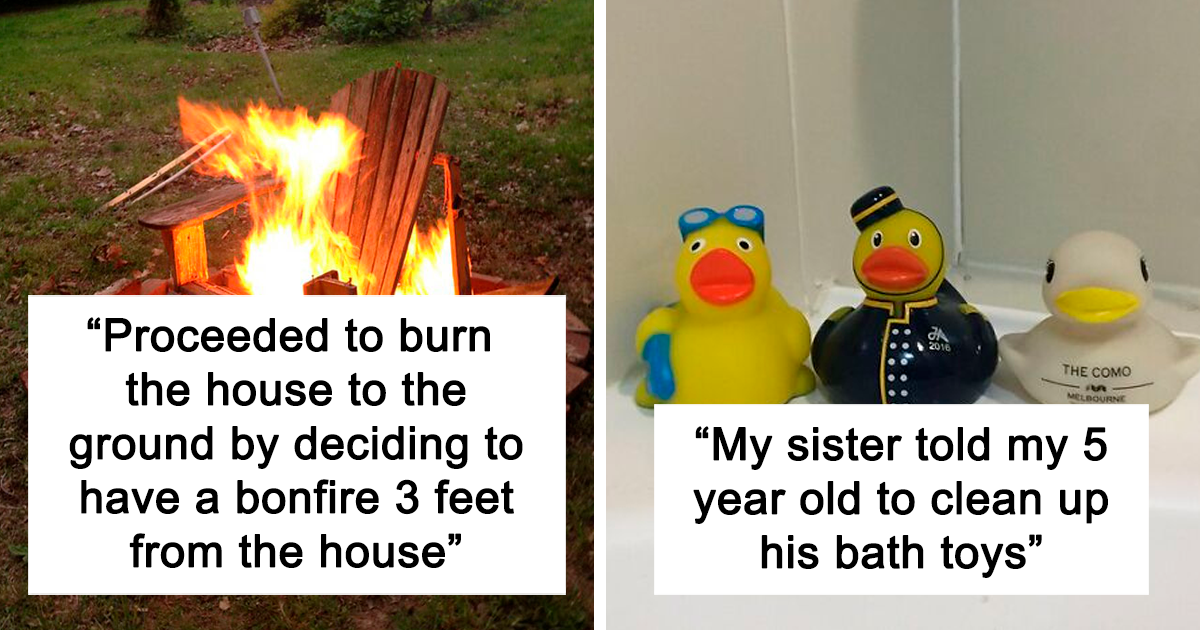
One unforgettable story involved a guest making a fire far too close to a home. It was the kind of decision that makes smoke alarms file a formal complaint. Fire safety is not a vibe; open flames near walls, curtains, fences, or dry grass can become expensive disasters quickly.
-
2. The Pool Heater Bandit
A guest turned on a pool heater during cold weather and never mentioned it. The host later discovered a steaming pool and a shocking utility bill. Nothing says “thanks for having me” like converting someone’s backyard into a luxury spa at their financial expense.
-
3. The Drought Shower Champion
Some guests ignore household limits completely. In one type of story, a host explains that water is limited, only for the guest to take a marathon shower. When the water runs out, suddenly everyone learns a valuable lesson in resource management, also known as “please listen the first time.”
-
4. The Refrigerator Raider
This guest treats the fridge like a public buffet. Leftovers vanish, special ingredients disappear, and someone’s carefully labeled lunch becomes “just a snack.” Eating a host’s food without asking is not casual. It is theft wearing pajama pants.
-
5. The Uninvited Plus-One Collector
A host invites one person, and that person arrives with three friends, a cousin, and someone named Tyler who “was already in the car.” Bringing extra guests without permission creates food, seating, safety, and comfort problems. Also, Tyler was not invited.
-
6. The Bathroom Destroyer
Many hosts report guests leaving bathrooms in shocking condition: towels on wet floors, clogged toilets, makeup on counters, and messes nobody should have to identify without protective eyewear. A guest bathroom is not a crime scene. Please act accordingly.
-
7. The Cabinet Snooper
Some guests cannot resist opening cabinets, medicine drawers, closets, or bedroom doors. They claim they were “just looking.” Looking for what, exactly? The lost city of Atlantis behind the allergy medicine?
-
8. The Guest Who Rearranged Everything
A certain type of visitor believes every home is waiting for their organizational genius. They move dishes, rearrange spices, fold towels differently, and create a scavenger hunt for the person who actually lives there.
-
9. The Furniture Breaker Who Says Nothing
Accidents happen. What turns an accident into a legendary hosting horror story is silence. A broken chair, cracked table, or damaged door should not be discovered days later like a cursed artifact.
-
10. The Guest Who Criticized the Food
One of the fastest ways to become a villain in a dinner party story is to insult the meal. Hosts spend time, money, and energy preparing food. Even if the chicken is drier than a tax form, kindness is free.
-
11. The Overnight Guest Who Never Leaves
A weekend stay becomes a week. A week becomes “just until I figure things out.” Suddenly, the host has acquired a roommate with no lease, no rent, and a suspicious attachment to the good coffee.
-
12. The Loud Midnight Wanderer
This guest snacks, showers, streams videos, slams doors, and conducts loud phone calls after everyone else is asleep. Homes have rhythms. Good guests learn them. Bad guests become a one-person marching band at 1:43 a.m.
-
13. The Pet Rule Ignorer
A host says no pets, and a guest arrives with a dog anyway. Or the guest feeds the host’s pet something unsafe. Or they let an indoor cat outside. Pet boundaries are not suggestions; they protect animals and households.
-
14. The Child Supervision Outsourcer
Some guests bring children and then mentally clock out. The kids climb furniture, open drawers, spill drinks, or harass pets while the parent says, “They’re just curious.” So are raccoons, but we still keep lids on trash cans.
-
15. The Laundry Takeover
A guest arrives with three suitcases of dirty clothes and assumes the host’s washer, dryer, detergent, and afternoon are available. Asking first is basic. Running six loads during a short visit is a hostage negotiation with fabric softener.
-
16. The Host’s Bedroom Invader
The bedroom is usually the most private room in a home. Yet some guests wander in, sit on the bed, open drawers, or use the mirror. Unless invited, the host’s bedroom should be treated like a museum exhibit guarded by lasers.
-
17. The Guest Who Leaves Trash Everywhere
Cups on shelves, napkins in couch cushions, wrappers beside the bed, and mystery crumbs in places crumbs have no business being. A trash can is not a riddle. It is usually visible and waiting for character development.
-
18. The Borrower Who Keeps Things
Phone chargers, books, jackets, kitchen tools, and even sentimental items sometimes leave with guests “by accident.” Returning borrowed things promptly is one of the simplest ways to remain welcome.
-
19. The Guest Who Smokes Indoors
If the host says no smoking, that includes bathrooms, bedrooms, garages, and leaning halfway out a window like a guilty chimney. Smoke lingers, stains, and creates health concerns for others.
-
20. The Kitchen Contaminator
Hosts often tell stories about guests using raw-meat utensils on cooked food, leaving perishables out, or touching everything without washing hands. Food safety is not glamorous, but neither is a house full of stomach misery.
-
21. The Guest Who Shows Up Early
Arriving early sounds polite only to people who have never hosted. The final hour before guests arrive is sacred chaos: vacuum lines, sauce checks, bathroom resets, and a host whispering, “Why did I invite people?”
-
22. The Guest Who Arrives Very Late Without Warning
Being delayed happens. Saying nothing is the problem. A host may be holding dinner, delaying bedtime, or keeping plans open. A quick message saves everyone from resentment served with lukewarm potatoes.
-
23. The Wi-Fi and Password Menace
Some guests ask for the Wi-Fi before saying hello, then use the host’s devices, computer, streaming accounts, or smart TV settings without permission. A home network is not a digital playground.
-
24. The Guest Who Starts Family Drama
Every gathering has conversational danger zones. The worst guests bring up old fights, money, politics, parenting criticism, or relationship rumors right before dessert. Congratulations, the pie now tastes like tension.
-
25. The Guest Who Drinks Too Much
Hosts often describe parties derailed by guests who overdo alcohol, break things, vomit, argue, or need babysitting. Having fun is great. Becoming a group project is less great.
-
26. The Guest Who Insults the Home
Comments about décor, cleanliness, neighborhood, furniture, or square footage may feel harmless to the speaker but rude to the host. Unless the curtains are actively plotting against someone, keep the critique inside your head.
-
27. The Guest Who Demands Special Treatment
Some guests expect custom meals, different pillows, entertainment, rides, schedule changes, and constant attention. Hosting is generous, but it is not a five-star resort staffed by emotionally exhausted relatives.
-
28. The Guest Who Ignores Shoes-Off Rules
Many homes have shoe rules for cleanliness, culture, health, or simple preference. A guest who stomps across rugs in outdoor shoes after being asked not to is announcing, “My convenience outranks your home.” Charming.
-
29. The Guest Who Opens Expensive Items
Special wine, holiday desserts, unopened gifts, rare pantry items, or saved treats sometimes disappear because a guest assumes everything visible is communal. Visibility is not consent.
-
30. The Guest Who Leaves Without Saying Thanks
A missing thank-you may seem small compared with property damage, but it stings. Gratitude closes the social loop. Without it, the host remembers the towels, meals, cleaning, and effort as unpaid labor.
-
31. The Guest Who Brings Illness Without Warning
Showing up sick without telling the host can put vulnerable people at risk. A simple heads-up gives others a choice. Surprise germs are not a hostess gift.
-
32. The Guest Who Treats the Host Like Staff
They ask for refills without helping, leave dishes behind, demand entertainment, and expect the host to clean around them. Good guests participate. Bad guests recline like retired emperors.
-
33. The Guest Who Breaks Privacy Online
Posting photos of someone’s home, children, address, valuables, or private moments without permission can create real discomfort. Not every gathering needs to become content.
-
34. The Guest Who Leaves a Room Worse Than They Found It
The final test of guest etiquette is departure. A bed left destroyed, towels mildewing on the floor, trash scattered around, and dishes abandoned in the sink all say the same thing: “I enjoyed your hospitality, and now you may enjoy my mess.”
What These Worst Guest Stories Have in Common
The wildest stories may seem random, but most fall into five categories: disrespect for property, disrespect for boundaries, poor communication, lack of gratitude, and unsafe behavior. A guest who breaks a chair and tells the host immediately is dealing with an accident. A guest who hides the broken chair behind a plant is writing their own villain origin story.
Good guest etiquette is not about being stiff or formal. It is about noticing that someone else is sharing their private space. That means asking before bringing people, pets, alcohol, or strong opinions. It means following house rules even if your own home works differently. It means cleaning up after yourself, offering help without taking over, and leaving at the agreed time. Above all, it means understanding that hospitality is not endless. Hosts may smile warmly while mentally calculating how fast they can strip the guest bed.
Why Hosts Remember Bad Guests for Years
People remember bad guests because hosting involves vulnerability. A host opens the door, shares food, exposes routines, and often spends money to make others comfortable. When that kindness is repaid with chaos, the memory sticks. A stained rug is not just a stained rug; it is the souvenir of someone’s carelessness. A broken boundary is not just awkward; it teaches the host to trust less freely next time.
This is why small gestures matter so much. A guest who asks where to put towels, strips the bed only if the host wants that, brings a modest gift, helps clear dishes, respects quiet hours, and sends a thank-you note may not become an internet legend. But that is the point. The best guests are rarely featured in horror stories because they leave peace behind.
Practical Lessons From Guest Horror Stories
For Guests: Be Easy to Host
The golden rule is simple: reduce the host’s workload, not increase it. Communicate arrival and departure plans clearly. Ask before using appliances, inviting anyone, feeding pets, doing laundry, or entering private rooms. Keep your belongings contained. Clean visible messes immediately. Offer help once, and if the host says no, accept it gracefully instead of wrestling them for the sponge.
For Hosts: Set Boundaries Early
Many hosting disasters begin with assumptions. Before guests arrive, clarify basics: arrival time, departure date, sleeping arrangements, house rules, pet rules, parking, smoking, food expectations, and whether extra visitors are allowed. This does not make you rude. It makes you a person who prefers prevention over silently rage-washing towels at midnight.
For Everyone: Respect Beats Perfection
No guest is perfect, and no host is either. Someone will spill something. A child may cry. A dish may fail. A guest may forget a charger. These are normal human moments. The difference between a funny memory and a bad story is respect. Apologize quickly, fix what you can, and do not make the host beg for basic decency.
More Experiences Related to Worst Guest Stories
One reason these stories feel so relatable is that bad guest behavior rarely begins with a dramatic event. It starts with a tiny breach. A guest leaves a cup on the windowsill. Then shoes stay on after the host mentions the carpet. Then the guest opens a cabinet “just to see.” Then they ask if their friend can stop by for a minute, and suddenly that friend is charging a phone, eating chips, and explaining cryptocurrency to your aunt. Hosting disasters often build like weather systems: one small cloud, then a storm, then someone is Googling carpet cleaners.
Many people also struggle because they want to be kind. Hosts often hesitate to correct guests because they do not want to seem controlling. They say, “Make yourself comfortable,” and hope the guest understands the invisible fine print: comfortable does not mean barefoot on the coffee table, streaming action movies at full volume, or using decorative hand towels to clean barbecue sauce. Clear expectations can feel awkward, but unclear expectations can become expensive.
There is also a cultural layer. In some families, guests are expected to relax completely while hosts do everything. In others, a guest who does not help clear the table may be judged until the next presidential administration. Some households remove shoes; others do not. Some hosts love guests in the kitchen; others would rather fight a raccoon than have someone “helpfully” reorganize the spice drawer. Because customs vary, the best guest strategy is curiosity. Ask, observe, and follow the host’s lead.
The most painful stories are usually not about accidents. They are about entitlement. A spilled drink can be cleaned. A guest who laughs while the host cleans it alone is harder to forgive. A broken glass is replaceable. A guest who hides it in the trash without warning anyone about sharp pieces is not just careless; they are creating a safety issue. A child knocking something over is normal. A parent refusing to supervise or apologize turns the moment into a character study nobody asked for.
The best experiences, by contrast, are almost boring. A good guest says when they will arrive, brings what they promised, asks before using things, keeps shared areas tidy, and notices when the host is tired. They do not need applause for putting a plate in the dishwasher. They do not require a map to the trash can. They understand that being welcomed into a home means joining the rhythm of that home, not conducting it like an orchestra of one.
That is the hidden lesson behind all 34 stories: hospitality works when both sides protect the relationship. The host offers comfort, generosity, and trust. The guest offers respect, gratitude, and self-awareness. When either side forgets that balance, the visit becomes a cautionary tale. And if the story includes fire, floods, broken furniture, missing leftovers, or a surprise plus-one named Tyler, congratulations: the internet will probably want to hear about it.
Conclusion: The Guest Rulebook Is Mostly Common Sense
The worst guest stories are entertaining because they are outrageous, but they are also useful. They remind us that good manners are not old-fashioned theater. They are practical tools for protecting comfort, safety, money, privacy, and relationships. A polite guest does not need to be perfect. They simply need to remember one powerful truth: someone else’s home is not yours.
So ask before you act. Clean what you use. Say thank you. Respect quiet hours, private spaces, pets, food, and house rules. Do not bring surprise people. Do not start fires. Do not drain the well. Do not make the host regret owning towels. Do those things, and you may never become the star of an online horror thread. Honestly, that is a beautiful legacy.