The Sveje Runner, flatwoven is the kind of rug that proves a hallway does not need a dramatic chandelier, a marble statue, or a tiny orchestra to feel finished. Sometimes all it needs is a slim cotton runner with a confident pattern, a low profile, and enough personality to make the floor stop looking like it gave up halfway through decorating.
Known as a flatwoven cotton runner from IKEA, the Sveje Runner has earned attention among design lovers for its simple Scandinavian spirit, reversible construction, and graphic appeal. It is not a thick, plush rug that swallows your slippers. It is lighter, flatter, easier to move, and far more practical for narrow spaces where doors swing, shoes shuffle, pets sprint, and life generally refuses to tiptoe.
What Is the Sveje Runner, Flatwoven?
The Sveje Runner is a flatwoven cotton rug associated with IKEA’s affordable, functional home design approach. Design archives have listed it as a cotton flatweave runner with a reversible pattern, meaning the design can be seen on both sides. That small detail matters more than it sounds. A reversible rug gives you two lives in one product: when one side starts looking tired from foot traffic, you can flip it over and pretend you are a deeply organized person.
Unlike high-pile rugs, flatwoven rugs do not have tall fibers standing upright. Instead, the fibers are woven tightly across the surface, creating a thin, firm textile. This makes the Sveje Runner especially useful in spaces where clearance is limited, such as entryways, kitchens, hallways, laundry rooms, and beside beds. Its cotton material gives it a casual, breathable feel, while the woven structure keeps it visually crisp.
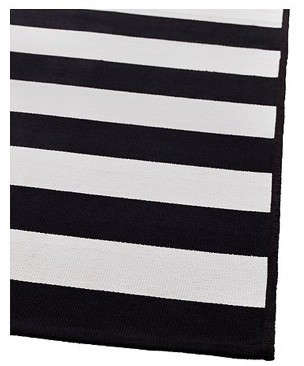
The known Sveje design is often described in connection with bold striped styling. Stripes are powerful in narrow spaces because they guide the eye and add movement. A plain hallway can suddenly feel intentional, as if it has been promoted from “place where shoes collect” to “architectural passageway.”
Why Flatwoven Runner Rugs Work So Well
Flatwoven runner rugs are popular for one big reason: they solve real household problems without acting precious about it. A thick rug can be cozy, but in a hallway or kitchen it may catch under doors, trap crumbs, or become a speed bump for half-awake humans carrying coffee. A flatwoven runner stays low, flexible, and practical.
Low Profile, High Function
The Sveje Runner’s flatwoven construction makes it a strong choice for high-traffic areas. Because it is thin, it can fit beneath many doors more easily than a plush rug. That is especially useful in apartments, older homes, and entryways where every fraction of an inch matters. Nobody wants a rug that starts a wrestling match with the front door every morning.
Reversible Design
A reversible flatwoven rug is ideal for people who like their decor to be both stylish and forgiving. Footprints, fading, small stains, and general wear can often be managed by rotating or flipping the rug. This does not make it magical, of course. It cannot remove spilled tomato sauce from your life choices. But it does extend the practical life of the piece.
Easy Visual Impact
Because runners are long and narrow, they naturally draw attention. The Sveje Runner, flatwoven, uses this shape to its advantage. In a hallway, it creates direction. In a kitchen, it softens hard flooring. In a bedroom, it adds warmth beside the bed. In an entryway, it gives guests the immediate impression that someone here owns a vacuum and possibly reads design blogs.
Best Places to Use the Sveje Runner
A flatwoven cotton runner is one of the most flexible decorating tools in the home. It is not limited to grand hallways or magazine-perfect kitchens. In fact, the Sveje Runner may work best in the ordinary zones that need a little texture, comfort, and visual order.
Hallway
The hallway is the classic home for a runner rug. A narrow rug protects flooring from daily wear while giving the space a designed look. If your hallway currently feels like a bowling lane with family photos, a striped flatwoven runner can break up the length and add rhythm.
Entryway
In an entryway, the Sveje Runner can help define the landing zone where shoes, bags, umbrellas, and emotional baggage from errands tend to gather. Because cotton can absorb moisture, it is best used with a proper doormat outside or in front of it. Let the doormat handle mud duty; let the Sveje handle style duty.
Kitchen
A flatwoven runner works beautifully in a galley kitchen or along a cabinet run. It adds comfort underfoot while cooking, washing dishes, or standing in front of the refrigerator pretending you are “just checking what’s there.” Since kitchens are spill-prone zones, cotton runners should be cleaned quickly and used thoughtfully. A rug pad can help keep the runner from sliding while you perform advanced culinary maneuvers, such as dropping a spoon and blaming the dog.
Bedroom
Beside the bed, a flatwoven runner adds softness without taking over the room. It is especially useful in small bedrooms where a full-size area rug would overwhelm the layout. Place it along one or both sides of the bed to create a warm landing for your feet in the morning.
Laundry Room or Mudroom
Flatwoven runners also make sense in utility spaces. A laundry room can feel cold and unfinished, but a runner adds pattern and comfort. Just avoid damp placement. Cotton rugs should be allowed to dry fully and should not sit in wet areas for long periods.
How to Style a Sveje Runner, Flatwoven
The secret to styling a flatwoven runner is balance. The rug should feel like it belongs to the room, not like it wandered in from a different apartment and is waiting for directions.
Pair It With Simple Furniture
If the Sveje Runner has a graphic stripe pattern, pair it with clean-lined furniture. Scandinavian, modern farmhouse, coastal, minimalist, and casual contemporary interiors all work well with flatwoven cotton runners. A simple console table, natural wood bench, black hooks, white walls, or woven baskets can make the rug feel integrated.
Use Contrast Carefully
A striped flatwoven runner can bring energy to neutral spaces. Against hardwood, tile, painted floors, or simple carpet, it adds definition. The key is not to overload the room with too many competing patterns. If the rug is bold, let nearby textiles breathe. Your hallway does not need to look like it lost a fight with a fabric sample book.
Add Texture Around It
Cotton flatweave looks best when layered visually with other natural textures. Think wood, rattan, linen, ceramic, matte metal, and woven storage. These materials support the rug’s casual character and prevent the space from feeling flat.
Sizing and Placement Tips
Runner rug placement can make or break the look. A rug that is too wide may crowd the hallway. A rug that is too short may look like it is nervously waiting to be replaced. The Sveje Runner has been referenced as a compact runner size, making it better for smaller zones than long corridors.
For hallways, leave visible flooring on both sides of the rug. This creates a clean border and keeps the runner from looking wall-to-wall. In many homes, a few inches of exposed floor on each side is enough to create balance. At the ends, leave some floor visible as well so the rug looks intentionally placed rather than accidentally dropped.
Always check door clearance before placing a runner near an entry. Add the height of a rug pad into your calculation. A flatwoven rug is thin, but the wrong pad can raise it enough to cause scraping, bunching, or dramatic door-rug conflict.
Do You Need a Rug Pad?
Yes, in most cases, a rug pad is a smart idea. Flatwoven runners can slide on hard floors, especially in busy areas. A thin nonslip rug pad helps stabilize the rug, protects the floor, and makes the runner feel more substantial underfoot.
Choose a pad made for your floor type. Hardwood, tile, laminate, vinyl, and heated floors may require different pad materials. For a thin cotton flatweave like the Sveje Runner, avoid overly thick pads that create raised edges. The goal is grip and subtle cushioning, not turning the rug into a platform shoe.
Trim the pad slightly smaller than the rug so it does not peek out. A visible rug pad is like wearing socks with sandals at a formal event: technically possible, rarely elegant.
Cleaning and Care for a Cotton Flatwoven Runner
Cotton flatwoven rugs are generally easier to maintain than thick pile rugs, but they still need regular care. Vacuum the rug frequently using a gentle setting, especially in high-traffic areas. Because flatweaves do not hide debris as deeply as shag rugs, dirt is often easier to remove before it grinds into the fibers.
Shake the rug outside when possible. This is one of the simplest ways to release dust and crumbs. For small spills, blot immediately with a clean, dry cloth. Do not rub aggressively, because rubbing can spread the stain and rough up the fibers. Use mild soap and water only after testing a small hidden area for colorfastness.
Let the rug dry completely after spot cleaning. Moisture trapped in cotton can lead to odor, mildew, or texture changes. If the care label allows washing, follow the label carefully. If the label is missing, as often happens with vintage or resale rugs, be conservative. Hand cleaning and professional advice are safer than tossing a beloved discontinued rug into the washer and hoping for the best.
Pros and Cons of the Sveje Runner
Pros
The Sveje Runner is lightweight, reversible, low-profile, and easy to move. Its cotton construction gives it a soft, casual feel, while the flatwoven surface makes it practical for narrow spaces. The design is simple enough to blend with many interiors but graphic enough to add personality. It is also a budget-friendly piece in its original context, which is part of its charm.
Cons
Cotton is not as naturally stain-resistant as some synthetic materials, and a flatwoven rug does not provide the plush comfort of wool pile or shag. It may slide without a rug pad, and because the Sveje Runner appears to be a retired or vintage IKEA item, availability can be inconsistent. Resale prices may vary widely depending on condition, rarity, color, and seller enthusiasm. Some sellers price discontinued IKEA like it was discovered in a royal attic. Proceed with eyes open.
Buying a Sveje Runner Today
Because the Sveje Runner is not commonly found as a current mainstream IKEA product in the United States, shoppers are more likely to encounter it through vintage listings, resale marketplaces, design archives, or secondhand home goods sellers. When buying one, look carefully at the photos and description.
Check for stains, edge wear, fading, odor, shrinking, and uneven shape. Ask for exact measurements, not just the product name. Cotton rugs can change slightly after washing or years of use. If the rug is advertised as reversible, ask to see both sides. A beautiful front and a mystery back is not a design strategy; it is a gamble.
Also consider whether you want the original Sveje Runner specifically or simply the same look. If the goal is a striped flatwoven cotton runner, many modern alternatives exist. If the goal is the collectible IKEA design, then authenticity, condition, and accurate naming matter more.
How the Sveje Runner Compares With Other Runner Rugs
Compared with wool runners, the Sveje Runner is lighter and more casual. Wool is durable, naturally resilient, and often longer-lasting, but it can be more expensive and may require more careful cleaning. Compared with jute runners, cotton feels softer and usually less scratchy under bare feet. Jute brings earthy texture but can be rough and less forgiving with moisture.
Compared with synthetic washable runners, a cotton flatwoven rug feels more traditional and breathable. Synthetic options may offer stain resistance and machine-washable convenience, but they do not always have the same natural texture. The best choice depends on your household. If you have children, pets, and a talent for spilling beverages in slow motion, a highly washable modern runner may be easier. If you want simple Scandinavian charm with vintage character, Sveje is more interesting.
Design Examples for Real Homes
Small Apartment Entry
Place the Sveje Runner just inside the door, with a sturdy doormat outside. Add wall hooks, a slim shoe rack, and a small mirror. The runner creates a landing zone without crowding the space.
White Kitchen With Wood Cabinets
A striped flatwoven runner can connect white walls, wood tones, and black hardware. It adds graphic structure without making the kitchen feel busy. Bonus: it gives your feet a softer place to stand while you debate whether reheating leftovers counts as cooking.
Neutral Bedroom
Use the runner beside a platform bed with linen bedding, a wood nightstand, and a ceramic lamp. The flatweave adds pattern while keeping the room calm.
Family Hallway
In a hallway with heavy traffic, use a nonslip pad and rotate the rug regularly. Pair it with framed photos or simple wall art to create a finished, welcoming path through the home.
Experiences With the Sveje Runner, Flatwoven
Living with a flatwoven runner like the Sveje is a little different from living with a plush rug. A plush rug wants to be admired, stepped on gently, and perhaps complimented in a soft voice. A flatwoven cotton runner is more like the practical friend who shows up with coffee, tape, and a plan. It is not fussy. It does its job quietly, and that is exactly why people keep using this style of rug in everyday spaces.
In an entryway, the first experience is usually visual. The space instantly looks more intentional. Even a small rental entry with plain walls and basic flooring can feel designed once a runner is centered properly. The stripe or woven pattern helps guide the eye inward, creating the feeling of arrival. Guests may not say, “What a fine flatwoven textile you have selected,” because most guests are normal. But they will feel the difference.
In a kitchen, the experience becomes more physical. Standing on a hard floor while cooking can make the room feel cold and utilitarian. A cotton flatwoven runner adds just enough softness to make the space more comfortable without becoming a crumb trap. It is especially helpful in a galley kitchen, where a long narrow rug can visually connect the sink, stove, and prep area. The runner becomes part of the cooking rhythm: step, stir, chop, spill, sigh, blot, continue.
For pet owners, a flatwoven runner has mixed but manageable realities. Dogs often appreciate the traction, especially on slick wood or tile floors. Cats may view the rug as a personal runway, scratching lounge, or dramatic nap platform. Because the Sveje Runner is relatively thin and reversible, it can be shaken out and repositioned easily. However, a rug pad is essential if pets like to sprint. Without one, a runner can become a magic carpet, minus the magic and plus a startled terrier.
Families with children may also appreciate the low-maintenance nature of a flatweave. It is not indestructible, but it is approachable. A small spill does not feel like a national emergency. The rug can be lifted, aired, spot cleaned, and flipped. That kind of flexibility matters in homes where the floor is not just a design surface but a racetrack, art studio, snack zone, and occasional pillow fort foundation.
The most satisfying experience may be how easily the Sveje Runner changes a room without requiring a full redesign. You do not need new furniture, new paint, or a weekend involving twelve trips to the hardware store. Place the runner, adjust the spacing, add a pad, and suddenly the room has structure. It is the home decor version of putting on a good belt: simple, useful, and surprisingly powerful.
Over time, the runner develops character. Cotton softens. Edges relax. The surface records daily life in subtle ways. That is part of the charm of flatwoven rugs. They are not museum pieces. They belong in motion, under shoes, beside beds, near doors, and in the middle of real routines. The Sveje Runner, flatwoven, works because it understands the assignment: make the floor look better, make the space feel warmer, and do not demand celebrity treatment while doing it.
Final Thoughts
The Sveje Runner, flatwoven is a small but memorable example of practical design. It combines cotton comfort, reversible usefulness, and graphic style in a format that fits real homes. Whether used in a hallway, kitchen, entryway, bedroom, or laundry space, it brings order and texture without overwhelming the room.
Its biggest strengths are simplicity and flexibility. It is easy to style, easy to move, and easy to appreciate. While shoppers may need to search resale sources to find an original Sveje Runner today, the design remains relevant because flatwoven runners continue to be one of the smartest ways to refresh narrow spaces.
Note: Availability, pricing, measurements, and color options for retired or vintage IKEA rugs can vary by seller and condition. Always confirm details before purchasing.