The Hario Japanese Clay Donabe Stovetop Hot Pot is the kind of kitchen tool that quietly enters your home and then starts acting like it pays rent. One night it is bubbling with miso broth and cabbage. The next, it is gently cooking rice. By Sunday, it has become the centerpiece of a cozy table meal where everyone pretends they are “just having a small bowl” before going back for a suspiciously large second serving.
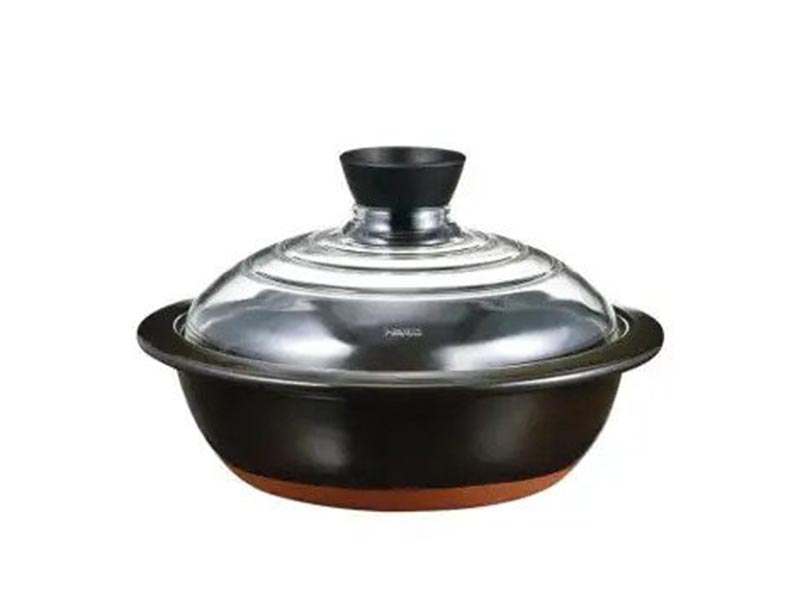
A donabe is a traditional Japanese clay pot used for hot pot, soups, stews, rice, and slow, comforting meals. Hario’s version brings that old-school charm into a modern kitchen with Japanese-made Banko ware, a heatproof ceramic body, and Hario’s signature heatproof glass lid. The glass lid is more than a pretty face. It lets you peek at the simmering action without lifting the lid every thirty seconds like an impatient soup detective.
For home cooks in the United States who want a stovetop hot pot that looks beautiful enough to serve at the table, the Hario donabe is a strong candidate. It is practical, elegant, and versatile. It also makes dinner feel less like “I assembled calories” and more like “I hosted a tiny Japanese inn in my dining room.”
What Is the Hario Japanese Clay Donabe Stovetop Hot Pot?
The Hario Japanese Clay Donabe Stovetop Hot Pot is a ceramic cooking pot designed for direct stovetop cooking and table serving. Hario sells it as the Donabe Ceramic Cooking Pot, available in small and large sizes. The small model has a full capacity of about 2,000 milliliters, while the large model holds about 3,000 milliliters. The small size works well for one to three people, depending on appetite and whether anyone at the table believes noodles are a side dish. The large size is better for families, dinner guests, or anyone who wants leftovers without needing a second pot.
The pot is made in Japan from heatproof ceramic, and Hario’s U.S. product information describes it as Japanese-made Banko ware. Banko ware, or Banko-yaki, is known for its heat resistance and suitability for cooking over heat. That matters because donabe cooking is not just about holding soup. It is about how the pot absorbs, distributes, and retains heat in a calm, steady way.
The included lid is made from heatproof glass, allowing cooks to monitor what is happening inside. This is especially useful for hot pot, where ingredients cook in stages. Leafy vegetables soften quickly, mushrooms release their earthy flavor, tofu needs gentle handling, and thinly sliced meat cooks almost instantly. With a clear lid, you can watch the transformation without disturbing the cooking environment.
Why Donabe Cooking Feels Different
A metal saucepan gets the job done. A donabe makes the job feel special. The difference comes from the clay body and the way it handles heat. A Japanese clay pot warms gradually, holds heat well, and continues cooking gently even after the burner is turned down or switched off. This creates a softer cooking rhythm that suits broths, rice, simmered vegetables, and one-pot meals.
With a Hario Japanese clay donabe, the meal often moves from stovetop to table without changing containers. That is not just convenient; it changes the mood. Instead of serving food from a hidden pot in the kitchen, the donabe becomes the visual center of dinner. Steam rises, the lid comes off, and suddenly everyone is paying attention. It is dinner theater, but with cabbage.
Key Features of the Hario Donabe
Japanese-Made Banko Ware
The ceramic body is designed for stovetop cooking and heat retention. Banko ware has a long reputation in Japanese cookware, especially for donabe and heat-friendly ceramic pots. The Hario donabe’s ceramic build helps create even, gentle heat that works beautifully for soups, rice, hot pot, and stews.
Heatproof Glass Lid
Hario is famous for heatproof glass, and the glass lid is one of the most useful features of this stovetop hot pot. Traditional clay lids are charming, but a glass lid helps beginners. You can see when broth begins to simmer, when greens collapse into silky tenderness, and when rice is bubbling too enthusiastically. It removes guesswork without removing the cozy donabe experience.
Two Useful Sizes
The small Hario donabe has a full capacity of about 2 liters, and the large version has a full capacity of about 3 liters. For solo meals, couples, or small kitchens, the 2-liter size is easy to manage. For hot pot nights, family cooking, or meal prep, the 3-liter option gives more room for broth, vegetables, noodles, seafood, and meat.
Elegant Table Presence
The design is simple and modern enough for American kitchens but still rooted in Japanese cookware tradition. It can sit on the table without looking like emergency cookware from the back of the cabinet. In fact, it looks so good that you may start pretending every meal was intentionally rustic and artisanal.
Best Uses for a Hario Japanese Clay Donabe
Japanese Hot Pot
The obvious use is hot pot, also called nabe or nabemono. Add dashi, kombu broth, miso broth, soy milk broth, chicken stock, or a simple mushroom broth. Then layer in napa cabbage, mushrooms, tofu, carrots, scallions, udon noodles, seafood, chicken, pork, or beef. The donabe keeps everything warm at the table and encourages slow, shared eating.
Rice and Mixed Rice
A donabe can make excellent rice because it provides steady heat and holds steam well. Short-grain Japanese rice, mushroom rice, ginger rice, chicken rice, and takikomi gohan all work beautifully in this style of pot. The trick is patience. Rinse the rice, soak it, cook it gently, and let it rest after cooking. The resting step is where the magic finishes its paperwork.
Soups and Stews
The Hario donabe is also useful for stews and soups beyond Japanese recipes. Try chicken and mushroom soup, vegetable stew, seafood chowder, Korean-inspired kimchi stew, or a simple bean-and-greens soup. The pot’s heat retention keeps the food warm longer, which is ideal for relaxed meals.
Vegetables and Tofu
Vegetables love donabe cooking because the heat is gentle and the moisture stays inside. Cabbage becomes sweet, mushrooms deepen in flavor, carrots soften without losing all personality, and tofu warms through without being bullied by a rolling boil. A donabe is basically a spa day for vegetables.
How to Use a Hario Donabe on the Stovetop
Before first use, read the official product instructions for your exact model. Clay cookware rewards careful handling, and each maker may have specific guidance. In general, donabe cooking works best with gradual heating. Start with low or medium heat rather than blasting the pot like you are launching a rocket.
For hot pot, begin by adding broth to the donabe. Warm it slowly, then add harder ingredients first, such as carrots, daikon, thick mushrooms, or cabbage stems. Add softer ingredients later, including leafy greens, tofu, thin meat slices, seafood, and noodles. Keep the simmer gentle. A donabe does not need aggressive boiling to perform well.
For rice, rinse and soak the grains first. Add the measured water, place the donabe on the stove, and cook at moderate heat until steam and bubbling indicate the rice is nearly done. Then turn off the heat and let the rice rest with the lid on. This resting period allows moisture to redistribute, giving you fluffy grains instead of a pot of rice with trust issues.
Care and Cleaning Tips
Clay cookware is sturdy when treated correctly, but it dislikes sudden temperature changes. Avoid putting a hot donabe into cold water. Do not heat it while the outer bottom is wet. Let it cool naturally before cleaning. Use a soft sponge rather than metal scrubbers, and avoid long soaking because ceramic cookware can absorb moisture and odors.
If food sticks, add warm water and let it loosen before gently cleaning. For stubborn residue, simmering water in the pot can help soften the stuck bits. Never attack the inside like you are scraping barnacles off a ship. Gentle cleaning protects the surface and helps the pot age gracefully.
The Hario product information notes that the ceramic pot body can be used in the oven, but the glass lid and plastic parts should not be placed in the oven or microwave. The glass lid and plastic parts are listed as dishwasher safe, but many careful users still prefer hand washing to keep the lid looking clear and new.
Seasoning: Do You Need to Prepare the Donabe?
Many traditional donabe pots benefit from seasoning, often called medome. This process usually involves cooking a thick rice porridge so starch can fill tiny pores in the clay. Seasoning can help strengthen the pot and reduce the chance of leaking or cracking. Because donabe materials and finishes vary, always check Hario’s instructions for your specific model before deciding whether and how to season it.
If seasoning is recommended, the process is not scary. It is basically making porridge you probably will not brag about on social media. Add cooked rice and water, simmer gently until thick, let the pot cool, discard or compost the porridge, rinse gently, and dry properly. Congratulations: you have bonded with your cookware in the most deliciously weird way possible.
What to Cook First
For a first meal, keep things simple. Try a chicken and mushroom hot pot with napa cabbage, shiitake mushrooms, tofu, scallions, and udon noodles. Use a broth made from dashi or chicken stock with a splash of soy sauce and mirin. Start with the vegetables and mushrooms, then add tofu and chicken. Finish with noodles once the broth has absorbed all the good flavors.
Another easy option is a vegetarian miso hot pot. Use kombu broth, white miso, mushrooms, cabbage, carrots, tofu, and spinach. Add sesame seeds or a tiny drizzle of sesame oil at the end. The result is warm, satisfying, and far more exciting than another sad desk salad.
Hario Donabe vs. Regular Pot
A regular stainless steel pot heats quickly and responds fast when you adjust the burner. That is useful for boiling pasta or making quick sauces. A donabe is different. It warms more slowly, holds heat longer, and creates a gentler cooking environment. This makes it excellent for dishes where flavor develops gradually.
The Hario donabe also wins on presentation. A stainless pot on the dinner table says, “The dishwasher was already full.” A donabe says, “Welcome, please enjoy this carefully simmered meal.” Same food? Maybe. Different mood? Absolutely.
Buying Considerations
Choose the size based on your household and cooking style. The 2-liter version is easier to store and ideal for smaller meals. The 3-liter version gives more flexibility for hot pot gatherings and larger recipes. Also consider your heat source. Stovetop-safe does not always mean every stovetop type works the same way, so check the manual for gas, electric, induction, oven, and microwave compatibility before use.
Storage matters too. A donabe should be fully dry before being put away. Store it in a ventilated spot, not sealed while damp. If possible, avoid stacking heavy pans inside it. This pot may be tough, but it is still ceramic, not a superhero in cookware cosplay.
Experience Notes: Living With a Hario Japanese Clay Donabe Stovetop Hot Pot
The first experience most people notice with a Hario Japanese Clay Donabe Stovetop Hot Pot is the slower pace. This is not a microwave dinner tool. It asks you to rinse rice properly, slice vegetables neatly, warm broth gradually, and pay attention. At first, that may feel like extra work. Then, somewhere between the first curl of steam and the moment mushrooms start floating like tiny flavor boats, the pace begins to feel like the whole point.
Using a donabe changes how you plan dinner. Instead of thinking in separate dishes, you start thinking in layers. What goes into the broth first? What needs only a minute? Which ingredient will flavor the liquid for the noodles at the end? A simple cabbage, tofu, mushroom, and chicken hot pot becomes interactive. The food is not just served; it unfolds. That makes the Hario donabe especially good for small gatherings, family meals, and cold evenings when everyone wants something warm but nobody wants a dramatic pile of dishes afterward.
One practical experience is that the glass lid builds confidence. Traditional donabe cooking can feel mysterious to beginners because so much happens under the lid. With Hario’s heatproof glass lid, you can see the broth simmer, the rice bubble, and the vegetables soften. This makes it easier to learn timing. It also reduces the temptation to constantly lift the lid, which releases steam and interrupts cooking.
Another important lesson is that clay cookware teaches patience. If you treat it like a stainless steel pot, you may get frustrated. The donabe does not want violent heat changes. It wants gradual warming and calm cooking. Dry the bottom before placing it on the stove. Let it cool before washing. Avoid long soaking. These habits quickly become automatic, like checking your pockets before laundry or pretending you only bought one kitchen gadget this month.
The best part is how the donabe performs at the table. Food stays warm longer, the pot looks beautiful, and the meal feels communal. A Hario donabe turns a simple broth into an event. You can start with vegetables and protein, then finish with noodles or rice to soak up the concentrated soup. By the end, the broth tastes deeper than it did at the beginning, which feels like a reward for everyone who waited patiently.
For everyday American kitchens, the Hario Japanese Clay Donabe Stovetop Hot Pot works because it is not limited to traditional Japanese dishes. Yes, it is wonderful for nabe, rice, and miso-based meals. But it also handles chicken soup, vegetable stew, seafood broth, and cozy one-pot dinners. It is useful, attractive, and surprisingly habit-forming. Once you get comfortable with it, your regular pot may start looking a little nervous.
Conclusion
The Hario Japanese Clay Donabe Stovetop Hot Pot is more than a pretty ceramic pot. It is a practical cooking vessel for hot pot, rice, soups, stews, vegetables, and table-centered meals. Its Japanese-made ceramic body provides steady heat, while the heatproof glass lid adds modern convenience. The result is cookware that respects tradition without making dinner complicated.
If you enjoy slow, comforting meals and want a pot that can move from stove to table with style, the Hario donabe deserves a serious look. Treat it gently, heat it gradually, dry it properly, and it can become one of those kitchen pieces you reach for again and again. In other words, it may start as cookware, but it has a real chance of becoming part of your dinner personality.