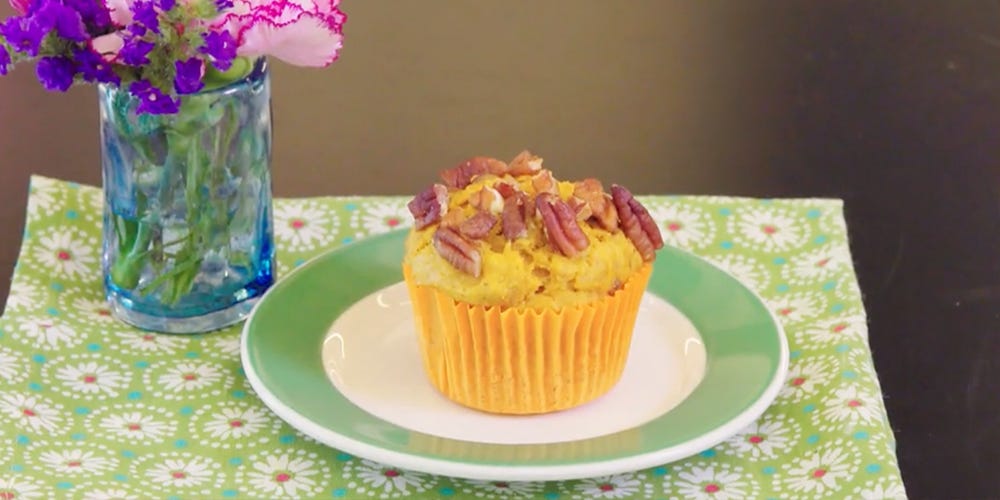
Some muffins are sensible breakfast food. Others put on a crumb topping, hide a cheesecake center, and arrive at the table acting suspiciously like dessert. These cream cheese pumpkin muffins from scratch proudly belong to the second group.
Each muffin has a moist, warmly spiced pumpkin crumb, a tangy cream cheese filling, and a buttery brown sugar streusel. The pumpkin keeps the texture tender, while the cheesecake-style center adds enough richness to make an ordinary Tuesday morning feel like a fall festivalminus the hayride traffic.
This recipe uses plain pumpkin purée, everyday baking ingredients, and a simple layering technique. No boxed cake mix, commercial muffin mix, or emergency trip to a coffee shop is required. The method combines widely used techniques for cream cheese-filled muffins: thick pumpkin batter, softened cream cheese, gentle mixing, layered assembly, and an initial burst of high oven heat for taller tops.
Why You Will Love These Pumpkin Cream Cheese Muffins
- Made completely from scratch: You control the sweetness, spices, and texture.
- Moist without being gummy: Pumpkin purée and oil keep the crumb soft for several days.
- Rich cream cheese center: The filling tastes like a little pocket of cheesecake.
- Bakery-style appearance: Tall tops and chunky streusel make the muffins look professionally made.
- Easy to customize: Add pecans, pepitas, chocolate chips, or extra spice.
- Freezer-friendly: Individual muffins can be frozen for future breakfasts and snacks.
Ingredients for Cream Cheese Pumpkin Muffins
This recipe makes 12 generously sized standard muffins.
For the Cream Cheese Filling
- 8 ounces full-fat block cream cheese, softened
- 1/4 cup granulated sugar
- 1 large egg yolk
- 1 teaspoon vanilla extract
- 1 teaspoon all-purpose flour
- Pinch of fine salt
For the Pumpkin Muffin Batter
- 1 3/4 cups all-purpose flour, preferably 210 grams
- 1 teaspoon baking soda
- 1/2 teaspoon baking powder
- 1 1/2 teaspoons ground cinnamon
- 1/2 teaspoon ground ginger
- 1/4 teaspoon ground nutmeg
- 1/8 teaspoon ground cloves
- 1/2 teaspoon fine salt
- 1 cup plain pumpkin purée
- 1/2 cup packed light brown sugar
- 1/4 cup granulated sugar
- 1/2 cup neutral vegetable oil
- 2 large eggs, at room temperature
- 1 teaspoon vanilla extract
For the Brown Sugar Streusel
- 1/3 cup all-purpose flour
- 1/4 cup packed light brown sugar
- 1/2 teaspoon ground cinnamon
- Pinch of salt
- 3 tablespoons unsalted butter, melted and slightly cooled
Choosing the Right Pumpkin
Use 100% pure pumpkin purée, not canned pumpkin pie filling. Pumpkin pie filling already contains sweeteners and spices, so using it can make the muffins too sweet and interfere with the balance of the batter. Plain purée gives you complete control over the flavor.
Canned pumpkin is convenient because its consistency is usually thick and predictable. Homemade pumpkin purée also works, but watery purée can produce heavy or gummy muffins. Drain homemade purée in a fine-mesh strainer for at least 30 minutes, or until its consistency resembles canned pumpkin.
How to Make Cream Cheese Pumpkin Muffins From Scratch
Step 1: Prepare the Pan and Oven
Place an oven rack in the center position. Preheat the oven to 425°F. Line a standard 12-cup muffin pan with paper liners and lightly coat the liners with nonstick spray.
The light coating is optional, but it helps prevent pieces of tender muffin from sticking to the paper. This is especially useful while the muffins are still slightly warm and everyone in the kitchen has suddenly forgotten the meaning of patience.
Step 2: Make the Cream Cheese Filling
Place the softened cream cheese, granulated sugar, egg yolk, vanilla, flour, and salt in a medium bowl. Beat with a hand mixer on low speed until smooth, stopping once or twice to scrape the bowl.
Do not whip the mixture aggressively. Excess air can make the filling puff dramatically in the oven and then sink as it cools. The goal is a smooth, thick filling, not a cream cheese weather balloon. Softened block cream cheese produces a smoother and more stable center than cold cream cheese or whipped spread.
Transfer the filling to a piping bag or zip-top bag and snip off one corner. You can also use two teaspoons, but a bag makes it easier to place the filling neatly in the center. Piping the mixture into the batter is a common technique for creating a defined cream cheese pocket.
Step 3: Prepare the Streusel
In a small bowl, stir together the flour, brown sugar, cinnamon, and salt. Pour in the melted butter and mix with a fork until moist crumbs form.
Place the bowl in the refrigerator while preparing the batter. Chilling helps the crumbs remain distinct instead of melting into a sugary hat that slides off the muffin at the first opportunity.
Step 4: Combine the Dry Ingredients
In a medium bowl, whisk together the flour, baking soda, baking powder, cinnamon, ginger, nutmeg, cloves, and salt. Whisking distributes the leavening and spices evenly, reducing the chance of finding one mysterious bite that tastes exclusively of baking soda.
For the most consistent results, weigh the flour. If using measuring cups, spoon the flour lightly into the cup and level it with a straight edge. Scooping directly from the container can pack in too much flour and create dry, dense muffins. A digital scale is the most accurate option.
Step 5: Mix the Wet Ingredients
In a large bowl, whisk the pumpkin purée, brown sugar, granulated sugar, oil, eggs, and vanilla until smooth and evenly combined.
Oil is used instead of melted butter in the batter because it stays liquid at room temperature, helping the muffins remain soft after cooling. Butter still appears in the streusel, where its flavor and ability to form crisp crumbs are more useful.
Step 6: Finish the Pumpkin Batter
Add the dry ingredients to the pumpkin mixture. Fold gently with a flexible spatula until no dry streaks remain. The batter should be thick enough to hold the cream cheese filling in place.
Stop mixing as soon as the flour disappears. Vigorous stirring encourages gluten development, which can turn a tender muffin into something better suited for minor home repairs. Pumpkin muffin recipes from established baking sources similarly call for folding only until the dry ingredients are incorporated.
Step 7: Assemble the Muffins
- Divide approximately half of the pumpkin batter among the 12 muffin cups.
- Spread the batter gently so it covers the bottom of each liner.
- Pipe about 2 teaspoons of cream cheese filling into the center of each cup.
- Add the remaining pumpkin batter, keeping some of the cream cheese visible in the center if you want a bakery-style appearance.
- Pipe another small dollop of filling on top.
- Sprinkle each muffin generously with streusel, pressing the crumbs very lightly so they adhere.
The cups will look quite full. That is intentional. Thick batter and full cups help create rounded, substantial muffin tops. Layering the batter and filling also gives more predictable results than stirring cream cheese directly into the pumpkin mixture.
Step 8: Bake
Bake the muffins at 425°F for 5 minutes. Without opening the oven door, reduce the temperature to 350°F and continue baking for 16 to 20 minutes.
The high initial temperature gives the leavening a strong early boost, encouraging taller muffin tops. Reducing the temperature allows the centers to finish baking without over-browning the streusel. This two-temperature method is also used in bakery-style pumpkin cream cheese muffin preparation.
The muffins are done when the pumpkin portion springs back lightly when touched. A toothpick inserted through the pumpkin crumbnot directly through the cream cheese centershould come out without raw batter. A few moist crumbs are fine.
Step 9: Cool Properly
Let the muffins cool in the pan for 10 minutes. Transfer them to a wire rack and cool for at least 30 additional minutes before serving.
The cream cheese center continues setting as it cools. Cutting into a muffin immediately may produce a delicious but structurally confusing landslide. Waiting gives you cleaner layers and a better texture.
Tips for Perfect Pumpkin Cream Cheese Muffins
Bring the Cream Cheese to Room Temperature
Cold cream cheese tends to form lumps that are difficult to remove without excessive mixing. Let the unopened package sit at room temperature for 45 to 60 minutes. For faster softening, cut it into cubes and spread them on a plate.
Use Full-Fat Block Cream Cheese
Whipped cream cheese and tub-style spreads often contain more air or moisture. Full-fat block cream cheese creates a thicker filling that is less likely to disappear into the batter.
Keep the Batter Thick
Do not add milk merely because the batter appears thicker than cake batter. A sturdy muffin batter supports the filling and produces a defined cream cheese center. Thinner batter allows the filling to sink or spread unpredictably.
Check Your Leavening
Baking soda and baking powder lose strength over time. Fresh leavening is important for tall tops, especially because pumpkin and cream cheese add considerable weight and moisture.
Do Not Overbake
Pumpkin muffins can go from moist to dry faster than their deep orange color suggests. Begin checking near the lower end of the baking range. Bob’s Red Mill and other baking sources similarly recommend judging pumpkin muffins with a center tester rather than relying only on color.
Easy Flavor Variations
Pecan Pumpkin Cream Cheese Muffins
Add 1/3 cup finely chopped toasted pecans to the streusel. The nuts add crunch and a slightly buttery flavor that complements the brown sugar.
Pepita-Topped Muffins
Replace part of the streusel with roasted pumpkin seeds. Sprinkle about one teaspoon of pepitas over each muffin before baking.
Pumpkin Chocolate Chip Muffins
Fold 1/2 cup mini semisweet chocolate chips into the finished batter. Mini chips distribute more evenly and are less likely to overwhelm the cream cheese center.
Maple Cream Cheese Filling
Replace one tablespoon of the filling’s granulated sugar with one tablespoon of pure maple syrup. Add an extra teaspoon of flour to compensate for the additional liquid.
Extra-Spiced Pumpkin Muffins
Add a pinch of black pepper or cardamom. Black pepper may sound like it wandered into the wrong recipe, but a very small amount can sharpen the flavor of cinnamon, ginger, and cloves. Warm spice blends commonly include cinnamon, ginger, nutmeg, cloves, and allspice in varying proportions.
Common Problems and How to Fix Them
Why Did the Cream Cheese Filling Sink?
The batter may have been too thin, the filling may have been over-portioned, or the cream cheese mixture may have become runny. Use block cream cheese, include the egg yolk and flour, and place the filling between layers of thick batter.
Why Are the Muffins Dense?
The most common causes are too much flour, expired leavening, and overmixing. Weigh the flour when possible and fold the batter only until combined.
Why Is the Pumpkin Crumb Gummy?
Watery homemade pumpkin, underbaking, or an inaccurate oven temperature can create a gummy interior. Drain fresh purée thoroughly and check the oven with an inexpensive oven thermometer.
Why Did the Streusel Melt?
The butter may have been too hot, or the crumbs may not have been chilled. Let the melted butter cool slightly and refrigerate the finished streusel while mixing the batter.
Why Did the Muffins Stick to the Liners?
Very moist muffins often stick while warm. Lightly grease the liners and allow the muffins to cool before peeling away the paper.
How to Store and Freeze the Muffins
Because these muffins contain a substantial cream cheese filling, treat them as a perishable baked good. After cooling, place them in an airtight container and refrigerate. Perishable food should generally be refrigerated within two hours, or within one hour when exposed to temperatures above 90°F.
Refrigerated muffins are best within three to four days. Let one sit at room temperature for about 15 minutes before eating, or microwave it for approximately 10 seconds. The goal is gently softened, not molten cheesecake lava.
For longer storage, wrap each cooled muffin tightly and place it in a freezer-safe container. Freeze for up to two months for the best texture. Thaw overnight in the refrigerator or at room temperature for about an hour. The Kitchn also recommends individually wrapping cream cheese pumpkin muffins before freezing.
Practical Experience Notes: What Bakers Commonly Learn
The first practical lesson with this recipe is that appearance can be misleading. Before baking, the muffin cups look overfilled, the streusel appears excessive, and the cream cheese dollop seems far too proud of itself. That is usually exactly what you want. Once baked, the batter rises around the filling while the streusel spreads over the top, producing a balanced bakery-style muffin rather than a chaotic tower.
Another useful lesson is that small differences in pumpkin purée matter. One brand may be thick enough to stand on a spoon, while another is softer and glossier. Homemade purée can vary even more. When the pumpkin is unusually loose, the batter may spread rather than rise. Adding random extra flour is tempting, but it can make the crumb dry. Draining watery purée before mixing is a more dependable solution.
Assembly becomes much faster after the first few muffins. At the beginning, many bakers carefully measure every layer as though conducting a highly confidential laboratory experiment. By the sixth cup, the process becomes intuitive: pumpkin batter, cream cheese, more batter, another small cream cheese dollop, then streusel. A medium cookie scoop is helpful for portioning the batter evenly, while a piping bag keeps the cream cheese mixture away from the edges.
The cooling period is also more important than it seems. A muffin eaten five minutes after leaving the oven smells wonderful, but the interior may still be fragile. The cream cheese center is hot and loose, and the pumpkin crumb has not finished setting. After 30 to 45 minutes, the filling becomes creamy instead of runny, the paper releases more cleanly, and the spices become easier to taste.
Flavor changes slightly after refrigeration. Straight from the refrigerator, the cream cheese is firm and the spice aroma is muted. Allowing the muffin to warm briefly restores the soft texture and brings back the cinnamon, ginger, and vanilla. A few seconds in the microwave works well, but overheating can cause the filling to separate or burst through the top like a tiny dairy volcano.
These muffins also teach a useful lesson about sweetness. The cream cheese filling, streusel, and pumpkin batter each contain sugar, but no single layer needs to be extremely sweet. Keeping the filling tangy and the batter moderately sweet creates contrast. The result tastes rich without becoming frosting-heavy, which is why the muffins work for brunch as well as dessert.
For gifting, complete cooling is essential. Packing warm muffins traps steam, softening the streusel and making the liners damp. Cool them fully, refrigerate until the filling is firm, and arrange them in a shallow container. Tulip-style liners give them a polished coffee-shop look, but ordinary paper liners work just as well and leave more room in the budget for cream cheesewhich is where the important decisions happen.
Final Thoughts
This cream cheese pumpkin muffin recipe delivers everything a fall bake should: warm spices, moist pumpkin crumb, buttery streusel, and a creamy surprise in the center. Although the finished muffins look impressive, the method relies on simple techniquesaccurate flour measurement, gentle mixing, thick batter, softened cream cheese, and careful layering.
Serve the muffins for breakfast, add them to a holiday brunch, or keep a batch in the freezer for days when plain toast feels emotionally inadequate. Once you master the basic version, experiment with pecans, pepitas, chocolate chips, maple, or your favorite pumpkin spice blend.
Note: This is an original recipe and article synthesized from established baking principles and recipe guidance published by King Arthur Baking, Sally’s Baking Addiction, Food Network, The Kitchn, Allrecipes, Delish, Martha Stewart, Better Homes & Gardens, Bob’s Red Mill, Land O’Lakes, Pillsbury, FoodSafety.gov, and the USDA Food Safety and Inspection Service.