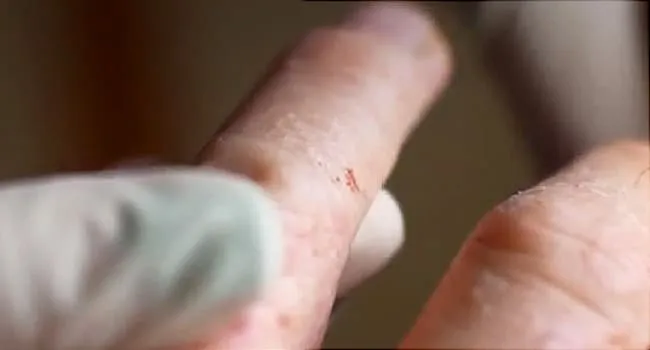
Psoriasis scales can be stubborn little overachievers. One day your skin feels calm, and the next day a patch on your elbow, knee, scalp, or lower back decides to build a tiny snow-covered mountain range. If you have plaque psoriasis, those silvery-white flakes are not “just dry skin.” They are part of an inflammatory skin condition that speeds up skin cell turnover, causing cells to pile up before they can shed normally.
The good news: you can soften and remove psoriasis scales safely. The not-so-good news: trying to scrape, pick, or force them off is a shortcut to irritation, bleeding, infection risk, and possibly a bigger flare. The goal is not to “attack” the scales like you are power-washing a driveway. The goal is to loosen them gently, hydrate the skin barrier, use the right ingredients, and help your prescribed treatments reach the plaques more effectively.
This guide explains how to remove psoriasis scales at home with safer, dermatologist-informed methods, including soaking, moisturizing, using scale-softening ingredients, treating scalp plaques, and knowing when it is time to call a professional.
What Are Psoriasis Scales?
Psoriasis scales are thick layers of dead skin cells that collect on top of inflamed plaques. In healthy skin, cells rise to the surface and shed over several weeks. In psoriasis, that process can speed up dramatically. The result is a raised, rough, flaky patch that may itch, crack, burn, or feel tight.
Scales are most common in plaque psoriasis, the most common type of psoriasis. They often appear on the elbows, knees, scalp, trunk, hands, feet, and areas where skin is exposed to friction. Depending on your skin tone, the plaques underneath may look pink, red, purple, brown, or grayish. The scale itself often appears white, silver, or ashy.
Why Safe Scale Removal Matters
Removing psoriasis scales can make skin feel smoother and may help topical medicines absorb better. However, rough removal can backfire. Picking or scratching can create small injuries in the skin. For some people with psoriasis, skin injury may trigger new plaques in that area, a reaction known as the Koebner phenomenon. Translation: the skin hears “tiny scratch” and responds with “excellent, let’s throw a psoriasis party here.”
Safe scale removal focuses on softening first and lifting second. When scales are softened with water, moisturizer, or keratolytic ingredients, they often come away more easily without damaging the skin underneath.
How to Remove Psoriasis Scales Safely
1. Start With a Warm Soak
A warm bath or shower can help loosen thick scales before you apply treatment. Keep the water warm, not hot. Hot water may feel satisfying for about twelve seconds, but it can strip natural oils and make itching worse later.
Soak for about 10 to 15 minutes. Afterward, pat the skin dry with a soft towel. Do not rub aggressively. Your towel is not sandpaper, and your skin should not be treated like an old deck that needs refinishing.
For small plaques, you can also use a warm, damp compress. Place it over the plaque for several minutes, then gently wipe away only the loose flakes. If the scale does not move easily, leave it alone and try again later.
2. Apply a Thick Moisturizer Immediately
Moisturizer is one of the simplest tools for psoriasis scale management. It helps soften plaques, reduce tightness, support the skin barrier, and calm the dry, itchy feeling that makes scratching tempting.
The best time to moisturize is right after bathing, while the skin is still slightly damp. Choose fragrance-free creams or ointments rather than light lotions if your plaques are very dry. Ingredients such as petrolatum, glycerin, ceramides, dimethicone, shea butter, and mineral oil may help lock in moisture.
For thick plaques on elbows, knees, hands, or feet, apply a heavy moisturizer and cover the area with breathable cotton clothing for a short period. This can help the moisturizer stay in place and soften scales. Avoid tight wrapping unless your dermatologist recommends it, especially if you are using prescription steroids.
3. Use Salicylic Acid Carefully
Salicylic acid is a keratolytic, meaning it helps break down the bonds between dead skin cells. In plain English, it helps loosen the “glue” holding scales together. It is found in some over-the-counter psoriasis creams, ointments, lotions, shampoos, and scalp treatments.
Salicylic acid can be especially useful for thick, stubborn scales, but more is not always better. Too much can cause dryness, stinging, irritation, or peeling. Avoid using it over large areas unless a healthcare professional tells you to. Also avoid applying it to cracked, bleeding, infected, or very sensitive skin.
If you are new to salicylic acid, start with a small area and follow the product label. If your skin burns, becomes very red, or feels raw, stop using it and ask a dermatologist for guidance.
4. Consider Lactic Acid or Urea for Thick, Dry Plaques
Lactic acid and urea are often used in moisturizers for rough, dry, scaly skin. They can hydrate while helping soften thick buildup. These ingredients may be helpful for plaques on the feet, elbows, knees, or hands, where skin is naturally tougher.
Like salicylic acid, these ingredients may sting if skin is cracked. Apply gently, and do not combine multiple exfoliating products at once unless your dermatologist approves. Your skin barrier is not a chemistry experiment, even if your bathroom shelf looks like a tiny pharmacy.
5. Try Coal Tar Products When Appropriate
Coal tar has been used for psoriasis for a long time and is found in some creams, ointments, bath products, and shampoos. It may help slow excessive skin cell growth, reduce scaling, and calm itching for some people.
Coal tar can have a strong smell and may stain clothing, towels, or light-colored hair. It can also make skin more sensitive to sunlight. Use it according to the label, and avoid combining it with UV therapy unless your dermatologist says it is safe.
6. Remove Scalp Psoriasis Scales With Extra Patience
Scalp psoriasis can feel especially frustrating because scales get trapped in hair. The safest approach is to soften, loosen, wash, and repeat. Do not scrape your scalp with fingernails or sharp combs. That can irritate the skin and may worsen plaques.
Look for medicated shampoos containing salicylic acid, coal tar, or other psoriasis-focused ingredients. Massage the shampoo into the scalp, not just the hair. Let it sit for the amount of time listed on the label, then rinse thoroughly. A soft brush or fine-tooth comb may help remove loosened flakes after treatment, but it should never hurt.
If scales are very thick, your dermatologist may recommend a prescription scalp solution, foam, oil, or steroid treatment. Scalp psoriasis often responds best when scale removers and anti-inflammatory medicines work together.
7. Use Prescription Treatments as Directed
Scale removal is helpful, but it does not treat the deeper immune activity behind psoriasis. That is where prescription treatments may matter. Dermatologists may recommend topical corticosteroids, vitamin D analogs, retinoids, calcineurin inhibitors for sensitive areas, phototherapy, oral medicines, or biologic therapies depending on severity and location.
If your plaques keep returning quickly, cover large areas, crack or bleed, affect your sleep, or make daily life uncomfortable, it may be time for a treatment upgrade. Psoriasis is manageable, but it often needs a plannot just heroic amounts of lotion and hope.
What Not to Do When Removing Psoriasis Scales
Do Not Pick or Peel
Picking may seem satisfying in the moment, but it can cause bleeding, soreness, and more inflammation. If a scale is still attached, it is not ready to leave. Think of it like a bad houseguest: annoying, yes, but forcing it out through the window creates a bigger problem.
Do Not Use Harsh Scrubs
Grainy scrubs, rough loofahs, pumice stones, and stiff brushes can injure plaques. They may also increase redness and itching. Gentle cleansing is better than aggressive exfoliation.
Do Not Overuse Exfoliating Acids
Using salicylic acid, lactic acid, glycolic acid, and strong retinoids all at once can irritate the skin. Keep your routine simple. Add one active ingredient at a time and watch how your skin responds.
Do Not Ignore Signs of Infection
Call a healthcare professional if you notice increasing pain, warmth, swelling, pus, fever, red streaking, or skin that looks infected. Psoriasis plaques can crack, and open skin needs careful attention.
A Simple At-Home Routine for Psoriasis Scale Removal
Here is a gentle routine many people can adapt, depending on their skin and treatment plan:
- Soak the area in warm water for 10 to 15 minutes.
- Pat dry with a soft towel.
- Apply a fragrance-free moisturizer or ointment.
- Use a scale-softening product, such as salicylic acid, only as directed.
- Apply prescribed psoriasis medicine if your dermatologist has given one.
- Cover with soft cotton clothing if helpful and comfortable.
- Repeat consistently instead of trying to remove everything in one session.
For scalp plaques, replace the soak with a medicated shampoo or scalp oil treatment. Give products enough contact time to work, and rinse well to avoid residue.
When to See a Dermatologist
You should consider seeing a dermatologist if your psoriasis scales are thick, painful, widespread, bleeding, or not improving with over-the-counter care. You should also get medical advice if psoriasis affects your face, genitals, nails, palms, soles, or scalp in a severe way.
Joint pain, morning stiffness, swollen fingers or toes, or heel pain can be signs of psoriatic arthritis. That deserves medical attention because early treatment may help protect joints.
Real-Life Experience Notes: What Removing Psoriasis Scales Actually Feels Like
People who live with psoriasis often learn that scale removal is less about one magic product and more about timing, patience, and consistency. A common experience is that plaques feel hardest to manage when skin gets too dry. For example, someone may skip moisturizer for a few days, then notice the scales becoming thicker, tighter, and itchier. Once the skin reaches that “crispy toast” stage, removing flakes safely takes longer.
Many people find that the best results come after a shower, when the plaques have softened. Instead of rubbing with a towel, they gently pat the area, apply a thick moisturizer, and let the scale loosen over several hours. The flakes that come off easily are removed; the stubborn ones are left for another day. This slow approach can feel boring, but boring is often exactly what irritated skin needs.
Scalp psoriasis brings its own comedy of inconveniences. Medicated shampoo may need to sit on the scalp for several minutes, which sounds simple until you are standing in the shower wondering whether three minutes has lasted three years. Some people make it easier by applying shampoo first, washing the rest of the body while it works, then rinsing at the end. Others use a scalp treatment before showering, especially when plaques are thick around the hairline, behind the ears, or at the back of the neck.
Another real-world lesson: clothing matters. Rough fabrics can rub plaques and make scales more noticeable. Soft cotton sleeves, loose pajamas, and breathable socks may help reduce friction on elbows, knees, and feet. People with plaques on the hands may find that moisturizing before bed and wearing soft cotton gloves helps prevent overnight cracking. It is not glamorous, but neither is waking up with skin that feels like it argued with a cheese grater.
Weather can also change the routine. In winter, indoor heat and cold air may dry the skin quickly, so thicker ointments may work better than lightweight lotions. In summer, sweat can sting plaques, especially in skin folds, so gentle rinsing and fragrance-free moisturizer may help. The routine that works in January may feel too heavy in July.
Perhaps the biggest experience-based tip is this: do not wait until scales are severe. A small daily routine is easier than a rescue mission. Moisturizing regularly, using medicated products as directed, and checking in with a dermatologist when plaques change can keep scale buildup from taking over. Psoriasis may be persistent, but your care routine can be persistent tooand much less dramatic.
Conclusion
Removing psoriasis scales safely starts with respect for the skin barrier. Soften plaques with warm water, moisturize generously, use scale-removing ingredients carefully, and avoid picking or harsh scrubbing. Salicylic acid, lactic acid, urea, coal tar, medicated shampoos, and prescription treatments can all play a role, but the best routine depends on where the plaques are, how thick the scales are, and how sensitive your skin feels.
The key is gentle consistency. Psoriasis scales usually do not disappear in one heroic bathroom session, and trying to force them off can make things worse. Treat the scales like a stubborn knot: loosen first, then work slowly. With the right approach and medical guidance when needed, your skin can feel smoother, calmer, and much less like it is auditioning for a snow globe.