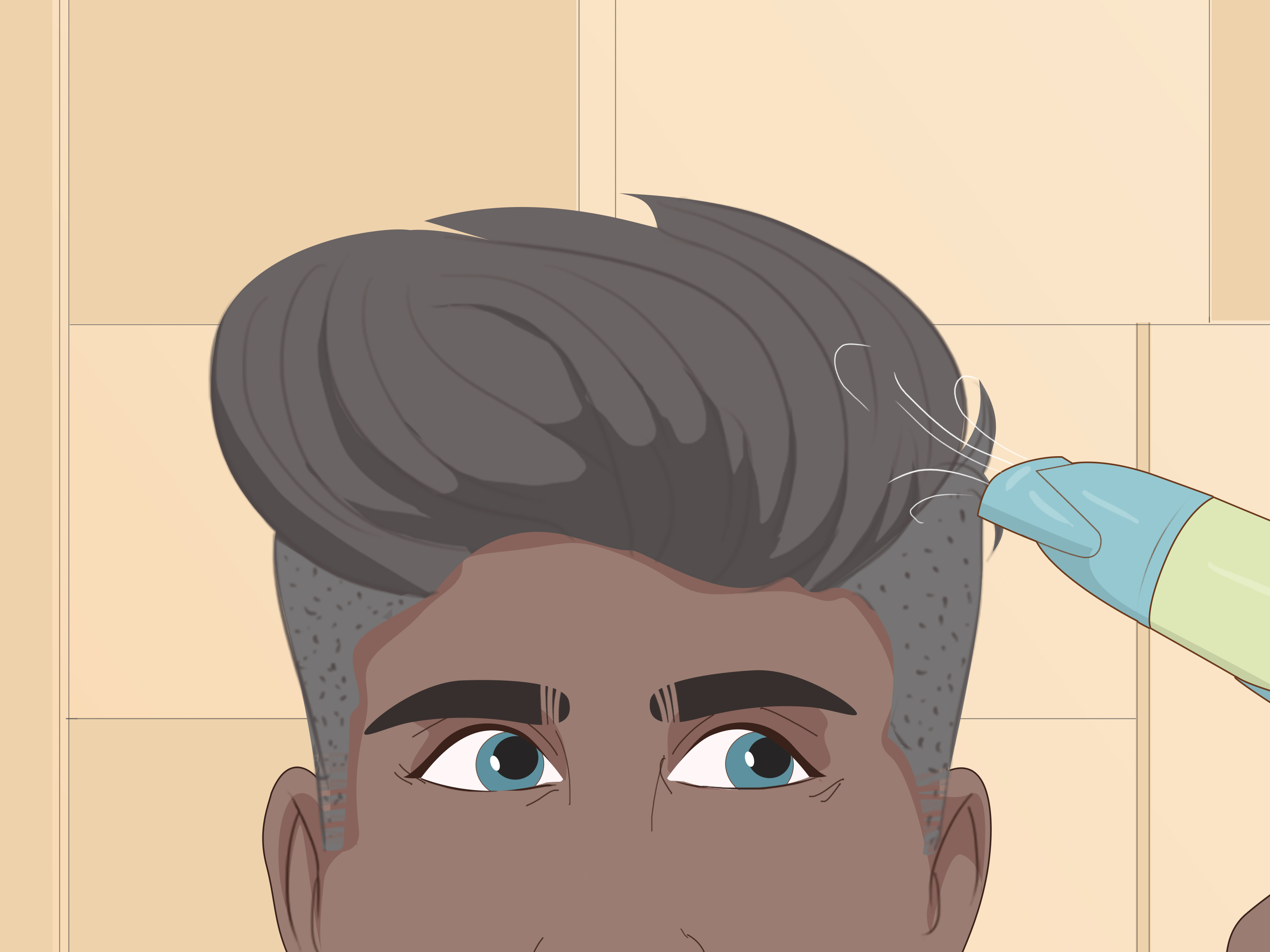
Growing out an undercut is a little like trying to leave a party gracefully while your hair is still on the dance floor. One section is short, another is long, the neckline has opinions, and your mirror may start asking philosophical questions. The good news? With the right plan, an undercut grow-out can look intentional instead of awkward.
Whether you shaved the nape, buzzed one side, created a hidden design, or committed to a full short-sides-long-top haircut, the process comes down to three things: patience, smart shaping, and clever styling. Hair growth cannot be rushed overnight, but breakage can be reduced, shape can be controlled, and the in-between stage can become surprisingly stylish.
This guide explains how to grow out an undercut, what to ask your stylist for, which hairstyles help hide uneven lengths, and what to do once your hair finally reaches a more blendable stage.
What Happens When You Grow Out an Undercut?
An undercut is created by cutting or shaving the hair underneath or on the sides much shorter than the rest. When it grows out, the short section does not magically blend into the longer hair above it. Instead, it goes through stages: fuzzy, fluffy, spiky, soft, and finally long enough to tuck, braid, layer, or shape.
Most people notice the first awkward stage around four to eight weeks after the last shave. The hair may stick out at the nape, puff around the ears, or create a shelf under longer layers. That is normal. It does not mean your haircut is failing. It means your undercut is graduating from “fresh buzz” to “tiny hedgehog with ambition.”
How Long Does It Take to Grow Out an Undercut?
On average, scalp hair grows about half an inch per month, though genetics, age, health, nutrition, hair texture, and breakage all play a role. A tiny shaved undercut may look blendable in three to six months. A larger undercut that was cut very close to the scalp may take nine months to a year or longer to fully match surrounding layers.
The timeline also depends on your goal. If you want a bob, you may only need enough growth to blend the back and sides. If you want long, even hair with no trace of the undercut, you will need more time and periodic trims to connect the shorter area with the rest of your haircut.
Step 1: Decide Whether You Want to Hide It or Feature It
Before you start trimming or styling, decide what kind of grow-out you want. There are two main strategies: hide the undercut while it grows, or turn the grow-out into a deliberate haircut.
If your hair is long enough to cover the shaved area, hiding it may be easy. You can wear low ponytails, buns, half-up styles, braids, headbands, scarves, or side parts that direct attention away from the shorter section. This works especially well for hidden nape undercuts.
If the undercut is on the side or part of a short haircut, you may need to feature it. In that case, your stylist can soften the line, taper the edges, or shape the top into a pixie, bixie, shag, crop, or short bob while the shorter hair catches up.
Step 2: Stop Shaving the Undercut Too Soon
This sounds obvious, but many people panic at the fluffy stage and shave the undercut “one more time.” That is how the grow-out clock resets. If your goal is to grow it out, stop cutting the shortest section unless your stylist is lightly shaping the edges to keep it tidy.
Instead of shaving it back down, ask for clean-ups around the neckline, sideburns, or perimeter. A tiny adjustment can make the haircut look polished without removing the progress you have earned.
Step 3: Book Strategic Trims, Not Random Chops
Regular trims do not make hair grow faster, but they do help prevent split ends, remove damaged tips, and keep the overall shape from looking accidental. The keyword is “strategic.” You are not trying to cut the undercut shorter. You are trying to help the longer hair and shorter hair meet in the middle.
What to Ask Your Stylist For
Tell your stylist: “I am growing out my undercut, and I want to keep as much length as possible while blending the shorter area.” This tells them not to treat the haircut like a normal maintenance appointment.
Depending on your hair, your stylist may recommend:
- Soft layering around the undercut area
- Dusting or micro-trimming the longer hair
- Removing bulk from thick sections
- Blending the short area into a taper
- Shaping the cut into a bob, pixie, shag, or lob over time
For thick hair, de-bulking can be helpful, but too much texturizing can make the ends look frayed. For curly or coily hair, shaping should respect the curl pattern because shrinkage can make the short section appear even shorter.
Step 4: Use Hairstyles That Hide Uneven Growth
The grow-out phase becomes easier when you have a menu of styles ready. When one style stops working, move to the next instead of fighting your hair every morning like it owes you money.
Low Buns and Low Ponytails
A low bun or low ponytail is one of the easiest ways to control an undercut growing out at the nape. Use a soft brush, light styling cream, mousse, or flexible gel to smooth shorter hairs downward. If small pieces pop out, secure them with bobby pins or a mini elastic before gathering the rest of your hair.
Half-Up Styles
Half-up hairstyles work well when the top layers are long but the sides or back are uneven. They create shape and volume while distracting from the shorter section underneath. Try a half-up knot, claw clip, mini ponytail, or loose twist.
Braids and Twists
Small braids, hairline braids, rope twists, and side twists can turn awkward regrowth into a design detail. If your undercut is on one side, a braid above it can make the contrast look intentional. Keep braids comfortable and avoid pulling tightly at the scalp.
Headbands, Scarves, and Clips
Accessories are not cheating. They are architecture. A wide headband can cover fluffy roots around the sides, a scarf can hide uneven nape growth, and decorative clips can pin shorter layers into place. Choose accessories that feel secure without tugging.
Wet-Look Styling
For short or medium hair, a sleek wet-look style can smooth regrowth and make the cut look editorial. Use a lightweight gel or styling cream, comb the hair into place, and let the shorter pieces become part of the texture.
Step 5: Reduce Breakage So You Keep the Length You Grow
Growing out an undercut is not only about waiting for new length. It is also about protecting the hair you already have. If your ends keep breaking, your progress will feel slower.
Be Gentle When Hair Is Wet
Wet hair can be more fragile, so avoid aggressive towel rubbing. Gently squeeze water out with a soft towel or cotton T-shirt. Use a wide-tooth comb or a detangling brush, starting at the ends and working upward. For tightly curled or textured hair, detangling while damp with conditioner may reduce breakage.
Use Less Heat
Heat styling can help smooth stubborn undercut regrowth, but daily high heat can cause damage over time. When possible, air-dry, use low or medium settings, and apply a heat protectant before blow-drying, curling, or flat-ironing.
Avoid Tight Styles
Very tight buns, ponytails, braids, extensions, or updos can create tension on the scalp. During the grow-out stage, aim for styles that hold the hair without pulling. If a style gives you a headache, bumps, or scalp soreness, it is too tight.
Condition Consistently
Conditioner helps reduce friction, soften the hair, and make styling easier. If your hair is dry, color-treated, curly, or textured, add a weekly deep-conditioning mask. Fine hair may prefer lightweight conditioners focused on the mid-lengths and ends.
Step 6: Support Healthy Hair Growth From the Inside
No shampoo, serum, or moonlit chant can force your hair to grow six inches by Friday. However, your body needs enough nutrients to support normal growth. A balanced diet with adequate protein, iron, healthy fats, and vitamins matters because hair is made primarily of keratin, a protein.
Good everyday choices include eggs, Greek yogurt, beans, lentils, fish, lean meats, nuts, seeds, leafy greens, berries, sweet potatoes, and whole grains. If you are vegetarian or vegan, pay attention to protein, iron, zinc, vitamin B12, and omega-3 sources.
Be careful with supplements that promise miracle hair growth. More is not always better, and unnecessary high-dose supplements can cause problems or interfere with lab tests. If you notice sudden shedding, bald patches, scalp irritation, or thinning that feels unusual, speak with a dermatologist or healthcare professional.
Step 7: Choose a Transition Haircut
At some point, your undercut will be long enough to become part of a new haircut. This is where things get fun. Instead of waiting for every strand to be exactly even, you can choose a transition style that works with the shorter section.
The Soft Pixie
If your hair is already short, a soft pixie can blend the undercut beautifully. The longer top creates movement, while the shorter sides look like part of the design. This is a strong option for people who want a low-maintenance cut during the grow-out.
The Bixie
A bixie sits between a bob and a pixie. It is short enough to work with uneven undercut growth but long enough to feel softer than a crop. It works especially well with wavy, straight, or lightly textured hair.
The Shag
A shag is a great grow-out haircut because uneven lengths can look intentional. Layers, texture, and movement help disguise the shorter section. Curly and wavy hair often looks especially natural in this shape.
The French Bob or Short Bob
If your undercut is at the nape, a short bob can help the longer hair sit over the regrowth until the underneath catches up. Once the undercut is long enough, your stylist can gradually connect the interior layers.
The Lob
A lob, or long bob, is a smart final landing place if you want a polished style after the grow-out. It gives your stylist enough length to blend uneven areas while keeping the overall look modern and wearable.
What to Do After Your Undercut Grows Out
Once the undercut is long enough to blend, you have choices. You can keep growing, reshape everything, or even bring back a softer version of the undercut. The best decision depends on why you got the undercut in the first place.
If You Want Long Hair Again
Ask your stylist for gradual blending. The goal is to connect the shorter section without sacrificing too much length from the rest of your hair at once. Expect several small trims rather than one dramatic cut.
If You Miss the Edge
You can keep a subtle undercut, tapered nape, or hidden design. Many people grow out an extreme undercut and replace it with a softer, more flexible version that is easier to maintain.
If You Want Something Fresh
Use the grow-out as a reset. Try a bob, shag, curtain bangs, long layers, natural curls, or a new part. After months of managing two different lengths, a fresh haircut can feel like your hair finally signed a peace treaty.
Common Mistakes to Avoid
Shaving the Undercut Again Out of Frustration
Unless you have changed your mind, resist the urge. One quick shave can undo months of progress.
Skipping Haircuts Completely
A no-trim approach can make the grow-out look messy. Light shaping helps the process feel controlled.
Using Too Much Heavy Product
Thick waxes and sticky gels can make short regrowth look greasy or stiff. Start with a small amount of lightweight cream, mousse, or flexible gel.
Forcing Tight Ponytails
If short pieces do not reach, do not yank them into submission. Use pins, clips, scarves, or a softer style instead.
Comparing Your Timeline to Someone Else’s
Hair texture, density, curl pattern, haircut shape, and starting length all affect the grow-out. Your timeline is not late. It is just yours.
A Simple Month-by-Month Undercut Grow-Out Plan
Months 1–2: The Fuzzy Stage
Focus on smoothing, moisturizing, and not shaving. Use headbands, clips, and soft styling cream. Keep the neckline clean if needed.
Months 3–4: The Fluffy Stage
The hair may stick out more now. Try low buns, half-up styles, small braids, and light trims around the longer layers.
Months 5–6: The Blendable Stage
Your stylist may be able to soften the line between the undercut and the rest of your hair. This is a good time to consider a bob, bixie, shag, or layered shape.
Months 7–12: The Reshape Stage
The undercut may finally behave like part of the haircut. Continue trimming damaged ends, protect your hair from breakage, and choose your next style direction.
Real-Life Experience: What Growing Out an Undercut Actually Feels Like
The first month of growing out an undercut can feel exciting because every tiny bit of regrowth seems like progress. You run your hand over the shaved area and think, “Look at that, we have grass.” It is short, soft, and easy to ignore if the rest of your hair covers it.
Then the second stage arrives. This is when the undercut becomes more noticeable. It may puff out under a ponytail or create a little ridge at the back of your head. If your hair is straight, the new growth may stick out like tiny bristles. If your hair is curly or coily, it may shrink upward and look shorter than it really is. This is usually the stage when people feel tempted to shave it again.
The trick is to stop judging the grow-out day by day. Take a photo once a month instead. Monthly photos show progress better than daily mirror checks. Hair growth is slow, but it is not imaginary. You may not notice it on Tuesday, but by the end of the month, your undercut has quietly been doing its job.
Another real experience: styling becomes a little experimental. One week, a low bun works perfectly. The next week, the short hairs rebel and poke out. That does not mean you are failing. It means the length changed. Keep a small kit ready: bobby pins, mini elastics, a soft brush, a lightweight styling cream, a flexible hairspray, and one accessory that makes you feel put together. A scarf or headband can save a morning faster than coffee, though coffee deserves honorable mention.
Salon visits also feel different during this process. Instead of asking for a dramatic haircut, you are asking for control. A good stylist will understand that the goal is not to erase the undercut in one appointment. The goal is to shape the hair so every stage looks like a choice. Sometimes that means trimming the longer layers slightly. Sometimes it means blending the short section. Sometimes it means doing almost nothing and letting time handle the heavy lifting.
The emotional part is real too. Hair can be tied to identity, confidence, convenience, and self-expression. Maybe the undercut once felt bold and freeing, but now you want softness, length, or a different style. That is completely fine. Changing your mind about your hair is not a crisis. It is practically a hobby.
By the time your undercut reaches the blendable stage, you may even appreciate the process. You learn which styles suit your texture, which products actually help, and how much patience you have before reaching for scissors. More importantly, you learn that awkward hair phases are temporary. With the right cut, gentle care, and a sense of humor, growing out an undercut becomes less of a struggle and more of a style evolution.
Conclusion
Growing out an undercut takes patience, but it does not have to be painful. The key is to stop shaving the short section, protect your hair from breakage, use smart transitional hairstyles, and work with a stylist who understands blending. Low buns, braids, clips, scarves, pixies, bobs, shags, and lobs can all help you move through the awkward stages with confidence.
Remember: the goal is not perfect hair every single day. The goal is progress. Some days your undercut will behave. Some days it will act like it has its own agent and creative direction. Keep going anyway. In a few months, the same section that once stuck out in every photo can become part of a fresh, flattering haircut.