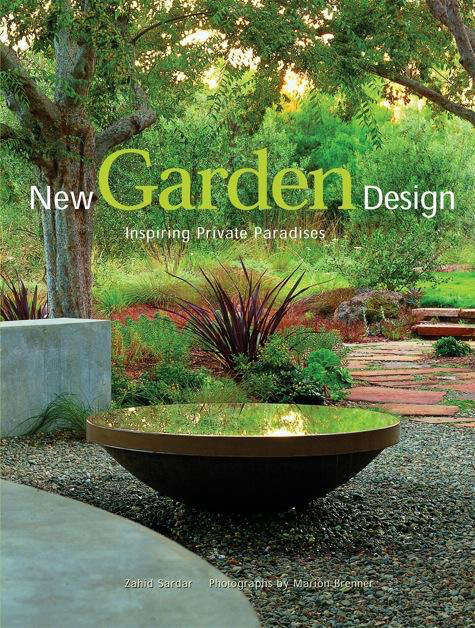
A truly great garden does not just look pretty from the kitchen window. It changes how your home feels. It gives you a place to exhale after a long day, drink coffee before the world gets noisy, and pretend you are on vacation while still wearing house slippers. That is the magic of a private paradise: beauty, privacy, and function all working together like a very stylish group project.
The best new garden design ideas are moving away from “plant some shrubs and hope for the best.” Today’s outdoor spaces are more intentional. Homeowners want layered planting, flexible privacy solutions, climate-smart choices, and outdoor rooms that feel cozy without looking cramped. Whether you have a tiny side yard, a suburban backyard, or a narrow patio, you can build a peaceful retreat that feels custom, lush, and surprisingly practical.
In this guide, we will break down how to design a private garden that looks elevated, works in real life, and stays manageable. Expect design strategy, planting ideas, layout tricks, and a few “please do not do this” reminders to save you time and money.
Why Private Garden Design Is Having a Big Moment
Privacy has become one of the top priorities in modern landscape design, and honestly, it makes sense. Homes are built closer together, outdoor spaces are doing double duty as lounges and dining areas, and nobody wants to make eye contact with a neighbor while doing yoga on the patio. The good news is that privacy design is no longer just about putting up a giant fence and calling it a day.
New garden design trends lean into soft enclosure: living fences, layered shrubs, pergolas, curtains, screens, and vertical planting. The result is a garden that feels calm and enclosed without turning into a backyard fortress. Even newer “green drenching” ideas push this further by using multiple shades of green and heavy foliage layering to create a soothing, immersive feeling. In plain English: more leaves, less stress.
Start With a Plan Before You Buy a Single Plant
Here is the least glamorous but most important step: planning on paper. A lot of expensive landscape mistakes happen because people buy plants first and think later. A smart garden design starts with a master plan that considers your site conditions, what you want the space to do, and how the hardscape and planting will work together over time.
1) Do a Site Inventory Like a Designer
Walk your yard and make notes. Where is the strongest sun? Where does water collect after rain? Which views do you love, and which ones do you want to hide? Where are the utilities, easements, and property boundaries? These details are not “extra.” They determine where paths, patios, screens, and large plants should go.
A simple sketch is enough to start. Mark doors, windows, existing trees, slopes, drainage, and any awkward spots. This step keeps your design grounded in reality, which is the difference between a dreamy rendering and a garden that actually works.
2) Define What Your Garden Needs to Do
Before choosing plant colors, decide the purpose of each zone. Do you want a quiet reading nook? A grilling area? A play zone? A pollinator bed? A dining space that does not feel like you are eating in public? Once each space has a job, the layout gets much easier.
In small gardens, this matters even more. Create distinct zones with furniture, planters, and pathways so the space feels intentional instead of crowded. A compact yard can feel larger when it has a clear sequence: entry, destination, and a focal point.
The Design Principles That Make a Garden Feel Expensive
You do not need a luxury budget to get a luxury look. You do need design discipline. The principles of landscape design are timeless for a reason: they help the eye understand the space. If you skip them, even beautiful plants can look random.
Balance, Focal Points, and Unity
Start with balance. That does not mean mirror-image symmetry unless you love a formal garden. It means visual weight feels even. If one side has a tall tree, the other side may need a pergola, a hedge mass, or a group of large containers to balance it.
Add a focal point next. This could be a bench, fountain, sculptural shrub, specimen tree, or even a dramatic planter wall. The focal point gives the garden a “destination,” which makes the space feel designed rather than accidental.
Then tie everything together with repetition. Repeat one or two materials (like wood and stone), repeat a color family (greens with white flowers, or silver foliage with purple blooms), and repeat a few plant forms across the yard. Repetition creates unity, and unity is what makes a garden feel polished.
Use Layering to Build Depth
Layering is one of the most effective ways to create a lush private paradise. Think in three levels: backbone, mid-layer, and ground layer. The backbone is your structure: evergreen shrubs, small trees, or strong architectural plants. The mid-layer carries texture and seasonal interest. The ground layer softens edges and fills gaps.
The trick is not just placing tall plants in back and short plants in front. Great layered gardens also repeat color and texture from front to back, so the whole bed feels connected. A few ornamental grasses, evergreen mounds, and flowering perennials can create that “wow, this looks professionally designed” effect without needing 80 different plant varieties.
Create Spatial Flow, Not Just Pretty Corners
A private paradise should feel good to move through. Paths, stepping stones, and material changes help guide people from one garden moment to another. Even in small spaces, a path creates a sense of journey. It also helps you avoid the common mistake of cramming furniture and plants into one giant “patio blob.”
Add subtle boundaries to define outdoor rooms: a low wall, tall grasses, a hedge line, planters, or decorative screens. These visual separators make the garden feel layered and intimate without closing it off completely.
Privacy Design That Looks Beautiful, Not Defensive
The best privacy solutions do two things at once: block views and improve the look of the garden. A giant blank fence might solve one problem, but it can create another by making your yard feel flat. Instead, combine hardscape and planting for privacy that feels soft and intentional.
Living Privacy Walls and Hedges
Hedges are one of the smartest tools in new garden design because they create enclosure, absorb noise, and add structure all year. They can define garden rooms, create a backdrop for flowers, and act as a windbreak. For smaller spaces, narrow upright shrubs are often better than wide, fast-growing plants that quickly eat your patio.
Mix your hedge strategy based on the job. Use evergreen shrubs for year-round screening where you need consistent coverage. Use deciduous shrubs where you want seasonal color and more winter light. You can also combine shrubs, ornamental grasses, and vines for a softer look that feels more natural than a single-species hedge.
If you love a naturalistic style, consider a mixed native shrub screen instead of a formal hedge. It can support pollinators and birds while still providing privacy. Just be patient: living screens grow in stages, and the best ones look better every year.
Privacy Screens, Curtains, and Pergolas
Not every privacy problem needs roots and watering. Sometimes the answer is a smart structure. Outdoor curtains, bamboo shades, wood screens, and pergolas can create instant privacy while adding style. They are especially useful around patios and decks where you want coverage right away.
Curtains soften hard edges and make an outdoor space feel like a room. Pergolas add overhead definition while still letting in light. Wood screens can hide a bad view, and DIY versions can be surprisingly chic when you use clean slats or patterned layouts. If your yard is small, vertical privacy solutions are your best friend because they preserve floor space.
One pro move: combine a structure with planting. A pergola plus climbing vines, or a fence plus tall planters, gives you privacy now and a greener look over time. Translation: the hardscape does the heavy lifting while the plants make it look expensive.
Use Furniture Placement as a Privacy Tool
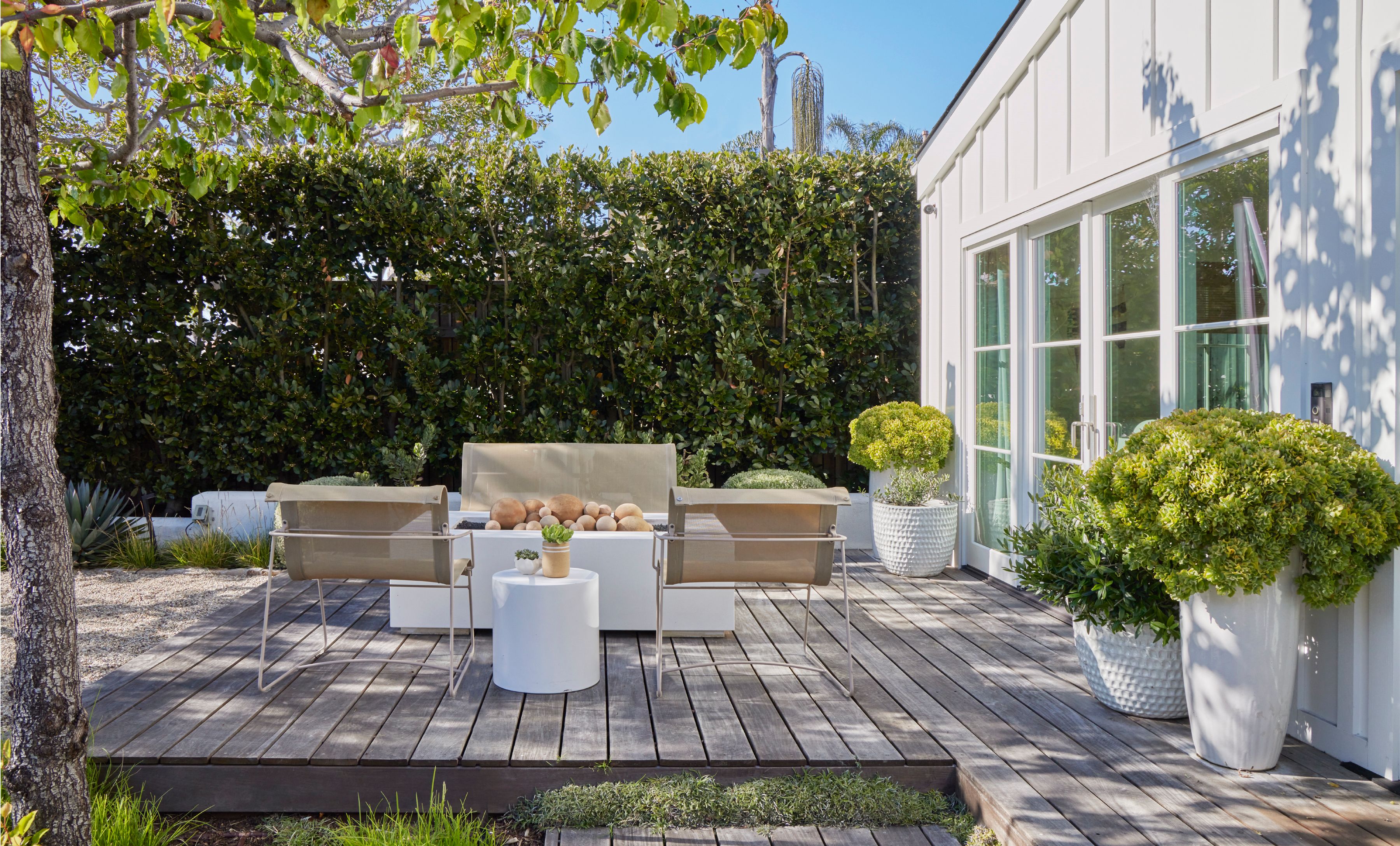
This trick is underrated. In open yards, simply turning seating to face inward and away from neighboring windows can create a stronger sense of privacy. Add a planter, umbrella, or low screen behind the seating, and the whole space instantly feels more sheltered.
Design is not always about adding more things. Sometimes it is about placing the right things in the right direction. Very elegant. Very sneaky.
Planting Ideas for an Inspiring Private Paradise
Plant selection is where design becomes personality. A private garden can feel modern, cottage-style, tropical, minimalist, or woodland-inspired depending on your palette. The key is choosing plants that match your site and your maintenance tolerance. If you want a low-fuss garden, do not build a high-fuss planting plan. Future-you will have opinions.
A Reliable Layered Planting Formula
- Backbone: evergreen shrubs, conifers, or small trees for structure and screening
- Mid-layer: flowering shrubs, grasses, and perennials for texture and movement
- Ground layer: low perennials or groundcovers to soften edges and reduce bare soil
- Vertical accents: vines on trellises, arbors, or fences to add height without bulk
- Containers: tall planters near seating areas for flexible, movable privacy
For a formal look, choose tighter shapes and repeat them: clipped shrubs, upright evergreens, neat borders. For a softer “secret garden” vibe, blend hedges with roses, flowering vines, and airy grasses. For modern gardens, stick to fewer plant types and stronger shapes, then repeat them generously.
Go Native and Pollinator-Friendly Without Losing Style
Native and pollinator-friendly planting can absolutely look polished. In fact, it often looks richer because it supports more life and seasonal variation. The trick is to frame naturalistic planting with structure: a path edge, a low hedge, a clean patio line, or repeated plant groupings.
If birds and pollinators are part of your paradise vision, include trees and shrubs for food and shelter, and do not rush to cut everything down in fall. Seed heads and stems can provide winter interest and habitat. A garden that supports wildlife often feels more alive and more private, because movement and sound come from plants and birds instead of traffic and neighbor noise.
Small Garden Design Tricks That Work Shockingly Well
Small yards are not a limitation. They are a design challenge, and great design loves a challenge. The biggest mistake in small spaces is trying to do everything at once. The best small private gardens use a few strong moves instead of a dozen small ones.
1) Use Vertical Planting
Vertical planting makes small spaces feel lush without stealing your walkway. Try wall planters, climbing vines, narrow trellises, or a mounted plant grid. It adds privacy, softens fences, and gives you that layered garden look even when square footage is limited.
2) Create Zones With Materials
Use gravel, pavers, decking, or a small rug to define spaces. A tiny dining corner plus a planting strip plus a bench nook feels bigger than one undivided rectangle. If you want a low-maintenance setup, reduce lawn area and use gravel or stone with containers and climbing plants. Less mowing, more relaxing.
3) Add One “Wow” Feature
In compact gardens, one standout element can carry the whole design: a pergola, a sculptural tree, a water feature, or a dramatic screen. It creates focus and keeps the space from feeling like a collection of random patio furniture and impulse-bought plants from Saturday morning.
Sustainable Features That Make Your Paradise Smarter
Modern garden design is not just about aesthetics. A truly inspiring private paradise also handles water well, supports the environment, and avoids constant maintenance drama. Sustainable choices usually look better over time because they are designed for the site instead of against it.
Rain Gardens and Better Drainage
If your yard gets soggy after rain, a rain garden can solve a problem and add beauty. A rain garden is a planted, shallow area that captures runoff from surfaces like roofs and driveways and lets water soak into the ground. It can reduce runoff, help filter pollutants, and support wildlife. In other words, it is both practical and pretty, which is the ultimate design flex.
Important note: place it carefully. You need to account for drainage patterns and underground utilities before digging. This is where your planning step earns its paycheck.
Low-Maintenance Does Not Mean Boring
A low-maintenance private garden still needs good bones. Choose plants suited to your light and soil, group plants with similar needs, and give each plant enough room at mature size. Overcrowding is the fastest route to disease, constant pruning, and a garden that looks stressed instead of serene.
Use mulch, repeated plant groups, and evergreen anchors to keep things looking intentional year-round. A garden that is easy to maintain is more likely to stay beautiful, and that is the whole point.
Common Mistakes to Avoid in New Garden Design
- Skipping the plan: buying plants before measuring the space and studying the site
- Choosing plants by looks only: ignoring mature size, sun needs, and maintenance requirements
- Overusing one privacy solution: a fence alone can feel harsh; layering works better
- Forgetting winter structure: all-summer flowers are lovely, but evergreen bones matter
- Cramming small spaces: fewer, better choices usually look bigger and more elegant
- Ignoring flow: a garden should guide movement, not create obstacle courses
Conclusion: Build a Garden That Feels Like a Getaway
The best new garden design is not about copying a trend photo exactly. It is about creating a space that fits your home, your climate, and your life. A private paradise can be formal and sculpted, soft and romantic, or modern and minimal. What matters most is the combination of smart layout, layered planting, and thoughtful privacy design.
Start with a plan. Build strong structure. Layer your plants. Use privacy elements that look good and work hard. Add one memorable focal point. Then give it a little time. Great gardens are not instant, but they are worth it.
And once your garden is done, you may notice a side effect: suddenly you have a favorite chair, a favorite corner, and a suspicious desire to say “I’ll be outside” every evening. That is not a bug. That is success.
Experience Notes: What Homeowners and Gardeners Often Learn After Creating a Private Paradise
One of the most common experiences people share after redesigning a garden for privacy is that the emotional impact is bigger than expected. They start the project thinking about blocking a view, but what they end up creating is a daily ritual space. A bench behind a hedge becomes the morning coffee spot. A screened patio becomes the place where kids do homework in spring. A pergola with vines becomes the “let’s eat outside” zone for half the year. In other words, privacy design often improves lifestyle, not just aesthetics.
Another frequent lesson is that layered privacy feels better than total shutdown. Homeowners who begin with the idea of a tall fence everywhere often realize they prefer selective privacy. A fence plus shrubs. A pergola plus curtains. A row of planters plus a small tree canopy. These combinations create a sense of enclosure while still allowing light, air, and a few intentional views. The space feels calmer, not boxed in.
Gardeners also learn quickly that plant spacing is not a suggestion. It is a relationship-saving policy between you and your future self. Newly planted shrubs look small, and there is always a temptation to overfill the bed. But after two or three growing seasons, the garden can become crowded, and what once looked lush starts looking chaotic. The best long-term gardens usually come from restraint at planting time and confidence in repetition rather than overstuffing.
In small yards, the biggest breakthrough is often vertical thinking. People who add trellises, wall planters, or climbing vines are usually surprised by how much larger the space feels. Eye movement goes upward, and suddenly a narrow side yard feels designed instead of forgotten. The same thing happens when a tiny patio gets one strong focal point, such as a water wall, a dramatic container grouping, or a sculptural shrub. One clear anchor can transform the whole space.
A final experience many homeowners mention is how maintenance changes when the design improves. A well-planned garden with defined beds, fewer lawn areas, and plants matched to the site tends to be easier to care for. Watering gets simpler. Pruning becomes occasional instead of constant. And because the garden is more comfortable and beautiful, people spend more time in it, which means they notice issues earlier and enjoy the upkeep more. The garden stops being a chore list and starts feeling like part of the home.
That is what makes inspiring private paradises so effective: they are not just decorative landscapes. They are lived-in environments that support rest, conversation, and everyday routines. The design choices may begin with fences, hedges, and pergolas, but the real result is a space that feels personal, calming, and genuinely useful.