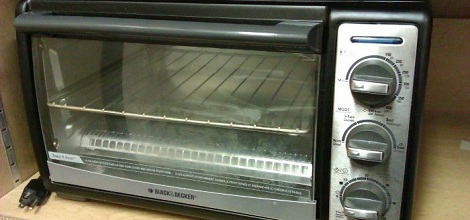
For years, the phrase “1990s kitchen” was design shorthand for honey oak cabinets, laminate counters, arched cutouts, white appliances, busy backsplashes, and one brave rooster figurine standing guard near the toaster. Homeowners painted over it. Realtors apologized for it. Renovation shows treated it like a villain wearing pleated khakis.
But design has a funny way of spinning the lazy Susan. Suddenly, 90s kitchens are backnot as a museum exhibit of beige tile and glossy orange oak, but as a warm, nostalgic, practical foundation for modern kitchen design. Designers are revisiting the decade with fresh eyes and realizing something important: those kitchens were often cozy, functional, human-scaled, and full of personality. In a world of sterile white boxes and kitchens that look too perfect to host a spaghetti night, that matters.
The new 90s kitchen trend is not about dragging your old bread machine out of retirement or wallpapering the room in grapevine borders. It is about taking the best parts of the erawood cabinetry, color, glass fronts, breakfast nooks, patterned tile, curved shapes, and a genuine “come sit down” moodand updating them with better lighting, smarter storage, durable surfaces, and a calmer palette. Think less sitcom kitchen, more designer-approved nostalgia with a dishwasher that actually understands boundaries.
Why 90s Kitchens Are Making a Comeback
The return of 90s kitchens is part of a larger shift away from cold minimalism and toward interiors that feel layered, personal, and lived-in. After years of all-white kitchens, gray floors, black hardware, and open shelves styled with three bowls no one is allowed to touch, homeowners are craving spaces with warmth and soul. A 90s-inspired kitchen answers that craving with wood grain, practical layouts, cheerful details, and a sense of comfort that says, “Yes, you can put your coffee mug right there.”
Designers are also rethinking what “dated” really means. A kitchen can look old because its finishes are tired, but the bones may still be excellent. Many 1990s kitchens have workable footprints, generous cabinet storage, familiar work triangles, and smaller islands or peninsulas that support real cooking instead of turning the room into an airport terminal. When updated thoughtfully, these layouts can feel more intimate than ultra-open kitchens that expose every dirty pan to the entire living room.
There is also a strong nostalgia factor. The 90s were the era of family sitcom kitchens, after-school snacks, cordless phones, and the very specific sound of a cabinet door closing over a stack of Corelle plates. People who grew up in those spaces now own homes, renovate apartments, or scroll through design inspiration with a surprising affection for honey oak. The emotional pull is real, but today’s version is more refined. The goal is memory without the mauve sponge paint.
The 90s Kitchen Features Designers Actually Want to Keep
Honey Oak and Warm Wood Cabinets
Honey oak cabinets may be the comeback character nobody expected, but here they are, walking into the room with confidence and a new stain. The modern appeal of oak is easy to understand: it brings natural texture, warmth, and a grounded quality that painted cabinets often lack. The difference is in the finish. Instead of high-gloss orange tones, today’s oak leans matte, natural, lightly stained, or softly golden.
If you already have 90s oak cabinets, do not assume they must be demolished. Good-quality wood boxes can often be refreshed with new hardware, a cleaner stain, updated hinges, under-cabinet lighting, or a contrasting island color. Pair oak with creamy walls, soapstone-look counters, warm white quartz, handmade tile, or unlacquered brass, and the room quickly moves from “1995 subdivision” to “warm modern classic.”
Glass-Front Cabinets
Glass-front uppers were a 90s favorite, and designers still love them because they break up heavy cabinetry and give the kitchen a collected look. They are especially useful when you want display space without committing to fully open shelving, also known as dust’s favorite vacation rental.
The key is restraint. A few glass-front doors can show off pretty dishes, vintage pitchers, or everyday glassware. Too many can make the kitchen feel busy, especially if the contents are a chaotic documentary about mismatched mugs. Reeded, ribbed, seeded, or frosted glass gives the same lightness with a little privacy, which is ideal for people who own both beautiful bowls and plastic cups from every road trip since 2007.
Patterned Tile and Checkerboard Details
90s kitchens were not afraid of pattern. Tile counters, decorative backsplashes, and checkerboard floors all had their moment. Some of those choices aged better than others, but the idea of adding rhythm and personality still feels current. Today’s update is cleaner: geometric backsplash tile, muted checkerboard floors, handmade-look squares, zellige-style surfaces, or a small patterned accent behind the range.
To keep the look modern, balance pattern with quiet surrounding materials. If the backsplash has movement, keep the counters simple. If the floor is checkerboard, let the cabinets breathe. The magic happens when the pattern feels intentional rather than like the kitchen got dressed in the dark during a clearance sale.
Breakfast Nooks and Built-In Seating
One of the best 90s kitchen features is the built-in breakfast nook. It is cozy, practical, and deeply underrated. Today’s designers are bringing back banquettes, window seats, small dining corners, and eat-in kitchen layouts because they support the way people actually live. Homework happens there. Coffee happens there. Serious family meetings about who finished the last cookie happen there.
A modern breakfast nook can be simple: a built-in bench, a round pedestal table, washable cushions, and a pendant light that gives the corner its own identity. This is where a 90s kitchen’s social spirit shines. Instead of designing only for entertaining guests, it designs for Tuesday morning cereal, late-night tea, and real household life.
Curves, Arches, and Soft Shapes
The 1990s loved curves: arched cabinet cutouts, rounded counters, curved peninsulas, and architectural openings. After years of sharp minimalist lines, these soft forms are back in a quieter, more elegant way. Rounded island corners, arched doorways, curved range hoods, and softened countertop edges can make a kitchen feel more approachable.
The trick is to avoid turning the room into a theme park. A single arched doorway or curved island can add charm. Every cabinet door shaped like a rainbow? That may be too much nostalgia before breakfast.
What to Update So the Kitchen Feels Current
Modern Lighting
Lighting is one of the fastest ways to rescue a 90s kitchen from the past. Many older kitchens rely on one overhead fixture, a fluorescent box, or recessed cans that cast the emotional warmth of a dentist’s office. A modern 90s-inspired kitchen needs layers: ceiling lights for general illumination, under-cabinet lights for tasks, pendants over islands or peninsulas, and softer accent lighting in glass-front cabinets or display areas.
Warm, dimmable lighting makes wood cabinetry look richer and tile look more intentional. It also gives the room flexibility. Bright light for chopping onions, soft light for dinner, and “please don’t let anyone see this sink” light for after the party.
Smarter Storage
90s kitchens often had plenty of cabinets, but not always the smartest interiors. A modern refresh should focus on usability: pull-out trays, deep drawers, spice inserts, vertical dividers, corner solutions, trash and recycling pull-outs, and pantry cabinets. These changes preserve the cozy look while making the kitchen function like it has had coffee.
This is especially helpful if you want to keep existing cabinets. Instead of replacing everything, upgrade the inside. Better storage is the quiet luxury of kitchen design. It does not shout, but it does prevent a baking sheet avalanche every time you open a lower cabinet.
Updated Hardware
Cabinet hardware is small, but it has main-character energy. Swapping dated knobs or shiny brass pulls for updated finishes can completely change the tone of a 90s kitchen. Soft gold, aged brass, polished nickel, oil-rubbed bronze, or simple black pulls can all work, depending on the surrounding materials.
For honey oak, warm metals usually feel natural, while polished nickel can add freshness. For white or cream cabinets, brass adds warmth. For darker wood, bronze or nickel can provide contrast. Choose hardware with a comfortable grip, because a kitchen should not require a manicure sacrifice every time you open the silverware drawer.
Countertops That Calm the Room
If your 90s kitchen has busy tile counters, laminate with heavy patterning, or grout lines that have lived a full and complicated life, a countertop update can make the biggest visual difference. Quartz, quartzite, butcher block, soapstone, honed granite, and solid-surface materials can all modernize the room without erasing its character.
For a 90s-inspired kitchen, avoid choosing a surface that fights the cabinets. Warm wood looks beautiful with creamy stone, soft gray veining, honed black, or subtle beige tones. If the cabinets are already the star, let the countertop be the supportive best friend, not the person who brings a karaoke machine to brunch.
How to Get the Look Without a Full Remodel
You do not need to gut your kitchen to embrace the 90s kitchen revival. In fact, the most stylish version often comes from keeping what works and editing what does not. Start with the cabinets. If they are solid wood and in good shape, consider cleaning, refinishing, or changing the hardware before painting over them. Add a modern backsplash, replace harsh lighting, and introduce a wall color that complements the wood instead of fighting it.
If the room feels too brown, paint only the island or lower cabinets. Two-tone kitchens are a smart way to keep wood warmth while adding personality. A muted green island, mushroom-toned base, deep blue accent, or warm cream perimeter can create a layered designer look without overwhelming the space.
Textiles and accessories also help. A vintage runner, café curtains, ceramic crocks, wood cutting boards, framed art, or a small table lamp can shift the mood quickly. The goal is not clutter; it is character. A 90s-inspired kitchen should feel collected, not like it is storing every yard sale in the county.
Best Color Palettes for a Modern 90s Kitchen
The modern 90s kitchen palette is warmer and earthier than the stark white-and-gray schemes of the 2010s. Cream, butter yellow, warm beige, mushroom, olive green, muted blue, terracotta, clay, and natural oak all work beautifully. These colors echo the comfort of the decade without looking dated.
For honey oak cabinets, try creamy white walls, soft green tile, warm stone counters, or muted blue accents. For white appliances, lean into them by pairing with butcher block, colorful tile, or retro-inspired hardware. White appliances can feel charming again when they are part of a deliberate palette instead of the one thing everyone forgot to replace.
For a bolder approach, consider a checkerboard floor in soft cream and tan, a geometric backsplash in green and white, or a painted pantry cabinet in deep burgundy. Use bold moments like seasoning: enough to make the dish memorable, not enough to make guests ask if everything is okay.
What Not to Bring Back From 90s Kitchens
Not every 90s kitchen detail deserves a reunion tour. Extremely glossy orange finishes, heavy soffits, overly busy granite, sponge-painted walls, fruit-basket borders, and fluorescent ceiling boxes can stay in the scrapbook. Tile counters can be charming in the right context, but if the grout is impossible to maintain, choose a smoother modern surface.
Also be careful with themed décor. A single vintage rooster can be fun. A rooster army is a coup. The same goes for grape motifs, fake ivy, and word art that says “EAT” in letters large enough to instruct the neighbors. Nostalgia works best when it is subtle and personal.
Why Designers Are Here for It
Designers are embracing 90s kitchens because they offer something many modern spaces lack: personality. They were not always perfect, but they were rarely boring. They had wood. They had color. They had places to sit. They had cabinets designed to hold actual kitchen stuff instead of just a single sculptural vase.
The best modern kitchens are not sterile showrooms. They are hardworking rooms that support cooking, gathering, cleaning, snacking, talking, and the occasional dramatic search for the missing measuring spoon. A refreshed 90s kitchen fits that vision beautifully. It combines practicality with comfort, nostalgia with polish, and old-school warmth with current performance.
In other words, the 90s kitchen is not back because people suddenly miss laminate edges. It is back because homeowners want kitchens that feel like home again.
Experience Notes: Living With a 90s-Inspired Kitchen
The most interesting thing about a 90s kitchen is how quickly people relax in it. A very sleek kitchen can be stunning, but sometimes it makes guests hover awkwardly, afraid to set down a glass without a coaster, a prayer, and written permission. A 90s-inspired kitchen has the opposite effect. It feels like a room where someone might actually bake banana bread, leave the butter out to soften, and invite you to sit down before asking if you want coffee.
In real homes, the best experiences come from kitchens that are both forgiving and functional. Warm wood cabinets hide fingerprints better than flat dark paint. A small breakfast nook becomes the unofficial family command center. A glass-front cabinet makes everyday dishes look special. A patterned backsplash gives the room energy even when dinner is just scrambled eggs and toast. These are not tiny details; they are the difference between a kitchen that photographs well and a kitchen that lives well.
One common experience with 90s kitchens is the “should we rip it out?” debate. Many homeowners move in, see oak cabinets, and immediately imagine demolition. Then they realize the drawers are sturdy, the layout works, and the cabinet boxes are better built than many budget replacements. That is when the smarter question appears: what if the kitchen does not need a total personality transplant? What if it just needs better lighting, new hardware, a calmer wall color, and counters that do not look like they are trying to win a pattern contest?
Another relatable experience is learning that nostalgia needs editing. The goal is not to recreate your childhood kitchen exactly, complete with a cordless phone, plastic cereal containers, and a calendar from the local insurance agent. The goal is to capture the feeling: warmth, ease, color, and approachability. A modern 90s kitchen can have induction cooking, concealed trash storage, quartz counters, and LED lighting while still feeling like the room where everyone naturally ends up.
For renters, the experience is different but still possible. Peel-and-stick tile, plug-in sconces, café curtains, vintage stools, wood cutting boards, and thrifted ceramics can bring in the 90s spirit without angering the security deposit gods. Even white appliances can be styled intentionally with warm woods, soft colors, and retro accessories. The point is to stop treating older kitchen elements as automatic flaws. Sometimes the “dated” thing is just waiting for the right supporting cast.
The biggest lesson from the 90s kitchen comeback is that comfort is not the enemy of style. A kitchen can be beautiful and still have a toaster on the counter. It can be stylish and still host homework, takeout containers, birthday cupcakes, and a dog waiting under the island for someone to drop cheese. Designers are here for 90s kitchens because they remind us that the heart of the home should have a pulse. Preferably one with good lighting, better storage, and maybe one very tasteful roosterjust one.
Conclusion
90s kitchens are back because they offer the warmth, charm, and practicality many homeowners now crave. The comeback is not about copying every detail from the decade. It is about preserving the good bones: wood cabinets, cozy layouts, glass fronts, playful tile, built-in seating, and a kitchen that welcomes people instead of intimidating them.
The designer-approved approach is simple: keep the soul, update the surfaces, improve the lighting, organize the storage, and choose colors that make the room feel fresh. Done well, a 90s-inspired kitchen becomes timeless rather than trendy. It feels familiar, useful, personal, and just polished enough to prove it has evolved since the days of dial-up internet.