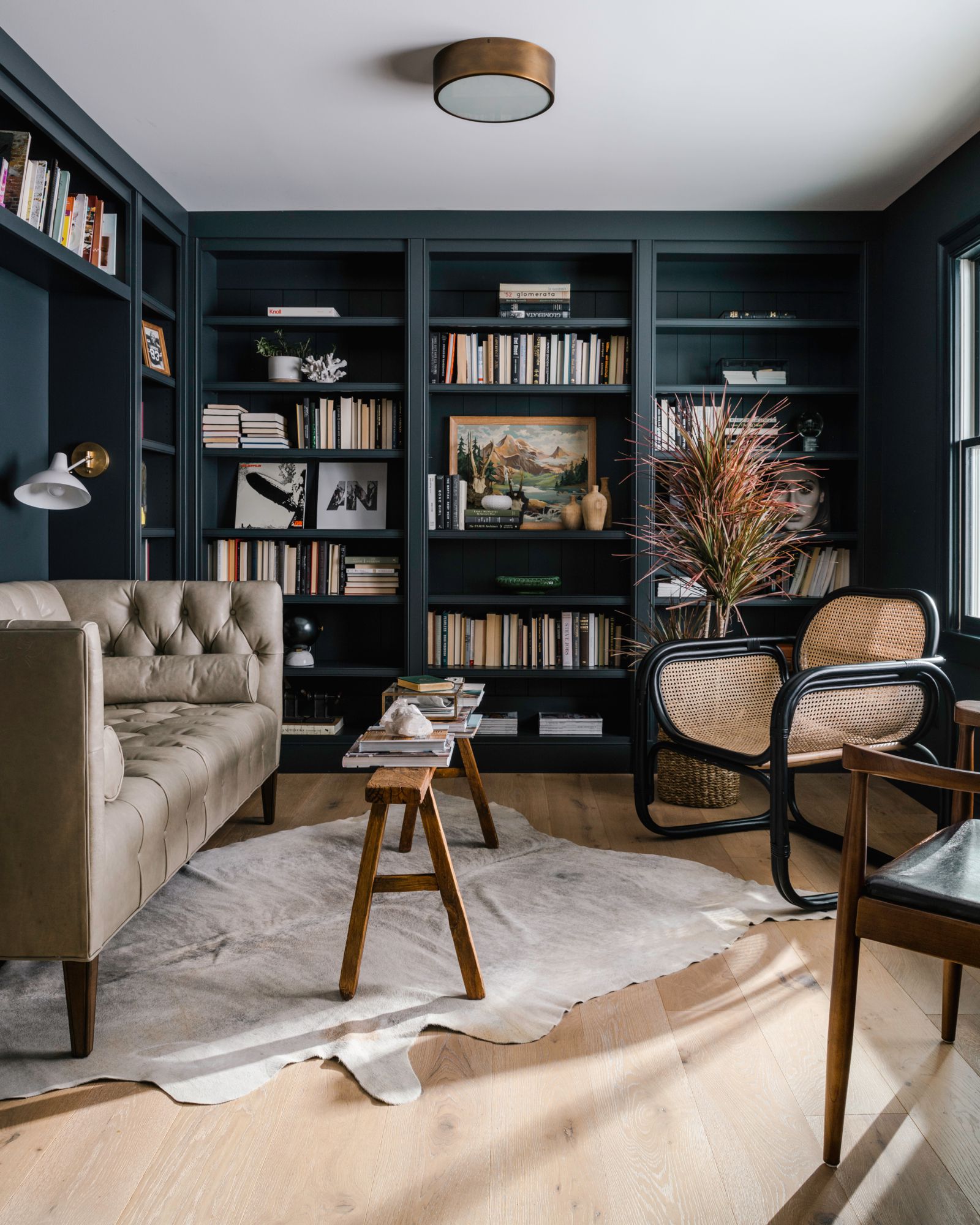
The best living rooms aren’t the ones that look like a catalog page where nobody’s allowed to sit. They’re the ones where people naturally drift in,
kick off their shoes, and somehow end up telling stories they “weren’t planning to share.” In other words: your living room is basically a social
ecosystemso let’s design it like one.
Below are 50 practical, designer-smart living room ideas that make your space more inviting, more functional, and way more likely to host game nights,
movie marathons, and the kind of conversations that start with “One quick thing…” and end at midnight.
Layout and Flow: Make It Easy to Gather
1. Float the sofa (even a few inches)
Pulling your sofa off the wall helps create a “room within the room,” improves conversation flow, and makes the layout feel intentionalnot like
furniture is hiding from responsibility.
2. Build a conversation “U” instead of a straight line
Angle seating toward each other so faces can actually… face. A U-shape (or soft circle) is the fastest way to turn “a room with a TV” into “a room
where people talk.”
3. Keep a clear traffic lane
Map the main walking pathdoorways, hallways, kitchen accessand keep it open. A great gathering space doesn’t make guests do an obstacle course
between the couch and the coffee table.
4. Use a rug to anchor the seating zone
A properly sized area rug visually “parks” your furniture, making the room feel cohesive. If the rug is too small, everything looks like it’s
hovering awkwardly in different time zones.
5. Go big on rug size (yes, bigger)
In many living rooms, an 8×10 or 9×12 rug works well because it fits under key pieces. Aim for at least the front legs of sofas and chairs to sit
on the rug so the seating area reads as one unit.
6. Try “two sofas facing” for effortless hosting
Two sofas opposite each other creates instant symmetry and makes conversation feel naturallike you planned this, instead of “we shoved furniture
wherever it fit.”
7. Four chairs around a coffee table for game nights
If you host often (or want to), four comfortable chairs around a central table makes a perfect board-game-and-snacks setup and keeps everyone equally
included.
8. Add a “third seat” that moves easily
A lightweight accent chair, pouf, or ottoman gives you flexible seating when friends show up “with one extra person.” (It’s always one extra person.)
9. Create two micro-zones in larger rooms
Big space? Don’t make one giant seating island. Create a main conversation area plus a second nookreading chair by a lamp, a card table, or a small
loveseat for quieter chats.
10. In open concept, define the living room with furniture “edges”
Let a sofa back act as a boundary, then reinforce with a console table or a long bench. It signals, “This is where we gather,” without building a wall.
11. Give the coffee table the “easy reach” test
If people can’t set down a drink without leaning like they’re training for the Olympics, the table is too far. Keep it close enough to be useful,
far enough to be walkable.
12. Don’t let the TV bully the layout
Yes, the TV exists. No, it doesn’t get custody of the entire room. Balance it with a second focal pointfireplace, art wall, built-ins, or a great
window view.
Seating and Comfort: Invite People to Stay
13. Choose a deep, lounge-friendly sofa
If your living room is for gathering, prioritize comfort: supportive cushions, durable upholstery, and a seat depth that makes “just a minute” turn
into “I live here now.”
14. Consider a sectionalthen plan the “landing zones”
A sectional can be a social magnet, especially in family rooms. Make sure each seat has access to a side table, a lamp, or at least a place to park
snacks.
15. Swap a hard coffee table for a cocktail ottoman
Ottomans soften the room and add extra seating. Choose one with a tray top (or a removable tray) so it can function like a table without being
furniture that bruises shins for sport.
16. Add one chair that feels like a hug
An oversized chair (or swivel chair) becomes the “favorite seat” instantly. People gravitate toward comfortdesign that and the gathering follows.
17. Include at least one swivel seat
Swivel chairs are secretly social: they rotate between conversation, TV, and the snack zone without dragging furniture around like you’re moving out.
18. Use a bench when you need flexible seating
A bench can tuck under a console or sit along a wall, then slide into the group when guests arrive. It’s the introvert’s version of party expansion:
quiet, efficient, effective.
19. Add a footrest within reach
If you want people to relax, give them a place to put their feet that isn’t your nice throw pillow arrangement. Poufs and small ottomans work great.
20. Mix seating heights for better sightlines
Pair a sofa with chairs that aren’t identical in scale. A variety of heights and silhouettes makes the room feel layeredand helps everyone see each
other (and the pizza).
21. Don’t over-pillow the sofa
Pillows add softness and style, but too many turns the sofa into a decorative storage problem. Aim for a curated set that looks inviting and still
leaves actual room for humans.
22. Choose performance fabrics if you want a real gathering room
If kids, pets, red wine, or salsa exist in your universe, choose durable, cleanable upholstery. “Pretty but precious” is a fast track to “nobody sit
there.”
Lighting: The Secret Sauce of Warmth
23. Use layered lighting: ambient, task, accent
A single overhead light is the emotional equivalent of a dentist waiting room. Layer lighting so the space can shift from bright-and-functional to
cozy-and-glowy.
24. Put a lamp near every seat
If someone can’t read a menu, a book, or their phone without squinting, your lighting plan needs more backups. Table lamps and floor lamps solve this
instantly.
25. Add dimmers (they’re basically mood controls)
Dimmers let you match the energy: bright for cleaning, medium for company, low for movies. It’s like having multiple rooms without buying a bigger
house.
26. Aim light at walls, not just the floor
Wall-washing (using sconces, picture lights, or angled lamps) adds depth and makes a room feel larger. It’s flattering light for your architecture.
27. Use a statement fixture to define the center
A chandelier, pendant, or sculptural flush-mount gives the room a “gather here” moment. Think of it as a visual meeting point for the whole layout.
28. Highlight one feature with accent lighting
Picture lights for art, a small spotlight for a plant, LED in built-insaccent lighting creates dimension and makes even simple rooms feel designed.
29. Add candlelight vibes (without living dangerously)
Battery candles, warm LED lanterns, or a low-glow table lamp can recreate that cozy flicker without asking your guests to sign a fire-safety waiver.
30. Use warm bulbs for a welcoming glow
Warm light is generally more flattering and relaxing than cool, blue-toned light. If your living room looks like an operating theater, swap bulbs
before you swap furniture.
Color, Pattern, and Texture: Make It Feel Lived-In (In a Good Way)
31. Start with a simple, flexible palette
Choose a base of neutrals or soft naturals, then layer in color through art, pillows, and throws. It’s easier to refresh seasonally without repainting
your life.
32. Use one “thread” color throughout the room
Repeat a single accent color in a few spotsart, a vase, a pillow, a throwto create cohesion. It’s the design version of a chorus that ties the song
together.
33. Add contrast so the room doesn’t look beige-tired
Contrast can be dark wood, black metal, deep green, navy, or charcoal accents. The goal is definition: edges, shapes, and focal points.
34. Mix textures: soft, nubby, smooth, and shiny
Combine linen, velvet, leather, boucle, wood, metal, and woven pieces. Texture is how a neutral room becomes cozy instead of bland.
35. Use pattern strategically (not everywhere)
Pick one “hero” pattern (rug or drapes) and echo it in smaller doses. Too many patterns can feel chaotic; too few can feel flat.
36. Try an accent wallpaint, wallpaper, or paneling
An accent wall gives the room depth and a clear focal point. Even a subtle textured wallpaper can add personality without overwhelming the space.
37. Paint the trim for a high-end look
Painting trim (and even doors) a slightly deeper tone than the walls adds richness and makes the room feel more tailoredlike it’s wearing a blazer.
38. Use a large piece of art instead of many tiny ones
One oversized artwork can calm a wall and elevate the room fast. It also prevents the dreaded “postage stamp gallery” effect that reads busy from afar.
Storage and Styling: Keep It Gather-Ready
39. Use closed storage for the messy stuff
Baskets, cabinets, media consolesclosed storage keeps everyday clutter out of sight so the room stays guest-ready without daily museum-level effort.
40. Add a console table behind the sofa
A slim console provides landing space for drinks, lamps, and decor while making floating furniture feel finished. Bonus: it’s a charging station in
disguise.
41. Choose nesting tables for flexible surfaces
Nesting tables expand when you’re hosting and tuck away when you’re not. They’re basically the “stretchy pants” of furniturepractical and underrated.
42. Build a “drop zone” near the entry
If your living room is where people gather, it’s also where coats and bags land. Add hooks, a basket, or a small bench nearby so your sofa doesn’t
become a wardrobe.
43. Style your coffee table like a host
Keep it simple: a tray, a small stack of books, and something organic (plant, flowers). Leave room for actual usesnacks and elbows are coming.
44. Hide cords before they ruin the vibe
Use cord covers, cable boxes, and outlet-friendly furniture placement. Nothing says “relax” like tripping over the Wi-Fi router’s spaghetti.
45. Use built-ins (or faux built-ins) to make the room feel custom
Shelving around a fireplace or media wall adds storage and presence. Renters can mimic this with tall bookcases and consistent styling.
46. Keep the floor mostly clear
A gathering space needs breathing room. Skip extra tiny furniture that adds clutter without adding function. If it doesn’t help people sit, set things
down, or move aroundbye.
Finishing Touches: The “Everyone Loves It Here” Layer
47. Add one soft throw per main seat
Throws are the universal invitation to relax. Drape one over each major seating piece so guests don’t have to ask, “Is it okay if I…?”
48. Bring in plants (even one big one)
Greenery makes a room feel alive and welcoming. If you’re not a plant person, start with a hardy option or a realistic faux. No shamejust vibes.
49. Make space for sound
A living room that gathers benefits from softer acoustics: rugs, curtains, upholstered pieces. If your room echoes, conversations feel louder and
less cozy.
50. Design for your people, not for the internet
If you host movie nights, prioritize sightlines and comfy lounging. If you host dinners, prioritize seating and side tables. The best living room idea
is the one that matches your real life.
Putting It All Together
If you do nothing else, do these three things: (1) arrange seating so people face each other, (2) choose a rug that actually fits the group, and
(3) layer lighting so the room can shift from bright to cozy. After that, add comfort (throws, pillows you don’t have to remove), function (surfaces
within reach), and personality (art and objects that mean something).
A gathering space everyone loves isn’t perfectit’s welcoming. It’s the room that says, “Come in, sit down, stay awhile,” and then quietly provides a
place for every drink, every story, and every “one last episode.”
Real-World Experiences: What Actually Makes a Living Room Get Used (and Loved)
In real homes, the living room succeeds or fails on tiny moments. People don’t remember your paint sheen; they remember whether they could set down a
mug without doing a careful balancing act. One of the most common “aha” changes is simply adding more landing spotsan end table by a chair, a small
stool that slides over for a drink, or a console behind the sofa. Suddenly guests stop clutching cups, conversation relaxes, and the room feels like it
was designed for humans instead of photography.
Another consistent experience: the room becomes more social the second seating turns inward. Many living rooms start as “everyone stares at the TV”
by default. When people try angling chairs toward the sofa, or pulling furniture off the walls, they’re surprised by how much warmer it feelseven if
nothing new was purchased. It’s a psychological shift: the layout signals, “We talk here.” And if you still love movies (same), a conversation-friendly
layout doesn’t cancel the TV; it just stops the TV from being the only activity the room can support.
Lighting is where real life really shows. In the evening, a single overhead light can make a living room feel harsh, flat, and weirdly publiclike
you’re hosting a meeting instead of friends. People who add just two lamps often describe the change as “instant cozy.” Even better: when lighting is
layered, the living room can adapt to different gatheringsbrighter for puzzles and homework, lower and warmer for chatting, and soft and focused for
winding down. It’s not dramatic design; it’s practical comfort that reads as style.
Rug sizing is another lesson that comes up again and again. A too-small rug makes the seating area feel disconnected, and people intuitively avoid
“committing” to the space. With a properly sized rug under at least the front legs of your main seating, the room suddenly feels groundedlike it has a
center of gravity. This matters for gatherings because guests subconsciously understand where the “group” is. A big rug is basically a visual invitation:
step in, sit down, you’re part of this circle now.
The most-loved living rooms also tend to have a little flexibility built in. Hosts mention how useful it is to have one piece that can change roles:
a storage ottoman that becomes extra seating, nesting tables that expand for snacks, or a pouf that slides wherever the conversation needs it. That
flexibility removes pressure. You don’t have to predict the exact number of guests or the exact activity; the room adjusts. And when a space adjusts
easily, people gather more often because hosting feels lighter.
Finally, the most important “experience” is emotional: rooms feel welcoming when they reflect the people who live there. A framed concert poster, a
stack of books you actually read, a quilt from a relative, kids’ art in a gallery wallthese details make guests feel comfortable because the space
feels real. The goal isn’t perfection; it’s connection. A living room everyone loves is one where people feel safe to be themselves, laugh loudly, and
stay long enough that you start sending leftovers home.