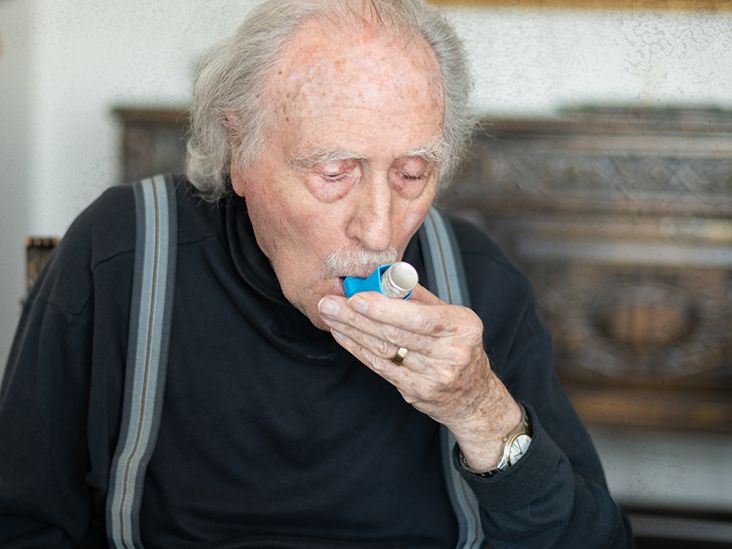
Stage 4 COPD sounds intimidating, and honestly, it is. Nobody hears “stage 4” and thinks, “Great, this will be a light afternoon read.” But understanding what this diagnosis means can make the road ahead less frightening and more manageable. Chronic obstructive pulmonary disease, or COPD, is a long-term lung disease that makes it harder to move air in and out of the lungs. It includes emphysema, chronic bronchitis, or a mix of both. In stage 4 COPD, airflow is severely limited, symptoms can affect nearly every part of daily life, and flare-ups may become more dangerous.
The good news is that “advanced” does not mean “nothing can be done.” Stage 4 COPD is serious, but treatment can still reduce breathlessness, prevent flare-ups, improve comfort, and help people stay as active and independent as possible. Think of COPD care like tuning a complicated old engine: you may not be replacing the engine, but the right maintenance can keep it running better, safer, and longer than expected.
This guide explains stage 4 COPD symptoms, treatment options, outlook, and real-life experience-based tips for patients and caregivers. It is not a substitute for medical care, but it can help you ask smarter questions at your next appointment and feel less like COPD handed you a manual written in fog.
What Is Stage 4 COPD?
Stage 4 COPD is often called very severe COPD or end-stage COPD. In the older GOLD staging system, stage 4 generally refers to a forced expiratory volume in one second, or FEV1, of less than 30% of the predicted value. FEV1 is measured during spirometry, a breathing test that shows how much air a person can forcefully exhale in one second. Some people may also be considered very severe if their FEV1 is below 50% and they have chronic respiratory failure.
However, modern COPD assessment does not rely on spirometry alone. Doctors also consider symptoms, oxygen levels, frequency of COPD exacerbations, hospitalizations, activity limits, imaging results, and other conditions such as heart disease, anxiety, sleep apnea, osteoporosis, or malnutrition. Two people can have the same FEV1 and very different daily lives. One may walk slowly with oxygen and still enjoy errands; another may struggle to cross the room. COPD is annoyingly personal that way.
Common Stage 4 COPD Symptoms
Symptoms of stage 4 COPD are usually more intense and more persistent than earlier stages. Shortness of breath is the headline symptom, but it rarely travels alone. Many people also deal with cough, mucus, fatigue, anxiety, sleep problems, appetite changes, and reduced stamina.
Severe Shortness of Breath
Breathlessness may occur during small activities such as showering, dressing, walking to the kitchen, or talking for a long time. Some people feel short of breath even while resting. This happens because damaged airways, trapped air, mucus, inflammation, and weakened breathing muscles make each breath require more effort. The body is doing basic breathing math, but the calculator is running on low battery.
Chronic Cough and Mucus
People with chronic bronchitis often cough up mucus on many days. Mucus may be clear, white, yellowish, or greenish. A sudden change in mucus color, amount, thickness, or smell can be a warning sign of infection or a COPD flare-up. Coughing can also interrupt sleep, increase chest soreness, and make social situations awkward. Nothing ruins a quiet waiting room faster than lungs trying to perform percussion.
Wheezing and Chest Tightness
Wheezing is a whistling or squeaky sound during breathing. Chest tightness may feel like a belt around the ribs or a heavy weight on the chest. These symptoms can worsen during infections, cold air exposure, smoke exposure, strong odors, high humidity, or after overexertion.
Low Oxygen Levels
In advanced COPD, oxygen levels may drop during activity, sleep, or even at rest. Signs can include confusion, morning headaches, bluish or grayish lips or fingernails, rapid heartbeat, extreme fatigue, or swelling in the ankles and legs. Low oxygen should be evaluated by a healthcare professional, usually with pulse oximetry, an arterial blood gas test, exercise testing, or sleep testing.
Fatigue, Weakness, and Weight Changes
Breathing with stage 4 COPD can burn a surprising amount of energy. Some people lose weight and muscle because eating feels tiring, appetite drops, or the body is working harder just to breathe. Others gain weight because activity becomes difficult. Both can worsen breathing. A nutrition plan is not glamorous, but neither is trying to chew dinner while your lungs are demanding a board meeting.
Frequent COPD Flare-Ups
A COPD flare-up, also called an exacerbation, is a sudden worsening of symptoms. It may involve more breathlessness, coughing, wheezing, mucus, anxiety, poor sleep, or difficulty doing daily activities. Flare-ups may be triggered by colds, flu, bacterial infections, smoke, air pollution, weather changes, stress, or overexertion. Severe flare-ups can require urgent care or hospitalization.
When to Seek Emergency Help
People with stage 4 COPD should have a written action plan from their healthcare provider. Emergency warning signs include severe shortness of breath that does not improve with rescue medication, blue or gray lips, confusion, fainting, chest pain, coughing up blood, high fever, extreme drowsiness, or oxygen levels lower than the range recommended by the doctor. When breathing becomes frighteningly difficult, it is not the time to “wait and see.” Lungs are not a customer service line; they do not appreciate being placed on hold.
How Stage 4 COPD Is Diagnosed and Monitored
Diagnosis and monitoring often include spirometry, symptom questionnaires, pulse oximetry, arterial blood gas testing, chest X-ray, CT scan, exercise testing, and lab work. Doctors may also check for alpha-1 antitrypsin deficiency, a genetic condition that can contribute to COPD, especially in people diagnosed at a younger age or with limited smoking history.
Monitoring matters because treatment should change as symptoms, oxygen needs, flare-up patterns, and daily function change. Stage 4 COPD care is not “set it and forget it.” It is more like adjusting the thermostat in a house with dramatic weather.
Stage 4 COPD Treatment Options
There is no cure for COPD, and lung damage usually cannot be reversed. Still, treatment can improve symptoms, reduce flare-ups, support oxygen levels, improve exercise tolerance, and enhance quality of life. A strong treatment plan is usually personalized and may include inhalers, nebulized medications, pulmonary rehabilitation, oxygen therapy, noninvasive ventilation, vaccines, nutrition support, surgery for selected patients, and palliative care.
Quitting Smoking and Avoiding Lung Irritants
For anyone who smokes, quitting is the most important step. Even in stage 4 COPD, stopping smoking can slow further damage and may help medications work better. Avoiding secondhand smoke, vaping aerosols, dust, chemical fumes, wood smoke, and outdoor air pollution can also reduce irritation. This is not about blaming patients; it is about protecting the lung function that remains like it is the last slice of cake at a family party.
Bronchodilators
Bronchodilators relax muscles around the airways, helping them open wider. Short-acting bronchodilators may be used as rescue medicine during sudden breathlessness. Long-acting bronchodilators are often used daily to help control symptoms. These may include long-acting beta agonists, long-acting muscarinic antagonists, or a combination of both.
Inhaled Corticosteroids and Combination Therapy
Some people with severe COPD and frequent flare-ups may benefit from inhaled corticosteroids combined with long-acting bronchodilators. Steroids reduce airway inflammation but can have side effects, including increased pneumonia risk in some patients. The decision depends on flare-up history, blood eosinophil levels, other conditions, and past response to medication.
Newer Maintenance Medicines
In 2024, the FDA approved ensifentrine, sold as Ohtuvayre, as a maintenance treatment for COPD in adults. It is an inhaled medication delivered by nebulizer and has bronchodilator and nonsteroidal anti-inflammatory effects. It is not a rescue medicine for sudden breathing attacks, but it may be part of a maintenance plan for selected patients with moderate to severe COPD.
Antibiotics and Steroids for Flare-Ups
During certain flare-ups, doctors may prescribe oral corticosteroids, antibiotics, or both. Antibiotics are not needed for every flare-up, especially if a virus or noninfectious trigger is suspected. A COPD action plan should explain when to call the doctor, when to start prescribed rescue medicines, and when to seek emergency care.
Oxygen Therapy for Stage 4 COPD
Supplemental oxygen may be recommended when blood oxygen levels are too low. Some people need oxygen only during exertion or sleep, while others need it for many hours a day. Long-term oxygen therapy can improve survival in people with severe resting hypoxemia. It may also improve symptoms, sleep, exercise tolerance, and organ function when prescribed appropriately.
Oxygen must be used safely. Smoking around oxygen is extremely dangerous because oxygen supports fire. Patients should also understand equipment options, portable concentrators, tubing safety, skin comfort, travel planning, and backup plans during power outages. Oxygen tubing has a sneaky talent for catching on furniture legs, so home safety adjustments matter.
Pulmonary Rehabilitation: A Big Deal, Not a Side Quest
Pulmonary rehabilitation is one of the most useful treatments for people with COPD, including many with advanced disease. Programs usually combine supervised exercise, breathing techniques, medication education, nutrition counseling, emotional support, and energy-conservation strategies. The goal is not to turn someone into a marathon runner. The goal may be walking to the mailbox, showering with less panic, or climbing three steps without feeling like Mount Everest filed a surprise visit.
Even people with advanced lung disease may benefit from pulmonary rehab. It can improve confidence, reduce symptoms, support daily function, and help patients understand how to pace themselves. Some programs are hospital-based, some are outpatient, and some may be virtual or home-based.
Noninvasive Ventilation and Breathing Support
Some people with advanced COPD develop chronic hypercapnia, meaning carbon dioxide levels stay too high. For selected patients, noninvasive ventilation may help support breathing, especially at night. This usually involves a mask connected to a machine that assists breathing pressure. It is not right for everyone, but for some patients it may reduce hospitalizations and improve symptoms.
Surgery and Advanced Procedures
For carefully selected patients, advanced procedures may be considered. Lung volume reduction surgery removes damaged, overinflated lung tissue so healthier areas can work better. Endobronchial valves are tiny one-way valves placed through a bronchoscope to reduce trapped air in damaged parts of the lung. Bullectomy removes large air spaces called bullae that interfere with breathing. Lung transplant may be considered for certain people with severe COPD who meet strict criteria.
These options are not quick fixes and are not appropriate for everyone. They require detailed evaluation by specialists, and benefits must be weighed against risks. Still, they can be life-changing for a small group of patients.
Palliative Care and Comfort-Focused Support
Palliative care is often misunderstood. It does not mean “giving up.” It means treating symptoms, stress, emotional strain, and quality-of-life concerns alongside regular medical care. For stage 4 COPD, palliative care can help with breathlessness, anxiety, sleep problems, decision-making, caregiver support, and advance care planning.
Hospice care is different from palliative care. Hospice may be appropriate when COPD is very advanced and the focus shifts mainly to comfort rather than life-prolonging treatment. Having these conversations early can feel uncomfortable, but it gives patients more control. Planning ahead is not pessimism; it is leadership.
Outlook for Stage 4 COPD
The outlook for stage 4 COPD varies widely. Some people live for years with careful treatment, oxygen therapy, pulmonary rehabilitation, and strong support. Others decline more quickly because of frequent flare-ups, low oxygen, high carbon dioxide, heart strain, infections, frailty, or other illnesses. Age, smoking status, nutrition, physical activity, hospitalization history, and treatment response all matter.
Instead of focusing only on life expectancy, many healthcare teams focus on goals: fewer hospital visits, better symptom control, safer activity, improved sleep, emotional support, and meaningful time with loved ones. Numbers can guide decisions, but they do not tell the whole story. A person is not a spirometry result wearing shoes.
Daily Management Tips for Living With Stage 4 COPD
Use Energy Like a Budget
Energy conservation is essential. Sit while showering, use a rolling cart for household tasks, keep frequently used items at waist height, rest before becoming exhausted, and break activities into smaller steps. The goal is to spend energy on what matters instead of donating it all to laundry.
Practice Breathing Techniques
Pursed-lip breathing can help slow breathing and release trapped air. A simple method is to inhale through the nose for about two counts, then exhale slowly through pursed lips for four counts. Diaphragmatic breathing may also help some people, especially when taught by a respiratory therapist.
Eat Smaller, Smarter Meals
Large meals can press on the diaphragm and make breathing harder. Smaller meals with enough protein, healthy fats, fiber, and fluids may be easier. Some people need high-calorie nutrition; others need weight management. A dietitian familiar with COPD can help tailor the plan.
Stay Vaccinated
Respiratory infections can be serious for people with COPD. Patients should ask their healthcare provider about flu, COVID-19, pneumococcal, RSV, and other recommended vaccines. Prevention may not sound exciting, but neither does a hospital bed with bad television.
Build a Flare-Up Plan
A written action plan should include baseline symptoms, warning signs, medication instructions, oxygen instructions, emergency contacts, and when to seek urgent help. Caregivers should know the plan too. During a flare-up, nobody wants to hunt for instructions under a stack of grocery coupons.
Experience-Based Insights: What Stage 4 COPD Can Feel Like Day to Day
Living with stage 4 COPD often teaches people to think differently about time, space, effort, and independence. A simple morning routine can become a carefully choreographed event. Getting out of bed, using the bathroom, washing up, choosing clothes, taking inhalers, checking oxygen tubing, and making breakfast may require planning that healthy people never notice. The experience can be frustrating because the mind may want to move quickly while the lungs insist on a slower schedule.
Many patients describe breathlessness as more than “being winded.” It can feel like trying to breathe through a narrow straw after climbing stairs, except the stairs might be imaginary and the straw did not ask permission. This sensation can trigger anxiety, and anxiety can worsen breathing. That loop is common. Learning breathing techniques, using prescribed rescue medication correctly, sitting upright, relaxing the shoulders, and having a clear plan can reduce panic. Emotional support is not a luxury in advanced COPD; it is part of care.
Caregivers often experience their own learning curve. They may need to recognize subtle changes: a cough that sounds wetter, a person eating less, more naps than usual, confusion, swelling ankles, or a sudden drop in walking distance. These changes may signal a flare-up or low oxygen. At the same time, caregivers must avoid turning every cough into a five-alarm medical drama. The best approach is observation plus a written action plan. Calm attention beats frantic guessing.
Home setup can make a big difference. A shower chair, handheld showerhead, bedside table, raised toilet seat, portable fan, lightweight clothing, easy-open food containers, and clutter-free walking paths can reduce effort. Oxygen tubing should be arranged to prevent tripping. Chairs placed in strategic spots can create “breathing stations” around the home. These adjustments may look small, but they can protect independence and dignity.
Social life may also change. People with stage 4 COPD may avoid restaurants, family gatherings, travel, or worship services because of fatigue, infection risk, oxygen logistics, or embarrassment about coughing. Loved ones can help by choosing smoke-free spaces, allowing flexible timing, avoiding strong perfumes, and understanding that leaving early is not rude. It is respiratory strategy.
One of the hardest experiences is accepting help without feeling defeated. Needing oxygen, a wheelchair for longer distances, grocery delivery, or help with chores does not mean a person has “failed.” It means the body has changed, and smart tools are being used. Glasses help eyes. Canes help balance. Oxygen helps lungs. None of these devices reduce a person’s worth.
Patients often do best when they focus on achievable wins: fewer flare-ups, better sleep, a short daily walk, finishing pulmonary rehab, eating enough protein, calling the doctor earlier, or enjoying a visit without overdoing it. Stage 4 COPD narrows some choices, but it does not erase all choices. With the right treatment plan, practical support, and honest conversations, many people can still create meaningful routines, protect comfort, and find moments of humor. Sometimes the victory is not climbing the mountain. Sometimes it is making tea, breathing steadily, and enjoying the view from the chair.
Conclusion
Stage 4 COPD is a serious stage of chronic obstructive pulmonary disease marked by severe airflow limitation, significant breathlessness, higher flare-up risk, and possible oxygen problems. But serious does not mean hopeless. Treatment may include bronchodilators, inhaled corticosteroids, newer maintenance medicines, oxygen therapy, pulmonary rehabilitation, vaccines, nutrition support, breathing techniques, noninvasive ventilation, advanced procedures, and palliative care. The best plan is personalized, regularly reviewed, and built around both medical goals and real-life goals.
If you or someone you love has stage 4 COPD, the most useful next step is not panic. It is partnership: work closely with a pulmonologist or healthcare team, create a flare-up plan, ask about pulmonary rehab, review oxygen needs, and discuss comfort-focused support early. COPD may change the rhythm of life, but with the right care, that rhythm can still hold purpose, connection, and even a little laughter.