Note: This article is for informational purposes only and is not a substitute for medical advice. Pregnant readers should talk with an OB-GYN, midwife, dentist, or qualified healthcare provider before using medicines, supplements, or new remedies.
Pregnancy has a talent for introducing surprise symptoms that nobody put on the cute baby-shower banner. Nausea? Expected. Cravings? Classic. Crying because a commercial showed a puppy? Understandable. But constant saliva and spitting during pregnancy? That one can feel like your mouth has secretly opened a small, overachieving fountain.
Excessive saliva during pregnancy is often called ptyalism gravidarum. It may show up in early pregnancy, especially when nausea, vomiting, heartburn, or a strong metallic taste are also hanging around like uninvited guests. Some pregnant people feel as if they need to spit every few minutes. Others notice thick saliva, drooling at night, or a gaggy feeling when trying to swallow.
The good news: for many people, pregnancy-related spitting improves as nausea settles, often later in the first trimester or during the second trimester. The less-good-but-still-manageable news: there is no magic “off switch” for saliva. The best approach is to reduce triggers, keep your mouth comfortable, stay hydrated, and get medical help when symptoms are severe.
Below are three easy, practical ways to prevent or reduce spitting during pregnancywithout turning your purse into a mobile dental clinic. Well, mostly.
What Causes Spitting During Pregnancy?
Before we get into solutions, it helps to understand what may be happening. Saliva is not the villain. In fact, saliva protects your teeth, helps with swallowing, supports digestion, and keeps your mouth from feeling like a desert with Wi-Fi. During pregnancy, however, several changes can make saliva feel excessive or harder to swallow.
Hormonal changes
Pregnancy hormones can affect digestion, taste, smell, and nausea sensitivity. While experts do not always know the exact reason ptyalism happens, hormonal shifts are commonly considered one possible contributor. Many pregnant people notice extra saliva during the same weeks when morning sickness is strongest.
Nausea and vomiting
Nausea can make saliva harder to swallow. Even if your body is producing a normal amount, your brain may say, “Absolutely not, we are not swallowing that.” This can create the feeling of endless saliva. Spitting may become a coping habit because swallowing triggers gagging.
Heartburn and acid reflux
Pregnancy can slow digestion and relax the valve between the stomach and esophagus. That can lead to reflux or heartburn. When acid irritates the throat or mouth, the body may produce more saliva as a protective response. Translation: your mouth is trying to be helpful, but it has the subtlety of a marching band.
Metallic taste or food aversions
A bitter, sour, or metallic taste in the mouth can make saliva feel unpleasant. Strong smells, certain foods, toothpaste flavors, or prenatal vitamins may also trigger gagging and increase the urge to spit.
Way 1: Control Nausea Triggers Before Saliva Takes Over
The first way to prevent spitting during pregnancy is to manage nausea early and often. Excess saliva and nausea are closely connected for many pregnant people. When nausea calms down, the urge to spit often becomes easier to control.
Eat small, frequent meals
An empty stomach can make nausea worse. A too-full stomach can also make nausea worse. Pregnancy, apparently, enjoys narrow negotiation terms. Try eating small meals or snacks every two to three hours instead of relying on three large meals.
Gentle options may include:
- Plain crackers or toast
- Bananas or applesauce
- Rice, oatmeal, or potatoes
- Small portions of lean protein
- Cold fruit, if tolerated
Keep a small snack by the bed if morning nausea hits before your feet touch the floor. A few bites before standing up may help reduce the wave of nausea that turns saliva into a full-time job.
Avoid strong smells and personal trigger foods
Pregnancy smell sensitivity can be dramatic. The refrigerator may suddenly smell like a science experiment wearing perfume. If certain foods, soaps, perfumes, or cooking odors trigger nausea and spitting, reduce exposure when possible.
Try cold foods instead of hot meals, because cold foods usually release less smell. Smoothies, yogurt, chilled fruit, sandwiches, or pasta salad may be easier than a steaming plate of something that announces itself from across the room.
Try ginger or vitamin B6 only with provider guidance
Ginger products and vitamin B6 are commonly used for pregnancy nausea, but every pregnancy is different. Ask your healthcare provider before taking supplements, especially if you have medical conditions, take medications, or have severe vomiting. A provider may also recommend pregnancy-safe nausea treatments when home care is not enough.
Adjust prenatal vitamin timing
Prenatal vitamins can sometimes worsen nausea, especially if taken on an empty stomach. If your prenatal vitamin makes your mouth water in the worst possible way, ask your provider whether you can take it with food, before bed, or switch to a different formula.
Way 2: Keep Your Mouth Busy, Fresh, and Hydrated
The second way to reduce spitting during pregnancy is to manage the mouth environment. You may not be able to stop saliva completely, but you can make it less irritating, less thick, and less gag-inducing.
Sip fluids throughout the day
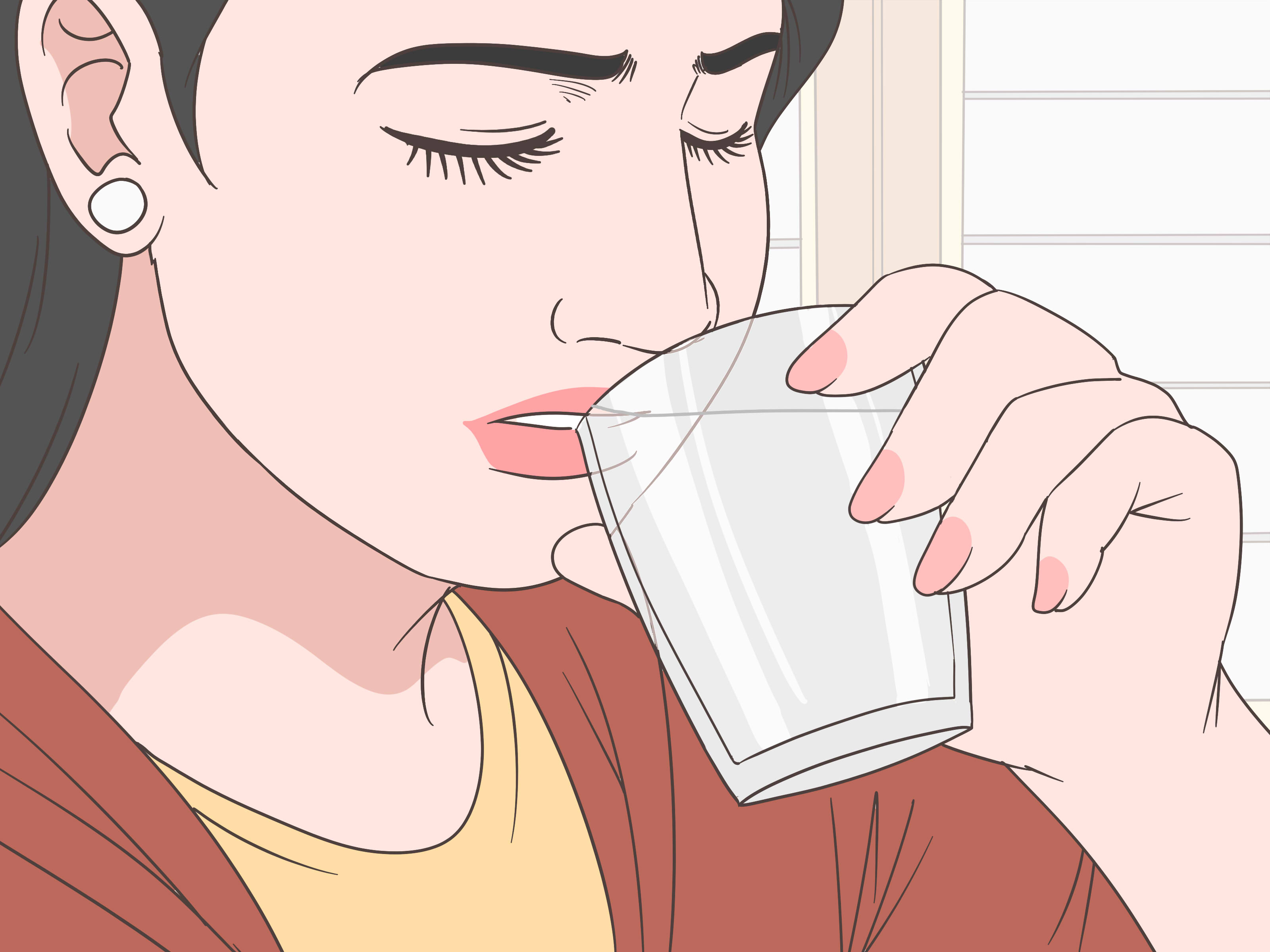
Dehydration can make saliva thicker and more uncomfortable. Small, frequent sips may work better than large glasses of water, especially if your stomach is sensitive. Cold water, ice chips, diluted juice, or water with a squeeze of lemon may help some people. For others, citrus makes reflux worse, so listen to your body.
If plain water tastes unpleasant, try:
- Ice water through a straw
- Water infused with cucumber or mint
- Electrolyte drinks approved by your provider
- Small sips of ginger tea
- Frozen fruit pops made from safe ingredients
The goal is not to chug like you are training for a water-drinking championship. The goal is steady hydration that keeps your mouth and throat more comfortable.
Use sugar-free gum or hard candy
Sugar-free gum or hard candy can help some pregnant people swallow more naturally and distract from the sensation of saliva building up. Mint, lemon, ginger, or mild fruit flavors may be useful, depending on what your stomach allows.
Choose sugar-free options when possible to protect your teeth. Constant candy plus pregnancy cravings can be a sneaky cavity party, and nobody invited the dentist to that celebration.
Switch toothpaste if brushing triggers gagging
Toothpaste flavor can become a pregnancy enemy overnight. If mint toothpaste makes you gag, try a milder flavor, a smaller amount, or brushing at a time of day when nausea is lower. Use a soft-bristled toothbrush and gentle motions.
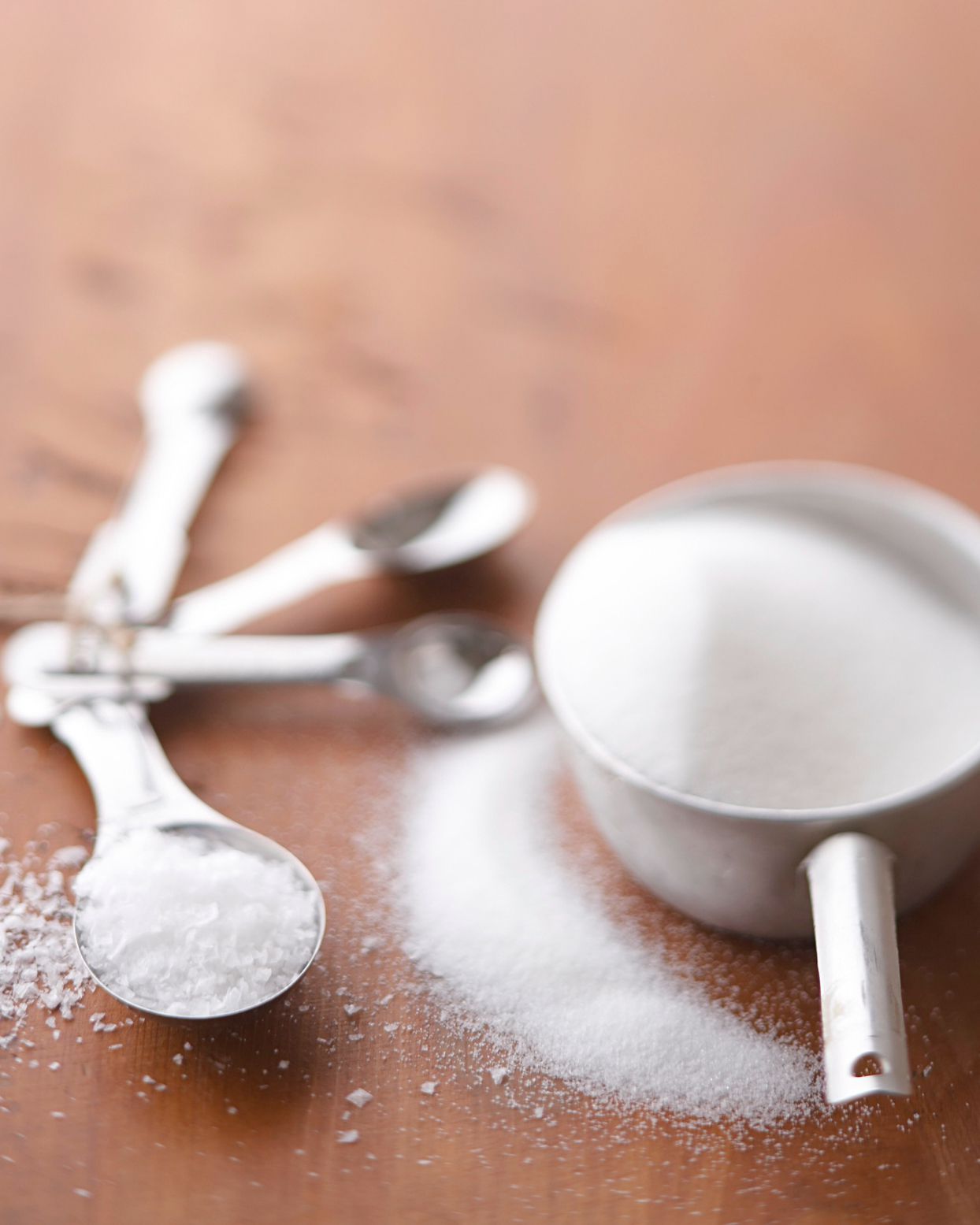
If you vomit, avoid brushing immediately afterward. Stomach acid can temporarily soften enamel. Instead, rinse your mouth with water or a baking-soda rinse, then wait before brushing. A common rinse is one cup of water mixed with one teaspoon of baking soda. Ask your dentist or provider if you are unsure what is right for you.
Keep a discreet spitting plan
Sometimes prevention is not perfect, and that is okay. Carry tissues, a small lined cup, or an opaque bottle when you leave home. It may feel awkward at first, but planning ahead can reduce anxiety. You are not being dramatic; you are managing a real symptom while building a human. That is not a small Tuesday.
Way 3: Reduce Reflux and Know When to Call Your Provider
The third way to prevent spitting during pregnancy is to address reflux, heartburn, and warning signs. If your saliva increases after meals, when lying down, or when you feel burning in your chest or throat, reflux may be part of the problem.
Eat slowly and stay upright after meals
Eating quickly can overload the stomach and worsen reflux. Try smaller meals, slower bites, and a short upright rest after eating. Avoid lying flat right after meals. If nighttime reflux triggers saliva, ask your provider whether elevating your head and upper body is appropriate.
Limit foods that worsen heartburn
Common reflux triggers include spicy foods, greasy meals, chocolate, peppermint, acidic foods, carbonated drinks, and large meals close to bedtime. Not everyone reacts to the same foods, so keep a simple symptom note on your phone. Write down what you ate, when spitting got worse, and whether nausea or heartburn showed up too.
Ask before using antacids or medications
Some heartburn treatments are commonly used during pregnancy, but you should ask your healthcare provider before taking any medicine, including over-the-counter products. This is especially important if you have high blood pressure, kidney concerns, severe vomiting, or other medical conditions.
Call your provider if symptoms are severe
Contact your OB-GYN, midwife, or healthcare provider if you cannot keep fluids down, are losing weight, feel dizzy, urinate very little, have dark urine, vomit repeatedly, see blood in vomit, have severe abdominal pain, or feel signs of dehydration. Excessive spitting itself is usually not dangerous, but dehydration and severe nausea can become serious.
You should also mention excessive saliva at prenatal visits, especially if it affects sleep, eating, speaking, work, school, or daily life. You do not have to wait until you are miserable enough to name your spit cup. Early support matters.
Extra Tips to Reduce Excessive Saliva During Pregnancy
Try bland, dry snacks
Dry snacks such as crackers, pretzels, rice cakes, or toast may absorb saliva and reduce nausea for some people. Keep portions small and pair with sips of water so your mouth does not become too dry.
Choose cold or mild foods
Cold foods often smell less intense than hot foods. If cooking odors make symptoms worse, choose simple cold meals when needed. A balanced pregnancy diet is important, but survival meals are sometimes part of the first trimester experience. A meal does not have to be gourmet to count.
Practice gentle swallowing
If swallowing saliva makes you gag, try taking a tiny sip of water first, then swallowing. Some people find that chewing gum helps them swallow without thinking about it. Others do better with ice chips. Experiment gently and avoid forcing anything that makes nausea worse.
Protect your teeth
Pregnancy nausea, vomiting, extra snacking, and acidic tastes can affect oral health. Brush twice daily if you can, floss gently, rinse after vomiting, and keep dental appointments. Dental care is considered important during pregnancy, and dentists can help with bleeding gums, enamel concerns, or mouth discomfort.
Common Myths About Spitting During Pregnancy
Myth 1: Excess saliva means something is wrong with the baby
In most cases, ptyalism is uncomfortable for the pregnant person but not a sign that the baby is in danger. However, severe vomiting, dehydration, or inability to eat and drink should be evaluated by a healthcare provider.
Myth 2: You can cure it instantly
Unfortunately, there is no guaranteed instant cure. The most realistic goal is symptom control. Reducing nausea, reflux, dehydration, and mouth irritation can make spitting less frequent and easier to manage.
Myth 3: You should just swallow it
That advice usually comes from people who are not currently gagging into a napkin. If swallowing triggers nausea, forcing it may make you feel worse. It is okay to use practical coping tools while working on the underlying triggers.
of Real-Life Experience: What It Feels Like and What Helps
For many pregnant people, excessive spitting is not just a tiny inconvenience. It can affect conversations, sleep, work, eating, intimacy, and confidence. Imagine trying to answer a simple question like “How are you feeling?” while your mouth is filling with saliva like it is preparing for a swimming competition. Suddenly, small talk becomes an Olympic sport.
A common experience is that spitting feels worst in the morning or whenever nausea peaks. Some people wake up with pooled saliva and immediately need tissues or a cup nearby. Others feel fine until they smell coffee, toothpaste, fried food, perfume, or the inside of the refrigerator. Then the saliva rush begins, followed by gagging, throat clearing, or the need to spit repeatedly.
One practical strategy is building a “saliva survival kit.” It does not need to be fancy. A small pouch with sugar-free gum, mild hard candy, tissues, a water bottle, crackers, and a discreet disposable bag can make outings less stressful. At home, keeping a lined cup or covered container nearby may feel embarrassing at first, but comfort beats pretending everything is fine while sprinting to the bathroom every five minutes.
Another experience many people report is that the symptom feels isolating. Pregnancy apps talk about glowing skin and cute bump photos, but not everyone feels glowing when they are carrying a spit bottle from room to room. If this is you, remember that unusual does not mean shameful. Pregnancy can be beautiful and deeply weird at the same time. Two things can be true. You can love your baby and still be annoyed that your mouth has turned into a tiny weather system.
Food routines often become trial and error. One person may find relief from cold grapes and ice water. Another may gag at fruit but tolerate toast and peanut butter. Someone else may need plain rice, soup, or small protein snacks. Keep notes for a few days. Patterns are useful. If saliva is worse after spicy food, late-night meals, or lying down, reflux may be part of the story. If it is worse when hungry, frequent snacks may help.
Brushing teeth can become surprisingly difficult. Switching to a smaller toothbrush, using less toothpaste, brushing slowly, or brushing at a different time of day can help. If mint is the enemy, a mild flavor may be your new best friend. Rinsing after vomiting or after heavy spitting can also make the mouth feel cleaner.
Emotionally, give yourself permission to be practical, not perfect. You may need to excuse yourself during conversations, carry supplies, or tell a trusted person what is happening. A simple line like “Pregnancy is making me produce extra saliva, so I may need to step away for a second” can remove pressure. Most decent people will understand. Anyone who does not can go argue with a prenatal vitamin.
The most helpful mindset is this: manage the symptom, protect hydration, and ask for support early. Excessive saliva during pregnancy is frustrating, but it is also manageable for many people with small daily adjustments. You are not gross. You are not failing. You are pregnant, uncomfortable, and doing your bestand that counts more than any perfectly filtered pregnancy photo ever will.
Conclusion
Spitting during pregnancy can be annoying, awkward, and surprisingly exhausting, but it is usually manageable. The three easiest ways to reduce it are to calm nausea triggers, keep your mouth hydrated and comfortable, and address reflux or severe symptoms with professional guidance. Small habitslike sipping cold water, eating frequent snacks, chewing sugar-free gum, switching toothpaste, and staying upright after mealscan make a real difference.
If excessive saliva comes with severe vomiting, dehydration, weight loss, dizziness, or trouble keeping fluids down, contact your healthcare provider. Pregnancy may come with strange symptoms, but you do not have to suffer through them silently. Your comfort matters, your hydration matters, and yes, your relationship with your saliva matters too.