Sugar looks innocent. It sparkles politely in the canister, behaves nicely in coffee, and makes cookies taste like the universe is giving you a tiny hug. But when a recipe asks for one cup of sugar, that simple instruction can secretly mean different things depending on whether you are measuring granulated sugar, brown sugar, powdered sugar, raw sugar, or a sticky sweetener like honey or molasses.
So, how do you measure sugar correctly? The best answer is: use a kitchen scale when precision matters, and use the right measuring method when measuring by volume. Granulated sugar is usually scooped into a dry measuring cup and leveled. Brown sugar is usually packed. Powdered sugar may need to be sifted depending on how the recipe is written. Liquid sweeteners should be measured with liquid tools or weighed for best accuracy.
That might sound like a lot for something as small as sugar, but in baking, small things have big personalities. Too much sugar can make cookies spread, cakes sink, frosting turn gritty, and sauces become too sweet. Too little sugar can leave baked goods dry, pale, or bland. In everyday eating, measuring sugar also helps you understand added sugar, nutrition labels, and portion sizes without needing a calculator, a lab coat, or a dramatic cooking-show soundtrack.
Why Measuring Sugar Correctly Matters
Sugar does more than make food sweet. In baking, it affects structure, moisture, color, tenderness, spread, browning, and shelf life. It helps cookies crisp at the edges, cakes stay moist, and muffins develop that golden top everyone secretly wants to peel off first.
When sugar is measured incorrectly, a recipe can shift from “bakery-worthy” to “what happened here?” in one mixing bowl. A little extra sugar may not ruin a casual bowl of oatmeal, but it can change a batch of sugar cookies. Too much sugar attracts moisture, weakens structure, and encourages spreading. Too little sugar can make cakes dry, muffins less tender, and cookies less flavorful.
Correct sugar measurement also matters beyond baking. If you are tracking added sugar for health reasons, reading Nutrition Facts labels, adjusting a recipe for kids, or reducing sweetness in homemade drinks, knowing what a teaspoon or gram of sugar really means gives you more control. You do not have to fear sugar. You just have to stop letting it run the kitchen like a tiny, glittery boss.
The Best Way to Measure Sugar: Use a Kitchen Scale
If accuracy is the goal, a digital kitchen scale is the winner. Measuring by weight removes many of the variables that come with measuring cups. A cup can be packed loosely, scooped aggressively, shaken, leveled badly, or filled while your dog is barking at absolutely nothing. A gram is a gram. It does not care about chaos.
For common baking conversions, one cup of granulated white sugar is often listed around 198 to 200 grams. One packed cup of brown sugar is commonly around 213 grams, though some conversion charts list it slightly higher. One cup of powdered sugar is lighter and can vary depending on whether it is sifted or unsifted. This is why recipe writers who care deeply about precision often include grams.
How to Measure Sugar with a Scale
- Place your mixing bowl or measuring container on the scale.
- Press the tare or zero button so the scale ignores the container weight.
- Add sugar until you reach the number of grams listed in the recipe.
- Tare again before adding the next ingredient if you are measuring directly into the same bowl.
This method is fast, clean, and especially helpful when scaling a recipe up or down. It also means fewer measuring cups to wash, which is basically a small domestic miracle.
How to Measure Granulated Sugar
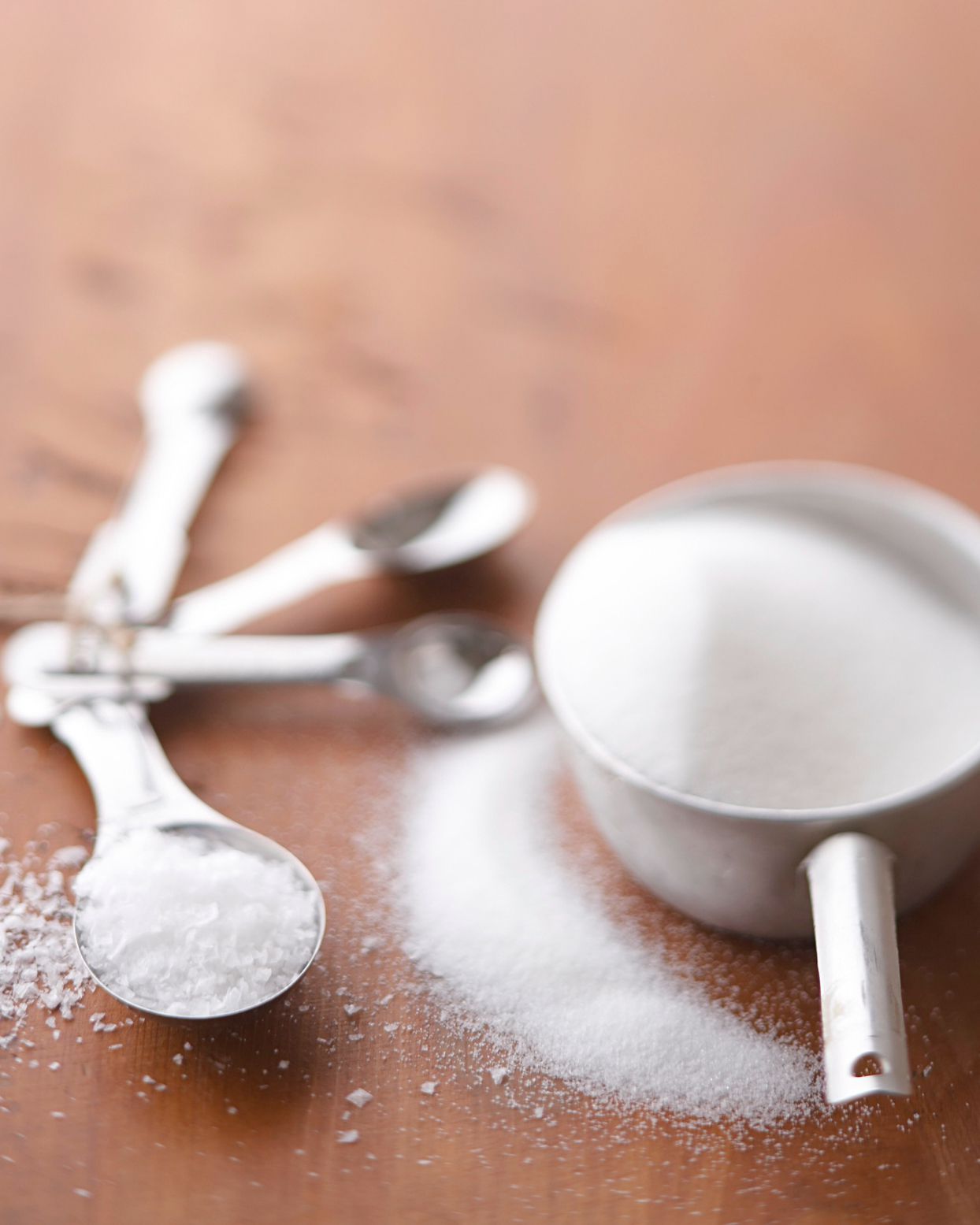
Granulated sugar is the standard white sugar used in cookies, cakes, quick breads, coffee, and many sauces. Because its crystals are dense and flow easily, it is easier to measure accurately than flour. You do not usually need the spoon-and-level method used for flour.
Correct Method for Granulated Sugar
- Use a dry measuring cup, not a liquid measuring cup.
- Scoop the sugar directly from the container or bag.
- Fill the cup until it is slightly overflowing.
- Level it with the straight edge of a knife or spatula.
Do not shake the cup to settle the sugar. Do not press it down. Do not build a sugar mountain and call it “close enough.” A level cup is the goal. For small amounts, use measuring spoons and level them the same way.
Granulated sugar is forgiving in some recipes, but it still deserves respect. In lemonade, an extra teaspoon may simply make things sweeter. In caramel, cookies, or sponge cake, extra sugar can change texture and timing.
How to Measure Brown Sugar
Brown sugar is granulated sugar with molasses added back in, which makes it moist, sticky, and slightly dramatic. Because it holds air pockets and clumps, it is usually measured differently from white sugar.
Correct Method for Brown Sugar
- Use a dry measuring cup or spoon.
- Scoop brown sugar into the cup.
- Press it firmly with the back of a spoon or your fingers.
- Add more and press again until the cup is full.
- Level the top with a straight edge.
When brown sugar is correctly packed, it should hold the shape of the measuring cup when turned out. Think of a tiny sandcastle, but tastier and less likely to end up in your shoes.
Most recipes assume brown sugar is packed unless they say otherwise. If a recipe says “lightly packed,” press gently. If it says “loosely packed,” do not compact it aggressively. If it simply says “1 cup brown sugar,” packed is the standard approach in American baking.
Light Brown Sugar vs. Dark Brown Sugar
Light brown sugar has less molasses and a milder flavor. Dark brown sugar has more molasses, deeper color, and a stronger caramel note. They can often be swapped, but the flavor and moisture may shift slightly. Dark brown sugar can make cookies chewier and sauces richer. Light brown sugar keeps flavors softer and more subtle.
How to Measure Powdered Sugar
Powdered sugar, also called confectioners’ sugar, is very fine and often contains a small amount of cornstarch to prevent clumping. It is fluffy, dusty, and fully committed to landing on your shirt. Because it compacts easily, the measuring method matters.
Read the Recipe Wording Carefully
The placement of the word “sifted” changes what you should do:
- “1 cup sifted powdered sugar” means sift first, then measure.
- “1 cup powdered sugar, sifted” means measure first, then sift.
This tiny comma difference can change the amount of sugar in your frosting or glaze. Yes, punctuation has entered the kitchen. No one is safe.
Correct Method for Powdered Sugar
- Fluff the powdered sugar if it is compacted.
- Spoon it lightly into a dry measuring cup unless your recipe says to pack it.
- Level it with a knife.
- Sift if needed for smooth frosting, glaze, dusting, or delicate batters.
Never pack powdered sugar unless a recipe specifically says so. Packed powdered sugar can make frosting too sweet, too thick, and slightly gritty. If buttercream suddenly tastes like a sugar cube wearing a butter jacket, overmeasured powdered sugar may be the culprit.
How to Measure Raw Sugar, Turbinado Sugar, and Sanding Sugar
Raw sugar and turbinado sugar have larger crystals than granulated sugar. Sanding sugar and sparkling sugar are often used for decorating. These sugars do not pack the same way as brown sugar and should usually be measured like granulated sugar: scoop into a dry cup or spoon, then level.
Because the crystals are larger, a cup of coarse sugar may not weigh exactly the same as a cup of granulated sugar. For decorating, this usually does not matter much. For precise baking, follow the recipe or weigh the ingredient.
How to Measure Liquid Sweeteners
Honey, molasses, maple syrup, agave, and corn syrup are sweeteners, but they are not measured like dry sugar. They are sticky liquids, which means they cling to measuring cups with the determination of a toddler refusing bedtime.
Correct Method for Liquid Sweeteners
- Use a liquid measuring cup for larger amounts.
- Place the cup on a flat surface.
- Pour the sweetener to the correct line.
- Check the measurement at eye level.
- Scrape out the cup with a flexible spatula.
For smaller amounts, use measuring spoons. A handy trick is to lightly coat the spoon or cup with neutral oil or cooking spray before measuring honey or molasses. The sweetener slides out more easily, and you spend less time wrestling with syrup like it owes you money.
If your recipe gives grams, weighing liquid sweeteners is even better. Put the bowl on the scale, tare it, and pour directly into the bowl. Less mess. More accuracy. Fewer sticky fingerprints on the drawer handle.
Dry Measuring Cups vs. Liquid Measuring Cups
Dry and liquid measuring cups are not interchangeable tools, even though they both look like they are trying to be helpful. Dry measuring cups are designed to be filled to the top and leveled off. Liquid measuring cups have extra space above the measurement line so liquids can be poured without spilling.
When measuring sugar, use dry measuring cups for granulated sugar, brown sugar, powdered sugar, raw sugar, and other dry sweeteners. Use liquid measuring cups for honey, molasses, maple syrup, and other pourable sweeteners.
Using a liquid measuring cup for dry sugar makes leveling difficult. Using a dry measuring cup for liquid sweeteners invites spills, uneven fills, and the kind of countertop stickiness that attracts every crumb in the neighborhood.
Common Sugar Measuring Mistakes
1. Using the Wrong Cup
Dry sugar belongs in dry measuring cups. Liquid sweeteners belong in liquid measuring cups. When in doubt, weigh it.
2. Packing the Wrong Sugar
Brown sugar is usually packed. Granulated sugar and powdered sugar are not. Packing white sugar can add more than the recipe intended, while packing powdered sugar can throw off frosting and glaze texture.
3. Ignoring the Word “Sifted”
Powdered sugar can clump, and recipe wording matters. “Sifted powdered sugar” and “powdered sugar, sifted” do not always mean the same thing.
4. Measuring Over the Mixing Bowl
Measure sugar over the container, a piece of parchment, or the counternot directly over your batter. If too much falls in, you cannot politely ask it to leave.
5. Forgetting That Sugar Changes Texture
Too much sugar can make cookies spread and cakes weaken. Too little can make baked goods dry, pale, or less tender. Sugar is not just flavor; it is chemistry with a sweet tooth.
Quick Sugar Measurement Guide
| Type of Sugar | Best Measuring Method | Helpful Note |
|---|---|---|
| Granulated sugar | Scoop into dry cup and level | Do not pack or shake down |
| Brown sugar | Pack firmly, then level | Should hold cup shape when released |
| Powdered sugar | Spoon lightly, level, sift if needed | Check recipe wording carefully |
| Raw or turbinado sugar | Scoop and level | Coarser crystals may weigh differently |
| Honey or molasses | Use liquid cup or weigh | Lightly oil cup for easier release |
Measuring Sugar for Health and Nutrition
Measuring sugar is not only about cookies. It also helps you understand added sugar in drinks, snacks, sauces, cereals, and homemade recipes. Nutrition labels list total sugars and added sugars in grams. This matters because naturally occurring sugars in fruit and milk are different from sugars added during processing or preparation.
A useful kitchen reference is that one teaspoon of granulated sugar is a little over 4 grams. That means 12 grams of added sugar is roughly 3 teaspoons. A drink with 40 grams of added sugar contains close to 10 teaspoons. Suddenly, the label feels less abstract and more like a tiny sugar parade marching across your day.
Health organizations generally recommend limiting added sugar, not eliminating every sweet thing from life. The goal is awareness and balance. Measuring sugar can help you reduce sweetness gradually in coffee, tea, sauces, oatmeal, smoothies, and baked goods. Small reductions are often easier to maintain than dramatic changes that make everyone in the house suspicious of dessert.
Can You Reduce Sugar in Recipes?
Sometimes, yes. But be careful. In drinks, sauces, oatmeal, yogurt bowls, and fruit toppings, sugar can often be reduced to taste. In baking, sugar affects structure and texture, so cutting it too much may change the result.
For many home baking recipes, reducing sugar by 10 to 15 percent may still work, especially in muffins, quick breads, and some cakes. Cookies are more sensitive because sugar affects spread, chewiness, crispness, and browning. Candy, caramel, meringue, jam, and custards are even more technical. In those recipes, sugar is part of the engineering, not just the flavor department.
If you want to reduce sugar, make one change at a time. Write it down. Taste the result. If the texture suffers, restore some sugar or choose a recipe designed to be lower in sugar. Baking is science, but it is also memory. Your notes are the map back to success.
Real Kitchen Experiences: What Measuring Sugar Teaches You Over Time
The first lesson many home cooks learn is that “close enough” has a personality. Sometimes it is charming. Sometimes it produces cookies that merge into one giant cookie continent. Measuring sugar carefully teaches you where precision matters and where flexibility is welcome.
In everyday cooking, a casual spoonful of sugar in tomato sauce can soften acidity. A little sugar in a marinade can encourage browning. A teaspoon in salad dressing can balance vinegar. These situations are forgiving because you can taste and adjust. The measuring spoon is helpful, but your palate gets a vote.
Baking is different. A batch of brownies can tolerate small changes, but a delicate cake may not. Many bakers discover this after using a coffee mug as a measuring cup “just this once.” The cake comes out dense, the frosting is too sweet, and everyone politely says, “It’s good,” while cutting very small slices. That is when proper measuring cups suddenly look like kitchen superheroes.
One of the most useful experiences is switching from cups to grams. At first, a scale may feel fussy. Then you realize you can place one bowl on the scale, tare, add sugar, tare again, add flour, and keep going. No extra cups. No sugar trails across the counter. No wondering whether your packed brown sugar was packed like a snowball or barely tucked in for a nap. The scale turns baking into a calmer process.
Another practical lesson involves brown sugar. If it is hard as a brick, it will not pack evenly. Fresh brown sugar should be soft enough to press into the cup. If it has hardened, revive it before measuring by storing it with a brown sugar saver, a slice of bread, or a damp paper towel for a short period in a sealed container. Once softened, measure it properly. Do not attack the sugar brick with a spoon and pretend the chunks are normal. They are not. They know what they did.
Powdered sugar teaches patience. Anyone who has made frosting in a hurry knows the cloud. You pour too fast, turn on the mixer too high, and suddenly the kitchen looks like a winter storm sponsored by cupcakes. Measuring and sifting powdered sugar slowly gives smoother frosting and fewer countertop regrets. It also prevents lumps, which is especially important for glazes that need to look glossy and clean.
Measuring sugar also makes you a better recipe reader. You start noticing details: packed, sifted, heaping, scant, divided, plus more for sprinkling. Those words are not decoration. They tell you how the recipe was tested. Once you respect them, your results become more consistent.
Finally, measuring sugar correctly helps you become more confident. You stop blaming the oven for everything. You learn that a cookie spreading too much may be about sugar, butter temperature, or flour balance. You learn that a dry cake may not need more frosting; it may need better measuring. Over time, sugar stops being just a sweet ingredient and becomes a tool you understand.
Conclusion
So, how do you measure sugar correctly? Use a digital scale when accuracy matters most. For volume measuring, use dry measuring cups for dry sugars and liquid measuring cups for liquid sweeteners. Scoop and level granulated sugar. Pack brown sugar unless the recipe says otherwise. Spoon and level powdered sugar, and pay close attention to whether it should be sifted before or after measuring.
Correct sugar measurement improves flavor, texture, browning, moisture, and consistency. It also helps you understand added sugar in everyday eating. Whether you are baking birthday cupcakes, making barbecue sauce, sweetening coffee, or trying to reduce added sugar without turning life into a flavorless spreadsheet, accurate measuring gives you control.
Sugar may be sweet, but it is not simple. Measure it well, and your recipes will reward you with better cookies, smoother frosting, softer cakes, and fewer kitchen mysteries. That is a pretty good deal for something that fits in a spoon.