Some foods age like milk. Others age like a mysterious jar in the back of your pantry that seems to have survived three apartments, two diet phases, and at least one emotional spring cleaning. The good news? A few pantry staples really do have extremely long shelf lives when stored correctly. They may lose flavor, texture, or their good looks over time, but they do not spoil in the dramatic, fuzzy, “call the hazmat team” way that fresh foods do.
Before we crown anything immortal, let’s be clear: “never expire” usually means the food is naturally resistant to microbial growth because it is very dry, very salty, very sugary, very acidic, fermented, or sealed away from oxygen and moisture. That does not mean you can store it in a hot garage beside paint thinner and expect miracles. Even shelf-stable foods need decent manners: cool temperature, dry air, airtight containers, clean scoops, and protection from pests.
This guide breaks down 10 foods that neveror almost neverexpire, why they last so long, how to store them, and when to toss them anyway. Because yes, even pantry superheroes have weaknesses.
What Does “Never Expire” Actually Mean?
Food expiration language can be confusing. “Best by,” “best if used by,” and “use by” dates often refer to peak quality, not automatic danger. The exception is infant formula, where dates should be treated seriously. For many shelf-stable foods, the question is less “Will this suddenly become unsafe at midnight?” and more “Will this still taste, smell, pour, cook, or perform the way I want?”
The biggest enemies of long-term pantry food storage are moisture, heat, oxygen, light, insects, rodents, and contamination from dirty utensils. Store long-lasting foods in sealed containers, away from the stove, dishwasher, sink, sunny windows, basement dampness, and that one cabinet that feels like a sauna every time the oven runs.
1. Honey
Why honey lasts so long
Honey is the golden champion of long-lasting foods. Its low moisture, natural acidity, and high sugar concentration make it a very unfriendly place for most microbes. Properly stored honey can remain safe for years and years. If your honey turns cloudy, grainy, or solid, do not panic. It has probably crystallized, which is a normal changenot a spoilage announcement.
How to store honey
Keep honey tightly sealed at room temperature in a dry pantry. Avoid refrigeration, because cold temperatures speed up crystallization. If it crystallizes, place the closed jar in warm water and stir gently until it returns to a smoother texture. Do not boil it unless your goal is to make your honey taste tired and emotionally unavailable.
When to toss it
Discard honey if it has visible mold, fermented odor, foam, or obvious contamination. Honey is long-lasting, not magic. A wet spoon dipped into the jar repeatedly can introduce moisture and compromise quality.
2. Salt
Why salt lasts so long
Salt is one of humanity’s oldest preservation tools. It pulls moisture away from microbes, which makes growth difficult. Pure salt does not spoil under normal pantry conditions. It may clump, absorb odors, or become annoying to shake, but that is a storage problem, not a true expiration problem.
How to store salt
Keep salt dry, sealed, and away from strong-smelling products. Salt can absorb moisture and odors, especially in humid kitchens. If you live somewhere sticky and tropical, airtight jars are your best friend.
Important note about iodized salt
Plain salt is exceptionally stable. Iodized salt can still last a very long time, but the iodine content may decline gradually. That means it may remain usable as salt while being less reliable as a dietary iodine source over time.
3. White Sugar
Why sugar lasts so long
Granulated white sugar is another pantry legend. Its low moisture and high concentration of sucrose help prevent microbial growth. It does not really spoil when kept dry, though it can harden into a countertop brick if exposed to humidity.
How to store sugar
Transfer sugar from paper packaging into an airtight container if you plan to keep it for a long time. Store it in a cool, dry place away from odors. Sugar is surprisingly nosy; it can absorb strong smells from nearby spices, cleaning supplies, or that mysterious onion hiding in the pantry.
What about brown sugar?
Brown sugar contains molasses and more moisture, so it behaves differently. It can harden faster and is not as ideal for long-term storage as refined white sugar. You can still store it well, but it is not the same “forever food” superstar.
4. White Vinegar
Why vinegar almost never expires
White distilled vinegar is self-preserving because of its acidity. It can remain usable for a very long time without refrigeration. Other vinegars, such as apple cider vinegar, wine vinegar, or balsamic vinegar, may darken, develop sediment, or grow a harmless “mother,” but these changes are often about appearance and quality rather than danger.
How to store vinegar
Keep vinegar capped and stored in a cool, dark cabinet. Refrigeration is unnecessary for plain vinegar. If you use vinegar for pickling, pay attention to acidity and recipe instructions, because safe preservation depends on proper acid strength.
When to be cautious
If vinegar smells rotten instead of sharp, has mold, or has been mixed with fresh herbs, garlic, oil, fruit, or homemade ingredients, treat it differently. Plain vinegar is stable; your homemade “garden potion” may not be.
5. White Rice
Why white rice lasts longer than brown rice
White rice has had the bran and germ removed, which means it contains less natural oil than brown rice. That makes polished white rice much more shelf-stable. When properly sealed and protected from oxygen, moisture, pests, and heat, white rice can last for decades in long-term storage.
How to store white rice
For everyday use, keep rice in an airtight container in a cool, dry pantry. For long-term storage, use food-grade buckets, Mylar bags, or sealed containers with oxygen absorbers. Label the date, because future you deserves fewer pantry mysteries.
When to toss rice
Throw away uncooked rice if it smells musty, feels damp, shows insects, has mold, or contains clumps that suggest moisture got in. Cooked rice is a completely different story: it should be refrigerated promptly and eaten within a few days. Dry rice may be patient; cooked rice is not.
6. Dried Beans and Lentils
Why dried legumes are long-lasting
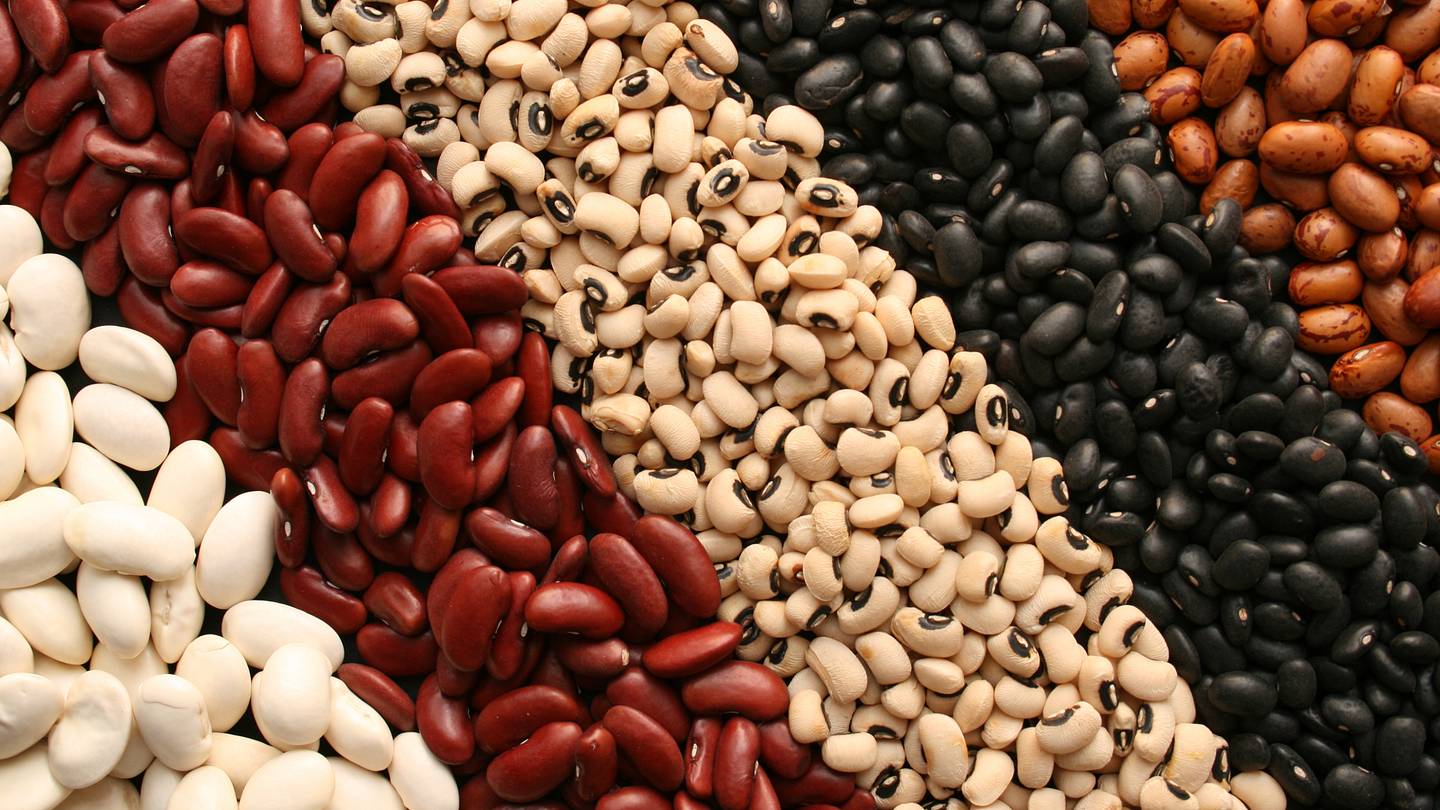
Dried beans, peas, and lentils are low-moisture foods that can last for many years. They may remain safe when stored properly, but their cooking quality declines over time. Old beans often take longer to soften, and sometimes they never become creamy no matter how kindly you speak to them.
How to store dried beans
Store them in airtight containers away from heat, moisture, and light. For serious long-term storage, oxygen-free packaging such as Mylar bags with oxygen absorbers can help maintain quality. Keep beans off the floor and away from damp walls or garages.
How to cook older beans
Soaking helps. A longer soak, a salt brine, or pressure cooking can improve texture. Still, if the beans smell rancid, show mold, contain pantry pests, or refuse to soften after heroic cooking efforts, let them retire with dignity.
7. Cornstarch
Why cornstarch lasts almost indefinitely
Cornstarch is a dry, refined starch with very little moisture. As long as it stays dry and uncontaminated, it can remain safe and useful for a very long time. Its main job is thickening sauces, gravies, pie fillings, soups, and stir-fry glazes. It performs best when it has not absorbed moisture or pantry odors.
How to store cornstarch
Keep cornstarch tightly covered in a cool, dark, dry cabinet. Do not scoop it with a wet measuring spoon. Moisture is the villain here. Once water gets into cornstarch, clumping and microbial growth become possible.
When to toss it
Discard cornstarch if it smells stale, has insects, shows mold, or has become damp. Dry clumps from pressure are usually harmless; damp clumps are not invited to dinner.
8. Pure Vanilla Extract
Why pure vanilla extract lasts so long
Pure vanilla extract contains alcohol, which helps preserve it. Properly stored, it can last indefinitely from a safety perspective, though its flavor and aroma may fade after years. That means your ancient bottle may not hurt you, but it might whisper “vanilla” instead of singing it dramatically from the mixing bowl.
How to store vanilla extract
Keep it tightly closed in a cool, dark place. Do not refrigerate or freeze pure vanilla extract. Repeated temperature changes and light exposure can reduce quality. Small bottles are often better than giant bargain bottles unless you bake like a cheerful cookie factory.
Pure vs. imitation vanilla
Pure vanilla extract is the long-lasting option. Imitation vanilla or alcohol-free vanilla flavoring may not have the same storage strength, depending on ingredients. Always check the label.
9. Soy Sauce
Why soy sauce is so shelf-stable
Soy sauce is fermented and salty, two traits that help it resist spoilage. Unopened soy sauce can sit in the pantry for a long time. Once opened, it is usually still safe at room temperature for a while, but refrigeration helps preserve its flavor, color, and aroma.
How to store soy sauce
Keep unopened bottles in a cool, dark pantry. After opening, refrigerate soy sauce if you use it slowly. If your household goes through soy sauce fast, a small bottle in a cool cabinet may be fine, but avoid leaving it beside the stove where heat can flatten its flavor.
When to replace it
Replace soy sauce if it smells unpleasant, develops mold, tastes flat beyond rescue, or has been contaminated with food particles. Also check labels on flavored sauces, teriyaki sauces, or low-sodium versions, because added ingredients can change storage rules.
10. Commercially Canned Low-Acid Foods
Why canned foods last for years
Commercially canned foods are heat-treated and sealed to keep out microorganisms. Low-acid canned foods such as canned beans, corn, peas, carrots, meats, poultry, fish, and soups often keep their best quality for years. In emergency storage, intact commercial cans may remain safe beyond the printed date, though flavor, color, and texture can decline.
How to store canned foods
Store cans in a cool, dry, dark place. Keep them off damp floors and away from furnaces, pipes, attics, garages, and places where temperature swings are dramatic. Rotate using the FIFO method: first in, first out. In other words, eat the older can before the newer can, not the one with the prettiest label.
When to throw canned food away
Never taste food from a can that is bulging, leaking, badly rusted, deeply dented, spurting liquid, or smelling strange. If the seal is broken or the contents look suspicious, throw it out. Canned food may be sturdy, but botulism is not a plot twist anyone wants.
Foods That Last a Long Time but Are Not “Forever Foods”
Some pantry staples have impressive shelf lives but do not belong on the “never expire” list. Whole wheat flour, brown rice, nuts, seeds, nut butters, oils, and whole-grain products contain natural fats that can turn rancid. Dried pasta can last a couple of years when stored well, but it may lose texture. Powdered milk is useful for emergency storage, but it has a quality window. Spices may remain safe, yet their flavor fades until your paprika becomes red dust with dreams.
The lesson is simple: dry does not always mean immortal. Fat content matters. Packaging matters. Temperature matters. Moisture matters most of all.
How to Build a Smart Long-Lasting Pantry
A reliable pantry is not just a museum of foods that refuse to die. It should be practical, balanced, and actually useful. Start with staples you already eat: rice, beans, canned vegetables, canned fish, pasta, vinegar, salt, sugar, honey, and seasonings. Add foods that support real meals, not just survival math. A pantry full of ingredients nobody likes is not preparedness; it is a future donation box with commitment issues.
Use airtight containers for dry goods. Label everything with the purchase date. Keep food in a cool, dry, dark location. Inspect packages regularly for pests, leaks, rust, swelling, moisture, and odor. Store a manual can opener, because canned beans are much less comforting when you are trying to open them with a butter knife and optimism.
Real-Life Experiences With Foods That Never (or Almost Never) Expire
There is something oddly satisfying about discovering that a humble pantry staple has outlasted your phone, your favorite sneakers, and possibly your last three New Year’s resolutions. Many people first learn this during a pantry cleanout. You reach behind the cereal, move a box of crackers that expired during a previous era of your personality, and find a jar of honey wearing a crystallized sweater. At first glance, it looks ruined. Then you warm it gently, stir it, and suddenly it is backgolden, glossy, and ready for tea. Honey is basically the pantry version of a comeback album.
White rice is another quiet hero. Families who cook rice often know the comfort of having a big sealed container ready to go. It turns random leftovers into fried rice, stretches a soup, saves a too-spicy curry, and gives dinner a dependable foundation. The trick is storage. Rice in a flimsy bag can attract pests or absorb humidity. Rice in a sealed container feels like a tiny household insurance policy. You may not think about it every day, but when dinner plans collapse, there it is, calm as a monk.
Dried beans teach patience and humility. Freshly bought beans cook beautifully. Older beans can be stubborn. You soak them overnight, simmer them, check them, simmer more, apologize to them, and still they sit there like tiny pebbles with protein. That does not always mean they are unsafe. It often means they have dried out so thoroughly that texture suffers. A pressure cooker helps, but so does rotating your supply. Long-lasting does not mean you should ignore food until it files for historic landmark status.
Salt, sugar, and vinegar are the pantry’s practical trio. Salt rescues bland food. Sugar supports baking, preserves fruit, and sweetens coffee during emergency mornings. Vinegar brightens sauces, pickles vegetables, cleans up flavors, and occasionally cleans the kitchen too. These are not glamorous foods, but they are dependable. Nobody writes love songs about white vinegar, yet it has saved more boring salads than most celebrity chefs.
Pure vanilla extract is the luxury item of the long-lasting shelf. A small splash can make pancakes, cookies, oatmeal, whipped cream, French toast, and even coffee feel intentional. The bottle may sit quietly for months, but when you need it, it delivers warmth and aroma. If the scent is still rich, it is probably still worth using. If it smells faint and tired, use a little more or replace it for special baking.
The best experience with these foods comes from treating them as living pantry tools, not forgotten emergency decorations. Rotate them. Cook with them. Refill them. Label them. Keep them dry. A long-lasting pantry should make everyday life easier, not just prepare you for dramatic weather reports. The goal is simple: fewer wasted groceries, fewer last-minute store runs, better meals, and the quiet pleasure of knowing that somewhere in your cabinet, a jar of honey is patiently waiting for its next heroic moment.
Conclusion
Foods that neveror almost neverexpire are not myths, but they do come with fine print. Honey, salt, white sugar, white vinegar, white rice, dried beans, cornstarch, pure vanilla extract, soy sauce, and commercially canned low-acid foods can last an impressively long time when stored correctly. Their secret is usually low moisture, high salt or sugar, acidity, fermentation, alcohol, heat processing, or protective packaging.
The smartest approach is not to hoard and forget. Store these foods well, rotate them regularly, and inspect them before use. If something smells strange, looks moldy, has pests, leaks, bulges, or shows moisture damage, toss it. Your pantry should be frugal, not fearless.
With the right storage habits, these long-lasting pantry staples can help reduce food waste, save money, support emergency preparedness, and rescue weeknight dinners from becoming a sad bowl of “I guess we’re ordering takeout again.”
SEO Tags
Note: This article is written for general food storage education. Always follow product labels, official food safety guidance, and the rule that damaged packaging, mold, pests, strange odors, leaking cans, or bulging cans mean the food should be discarded.