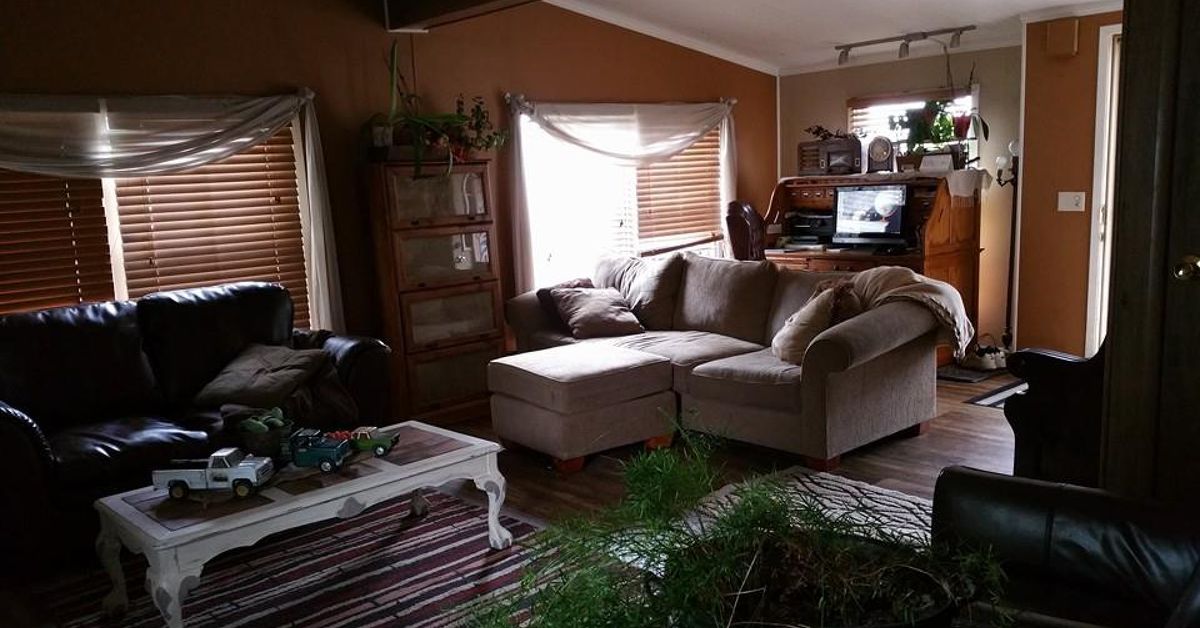
Let’s be honest: the phrase mobile home still gets used for everything from a vintage trailer to a brand-new manufactured house with a front porch, smart thermostat, and a kitchen island big enough to host Thanksgiving and a mild family argument. That’s exactly why this topic needs an update. If you are buying, renovating, financing, selling, or simply trying to make your place feel less “drafty box” and more “cozy home,” the old advice floating around online often misses the mark.
An updated mobile home post should do more than swap out a few outdated photos and call it progress. It should explain what today’s manufactured homes really are, what improvements matter most, how financing and foundations affect the long game, and why energy efficiency, moisture control, and storm safety deserve as much attention as paint colors and peel-and-stick backsplash. Pretty tile is lovely, but pretty tile over a soft floor is just expensive denial.
This guide takes a fresh, practical look at mobile and manufactured home living in plain American English. Whether you own an older unit, are shopping for a newer manufactured home, or want to modernize a place without lighting your savings on fire, here is what actually matters now.
Why “Mobile Home” Needs an Update
One of the biggest misunderstandings in this space starts with the name. In everyday conversation, people say “mobile home” for almost everything. In housing, lending, and building terms, the distinction matters. Homes built before the federal HUD standards took effect in 1976 are commonly called mobile homes. Homes built after that under the HUD Code are generally called manufactured homes. That difference can affect inspections, financing, insurance, resale, and even what kinds of improvements make sense.
That may sound like bureaucratic trivia, but it is actually wallet trivia. The kind that reaches into your pocket when you are least prepared. A newer manufactured home may have better financing options, better energy performance, and a clearer path to appreciation if it is permanently installed and properly titled. An older home may still be worth updating, but the strategy should be smarter, more selective, and more grounded in structure than in trends.
So when we talk about an “updated mobile home post,” we are really talking about modern, reality-based guidance for factory-built housing: what it is, how it performs, and how to improve it without making rookie mistakes.
Start With the Bones, Not the Throw Pillows
The smartest manufactured home update starts where no one on social media wants to start: underneath, around, and above the pretty parts. Before you dream about waterfall-edge countertops, look at the systems that protect comfort, safety, and value.
1. Foundation, Piers, and Anchoring
If a manufactured home is not properly installed, everything else becomes harder. Doors stick. Floors feel off. Cracks appear where they should not. Water starts sneaking in like it pays rent. Drainage around the home matters, and so do piers, tie-downs, and permanent foundation details where applicable. If the site does not shed water away from the home, you are basically inviting moisture to move in and bring mold as a roommate.
For homeowners, this means a simple but critical rule: do not skip an inspection of the support system just because the living room looks cute in listing photos. A home with cosmetic charm and structural issues is still a problem wearing eyeliner.
2. Roof, Ceiling, and Belly Condition
Manufactured homes lose comfort and money in predictable places. The roof can be a weak spot for leaks and heat gain. The belly area underneath the floor often contains insulation, ductwork, and plumbing, so damage there can lead to cold floors, higher bills, frozen pipes, and airflow problems. If the belly wrap is torn, wet, sagging, or compromised by pests, fixing it is not glamorous, but it is one of the most practical upgrades you can make.
Likewise, roof improvements matter more than many owners realize. Better insulation, roof caps in some retrofit situations, and leak repair can improve comfort fast. If your home feels like a toaster in summer and a refrigerator in winter, the roof and belly deserve suspicion.
3. Moisture and Indoor Air Quality
Moisture is the villain with the most screen time in homeownership. In mobile and manufactured homes, poor drainage, plumbing leaks, condensation, weak ventilation, and skirting problems can all feed mold, odors, and material damage. Updating a home should always include moisture control, bathroom and kitchen ventilation, leak checks, and air-sealing work that is done correctly. Tightening a home without thinking about ventilation is a little like wearing a raincoat in a sauna and calling it balance.
The Best Upgrades for Comfort, Value, and Everyday Life
Not every improvement delivers the same payoff. Some upgrades look dramatic on day one but do very little for your monthly budget or long-term durability. Others are almost invisible and quietly make life better every single day. Aim for a mix of function and style.
Energy Efficiency First
If your budget is limited, put real money into the upgrades that reduce heat loss, air leaks, and utility waste. That often includes sealing ducts, repairing the belly, adding insulation where appropriate, improving windows or doors when necessary, and tightening up drafts with basic air sealing. In many homes, duct repair and air leakage work can make a bigger difference than owners expect. This is the kind of update that does not get a million likes online, but it may get you a lower electric bill and fewer arguments with the thermostat.
Insulated skirting can also help in the right conditions, especially when combined with moisture management and proper ventilation. But it is not magic by itself. Skirting should support the overall system, not act like a decorative curtain hiding bigger issues.
Kitchens and Bathrooms That Work Hard
Once the structure and efficiency basics are addressed, kitchens and bathrooms are usually the most rewarding cosmetic updates. In a manufactured home, the best remodels are thoughtful rather than oversized. Replace worn cabinets if needed, but also think about storage depth, circulation, moisture-resistant materials, easy-clean surfaces, and lighting. A compact kitchen can feel dramatically more modern with better hardware, layered lighting, durable counters, a deep sink, and a smarter layout.
Bathrooms benefit from the same logic. Choose flooring and trim that can handle moisture, add proper ventilation, and favor fixtures that save water without feeling cheap. The best bathroom update is one that still looks good after steam, spills, wet towels, and real humans use it every day.
Flooring That Survives Actual Life
New flooring can transform a space, but material choice matters. Many owners like luxury vinyl plank because it handles wear, pets, and moisture better than some alternatives while still looking warm and modern. If subfloors are damaged, though, deal with that first. New flooring over old problems is the home-improvement version of putting cologne on gym socks.
Exterior Improvements That Pull Their Weight
Curb appeal matters, especially if you may sell later. But the best exterior updates are not only decorative. Think entry steps that feel safe and sturdy, a porch that adds usable living space, better outdoor lighting, gutters that move water away from the home, and landscaping that improves drainage instead of trapping moisture next to the structure. Even a small deck or covered entry can make a manufactured home feel more permanent, more welcoming, and more valuable in the eyes of a future buyer.
Financing: The Part Nobody Wants to Read but Everybody Should
Now for the chapter people usually skip until their lender uses a term that makes them blink twice. Financing manufactured housing can look very different from financing a site-built house. The key issue is often whether the home is titled as real property with the land and permanently affixed to an approved foundation, or treated as personal property, also called chattel.
This matters because chattel loans can be easier to encounter in the manufactured housing market, especially when land is not included, but they often come with higher borrowing costs and fewer protections than traditional mortgages. That does not mean every buyer should panic. It means every buyer should read carefully, compare options, and understand what they are financing: the home only, or the home plus land.
If you are buying in a rural area, certain USDA-backed options may help qualified borrowers. Depending on the home, land, title status, and foundation, conventional programs may also be relevant. The headline here is simple: before you spend heavily on upgrades, understand whether your home setup supports the kind of financing and resale path you want later. A marble backsplash is not a financial plan.
Safety and Resilience Matter More Than Ever
A truly updated mobile home post should not ignore storm risk. Manufactured homes need thoughtful planning for severe weather, especially in tornado and hurricane-prone areas. Tie-downs, anchoring, drainage, and community storm planning are not just technical details. They are part of protecting lives and property.
It is also important to say this clearly: during a tornado warning, a mobile or manufactured home is generally not the place to stay. Residents should know where the nearest sturdy shelter or safe room is before bad weather arrives. You do not want your emergency plan to begin with, “Wait, where are my shoes?”
Safety also includes consumer protection. Keep records for installation, inspections, serial or label information, major repairs, and title status. If a newer manufactured home has defects, homeowners may have access to dispute resolution options depending on timing and circumstances. Good paperwork is not thrilling, but it can save a lot of pain later.
How to Update a Mobile Home Without Wasting Money
The best strategy is phased, practical, and boring in all the right ways:
- Inspect first. Know the condition of the roof, belly, support system, plumbing, ductwork, moisture levels, and electrical components.
- Fix water problems immediately. Water wins every argument if you let it.
- Seal and insulate. Comfort upgrades often pay you back month after month.
- Improve systems before finishes. A level floor beats a trendy rug every time.
- Choose durable materials. Easy-clean, moisture-resistant, low-maintenance products are your friends.
- Keep records. Future buyers, appraisers, insurers, and lenders love proof.
Homeowners also overlook tax incentives and efficiency credits. Depending on timing and the exact products used, some energy-efficient improvements may qualify for federal tax benefits. That is one more reason to save receipts, verify eligible products, and think about upgrades as a system instead of a random weekend shopping spree.
What Buyers and Sellers Should Remember Right Now
If you are buying, ask better questions than “Has it been remodeled?” A fresh remodel can hide a lot. Ask about installation, foundation, age, title status, land ownership, utility costs, roof history, insulation, duct repairs, and moisture issues. Ask whether the home has HUD labels and documentation. Ask what the lot rent is if the home sits in a community. Ask what stays with the home. Ask until people start bringing you folders.
If you are selling, market the upgrades that matter most. Buyers may smile at new paint, but serious buyers perk up when they hear “new skirting, belly repair, duct sealing, updated subfloor, drainage improvements, energy-efficient windows, and clear title paperwork.” That is the difference between a makeover and a managed asset.
Final Thoughts
An updated mobile home post should reflect the real state of manufactured housing today: more relevant, more technical, and more full of opportunity than many people realize. These homes can offer affordability, flexibility, and genuine comfort, but the best results come from informed decisions. Learn the language. Respect the structure. Prioritize energy, moisture control, and safety. Then make it beautiful.
In other words, do the smart stuff first, the pretty stuff second, and keep enough budget left over for the surprise project every home eventually reveals. Because yes, even the cutest place on the block can still be hiding a plumbing issue with a very confident attitude.
Experience Section: What Real-Life Mobile Home Updating Often Feels Like
People often imagine a mobile home update as one big before-and-after moment: old cabinets out, stylish cabinets in, dramatic music, everyone cries, the dog gets a better bed, and somehow the project finishes under budget. Real life is less cinematic and more educational. Many homeowners start with cosmetic plans and then discover that the biggest improvements are the ones nobody posts first.
A common experience goes like this: someone buys an older manufactured home because the price makes sense and the location works. On move-in day, the place seems fine. The paint is not offensive. The kitchen is dated but functional. There is a little wobble in the hallway floor, but hey, every house has personality, right? Then winter arrives. The floor is freezing. One bedroom never feels warm. A musty smell shows up after rain. Suddenly the glamorous plan for open shelving is replaced by the much less glamorous plan of crawling under the home with a flashlight and a professional.
That is usually the turning point. Owners realize that updating a mobile home is not just decorating smaller rooms. It is learning how the home performs. People who have good experiences tend to do three things: they inspect early, they fix moisture fast, and they stop chasing trendy finishes until the structure feels right. Once the home is level, dry, better sealed, and easier to heat and cool, everything else becomes more enjoyable.
Another very real experience is sticker shock, followed by strategy. New owners often assume the big money should go into visible upgrades. Then they price flooring, subfloor repair, skirting, insulation work, duct sealing, and roof repair and realize adulthood is a scam with invoices. The smart response is not despair. It is prioritization. Many successful homeowners split projects into phases: weatherproof first, systems second, interior finishes third, outdoor living last. That approach keeps the home livable and prevents “beautiful but broken” syndrome.
There is also the emotional side. A manufactured home can carry stigma in some places, and owners sometimes feel pressure to “prove” the home is worthy by over-remodeling it. But the best experiences usually come when people stop renovating for other people’s approval and start upgrading for daily comfort. Better windows, safer steps, stronger lighting, cleaner air, less noise, lower bills, easier cleaning, and a porch where you actually enjoy sitting with coffee on Saturday morning that is real value. That is home value in the life sense, not just the appraisal sense.
For families, older adults, and first-time owners, small changes can feel huge. A wider entry step, better handrails, brighter kitchen lighting, more storage, easy-clean flooring, and reliable heating can change the way the home functions every day. Owners often say the biggest surprise is not how different the home looks, but how different it feels. Quieter. Drier. Less drafty. Less stressful. More settled.
And yes, there are still funny moments. Every update has one mystery panel, one paint color that looked wiser in the store, and one hardware run that turns into three. But for many owners, the experience becomes deeply satisfying because the home improves in layers. It starts feeling less temporary, less patched together, and more intentionally theirs. That is the quiet magic of a well-updated manufactured home: not that it pretends to be something else, but that it becomes the best version of what it already is.