Note: This article is for educational and editorial purposes only. Pregnant readers should consult a qualified health care provider before starting or changing any exercise routine, including prenatal yoga.
Pregnancy is often described as magical, glowing, and beautiful. It can be all of those things. It can also feel like trying to assemble nursery furniture while riding an emotional roller coaster with swollen ankles. Between doctor appointments, changing hormones, sleep interruptions, birth planning, work demands, and the tiny human doing gymnastics under the ribs, stress can become an uninvited roommate.
That is why the growing research around prenatal yoga has attracted so much attention. Studies suggest that yoga may help expectant moms reduce stress, ease anxiety, improve mood, support better sleep, and feel more physically prepared for labor. In one widely discussed randomized controlled trial on antenatal yoga, researchers found that pregnant women who participated in yoga reported lower anxiety and stress-related symptoms. Later reviews of prenatal yoga research have continued to point in the same encouraging direction: gentle movement, breathing, relaxation, and mindfulness may offer meaningful mental health benefits during pregnancy.
The headline is simple, but powerful: yoga keeps expectant moms’ stress at bay. The real story is even more useful. Prenatal yoga is not about twisting into a human pretzel or proving anything to the person on the next mat. It is about creating spacephysically, emotionally, and mentallyduring a season when the body is doing Olympic-level work behind the scenes.
What the Study Says About Prenatal Yoga and Stress
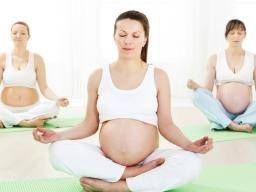
The study behind the idea that yoga can help keep expectant mothers stress-free focused on antenatal yoga, meaning yoga practiced during pregnancy. Participants in the yoga group attended structured sessions that included modified postures, breathing exercises, relaxation, and guided awareness. Researchers measured psychological outcomes such as anxiety, depression, and stress, and the results suggested that yoga could reduce distress during pregnancy.
One of the most interesting findings was that even a single yoga session appeared to help reduce self-reported anxiety. Over a longer period, regular practice was linked with improved emotional well-being. That matters because stress during pregnancy is not just “feeling busy.” For many women, it can show up as racing thoughts, poor sleep, irritability, muscle tension, fear about labor, and difficulty relaxing. Prenatal yoga gives the nervous system a chance to exhale.
More recent research reviews have looked across multiple clinical trials and systematic reviews. While experts still call for stronger, larger, and more standardized studies, the overall pattern is promising. Prenatal yoga-based interventions are often associated with reductions in anxiety, depression, and stress symptoms. In plain English: the evidence is not saying yoga is a magic wand, but it is saying this gentle practice may be a practical, low-cost, and accessible tool for many expectant moms.
Why Pregnancy Stress Deserves Real Attention
Pregnancy stress is common, and it should never be brushed off with a cheerful “just relax.” That phrase has never relaxed anyone in the history of humanity. Emotional changes during pregnancy can be influenced by hormones, physical discomfort, previous pregnancy experiences, money concerns, relationship dynamics, work pressure, and uncertainty about childbirth or parenting.
Stress can also become heavier when it overlaps with anxiety or depression. Many pregnant women experience worry about the baby’s health, labor pain, medical decisions, body changes, or whether they are “doing pregnancy right.” Add online advice into the mix, and suddenly someone is reading 19 different opinions about whether pineapple is a food, a labor trigger, or a tropical conspiracy.
This is where prenatal yoga may help. The practice invites the body to move gently, the breath to slow down, and the mind to focus on the present moment. Instead of spiraling through tomorrow’s worries, a yoga class brings attention back to simple, grounding cues: inhale, exhale, soften the shoulders, notice the baby, release the jaw. Those small moments can become powerful anchors.
How Yoga Helps Calm the Pregnant Body and Mind
Breathing signals safety
Breathing is one of the most important parts of prenatal yoga. Slow, steady breathing can help activate the body’s relaxation response. When stress rises, breathing often becomes shallow and fast. Prenatal yoga teaches expectant moms to lengthen the breath, which may help reduce physical tension and create a sense of control.
This skill can also be useful during labor. While breathing cannot make labor effortlesslet’s not sell fairy talesit can help women stay focused through contractions, communicate better with their support team, and manage moments of fear or discomfort.
Gentle movement reduces physical tension
Pregnancy can bring lower back pain, tight hips, stiff shoulders, leg cramps, and general “why did getting off the couch become a strategy game?” energy. Modified yoga poses can support flexibility, circulation, balance, and strength without pushing the body too hard.
Common prenatal yoga movements may include cat-cow stretches, supported squats, side stretches, pelvic tilts, seated hip openers, and gentle standing poses. These movements are not designed for Instagram drama. They are designed to help the pregnant body feel more comfortable and functional.
Mindfulness interrupts the worry loop
Mindfulness is the practice of noticing the present moment without judgment. During pregnancy, that can be a big deal. A worried mind often jumps ahead: What if labor starts early? What if I forget something? What if I am not ready? Prenatal yoga helps redirect attention to what is happening now.
That does not erase real concerns, but it can reduce the feeling of being swallowed by them. A 30-minute class may become a mental reset button. No emails. No baby registry comparisons. No doom-scrolling at 2 a.m. Just breath, movement, and a little peace.
Benefits of Prenatal Yoga Beyond Stress Relief
Stress reduction may be the headline, but prenatal yoga has several other possible benefits. Health organizations and pregnancy experts often highlight yoga as a form of modified physical activity that can support overall wellness when practiced safely.
Better sleep
Many pregnant women struggle with sleep, especially as pregnancy progresses. Between bathroom trips, heartburn, back discomfort, and the baby deciding midnight is dance rehearsal, rest can become complicated. Prenatal yoga may help by relaxing the nervous system, easing physical tension, and creating a calming bedtime rhythm.
Improved strength and flexibility
Prenatal yoga can strengthen muscles used during pregnancy, labor, and postpartum recovery. Gentle strengthening of the legs, hips, pelvic floor, back, and core-supporting muscles may help improve posture and reduce some common aches. Flexibility is useful too, but pregnancy is not the time to chase extreme range of motion. The goal is stable mobility, not circus auditions.
Reduced back pain and discomfort
As the belly grows, posture changes. The lower back may carry extra strain, and the hips can feel tight or unstable. Prenatal yoga uses supported movement to release tension and improve body awareness. Learning how to stand, sit, and move with better alignment can make everyday activities easier.
Emotional connection with the baby
Many expectant moms say prenatal yoga gives them a quiet time to connect with their baby. In a busy day, it may be the only moment when they pause and notice movement, breath, and sensation without distraction. That emotional bonding can be deeply reassuring.
Community support
A prenatal yoga class can also provide something underrated: other pregnant people. That shared experience matters. Sometimes the best stress relief comes from realizing someone else also cried because the grocery store moved the cereal aisle. Community can make pregnancy feel less isolating and more human.
What Makes Prenatal Yoga Different From Regular Yoga?
Prenatal yoga is designed for pregnancy. That means poses are modified to support a changing body, protect the abdomen, reduce balance risks, and avoid unnecessary strain. A regular yoga class may include deep twists, intense backbends, heated rooms, long holds, strong abdominal work, or poses that require lying flat on the belly. Those are usually not appropriate for pregnancy.
A good prenatal yoga class focuses on comfort, breath, pelvic stability, gentle strengthening, relaxation, and safe stretching. Props such as blocks, bolsters, blankets, chairs, and walls are often used. The instructor should offer modifications for different trimesters and remind students to listen to their bodies.
In prenatal yoga, “less is more” is not laziness. It is wisdom wearing stretchy pants.
Safety First: Who Should Talk to a Doctor Before Starting?
Most healthy pregnant women can benefit from moderate physical activity, but every pregnancy is different. Anyone who is pregnant should speak with a health care provider before starting prenatal yoga, especially if they have complications or a high-risk pregnancy.
Extra caution may be needed for women with certain heart or lung conditions, risk of preterm labor, placenta-related complications, severe anemia, uncontrolled high blood pressure, significant bleeding, cervical insufficiency, or other medical concerns. A provider can help determine what type and intensity of movement is appropriate.
During practice, pregnant women should stop and seek medical guidance if they experience vaginal bleeding, dizziness, chest pain, headache, calf pain or swelling, regular painful contractions, fluid leakage, shortness of breath before exertion, or decreased fetal movement. Yoga should feel supportive, not scary.
Yoga Poses and Practices Often Used in Prenatal Classes
Although every class is different, prenatal yoga usually includes gentle and supported movements. Cat-cow can help mobilize the spine. Seated side stretches may create space around the ribs. Supported child’s pose can offer rest with room for the belly. Warrior poses may build leg strength and stability. Pelvic tilts can increase awareness of the lower back and pelvis. Deep relaxation at the end helps the nervous system settle.
Breathing practices are also central. A teacher may guide students through slow nasal breathing, extended exhalations, or simple counting breaths. Some classes include visualization, affirmations, or body scans. These techniques may help reduce stress and prepare the mind for labor.
However, not every yoga style is pregnancy-friendly. Hot yoga is generally discouraged because overheating and dehydration can be risky. Deep twists, strong abdominal compression, intense backbends, and poses that create a fall risk should be modified or avoided. After the first trimester, many experts recommend avoiding long periods of lying flat on the back, depending on comfort and medical guidance.
How Often Should Expectant Moms Practice Yoga?
There is no perfect schedule for everyone. Many guidelines recommend that healthy pregnant women aim for about 150 minutes of moderate-intensity activity per week, and yoga can be one part of that routine. Some expectant moms may enjoy a prenatal yoga class two or three times a week, while others may prefer 10 minutes of gentle stretching and breathing most days.
The best routine is realistic. Pregnancy is not the season for guilt-based fitness plans. A short, consistent practice can be more helpful than an ambitious schedule that collapses after one heroic Monday. Even five mindful minutes can shift the tone of a stressful day.
Why Prenatal Yoga Works So Well for Modern Moms
Modern pregnancy comes with a lot of noise. There are apps tracking every fruit-sized stage, forums debating every symptom, family members offering vintage advice, and social media making everyone’s nursery look like a Scandinavian cloud. Prenatal yoga cuts through that noise by returning attention to the body.
It also gives expectant moms a rare permission slip to slow down. Many women are still working, caring for other children, managing households, and planning for birth while their bodies are building a baby around the clock. Yoga says: pause. Breathe. You do not have to earn rest. You need it.
That may be the most practical reason prenatal yoga helps with stress. It creates a scheduled, socially acceptable, medically supported moment to stop performing productivity and simply be present.
Experience Section: Real-Life Moments That Show Why Prenatal Yoga Matters
Imagine an expectant mom named Emily. She is 28 weeks pregnant, working full time, and trying to decide between three stroller models that all claim to be “life-changing.” Her back hurts by late afternoon, her sleep is unpredictable, and her mind loves to start a worry parade exactly when her head hits the pillow. She signs up for a beginner prenatal yoga class mostly because a friend recommends it and partly because she wants one hour when nobody asks her about the baby name.
At her first class, Emily is surprised by how gentle it feels. There is no pressure to be flexible. The instructor reminds everyone to use blocks, bend their knees, drink water, and rest whenever needed. During a supported side stretch, Emily notices she can breathe more deeply than she has all week. During cat-cow, her lower back finally gets a break. During the closing relaxation, she feels the baby move and realizes she has not checked her phone in 45 minutes. This, by itself, feels like a small miracle.
After a few weeks, Emily does not become a serene pregnancy goddess floating through the grocery store. She still gets annoyed when strangers comment on her belly. She still has nights when sleep is a negotiation. But she now has tools. When anxiety rises, she practices slow breathing. When her hips feel tight, she does a supported stretch. When birth fears appear, she remembers the grounding phrases from class: soften the jaw, relax the shoulders, breathe into the moment.
Another expectant mom, Jasmine, joins prenatal yoga during her second pregnancy. She already has a toddler, which means her home contains equal parts love and cracker crumbs. Jasmine’s stress is different from Emily’s. She is not just preparing for a baby; she is preparing to become a mother of two. Her yoga class becomes the one place where she is not packing lunches, answering emails, or negotiating with a tiny person who believes socks are optional.
For Jasmine, the community matters most. She talks with other moms before class about heartburn, birth plans, and the weird emotional power of folding newborn clothes. She realizes her worries are normal. That social support lowers the temperature of her stress. The movement helps, but so does being seen.
Then there is Maria, who is nervous about labor. She worries about pain and whether she will know what to do. Her prenatal yoga teacher explains that yoga is not about controlling birth. It is about practicing how to return to the breath when intensity rises. Maria begins to think of each pose as a mini rehearsal: feel sensation, breathe steadily, adjust when needed, ask for support, rest without shame.
By the end of her pregnancy, Maria still respects labor as a major event, but she no longer feels powerless. She has practiced staying present. She has learned positions that feel supportive. She has built confidence in her body’s ability to work hard and recover. That confidence may be one of prenatal yoga’s most underrated gifts.
These experiences show why the research matters in everyday life. Studies measure stress, anxiety, and mood with validated tools, but real people feel the benefits in practical ways: fewer spiraling thoughts, better body awareness, calmer evenings, stronger support networks, and more confidence approaching birth. Prenatal yoga does not promise a perfect pregnancy. It offers something more believable and more useful: a steady practice for imperfect, beautiful, unpredictable days.
Conclusion
The study confirming that yoga helps keep expectant moms’ stress at bay adds scientific weight to what many pregnant women have felt on the mat: gentle movement, breathing, mindfulness, and rest can make pregnancy feel more manageable. Prenatal yoga may reduce stress and anxiety, improve sleep, ease discomfort, build strength, and help women prepare emotionally and physically for labor.
Still, yoga is not a substitute for medical care, mental health treatment, or professional support when symptoms are serious. It works best as part of a broader wellness plan that may include prenatal care, nutritious food, safe physical activity, rest, social connection, and honest conversations with health professionals.
For many expectant moms, prenatal yoga is not about touching toes. It is about touching calm. And during pregnancy, calm is not a luxury. It is a very practical form of care.