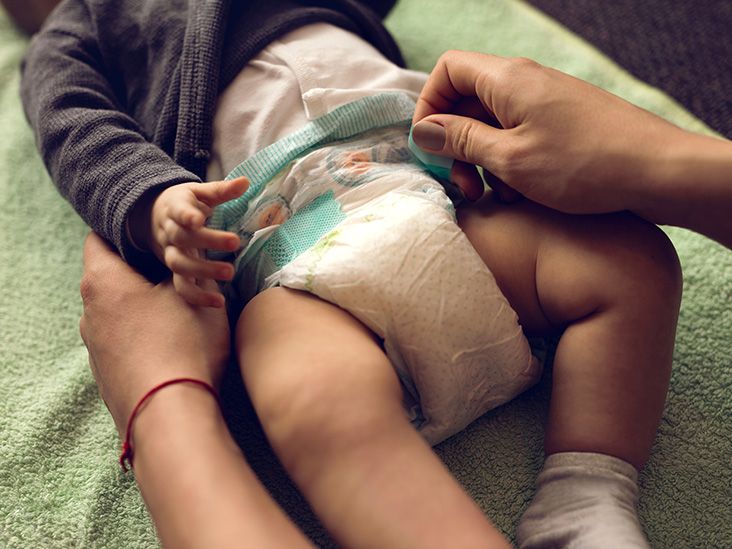
A yeast diaper rash can make a baby’s diaper area look like it has staged a tiny red rebellion. One day the skin looks a little irritated, and the next day there are bright red patches, bumps around the edges, and a baby who suddenly treats diaper changes like a dramatic courtroom scene. The good news: yeast diaper rash is common, treatable, and usually not dangerous. The less-fun news: regular diaper cream alone often will not fix it because yeast is not just “irritation.” It is an overgrowth of Candida, a fungus that loves warm, damp placesexactly the sort of tropical vacation spot a diaper accidentally creates.
This guide explains what yeast diaper rash looks like, how it differs from ordinary diaper rash, how doctors diagnose it, and which treatments usually help. We will also cover picture-style clues parents can look for, when to call the pediatrician, and practical experience-based tips for getting through the rash without turning every diaper change into a wrestling match.
What is a yeast diaper rash?
A yeast diaper rash, also called Candida diaper dermatitis, is a rash caused by an overgrowth of Candida yeast in the diaper area. Candida can normally live on the skin or in the body without causing problems. But when the environment becomes warm, moist, irritated, or recently changed by antibiotics, yeast can multiply and inflame the skin.
Unlike a simple irritant diaper rash, which is mainly caused by urine, stool, friction, or wetness, a yeast rash often becomes more intense and stubborn. Parents may notice that the rash does not improve after two or three days of frequent diaper changes and barrier cream. That is a major clue that yeast may have joined the partyand it was not invited.
Yeast diaper rash pictures: What should you look for?
Actual medical pictures can be helpful, but parents should remember one important rule: photos are clues, not a diagnosis. Lighting, skin tone, camera quality, and the stage of the rash can all change how it looks. Still, yeast diaper rash often has recognizable visual patterns.
Common picture clues of yeast diaper rash
- Bright red or “beefy” red patches: The rash may look more intense than a typical mild diaper rash.
- Involvement of skin folds: Yeast often appears in the creases of the thighs, groin, and buttocks.
- Satellite spots: Small red bumps, pimples, or pustules may appear just outside the main rash.
- Sharp borders: The edges may look more defined than a regular irritation rash.
- Scaling or peeling: Some babies develop flaky edges or irritated, shiny skin.
- Rash that spreads: It may extend toward the thighs, lower belly, or genital area.
How yeast rash may look on different skin tones
On lighter skin, yeast diaper rash may appear bright red or deep pink. On brown or Black skin, redness may be harder to see; the area may look darker, purplish, grayish-red, shiny, or more textured than surrounding skin. The baby’s behavior can also be a clue. If the area seems painful, warm, raw, or suddenly more sensitive during diaper changes, take the rash seriously even if it does not look “textbook red.”
Yeast diaper rash vs. regular diaper rash
Regular diaper rash, also known as irritant diaper dermatitis, usually affects the areas that rub against the diaper: the buttocks, outer genital area, and upper thighs. It may spare the deeper skin folds because those folds are less exposed to friction. Yeast diaper rash, on the other hand, loves folds. If the rash is hiding in the creases like it pays rent there, yeast becomes more likely.
| Feature | Regular diaper rash | Yeast diaper rash |
|---|---|---|
| Main cause | Moisture, stool, urine, friction, wipes, or irritants | Candida yeast overgrowth |
| Color | Pink, red, irritated, or chafed | Bright red, shiny, or sharply outlined |
| Skin folds | Often less involved | Commonly involved |
| Satellite bumps | Usually absent | Common around the main rash |
| Response to barrier cream | Often improves in a few days | May persist unless antifungal treatment is used |
What causes yeast diaper rash?
Yeast diaper rash develops when Candida grows too much in the diaper area. Several everyday factors can make this easier:
- Wet or soiled diapers: Moisture softens the skin and weakens its natural barrier.
- Friction: A tight diaper can rub the skin and create tiny breaks where yeast can thrive.
- Antibiotics: Antibiotics can reduce healthy bacteria that normally help control yeast growth.
- Diarrhea: Frequent stools can irritate the skin quickly and create a perfect setup for Candida.
- Hot, humid weather: Yeast enjoys heat and moisture. Unfortunately, so do diapers.
- Oral thrush: Babies with yeast in the mouth may also develop yeast-related diaper rash.
- Infrequent diaper changes: Long diaper wear gives moisture more time to irritate the skin.
None of this means a parent did anything wrong. Babies are tiny, adorable moisture factories. Even careful caregivers can deal with yeast diaper rash, especially during teething, illness, antibiotic use, or sudden changes in stool.
How doctors diagnose yeast diaper rash
Most yeast diaper rashes are diagnosed by looking at the rash and asking about symptoms. A pediatrician may check whether the rash involves the folds, has satellite bumps, looks sharply bordered, or has failed to improve with standard diaper rash care. The doctor may also ask about recent antibiotics, diarrhea, oral thrush, new wipes, new diapers, or changes in diet.
In most cases, lab testing is not needed. If the rash is unusual, severe, recurrent, or not responding to treatment, a clinician may consider other diagnoses or, rarely, test a skin sample. Conditions that can mimic diaper rash include bacterial infection, eczema, psoriasis, allergic contact dermatitis, seborrheic dermatitis, impetigo, and, in rare cases, immune-related or nutritional problems.
Yeast diaper rash treatment: What usually works?
Treatment usually combines two goals: kill the yeast and protect the skin barrier. Think of it as a two-part mission: remove the uninvited fungus and rebuild the baby’s tiny skin fortress.
1. Use an antifungal cream when yeast is suspected
Yeast diaper rash typically needs an antifungal cream or ointment. Pediatricians may recommend or prescribe products such as nystatin, clotrimazole, miconazole, or another antifungal depending on the baby’s age, symptoms, and medical history. Some antifungal creams are available over the counter, but it is wise to check with a healthcare professional, especially for babies under a few months old or if the rash is severe.
Parents should follow the product label or pediatrician’s instructions carefully. A common approach is to apply the antifungal directly to clean, dry skin, then add a thick barrier ointment over it. Do not stop treatment the moment the rash looks better unless your doctor says so; yeast may need a full course to clear properly.
2. Keep the diaper area clean and dry
Moisture is yeast’s favorite spa treatment. Frequent diaper changes help reduce wetness and irritation. During each change, gently clean the area with warm water or a soft cloth. If wipes sting or contain fragrance or alcohol, switch to plain water for a few days. Pat dry instead of rubbing. Rubbing inflamed skin is like telling the rash, “Please, make yourself comfortable.”
3. Add a barrier cream
Barrier products such as zinc oxide paste or petroleum jelly help protect the skin from urine and stool. For stubborn rashes, many dermatology sources recommend applying barrier paste thickly, almost like frosting a cupcake. Unlike frosting, however, please do not taste-test it. You do not need to scrub all the cream off at every diaper change; remove the soiled layer gently and reapply more on top.
4. Give diaper-free time
Air helps dry the skin and reduce friction. Lay the baby on a washable towel or waterproof pad for supervised diaper-free time. Even 10 to 15 minutes a few times a day can help. Yes, there may be surprise puddles. This is why towels were inventedor at least why parents now own so many of them.
5. Avoid irritants
Skip scented wipes, bubble baths, harsh soaps, and heavily fragranced products while the rash heals. Avoid talcum powder because babies can inhale it, and be cautious with powders in general. Cornstarch is sometimes discussed online for moisture, but it does not treat yeast and may not be appropriate when Candida is suspected. When in doubt, choose boring and gentle. Baby skin loves boring.
What not to do for yeast diaper rash
Some treatments can make yeast diaper rash worse or delay healing. Avoid using steroid creams, such as hydrocortisone, unless your pediatrician specifically recommends them. Steroids may reduce redness temporarily, but if used incorrectly or without antifungal treatment, they can sometimes worsen fungal rashes or thin delicate baby skin.
Do not use adult vaginal yeast treatments on a baby unless a clinician tells you to. Do not apply essential oils to the diaper area; they can burn or irritate sensitive skin. Do not scrub, disinfect, or use alcohol-based products. The diaper area needs gentle care, not a cleaning routine borrowed from a hospital floor.
How long does yeast diaper rash take to heal?
With the right antifungal treatment and good diaper care, discomfort may begin improving within a few days. The rash itself can take longer to fully disappear, sometimes one to two weeks depending on severity. If the rash is not improving after several days of treatment, worsens, spreads, or keeps returning, call the pediatrician. The diagnosis may need to be confirmed, the medicine may need adjustment, or another condition may be involved.
When to call a doctor
Parents should contact a healthcare professional if:
- The baby is younger than 2 months and has a significant rash.
- The rash has blisters, open sores, pus, bleeding, or yellow crusting.
- The baby has a fever or seems unusually sleepy, weak, or uncomfortable.
- The rash spreads beyond the diaper area.
- The rash does not improve after 2 to 3 days of careful home care.
- The rash keeps coming back.
- The baby also has white patches in the mouth that may suggest thrush.
- You are unsure whether the rash is yeast, irritation, allergy, or infection.
A quick pediatric visit can save days of guessing and a surprising amount of laundry.
Prevention: How to reduce the chance of yeast diaper rash
Not every rash can be prevented, but smart diaper habits can lower the risk. Change diapers often, especially after bowel movements. Use breathable, properly fitting diapers that are not too tight. Clean gently and dry thoroughly. Apply barrier cream if your baby is prone to rashes, especially before bedtime or long stretches of sleep.
If your baby is taking antibiotics, be extra alert for diaper rash and oral thrush. Antibiotics are helpful when truly needed, but they can shift the balance of bacteria and yeast. If diarrhea develops, increase diaper changes and barrier protection right away. Early action can stop mild irritation from becoming a full yeast production.
Practical examples: What parents often notice
Example 1: The rash that ignores diaper cream
A baby develops redness after several loose stools. The parent applies zinc oxide paste faithfully, changes diapers often, and avoids wipes. Three days later, the rash is brighter, has little red dots around it, and has moved into the thigh folds. This pattern may suggest yeast, and a pediatrician may recommend an antifungal cream.
Example 2: The antibiotic surprise
A baby finishes antibiotics for an ear infection. A few days later, the diaper area becomes red and bumpy, and the baby also has white patches in the mouth. This combination may point toward Candida affecting both the mouth and diaper area. Medical guidance is important because both areas may need treatment.
Example 3: The “new wipes” mystery
A baby’s rash appears right after switching to scented wipes. It affects the areas wiped most often but does not have satellite bumps or fold involvement. This could be irritation or allergic contact dermatitis rather than yeast. Removing the trigger and using gentle skin care may help, but persistent symptoms still deserve a pediatric check.
Experience-based tips for handling yeast diaper rash
Parents who have dealt with yeast diaper rash often learn quickly that the treatment routine matters as much as the medication. The first experience tip is to create a simple diaper-change station. Keep warm water, soft cloths, antifungal cream, barrier paste, clean diapers, and a towel within reach. When everything is ready, diaper changes become faster and less stressful. A crying baby does not appreciate a parent searching for cream like it is hidden treasure.
Another useful habit is to let the skin dry completely before applying products. After cleaning, gently pat the area and wait a moment if possible. Some parents fan the area with a clean diaper for a few seconds. The goal is not to turn diaper changes into a spa day; it is simply to avoid trapping moisture under ointment. Antifungal medicine works best when it contacts the affected skin, and barrier cream works best when it seals out new moisture rather than sealing in old dampness.
Many caregivers find that nighttime needs a slightly different strategy. Because babies may sleep longer at night, a thick layer of barrier paste before bed can help protect the skin. If the pediatrician has recommended an antifungal, apply it as directed, then use the barrier layer. For babies with frequent night stools, quick changes are still important. Yes, this is exhausting. Parenting sometimes feels like being on call for a tiny boss who communicates entirely through sirens.
Clothing can also make a difference. Loose, breathable outfits may reduce heat and friction. Avoid tight plastic diaper covers while the rash is active unless they are medically necessary. If using cloth diapers, consider whether detergent, buildup, or fabric friction is worsening the rash. Some families temporarily switch to superabsorbent disposable diapers during treatment because keeping the skin drier can help. This is not a moral debate; it is rash management.
Parents also recommend taking progress notes. A quick daily photo, taken in the same lighting, can help show whether the rash is improving. Do not share private rash photos online for diagnosis. Instead, use them for your pediatrician if the rash persists or worsens. Write down when treatment started, how often the cream was applied, whether diarrhea or antibiotics were involved, and whether the baby seems more comfortable. These details can help the clinician adjust care.
Finally, try not to panic if the rash looks dramatic. Yeast diaper rash can look angry, but many cases improve with the right antifungal treatment and consistent diaper care. Focus on gentle cleaning, dryness, medication as directed, and barrier protection. The winning formula is usually boring, repetitive, and very effectivelike brushing teeth, but with more zinc oxide and fewer minty bubbles.
Conclusion
Yeast diaper rash is a common Candida-related rash that often appears bright red, involves skin folds, and may have small satellite bumps around the main rash. It can be mistaken for ordinary diaper irritation, but the difference matters because yeast usually needs antifungal treatment. Parents can help by changing diapers often, cleaning gently, drying the skin well, applying antifungal medicine as recommended, and protecting the area with a thick barrier cream.
The most important takeaway is simple: if a diaper rash is severe, painful, spreading, or not improving after a few days, ask a pediatrician. A correct diagnosis can prevent unnecessary discomfort and help your baby get back to the important work of being cute, loud, and suspiciously sticky.