Planning a wedding is a little like directing a movie, hosting a dinner party, styling a magazine spread, and keeping a hundred people happy while wearing formal shoes. Easy, right? That is why the best wedding ideas are not just pretty on Pinterest. They work in real life. They help guests feel welcome, make the room feel intentional, and leave you with details that still look charming after the cake has been sliced and Uncle Dave has invented a dance move no one asked for.
When couples search for wedding ideas, they usually want inspiration that feels personal without becoming chaotic. They want favors guests will actually keep, decor that does not feel random, table settings that look polished but still allow people to see each other, and photostrips that turn a fun little booth moment into a real keepsake. The secret is simple: every detail should do at least one job well, and the best details do two or three. A favor can double as place decor. A centerpiece can create atmosphere without blocking conversation. A photostrip can become part of the guest book and a take-home memento at the same time.
If you are trying to build a wedding that looks thoughtful instead of thrown together five minutes before the florist arrived, start with a unifying point of view. You do not need a hyper-specific theme like “moonlit editorial citrus disco garden chic.” That sounds lovely, but it also sounds exhausting. You need a clear mood: romantic and candlelit, playful and colorful, modern and minimal, rustic and relaxed, or classic and elegant. Once that mood is in place, your favors, decor, tables, and photostrips begin to feel like part of the same story instead of four separate group projects.
Wedding Favors That Guests Will Actually Want
Let us be honest: wedding favors have a reputation problem. Too many of them end up forgotten on tables, stuffed into jacket pockets, or discovered six months later in a kitchen drawer next to expired soy sauce packets. The best wedding favors are either edible, useful, or sentimental in a way that does not feel forced.
Edible favors are almost always a safe bet
Mini jars of honey, handmade cookies, chocolate truffles, hot cocoa kits, spice blends, coffee packets, tea tins, olive oil bottles, and regional snacks are popular for a reason. Guests understand them immediately, they are easy to personalize, and they do not create clutter. If your wedding has a local angle, lean into it. Maple syrup for a mountain wedding, mini hot sauce bottles for a Southern celebration, or a cookie box from a beloved hometown bakery can make the favor feel like part of the event rather than a random add-on.
The trick is presentation. A simple favor can look elevated when it has a clean label, a tag with your names and date, or packaging that matches your color palette. A tiny jar of honey tied with silk ribbon says, “We are charming and organized.” A naked plastic bag of mints says, “We remembered this in traffic.” Details matter.
Practical favors pull double duty
Useful wedding favors are where form meets function and everybody wins. Think coasters, matches, bottle openers, drink charms, compact candles, fans for outdoor ceremonies, or even small potted succulents. These items feel more thoughtful when they connect to the season, venue, or guest experience. At a warm-weather wedding, handheld fans are not just favors; they are heroes. At a late-night party, custom matchboxes beside candles feel stylish and useful. At a reception with assigned seating, a favor can even help guests find their place.
One especially smart move is choosing favors that double as escort cards or place cards. Name-tagged drink charms, small plants with guest names, or edible items tied to a seat assignment create less clutter on the table and make the styling feel more integrated. That is the wedding equivalent of finding out your cute shoes are also comfortable. Rare. Powerful. Worth celebrating.
Personalized does not have to mean overdone
Personalized wedding favors can be wonderful, but this is where restraint becomes your best friend. Guests do not necessarily need your initials printed on everything short of the bread rolls. Instead, personalize selectively. Use a shared symbol, a meaningful phrase, your wedding crest, a custom illustration of the venue, or a color combination that ties the item to the day. A favor should remind people of your wedding, not feel like campaign merch.
Decor Ideas That Create Atmosphere Without Chaos
Wedding decor works best when it builds a mood from the ground up. The most memorable spaces do not rely on one oversized statement piece doing all the heavy lifting. They layer texture, lighting, shape, and color in a way that feels natural.
Start with the parts of the room guests notice first
Before you obsess over napkin folds, focus on the elements that make the biggest visual impact: lighting, linens, centerpieces, table numbers, entry tables, and any backdrop guests will photograph all night. These are the anchors. When they look intentional, the whole wedding feels more polished.
Lighting deserves special respect because it can make average decor look magical and expensive decor look even better. Candles, taper clusters, lanterns, votives, café lights, chandeliers, or warm uplighting create depth and softness. Good lighting flatters flowers, softens hard venue lines, and makes the room feel cozy rather than cavernous. Nobody ever walked into a beautifully lit wedding and said, “Wow, this is ruined by atmosphere.”
Use texture like a grown-up design secret
Couples often think wedding decor is all about color, but texture is what makes a tablescape feel rich. Pair smooth glass with matte ceramics, soft linen with metallic flatware, floral arrangements with wood, or terracotta vessels with colored goblets. Even a mostly neutral wedding becomes interesting when the materials vary. That is how you get a room that feels layered instead of flat.
If you are decorating on a budget, simpler centerpieces can still feel elevated. Smaller arrangements, bud vases, greenery runners, candles in mixed heights, or floral clusters spread across the table can be more elegant than one giant arrangement that blocks sightlines. Fewer flowers also often mean lower cost, easier setup, and less visual clutter. In other words, minimal can be beautiful and merciful.
Repurpose decor whenever possible
One of the smartest wedding decor ideas is using the same design elements in more than one place. Ceremony aisle flowers can move to the head table. Welcome sign florals can reappear at the bar. Bridesmaid bouquets can be placed in bud vases for cocktail hour. Vintage doors, draping, or an arch can shift from ceremony backdrop to photobooth station later in the evening. Repurposing is not cheap-looking. It is strategic, elegant, and excellent for your budget.
Table Settings That Feel Stylish and Comfortable
Guests spend a lot of time at their tables, which means table settings do more than decorate. They shape the actual experience of the reception. The best table settings are beautiful, readable, and functional. They should say “welcome to a lovely evening,” not “good luck finding your fork.”
Build the place setting in layers
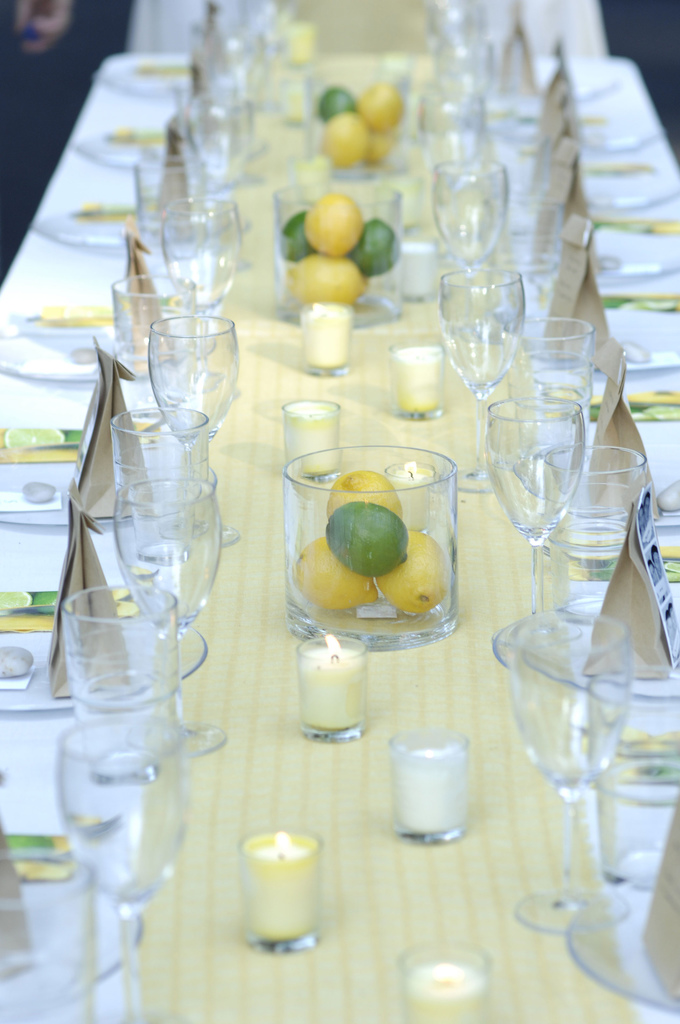
A polished wedding table setting often comes down to layering. Start with the basics: clean linens, well-scaled plates, polished flatware, and glassware that fits the style of the meal. Then add interest with chargers, menus, patterned napkins, ribbon, sprigs of greenery, wax seals, or calligraphed name cards. You do not need every single layer. You just need enough to make the table feel finished.
Menus are especially useful because they add height and personality while giving guests something practical. They can sit on the plate, tuck into the napkin, or stand upright in a minimalist holder. Pair them with place cards or escort cards that clearly direct people to their seats. The prettier these details are, the more they feel like decor instead of paperwork.
Centerpieces should not pick a fight with conversation
A stunning centerpiece is not actually stunning if it forces people to play peekaboo across the table. Keep arrangements low enough for guests to see one another, or go intentionally tall with a narrow base and lifted design that clears eye level. There is very little romance in leaning sideways around a bouquet to ask someone to pass the butter.
Mixed-height candlelight, floral goblets, greenery runners, bud vases, or clustered compotes can all create movement without blocking faces. If your tables are long, consider repeating smaller moments down the center rather than using one large arrangement. That approach usually feels more modern, more relaxed, and easier to navigate.
Table numbers and escort details should be clear first, pretty second
Yes, your table numbers should match the aesthetic. Yes, your escort display should look like it belongs in the room. But clarity comes first. Guests should be able to find their seat without squinting, wandering, or asking the bartender for directions. Choose table numbers with strong contrast, readable type, and enough height to be visible above plates and glassware.
Creative escort card displays are wonderful when they still function well. Cards attached to straws, succulents, lollipops, mini bottles, or small favors can feel playful and memorable. Just make sure names are legible and organized alphabetically or by table, unless your goal is cardio.
Photostrips: Tiny Keepsakes With Big Wedding Energy
Photostrips are one of those wedding ideas that hit the sweet spot between entertainment and memory-making. They give guests something to do, something to laugh about, and something to take home. More importantly, they capture a side of the wedding your formal photographer may not: goofy sunglasses, cousins making faces, grandparents unexpectedly stealing the show, and your college friends squeezing into one frame like it is 2014 again.
Placement and lighting matter more than people think
A photobooth should not feel hidden like a secret speakeasy for camera enthusiasts. Put it where guests naturally pass through, such as near the bar, lounge area, or reception entrance. It should feel accessible without interfering with the dance floor or dinner service. Good lighting is essential. Soft, flattering light makes every guest feel a little more cinematic and a lot less fluorescent.
If you are using a DIY setup, test the lighting in advance. Warm light, natural light, or quality booth lighting will almost always produce better photos than harsh overhead fixtures. Your guests do not need to resemble startled office workers in a break room photo.
Props should match the wedding, not hijack it
The best photobooth props are fun, easy to grab, and tied to your overall style. Floral crowns, elegant frames, custom signs, playful sunglasses, themed hats, or illustrated cutouts can all work. A black-tie wedding may call for sleek props and minimalist signage. A colorful garden wedding can handle whimsy. A retro wedding can absolutely embrace the full photostrip dream with vintage-inspired frames and cheeky captions.
Personalization makes the booth more memorable. Include your pet, a shared hobby, a venue sketch, your monogram, or a motif from the invitations. Even the strip design itself can coordinate with your stationery suite so the final print feels like a real keepsake instead of a random mall souvenir from 2007.
Turn photostrips into part of the guest experience
One of the smartest wedding ideas is connecting the photobooth to the guest book. If your booth prints duplicate strips, guests can keep one and stick the other into an album with a note. Suddenly, you have more than signatures. You have faces, handwriting, inside jokes, and evidence that your aunt really did wear novelty heart glasses after dinner.
Set the station up with glue dots, pens that actually work, clear instructions, and enough table space so guests are not trying to craft on top of a candle. If you want to elevate it further, use a custom album with prompts or pages built around your relationship story. That turns the photostrip station from a cute activity into one of the most meaningful keepsakes of the entire day.
Experience-Based Wedding Lessons Couples Talk About Later
After the wedding is over, couples rarely say, “I wish the charger plates had been two percent shinier.” What they do talk about is how the details felt. They remember whether guests used the photobooth all night, whether the favors vanished by the end of the reception, whether the tables felt inviting, and whether the room looked like them. That is why experience matters as much as aesthetics.
Many couples realize that the most successful favors were the ones guests understood immediately. Nobody needs a tutorial for a cookie box, a mini candle, or a custom drink charm. The easier the item is to enjoy, the more likely it is to be taken home. Couples also often notice that when favors are placed directly at the table setting or tied into escort cards, guests engage with them more naturally. People are busy arriving, hugging, locating relatives, and trying not to cry off their mascara. A favor should not require a scavenger hunt.
Decor-wise, couples frequently say the room looked best when they focused on atmosphere rather than stuffing every corner with “more.” Candlelight, good linens, thoughtful florals, and one or two memorable statement areas usually create a stronger impression than twenty tiny decorative decisions all screaming at once. Guests do not walk away listing every object they saw. They remember how the space felt when they entered it. Warm. Romantic. Lively. Elegant. That emotional memory is what good decor delivers.
Table settings also influence the mood more than people expect. Couples often learn that guests appreciate beauty, but they adore comfort. A table with room to eat, centerpieces that do not obstruct conversation, and seating arrangements that make social sense will always outperform a visually dramatic setup that feels awkward for three hours. A thoughtful table plan can reduce social stress, help conversations flow, and make the reception feel smoother from the first toast to the last slice of cake. That is not a glamorous detail, but it is an important one.
Photostrips tend to become one of the surprise stars of the wedding. Guests who are shy about dancing may happily pile into a booth. Older relatives who skip the dance floor often love the chance to pose with grandchildren. Friend groups create a whole mini-archive of the night from their own point of view. Couples often say these strips become some of the most treasured little artifacts afterward because they are spontaneous, funny, and deeply human. A formal portrait is beautiful, but a photostrip of four cousins in silly glasses with one person blinking is the kind of thing people save forever.
Another lesson couples mention is that signage and instructions matter. If the guest book table has no pen, the photo booth has no clear line, or the favors are placed in a way that looks decorative rather than available, people hesitate. The prettiest setup in the world still needs a little clarity. Small signs, visible supplies, and intuitive placement make a huge difference. Good design is not only about appearance. It is about making participation feel easy.
And perhaps the biggest experience-based truth of all is this: the wedding details people remember most are the ones that felt personal without feeling performative. A favor inspired by your hometown. A table setting that echoes your invitation suite. A photo booth strip designed with your wedding colors. A guest book full of snapshots and handwritten notes. These choices do more than fill space. They create texture, memory, and meaning. That is the sweet spot. Not perfection. Not trend-chasing. Just thoughtful decisions that make your wedding feel unmistakably like your own.
Final Thoughts
The best wedding ideas are not about choosing between beauty and practicality. They are about combining the two so well that nobody notices the work behind it. Favors can be lovely and useful. Decor can feel rich without being overwhelming. Table settings can look editorial and still let people enjoy dinner. Photostrips can be playful in the moment and sentimental later. When all of those details work together, your wedding feels cohesive, welcoming, and memorable for the right reasons.
So as you plan, ask one smart question over and over: does this detail look good, feel good, or help guests enjoy the day more? If the answer is yes to at least one of those, keep it. If it somehow manages all three, congratulations. You have found the wedding-planning equivalent of a perfect bite of cake.