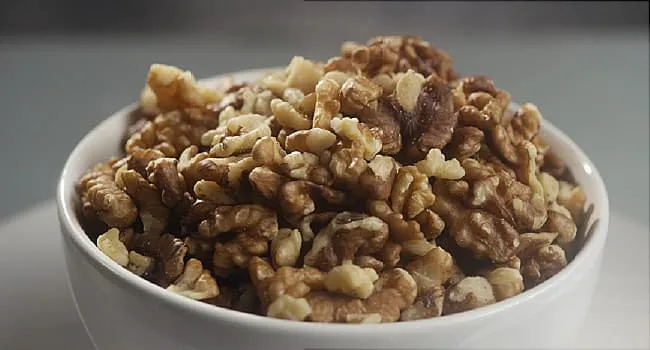
Walnuts may look like tiny wooden brains wearing wrinkled jackets, but don’t let their humble appearance fool you. These crunchy little powerhouses have earned a serious reputation in nutrition circles for supporting heart health, brain function, gut balance, and everyday wellness. If you are planning a video on health benefits of walnuts, or you simply want a clear, friendly explanation before adding them to your oatmeal, salad, or late-night snack bowl, you are in the right place.
The best part? Walnuts do not require a complicated wellness ritual. No chanting, no $80 blender, no mysterious green powder. A small handful can deliver plant-based omega-3 fats, fiber, protein, magnesium, copper, polyphenols, and other nutrients that fit beautifully into a balanced diet. They are not magic medicine, and they will not turn yesterday’s pizza into a Mediterranean meal by association. But as part of an overall healthy eating pattern, walnuts can be a smart, satisfying, and surprisingly versatile choice.
This guide breaks down the real science-backed benefits of walnuts in a way that works perfectly for a blog post, educational video script, or health-focused content piece. Let’s crack open the shell.
Why Walnuts Deserve the Spotlight
Walnuts stand out from many other nuts because they are especially rich in alpha-linolenic acid, or ALA, a plant-based omega-3 fatty acid. Omega-3 fats are essential, meaning the body needs them but cannot make enough on its own. While fatty fish provide EPA and DHA omega-3s, walnuts are one of the best plant-based options for people who eat vegetarian meals, avoid seafood, or simply want more variety in their diet.
A typical one-ounce serving of walnuts, roughly a small handful or about 14 walnut halves, contains about 185 calories, 4 grams of protein, 2 grams of fiber, and mostly unsaturated fats. That combination makes walnuts nutrient-dense: small in size, big in nutrition. Think of them as the tiny overachiever in the pantry.
Top Health Benefits of Walnuts
1. Walnuts Support Heart Health
One of the strongest reasons walnuts receive so much attention is their connection to cardiovascular health. Walnuts contain polyunsaturated fats, including ALA omega-3s, which can help support healthy cholesterol levels when they replace foods high in saturated fat. Research has linked regular nut intake with better heart-health markers, and walnuts are often highlighted because of their unique fatty acid profile.
Walnuts may help lower LDL cholesterol, often called “bad” cholesterol, while supporting a better overall lipid profile. Their fiber, plant sterols, polyphenols, and unsaturated fats all play supporting roles. In plain English: walnuts are not just crunchy; they are working behind the scenes like a tiny heart-health maintenance crew.
The key is balance. Adding walnuts to a diet already overloaded with fried foods, sugary drinks, and processed snacks will not cancel everything out. But swapping chips, cookies, or high-saturated-fat snacks for a modest serving of walnuts can be a meaningful upgrade.
2. Walnuts Provide Plant-Based Omega-3 Fatty Acids
ALA omega-3s are important for normal body functions, including cell membrane health and inflammatory balance. Walnuts are one of the few commonly eaten nuts with a significant amount of ALA. This makes them especially useful for people who want more plant-based sources of healthy fats.
Although the body converts only a portion of ALA into EPA and DHA, ALA itself is still considered beneficial. A diet that includes walnuts, chia seeds, flaxseeds, leafy greens, and other whole foods can help improve overall omega-3 intake. For viewers watching a video on the health benefits of walnuts, this is one of the clearest talking points: walnuts are an easy, everyday way to add plant-based omega-3s without cooking fish or swallowing capsules the size of submarine torpedoes.
3. Walnuts May Help Brain Health
The walnut-brain comparison is almost too perfect. Yes, walnuts look a little like brains, and yes, they contain nutrients that may support brain health. Coincidence? Probably. Fun? Absolutely.
Walnuts contain polyphenols, vitamin E compounds, and healthy fats that may help protect cells from oxidative stress. Oxidative stress is one of the processes linked with aging and cognitive decline. While eating walnuts will not make you remember where you put your car keys every time, they can be part of a brain-supportive eating pattern that includes vegetables, fruits, whole grains, fish or plant proteins, and regular physical activity.
Many brain-healthy diets, including Mediterranean-style eating patterns, feature nuts as a regular food. Walnuts fit naturally into that approach because they pair well with both sweet and savory meals.
4. Walnuts Can Support Gut Health
Your gut microbiome is home to trillions of bacteria, and like any community, it behaves better when properly fed. Walnuts contain fiber and polyphenols that may support beneficial gut bacteria. A healthier gut environment is associated with digestion, immune function, and metabolic health.
Walnuts are not a probiotic food like yogurt or kefir, but they may act more like a prebiotic helper by providing compounds that friendly bacteria can use. In practical terms, adding walnuts to meals can increase dietary variety, and variety is one of the gut’s favorite wordsright after “fiber.”
5. Walnuts May Help With Satiety and Weight Management
Because walnuts contain protein, fiber, and healthy fats, they can help meals and snacks feel more satisfying. That matters for weight management because hunger often drives snack choices. A small handful of walnuts with fruit, yogurt, or oatmeal may keep you fuller longer than a low-fiber, high-sugar snack.
However, portion size matters. Walnuts are calorie-dense, which means a little goes a long way. Eating them straight from a large bag while watching TV can quickly turn “a healthy snack” into “Where did the whole bag go?” The best strategy is to portion out about one ounce at a time.
6. Walnuts Fit Into Blood Sugar-Friendly Meals
Walnuts are low in sugar and contain fat, fiber, and protein, which can help slow digestion when paired with carbohydrate-rich foods. For example, adding walnuts to oatmeal, apple slices, or whole-grain toast can make the meal more balanced and satisfying.
This does not mean walnuts treat diabetes or replace medical advice. But for many people, they can be part of a blood sugar-conscious eating pattern. A snack of walnuts and berries is usually a more balanced choice than candy or pastries, even if the pastries are calling your name from across the room.
7. Walnuts Contain Antioxidant Compounds
Walnuts contain several antioxidant compounds, including polyphenols and vitamin E-related nutrients. Antioxidants help protect cells from oxidative damage caused by normal metabolism, pollution, stress, and other everyday exposures.
This is one reason walnuts often show up in conversations about aging well. They are not a fountain of youth, but they are a practical food that contributes valuable nutrients to a healthy lifestyle. Think of them as one small piece of the longevity puzzle, not the entire puzzle box.
How to Use Walnuts in Everyday Meals
Add Walnuts to Breakfast
Breakfast is one of the easiest places to use walnuts. Sprinkle chopped walnuts over oatmeal, Greek yogurt, chia pudding, smoothie bowls, or whole-grain cereal. The crunch makes soft foods more interesting, and the healthy fats help the meal feel more complete.
Use Walnuts in Salads
Walnuts add texture and richness to salads. Try them with spinach, arugula, apples, pears, cranberries, roasted sweet potatoes, goat cheese, or grilled chicken. Toasting walnuts for a few minutes can deepen their flavor, but keep an eye on them. Walnuts can go from golden to “oops” faster than a browser tab disappears during work.
Blend Walnuts Into Sauces
Walnuts can be blended into pesto, dips, spreads, and creamy sauces. A walnut-based pesto with basil, garlic, olive oil, lemon juice, and Parmesan can be delicious over pasta, fish, roasted vegetables, or sandwiches. For a dairy-free version, nutritional yeast can add a savory flavor.
Use Walnuts in Baking
Banana bread, muffins, brownies, cookies, and coffee cake all welcome walnuts with open arms. While baked goods are still treats, walnuts can add texture and nutrients. For a healthier twist, use them in whole-grain muffins or energy bites made with oats, dates, and cocoa.
How Much Walnuts Should You Eat?
A common serving is about one ounce, or roughly 14 walnut halves. Some heart-health guidance discusses 1.5 ounces of nuts per day as part of a diet low in saturated fat and cholesterol. For most people, a small handful is a realistic daily amount.
If you are new to walnuts, start small. Add a tablespoon or two to meals and see how your body responds. People with tree nut allergies should avoid walnuts, and anyone with medical conditions or dietary restrictions should ask a qualified healthcare professional for personalized guidance.
Are Raw or Roasted Walnuts Better?
Both raw and roasted walnuts can be healthy choices. Raw walnuts have a mild, slightly earthy flavor, while roasted walnuts taste deeper and nuttier. Dry-roasted walnuts without added sugar or excess salt are usually a smart option.
To toast walnuts at home, spread them on a baking sheet and warm them in the oven at 325°F for about 7 to 10 minutes, stirring once. You can also toast them in a dry skillet over medium-low heat. Stop when they smell fragrant. If they smell burnt, congratulations: you have made walnut charcoal.
Common Myths About Walnuts
Myth: Walnuts Are Too Fatty to Be Healthy
Walnuts are high in fat, but most of that fat is unsaturated. The type of fat matters. Replacing saturated fats with unsaturated fats can support better heart-health outcomes.
Myth: Walnuts Cause Weight Gain Automatically
No single food automatically causes weight gain. Portion size and total eating patterns matter. Walnuts are calorie-dense, so measuring a serving can help you enjoy the benefits without overdoing it.
Myth: Walnut Benefits Are Only for Older Adults
Walnuts can fit into healthy eating patterns for many adults, not just seniors. Students, busy professionals, athletes, parents, and snack-loving humans of all ages can enjoy them, as long as there is no allergy or medical reason to avoid them.
Video Content Ideas for “Health Benefits of Walnuts”
If you are creating a video on the health benefits of walnuts, structure it around simple, visual moments. Start with a close-up of walnuts being cracked or poured into a bowl. Then explain the top benefits in short sections: heart health, omega-3 fats, brain support, gut health, and meal ideas.
Use practical examples instead of vague wellness language. Show walnuts on oatmeal, in a salad, blended into pesto, and packed into a snack container. Viewers remember what they can picture. A line like “Add a small handful to breakfast” is more useful than “optimize your nutritional paradigm,” which sounds like something a robot would say after eating a spreadsheet.
A strong video should also mention moderation and allergies. Health content builds trust when it explains both benefits and limits. Walnuts are nutritious, but they are not a cure for disease, a replacement for medication, or a free pass to ignore the rest of your diet.
Best Ways to Store Walnuts
Walnuts contain healthy oils, and those oils can become rancid if stored poorly. Keep walnuts in an airtight container in a cool, dark place. For longer freshness, store them in the refrigerator or freezer. This is especially helpful if you buy in bulk.
Fresh walnuts should smell mild and nutty. If they smell sharp, bitter, or paint-like, it is time to let them go. Not every pantry relationship is meant to last forever.
Conclusion: Are Walnuts Worth Eating?
Yes, walnuts are absolutely worth considering as part of a balanced diet. They offer plant-based omega-3 ALA, unsaturated fats, fiber, protein, minerals, and antioxidant compounds in one small, crunchy package. Their strongest benefits are connected to heart health, cholesterol support, brain-friendly nutrients, gut health, and satisfying snack choices.
The smartest way to enjoy walnuts is simple: eat a modest portion regularly, pair them with whole foods, and use them to replace less nutritious snacks. Add them to oatmeal, salads, sauces, yogurt, roasted vegetables, or homemade trail mix. Keep them fresh, avoid sugar-heavy coatings, and choose unsalted versions when possible.
Walnuts will not solve every health problem, but they are one of those rare foods that are practical, delicious, and genuinely nutrient-rich. In the world of healthy eating, that is a pretty good résumé for something that fits in your palm.
Personal Experience and Practical Observations About Walnuts
One of the most realistic things about walnuts is that they are easy to add to daily life without turning your kitchen into a science lab. Many people begin with good intentions: they buy a bag of walnuts, place it in the pantry, and then forget about it until the next ice age. The trick is to make walnuts visible and convenient. Put a small jar on the counter, pre-portion servings into containers, or keep chopped walnuts near the oatmeal. Healthy choices become easier when they are not hiding behind three boxes of pasta and a suspiciously old jar of pickles.
In everyday eating, walnuts work best as a supporting character. They make breakfast feel more complete, especially when added to warm oatmeal with banana and cinnamon. The softness of the oats and the crunch of the walnuts create a satisfying contrast. In yogurt, walnuts add richness and help balance sweet toppings like honey or berries. For people who often feel hungry an hour after breakfast, this small addition can make a noticeable difference.
Walnuts also shine in salads. A plain bowl of greens can sometimes feel like a chore, but add toasted walnuts, sliced apples, a little feta, and a simple vinaigrette, and suddenly lunch has personality. The flavor is earthy and slightly buttery, which helps salads feel less like “diet food” and more like an actual meal. This is important because healthy eating has to be enjoyable. Nobody sticks with a plan that feels like punishment with lettuce.
Another practical experience is that walnuts can help reduce snack boredom. Many snacks are either crunchy but not filling, or filling but not very exciting. Walnuts manage to be both. Pairing them with fruit is especially useful: apples with walnuts, pears with walnuts, or dates stuffed with walnuts can satisfy a sweet craving while still providing fiber and healthy fats. It feels like a treat without becoming a sugar avalanche.
For cooking, toasted walnuts can completely change a dish. Sprinkle them over roasted Brussels sprouts, green beans, sweet potatoes, or whole-grain pasta. Blend them into pesto if pine nuts are too expensive or hard to find. Add finely chopped walnuts to veggie burgers, grain bowls, or stuffing for extra texture. They are flexible enough to move from breakfast to dinner without complaining.
The biggest lesson from using walnuts regularly is portion awareness. Because they are rich and calorie-dense, it is easy to eat more than planned. Measuring a small handful keeps things reasonable. Another lesson is storage. Walnuts taste best when fresh, and refrigeration helps preserve their flavor. A fresh walnut tastes mild, creamy, and slightly sweet; an old walnut tastes like regret in nut form.
Overall, walnuts are one of the easiest upgrades for a healthier kitchen. They do not demand perfection. They simply ask to be sprinkled, stirred, blended, toasted, or enjoyed by the handful. For anyone creating a video on the health benefits of walnuts, that everyday practicality may be the most persuasive message of all: healthy food does not have to be complicated to be powerful.
Note: This article is for general educational purposes only and should not replace personalized medical or dietary advice from a qualified healthcare professional, especially for people with allergies, chronic conditions, or prescribed nutrition plans.