Want to know how to be a hippie without accidentally becoming a walking costume party? Good news: you do not need a vintage van, ankle bells, or a mysterious jar of homemade granola labeled “experimental.” Being a hippie is less about looking like you time-traveled from a 1969 music festival and more about choosing peace, freedom, creativity, community, and a lighter footprint on the planet.
The hippie movement grew out of the American counterculture of the 1960s and 1970s, when many young people questioned consumerism, war, rigid social expectations, and the idea that “success” had to mean a gray suit, a corner office, and pretending to enjoy fluorescent lighting. Today, the hippie lifestyle has evolved. Modern hippies may live in apartments, work remote jobs, shop secondhand, support local farmers, practice mindfulness, volunteer, make art, and try to be kind even before coffee. That last one is advanced level.
This guide explains how to be a hippie in a practical, modern, and meaningful way. It covers hippie values, fashion, sustainability, music, food, community, activism, spirituality, and everyday habits. Think of it as a road map to living more freelyminus the pressure to smell like patchouli unless that is truly your destiny.
What Does It Mean to Be a Hippie?
At its heart, being a hippie means rejecting unnecessary conformity and choosing a life guided by peace, love, authenticity, and respect for nature. The original hippies challenged mainstream American culture by questioning war, materialism, racial injustice, environmental destruction, and traditional social rules. They valued personal freedom, communal living, creativity, music, and a closer relationship with the earth.
Modern hippies are not required to copy every detail of the past. In fact, the best version of the hippie lifestyle is thoughtful, inclusive, and grounded in real action. It is not about pretending life is one long picnic with acoustic guitars. It is about asking better questions: Do I really need more stuff? Am I treating people with compassion? Can I reduce waste? Can I support my community? Can I live in a way that feels honest instead of performative?
Start With the Hippie Mindset
Choose peace over drama
The classic hippie phrase “peace and love” can sound like something printed on a mug, but it points to a serious philosophy. A hippie mindset begins with reducing conflict where possible, listening before reacting, and refusing to turn every disagreement into a personal battlefield. This does not mean letting people walk all over you. It means practicing calm strength, setting healthy boundaries, and choosing compassion without becoming a doormat in sandals.
Question consumer culture
One of the strongest hippie values is the belief that happiness cannot be bought in bulk. Modern life constantly whispers, “Buy this and become a better person.” Hippie living answers, “That is suspicious, and also I already own a perfectly good mug.” Start by noticing what you consume: clothes, gadgets, décor, fast food, entertainment, and even social media. Ask whether each purchase adds real value or just creates another thing to dust.
Be yourself without needing applause
Hippies have always celebrated individuality. That might mean wearing colorful clothes, growing your hair long, making handmade jewelry, writing poetry, planting herbs, dancing badly but confidently, or simply refusing to live by someone else’s script. The goal is not to be weird for attention. The goal is to be honest enough that your personality does not need permission slips.
Dress Like a Hippie Without Looking Like a Halloween Aisle
Hippie fashion is famous for flowing fabrics, natural fibers, handmade details, embroidery, fringe, denim, tie-dye, beads, sandals, wide-brim hats, and earthy colors. But the modern hippie style works best when it feels lived-in rather than copied from a costume rack.
Shop secondhand first
Thrifting is one of the easiest ways to build a hippie wardrobe. Look for vintage jeans, soft cotton shirts, floral dresses, oversized cardigans, linen pants, leather belts, handmade bags, and anything that looks like it has already had at least three interesting conversations. Buying secondhand keeps clothing in use longer and helps reduce demand for newly manufactured items.
Choose natural and comfortable materials
Cotton, linen, hemp, wool, and other natural fabrics often fit the hippie aesthetic because they feel relaxed and practical. Comfort matters. If your outfit looks free-spirited but makes you unable to sit down, breathe, or walk across a parking lot, that is not enlightenmentit is tailoring gone rogue.
Add handmade touches
Hippie style loves personal details. Try patches, embroidery, woven bracelets, beaded necklaces, hand-painted jackets, crocheted bags, or upcycled clothing. The point is to make your style feel personal, not mass-produced. Bonus: if someone asks where you got it, you can proudly say, “I made it,” which instantly gives you at least 12 aura points.
Live More Sustainably
A hippie lifestyle should include respect for the planet. You do not have to move into a treehouse and communicate exclusively with squirrels. Start with realistic changes that reduce waste, save resources, and make your daily life more intentional.
Reduce before you recycle
Recycling is helpful, but reducing consumption is even better. Buy less, repair more, borrow when possible, and avoid disposable products. Choose reusable water bottles, cloth shopping bags, refillable containers, and durable household items. The most eco-friendly product is often the one you already own.
Make your home greener
Turn off lights when you leave a room, unplug chargers, wash full loads of laundry, air-dry clothes when practical, and use energy-efficient bulbs. Add plants, open windows for fresh air when weather allows, and choose low-waste cleaning supplies. A hippie home does not need to be perfect. It should feel peaceful, practical, and slightly more alive than a furniture showroom.
Upcycle instead of tossing
Before throwing something away, ask whether it can become something else. Glass jars can store dry goods. Old T-shirts can become cleaning cloths. Wooden crates can become shelves. A chipped mug can hold pens, a plant, or your emotional support tea bags. Upcycling is creativity with a tiny environmental cape.
Eat Like a Modern Hippie
Food has long been part of counterculture. In the 1960s and 1970s, many people connected food choices with politics, health, community, and resistance to mass-produced culture. Today, eating like a hippie usually means choosing foods that are simple, nourishing, local when possible, and connected to real people rather than mystery supply chains.
Visit farmers markets
Farmers markets are excellent places to support local growers, discover seasonal produce, and remember that tomatoes are not supposed to taste like wet cardboard. Buying local can strengthen community connections and make food feel less anonymous. Talk to farmers, ask what is in season, and try one unfamiliar vegetable now and then. Worst case, you learn that kohlrabi looks like it came from another planet but is surprisingly useful.
Cook simple meals
You do not need to become a professional chef. Try easy meals built around vegetables, grains, beans, fruit, nuts, herbs, and fresh ingredients. Think lentil soup, veggie wraps, oatmeal with fruit, rice bowls, roasted vegetables, homemade bread, or big salads that do not taste like punishment. Cooking at home helps you reduce packaging, save money, and build a healthier relationship with food.
Respect your body
A hippie approach to food should be flexible and kind. Some hippies are vegetarian or vegan, while others simply try to eat more plant-based meals. The goal is not food perfection. It is awareness. Choose what works for your body, budget, culture, and health needs. No one becomes more spiritual by judging another person’s sandwich.
Connect With Music, Art, and Creativity
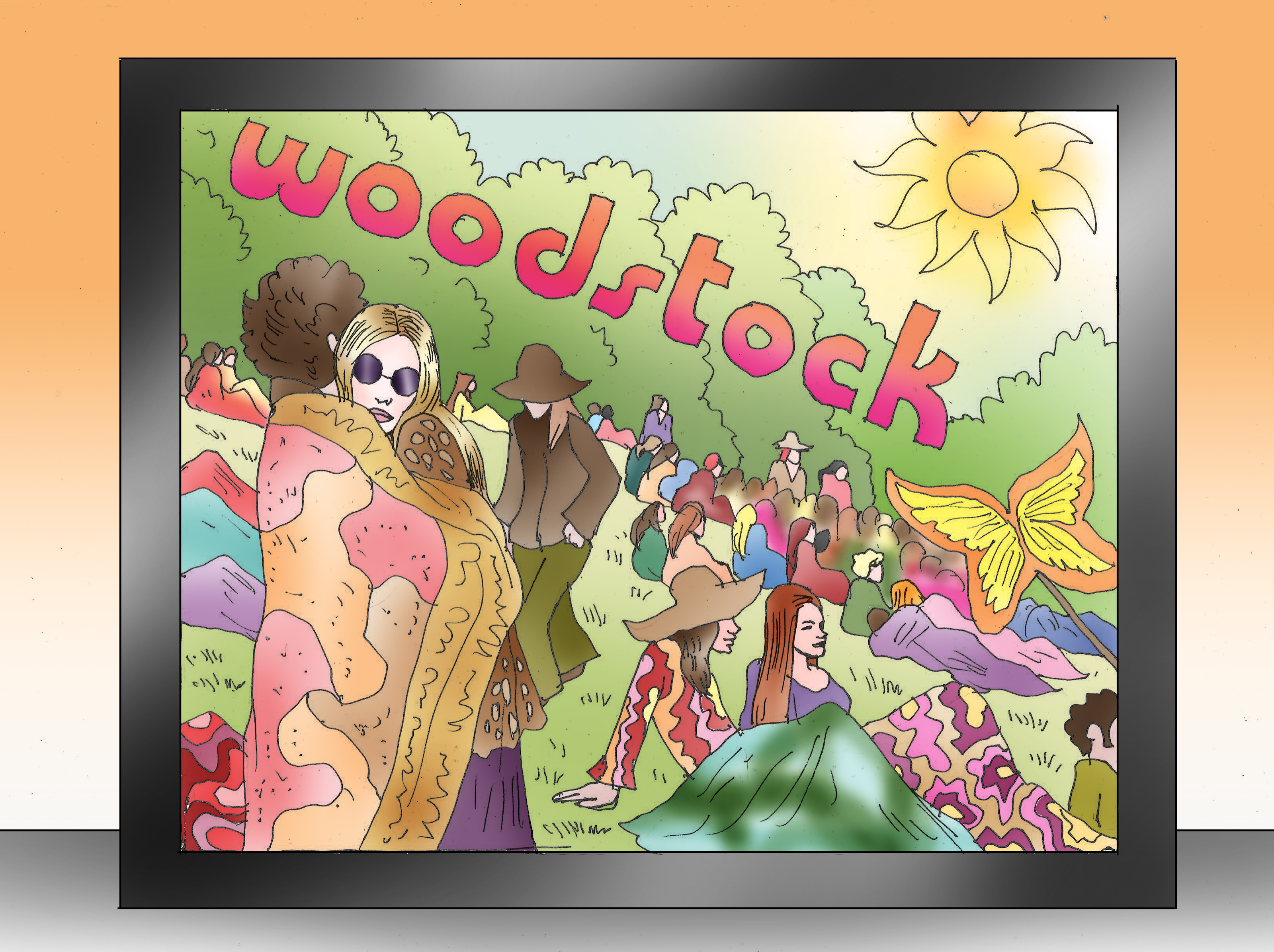
Music was central to the original hippie movement, from folk songs and protest music to psychedelic rock and huge gatherings like Woodstock. Today, music still offers a path to connection, expression, and emotional freedom. Create playlists that include classic artists, modern folk, indie, soul, blues, reggae, jam bands, and anything that makes you feel more human.
Art matters too. Paint, draw, dance, write, sing, garden, make pottery, sew, take photos, or decorate your room with things that have meaning. Hippie creativity is not about being perfect. It is about expression. A slightly lopsided clay bowl made with joy has more soul than a perfect bowl bought because an algorithm whispered “rustic chic” into your wallet.
Build Real Community
Hippie culture is not only individual freedom; it is also togetherness. The original movement included communes, group houses, shared meals, festivals, teach-ins, and collective activism. You do not have to join a commune to live this value. Start small.
Share more
Borrow tools, swap clothes, trade books, cook for friends, organize a neighborhood cleanup, or start a small garden with others. Community grows when people stop acting like every household needs its own isolated version of everything. Not every neighbor will become your soul sibling, but even a simple “Want some extra tomatoes?” can be revolutionary in a lonely world.
Practice radical kindness
Kindness is not weak. It is one of the most powerful hippie habits. Compliment freely, listen deeply, help when you can, and treat service workers, strangers, elders, children, and animals with respect. The real test of peace and love is not how you act at a festival. It is how you act when the checkout line is moving at the speed of continental drift.
Stand for Something
Hippie values have always been connected to activism. The movement was shaped by anti-war protest, civil rights struggles, environmental awareness, free speech, and broader demands for social change. Modern hippie living should include more than pretty clothes and good playlists. It should include responsibility.
Choose causes thoughtfully
You might care about climate action, animal welfare, racial justice, food access, peacebuilding, public parks, mental health awareness, community gardens, or local arts programs. Pick causes that matter to you and learn about them. Read, listen, volunteer, donate when you can, and support organizations doing real work.
Use your voice without becoming unbearable
Activism works best when it combines passion with humility. Speak up, but also listen. Share information, but avoid turning every dinner into a courtroom drama. Invite people into change instead of treating them like villains for not already knowing everything. The goal is not to win a purity contest. The goal is to make life better.
Explore Spirituality and Mindfulness
Many hippies explored meditation, yoga, Eastern philosophy, nature-based spirituality, and alternative approaches to wellness. Today, you can practice mindfulness in a grounded, respectful way. Meditate for five minutes, stretch in the morning, walk outside without headphones, journal before bed, or sit under a tree and do absolutely nothing. Doing nothing is underrated. Capitalism hates this one weird trick.
Be careful not to treat other cultures like accessories. If you practice traditions from cultures outside your own, learn their context, respect their origins, and avoid turning sacred symbols into decorations. A modern hippie should be curious, not careless.
Create a Hippie-Inspired Daily Routine
Being a hippie becomes easier when your values show up in ordinary habits. You do not need to overhaul your entire life by Tuesday. Start with a few simple changes and build from there.
Morning
Wake up without immediately diving into your phone. Drink water. Open a window. Stretch. Write down one intention for the day, such as “be patient,” “waste less,” or “do not argue with strangers online before breakfast.” Eat something simple and nourishing.
Afternoon
Take a walk, bring your own bottle, choose a low-waste lunch, or check in with a friend. When shopping, ask whether you really need the item. When working or studying, take short breaks to breathe and reset. Peace is easier when your nervous system is not running like a squirrel on espresso.
Evening
Cook, read, listen to music, make something, water plants, journal, or spend time with people you love. Reduce screen time before bed if possible. Let your home become a place of rest rather than a charging station for every anxiety you collected during the day.
Common Mistakes to Avoid
Do not confuse hippie living with laziness
Living freely does not mean avoiding responsibility. Pay your bills, keep your promises, clean your space, and show up for people. The most grounded hippies understand that freedom and responsibility are not enemies; they are roommates who occasionally argue about compost.
Do not romanticize the past
The 1960s counterculture had powerful ideas, but it also had contradictions and problems. Modern hippie living should keep the best valuespeace, creativity, environmental care, community, and justicewhile leaving behind harmful behavior, exclusion, or naive thinking.
Do not turn it into a shopping identity
You cannot buy your way into authenticity. A closet full of expensive “boho” outfits does not automatically make someone more peaceful, ethical, or free. Being a hippie is about how you live, not how successfully you decorate yourself as one.
Personal Experiences: What Learning to Live Like a Hippie Can Feel Like
The first experience many people have with hippie living is surprisingly quiet. It is not always a dramatic moment with a drum circle under a full moon. Sometimes it begins with cleaning out a closet and realizing you own seven black T-shirts, three of which are emotionally identical. You donate what you do not need, repair what you can, and suddenly your room feels lighter. Then your mind follows. Fewer things can mean fewer tiny decisions tugging at your sleeve all day.
Another common experience is discovering the joy of secondhand shopping. At first, thrifting may feel random, like entering a treasure hunt designed by a very eccentric aunt. But then you find a soft denim jacket, a handmade scarf, or a perfectly worn-in book with notes in the margins. These objects have stories. They feel less sterile than new items pulled from a warehouse. Over time, you may start caring less about trends and more about personality. Your style becomes less “What is everyone wearing?” and more “What feels like me?”
Food can also become a turning point. Visiting a farmers market on a weekend morning has a different energy than rushing through a supermarket while mentally fighting your grocery list. You see colors, smell herbs, talk to vendors, and maybe buy peaches so ripe they demand immediate respect. Cooking with fresh, simple ingredients can feel grounding. You chop vegetables, simmer soup, bake bread, or make a giant bowl of something warm and honest. It is not fancy, but it feels connected.
Then comes the community part, which can be both beautiful and awkward. Maybe you invite friends over for a clothing swap, and everyone arrives with bags of forgotten sweaters. Someone finds a jacket they love. Someone else brings homemade cookies. The evening becomes less about stuff and more about laughter. That is when hippie living starts to make sense: it is not isolation from modern life, but a softer way of participating in it.
Spending more time outdoors creates another shift. A simple walk in a park can remind you that your problems are real, but they are not the entire universe. Trees do not care about your inbox. Birds continue their suspiciously cheerful meetings. The sky keeps doing sky things. Nature has a way of returning your thoughts to a human size.
Finally, living like a hippie often teaches patience. You will forget your reusable bag. You will buy something unnecessary. You will try meditation and spend the whole time thinking about snacks. That is fine. The lifestyle is not about becoming a flawless earth angel with perfect hair and a compost bin that never smells weird. It is about returning, again and again, to better choices. More kindness. Less waste. More music. Less noise. More courage. Less pretending.
In the end, the best hippie experience is not becoming someone else. It is becoming more honestly yourself while causing less harm and creating more good. That is a pretty groovy deal.
Conclusion: Being a Hippie Is a Lifestyle, Not a Costume
Learning how to be a hippie is really learning how to live with more intention. You can start with colorful clothes, thrifted treasures, peaceful music, and houseplants, but do not stop there. The deeper hippie lifestyle is about compassion, sustainability, creativity, community, and courage. It asks you to question consumer culture, respect the earth, support people, and express yourself without waiting for approval.
You do not need to be perfect. You do not need to move to the mountains, grow waist-length hair, or own a tambourine with a dramatic backstory. Start where you are. Buy less. Share more. Listen better. Spend time outside. Make art badly and joyfully. Stand for peace. Cook something simple. Wear clothes that feel like your soul got dressed without consulting a committee.
That is the modern hippie path: free-spirited, grounded, kind, and awake to the world. Peace, love, and please remember your reusable bag.